
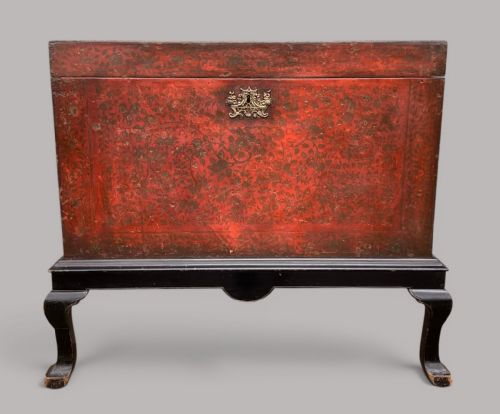
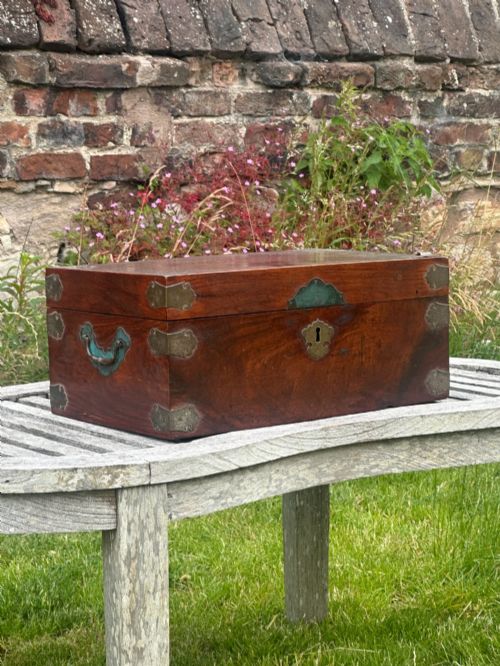
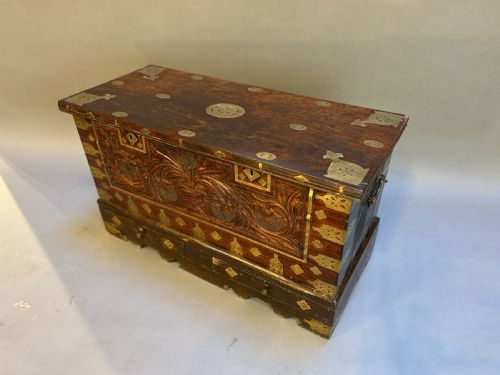


Anglo Indian Coffer
An anglo indian coffer brings substantial timber storage and colonial craftsmanship into a room, offering both utility and distinct historical character.
Anglo Indian Coffer
When you search for an anglo indian coffer, you are looking at substantial storage chests and trunks produced during the colonial period, frequently constructed from dense tropical hardwoods. These pieces combine traditional Indian cabinet-making techniques with European forms dictated by the needs of merchants, officers, and travellers.
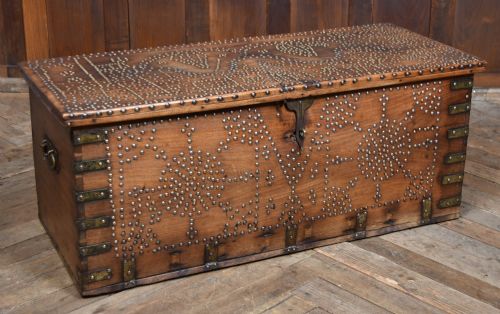
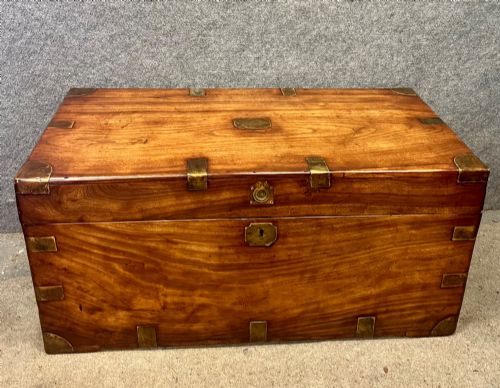
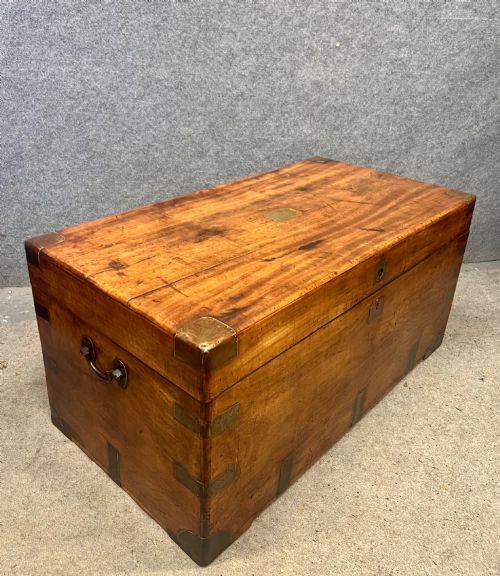
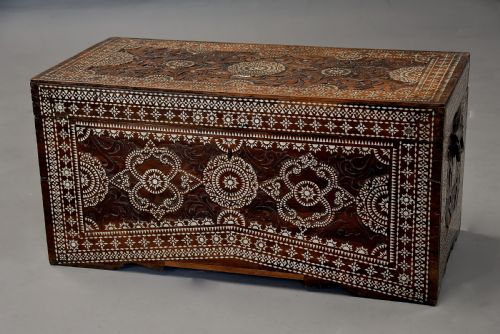
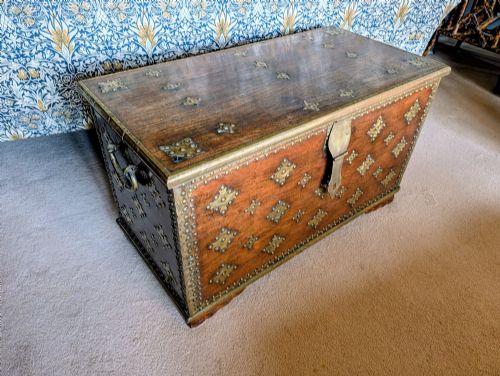
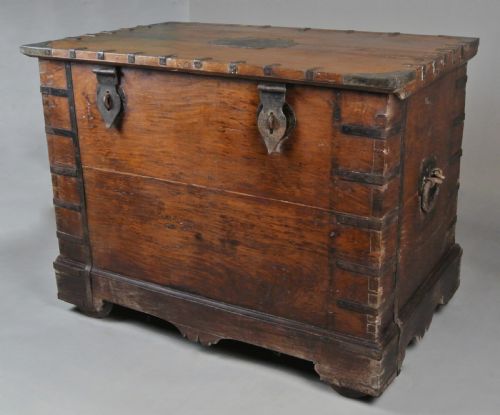
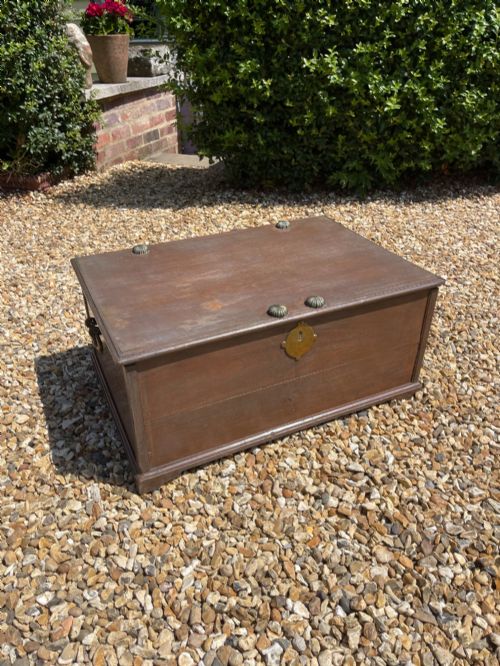
On this page, you will most frequently meet 19th-century examples, including campaign trunks, blanket boxes, and marriage coffers. Many incorporate brass binding, iron straps, or intricate inlays, reflecting the diverse workshops of the subcontinent and surrounding regions.
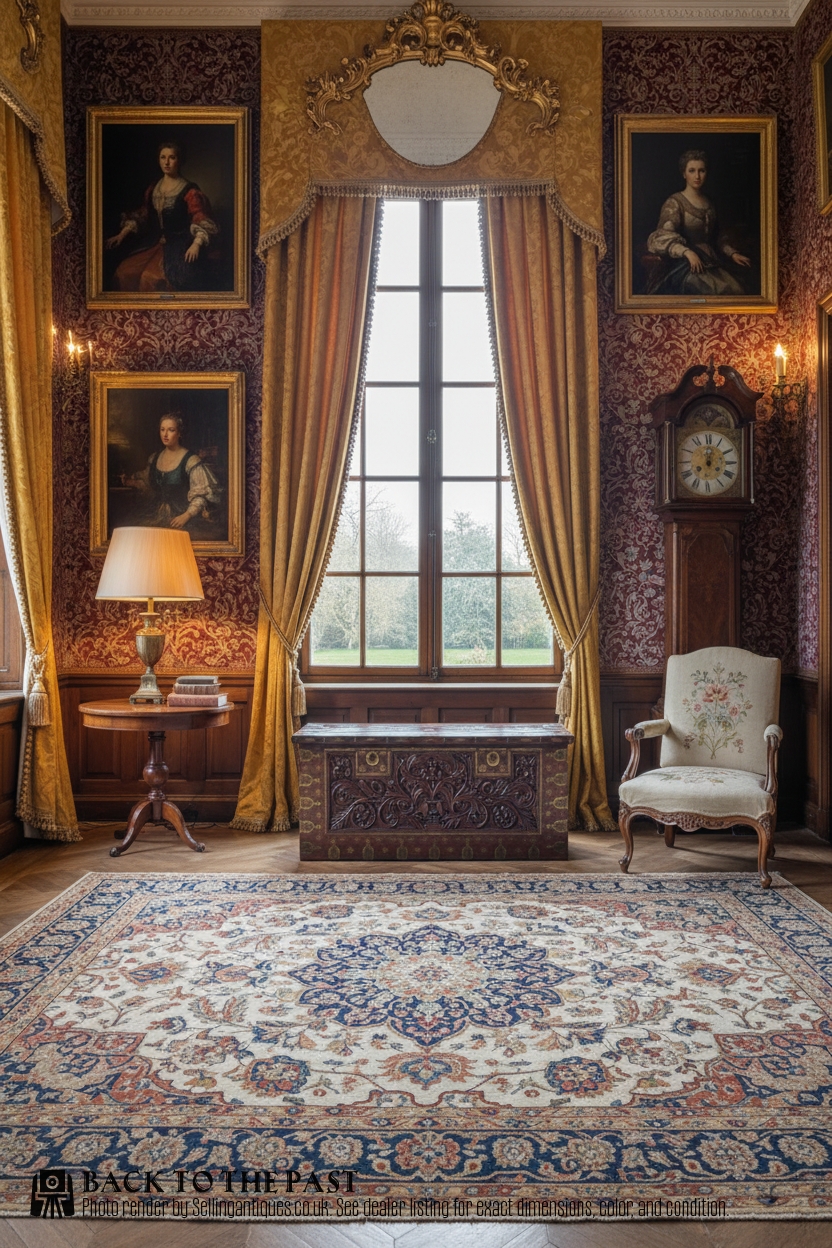
How they were made
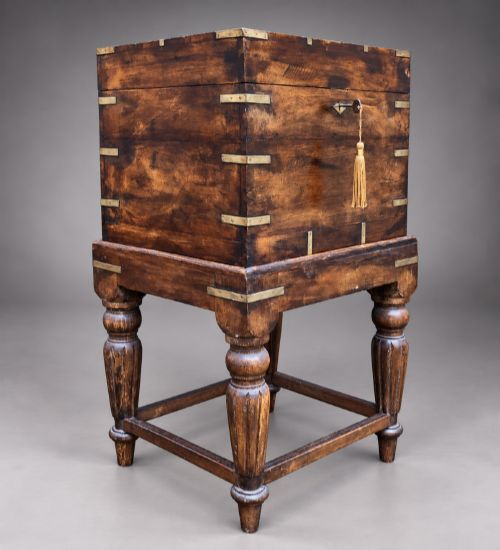
These pieces rely on heavy timbers such as teak, padouk, camphor wood, and rosewood, chosen for durability in humid climates. Carpenters joined heavy planks using dovetails and tongue-and-groove methods, often reinforcing the corners and panels with structural brass straps and iron bands.
Surface decoration ranges from plain polished timber to elaborate mother of pearl inlay and red lacquer. Many trunks feature recessed brass carrying handles and robust lock plates designed for transport and security.
Anglo Indian Coffer Retail Price Guide 2026
Typical asking prices for anglo indian coffer among the pieces listed under this phrase on Sellingantiques today, from the lower quarter to the upper quarter. They describe what is for sale here now, not the wider market.
Listings feature 19th-century periods alongside materials like teak, camphor wood, brass, and iron across various chests and coffers.
What varies in quality
Quality in an anglo indian coffer rests upon the selection of timber and the precision of the metalwork. Heavy, dense woods like padouk and satinwood indicate a higher grade of construction than standard utility timbers.
The finesse of the brass or iron bound corners, the integrity of the original hinges and locks, and the crispness of any carved or inlaid details separate everyday storage trunks from finer collector pieces.
The Anglo Indian Coffer Glossary
- Campaign trunk
- A sectional or reinforced wooden chest designed for military officers to transport belongings easily on expeditions. These boxes typically feature recessed brass handles and protective metal corners.
- Zanzibar chest
- A distinct type of heavy hardwood chest featuring elaborate brass studding, strapwork, and a central concealed compartment drawer. They originated through trade links between India and the East African coast.
- Padouk
- A heavy, durable tropical hardwood with a distinctive reddish hue that darkens with age. It is frequently encountered in colonial furniture and storage boxes.
- Coffer
- A large wooden chest traditionally used for storing valuables, textiles, or documents. They often feature sturdier construction and more decorative iron or brass mountings than standard domestic boxes.
- Cellarette
- A lockable container or chest designed specifically for holding bottles of wine or spirits. In colonial contexts, these were often fitted with interior partitions for safe transit.
Anglo Indian Coffer: Frequently Asked Questions
What is an anglo indian coffer?
An anglo indian coffer is a heavy wooden storage chest made in India during the colonial period for British and international markets. They combine local craftsmanship with European furniture forms.
These pieces range from plain iron-bound trunks to highly decorated brass-studded boxes intended for domestic use or travel.
How were these chests used?
They served primarily for storing clothing, blankets, valuables, and documents during long sea voyages and overland journeys. Their robust construction protected contents from moisture and insects.
In modern interiors, they function effectively as coffee tables, blanket boxes, or statement storage furniture in living spaces.
How do I identify the wood?
Colonial chests utilise dense tropical timbers such as teak, camphor wood, padouk, and rosewood. Camphor wood is easily recognised by its distinct aromatic scent and pale grain.
Heavier woods like padouk display a deep reddish-brown colour, while teak offers a durable, golden-brown finish that resists warping.
Are these pieces from the Victorian era?
Many examples date from the 19th century, overlapping with the Victorian period, though production spans from the late eighteenth century into the early 1900s. Stylistic clues and hardware often help narrow down the date.
Campaign styles and brass binding became particularly popular during the height of British colonial expansion in the mid-19th century.