


Carved Timber Chest
A carved timber chest offers practical storage whilst bringing centuries of regional craftsmanship and texture into a room.
Carved Timber Chest
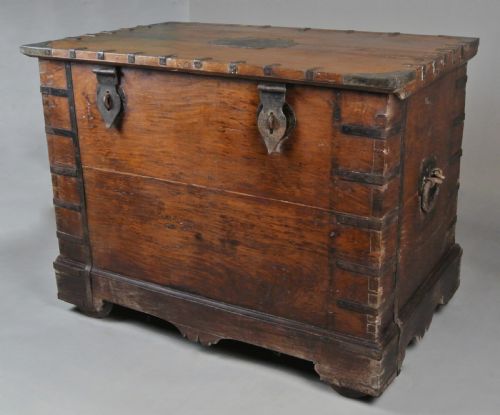
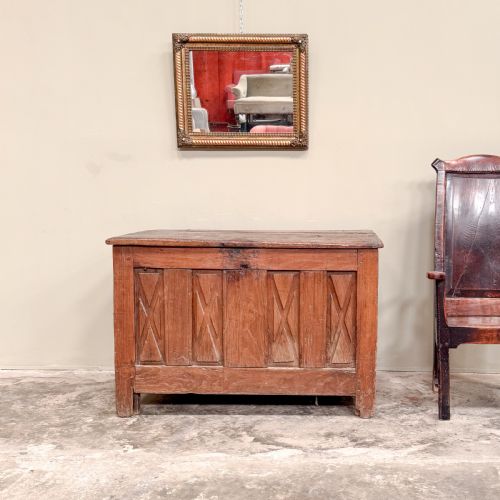
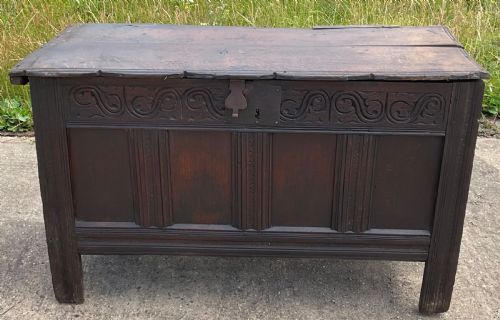
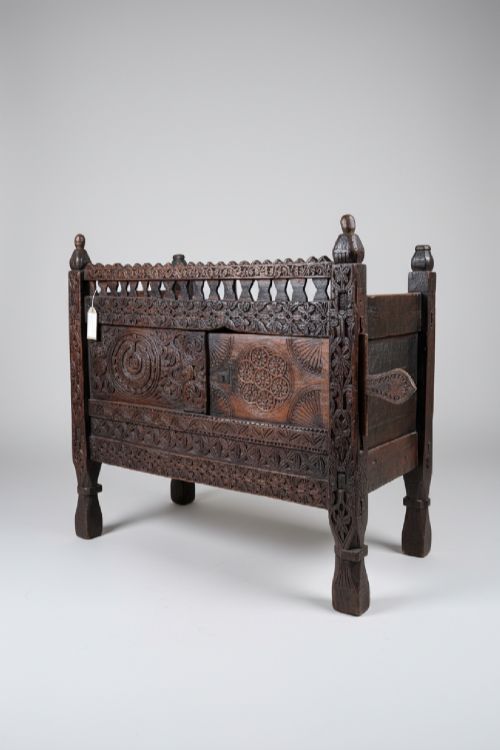
A carved timber chest encompasses domestic storage forms ranging from seventeenth-century oak coffers to nineteenth-century camphor wood trunks and dowry boxes. Buyers seeking a carved timber chest encounter diverse regional traditions, including Anglo-Indian, French Provincial, and Jacobean styles. These sturdy vessels served historically for safekeeping valuables, textiles, and provisions in homes across Europe and Asia.
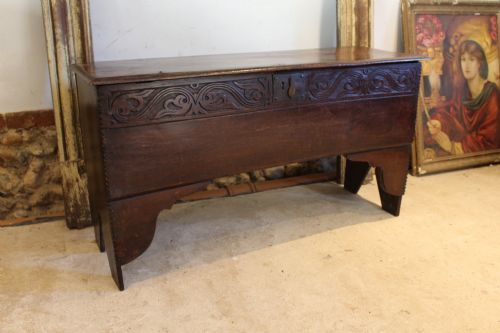
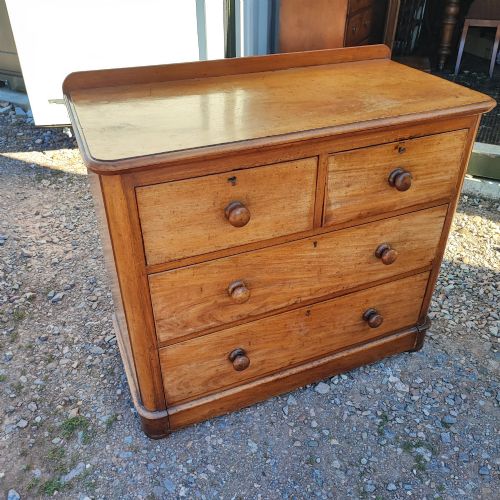
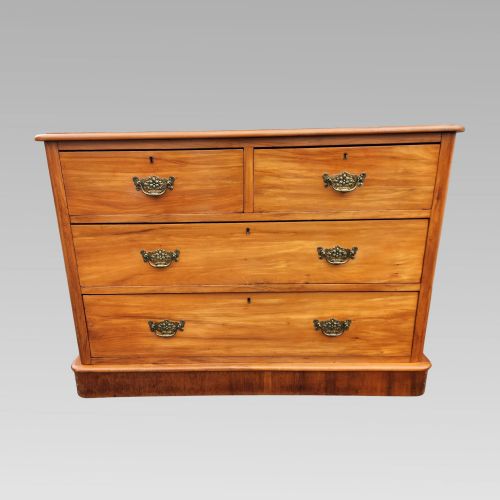
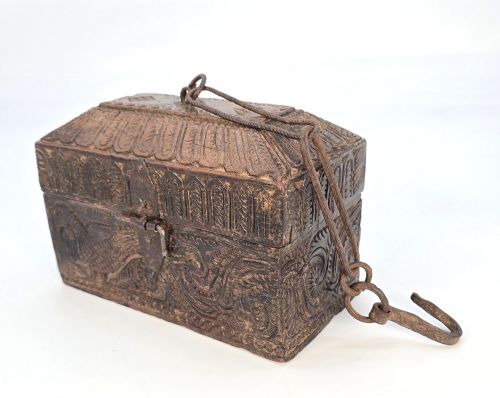
The selection on this page leans heavily toward solid timber construction, featuring materials like oak, teak, walnut, and camphor wood. Pieces originate from periods spanning the sixteenth century through to the early twentieth century. Forms include blanket chests, spice boxes, dowry coffers, and multi-drawer chests reflecting utilitarian origins.
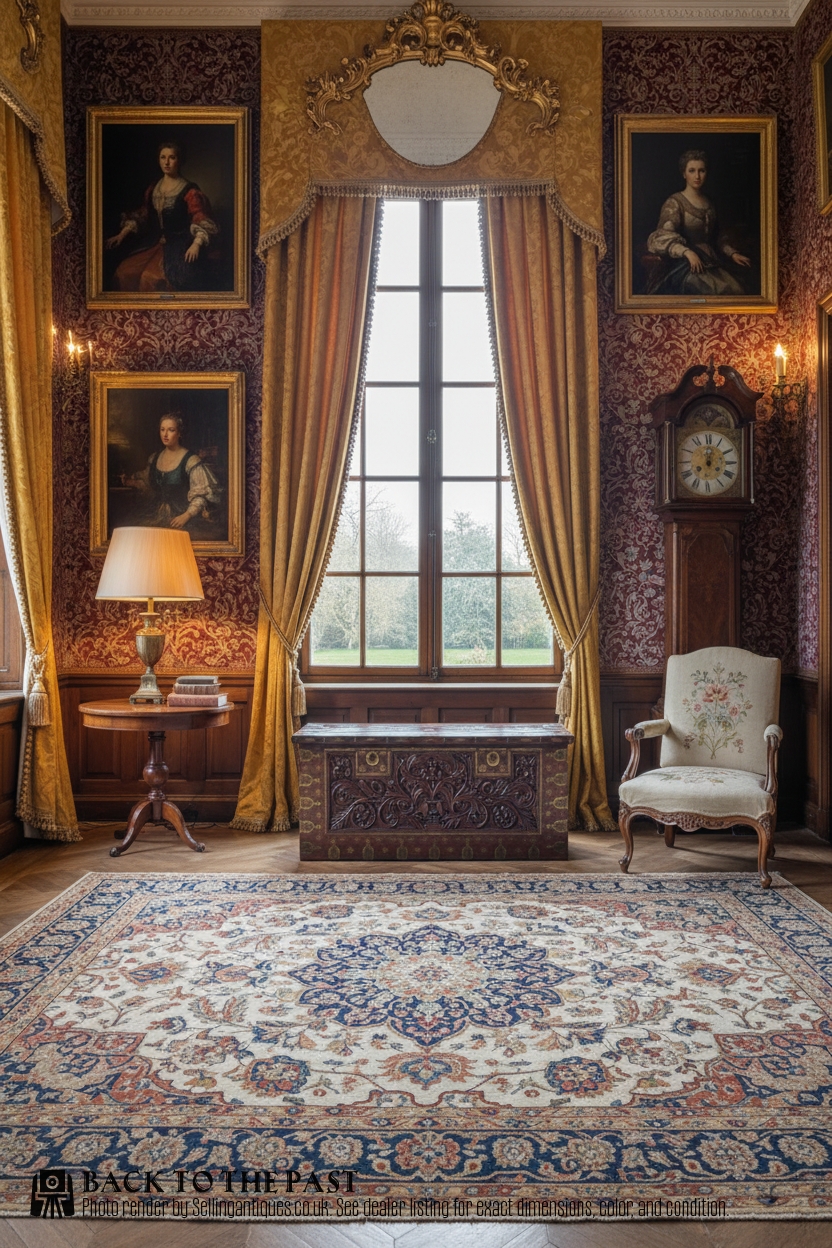
How they were made
Cabinetmakers and joiners utilised native and exotic timbers such as oak, mahogany, walnut, teak, and camphor wood, often reinforced with iron or brass hardware. Construction methods relied on traditional joinery, including six-plank assemblies and framed panels designed to accommodate seasonal wood movement. Surfaces received hand-carved ornamentation, ranging from geometric strapwork to elaborate floral motifs executed with chisels and gouges.
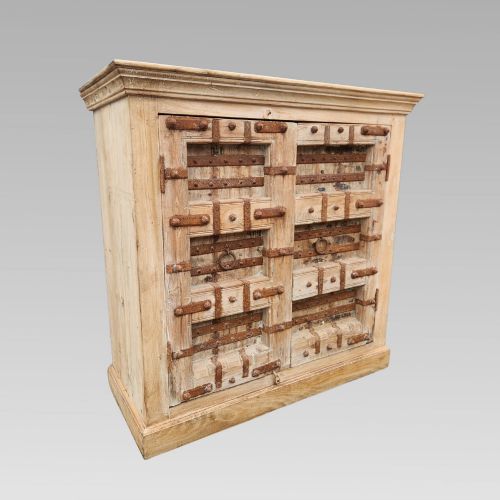
Regional workshops applied specific finishing techniques, from unadorned waxed timber to painted surfaces and metal banding. Iron hinges, locks, and corner braces provided structural integrity while adding functional contrast to the carved wooden bodies.
Carved Timber Chest Retail Price Guide 2026
Typical asking prices for carved timber chest among the pieces listed under this phrase on Sellingantiques today, from the lower quarter to the upper quarter. They describe what is for sale here now, not the wider market.
Listings feature oak, teak, walnut, mahogany, and camphor wood across periods spanning the seventeenth to the twentieth century.
What varies in quality
The standard of a carved timber chest depends on the depth and crispness of the hand-carving relative to the timber species utilised. Superior examples display confident, articulate toolwork that integrates harmoniously with the structural proportions of the box or coffer. Lesser examples often feature shallow, mechanical carving or uninspired ornamentation applied to generic timber blanks.
The integrity of the original construction, including period hinges, locks, and timber patination, distinguishes superior survivals from heavily altered pieces. Retaining original feet, lids, and interior compartments elevates a piece, whereas extensive timber replacement or unsympathetic modern repairs diminish historical cohesion.
The Carved Timber Chest Glossary
- Coffer
- A heavy wooden chest traditionally used for holding valuables, documents, or personal belongings. These sturdy containers often feature hinged lids and raised feet.
- Dowry chest
- A storage receptacle commissioned or acquired to hold the household linens, clothing, and wealth brought by a bride to her marriage. These pieces frequently display regional decorative carving specific to their origin.
- Joinery
- The method of connecting pieces of timber together without relying heavily on metal nails or screws. Traditional mortise and tenon joints typify older examples.
- Patina
- The surface sheen and colour developed by timber over decades of handling, exposure to light, and polishing. A deep patina indicates age and gentle use.
- Strapwork
- A decorative carving style mimicking intertwined leather straps or ribbons. It appears frequently on seventeenth-century panels.
Carved Timber Chest: Frequently Asked Questions
How are carved timber chests dated?
Dating relies upon evaluating the timber species, joinery techniques, and the style of the carving. Tool marks left by hand axes and saws offer clues regarding manufacturing eras.
Hardware components such as hand-wrought iron hinges or brass lock plates also help establish the period of manufacture when compared against documented examples.
Can I use a coffer as a coffee table?
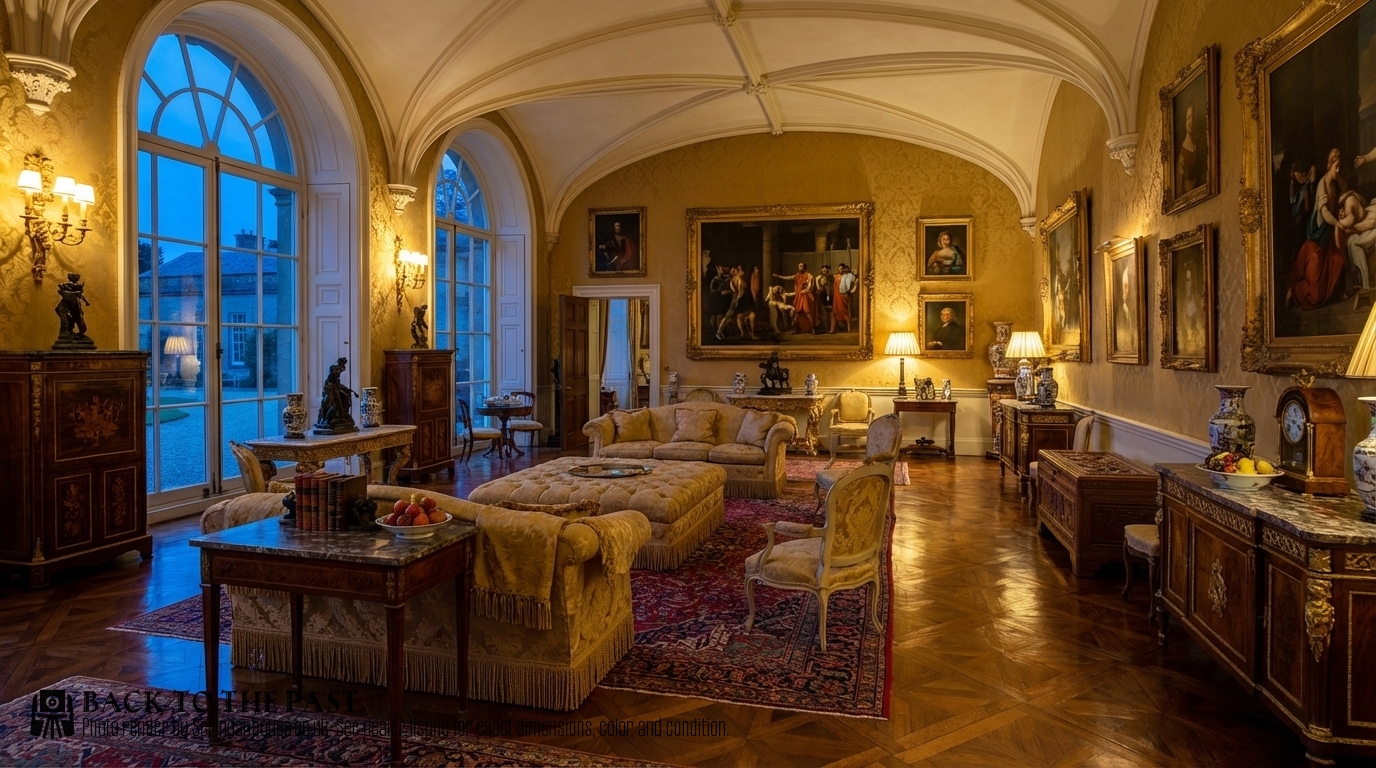
Many people place low coffers or blanket chests in living spaces to function as stable coffee tables. Their flat lids provide adequate surface area for books and trays while concealing clutter inside.
Ensuring the lid remains stable and supporting weight evenly prevents strain on historical hinges and timber joints.
What is a six plank chest?
A six plank chest represents one of the oldest and simplest forms of vernacular furniture construction. It consists of six principal boards joined at the edges to form a rectangular box.
Vertical boards often extend downwards to create integral feet, supporting the weight of the base panel between them.
How do I care for antique timber?
Maintaining antique timber involves keeping pieces away from direct heat sources and sudden temperature fluctuations that cause wood to split. Applying microcrystalline wax periodically preserves the surface shine without building up heavy residues.
Dusting regularly with a soft, dry cloth prevents particulate accumulation from scratching the delicate patination.