

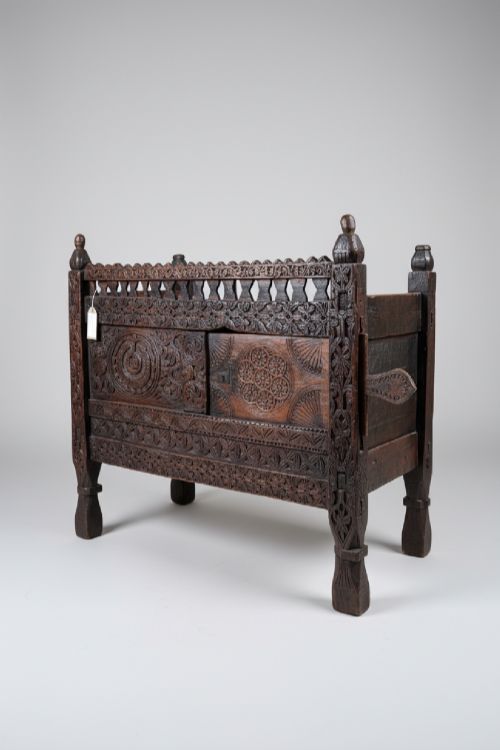
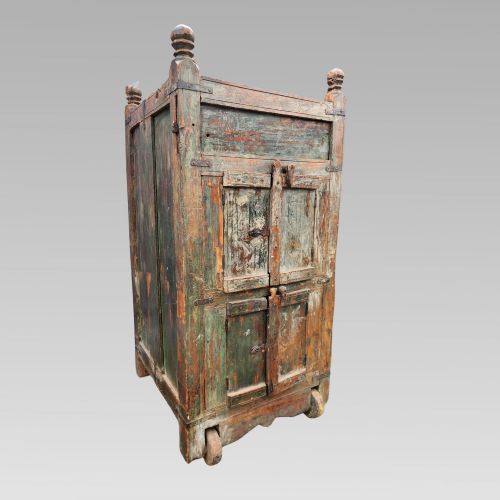
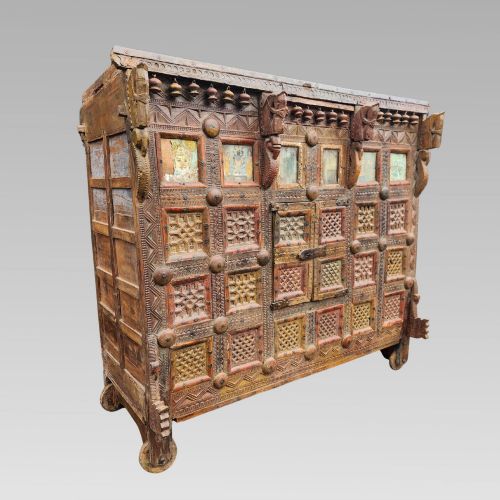
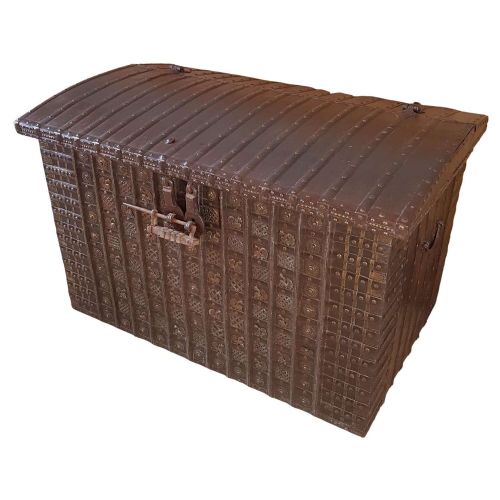


Indian Dowry Chest
An indian dowry chest brings heavy timber, brass studding, and regional folk carving straight into a room as a functional focal point.
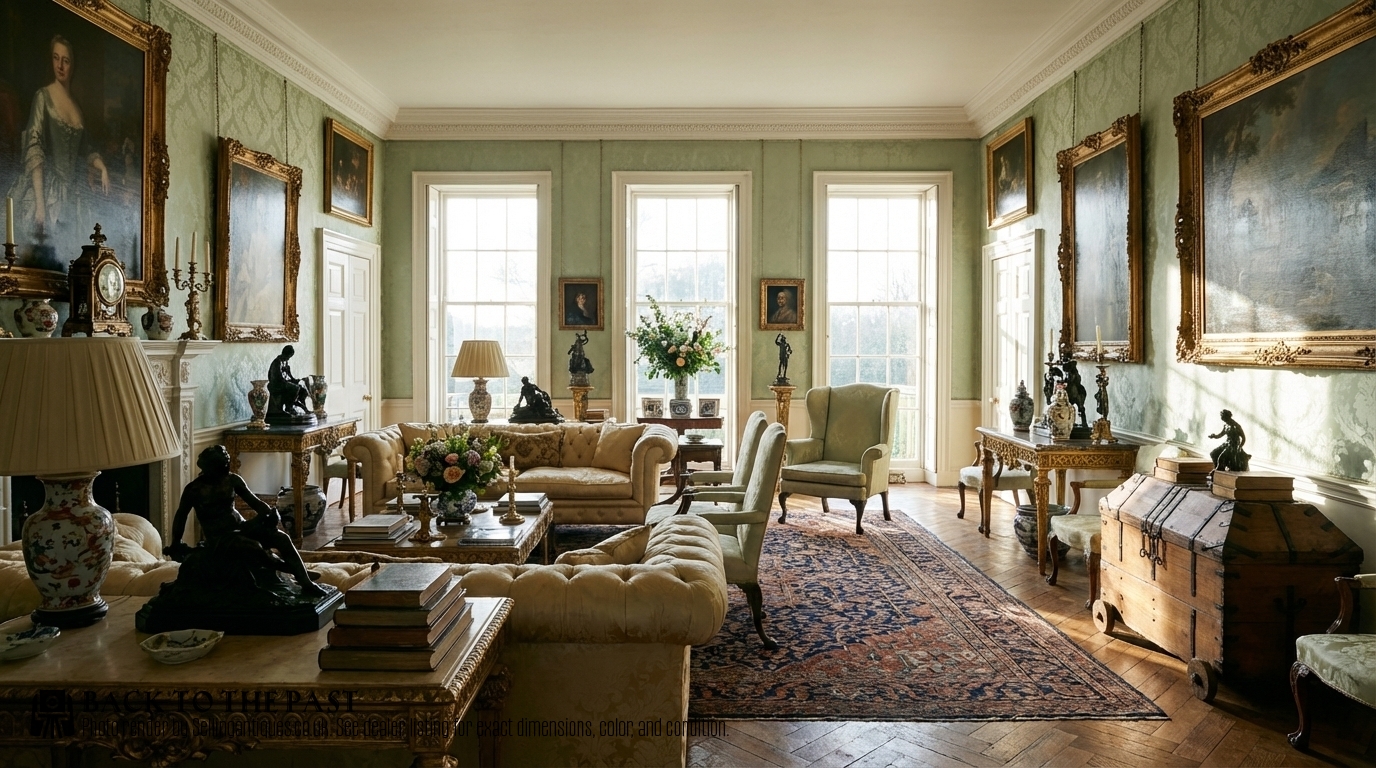
Indian Dowry Chest
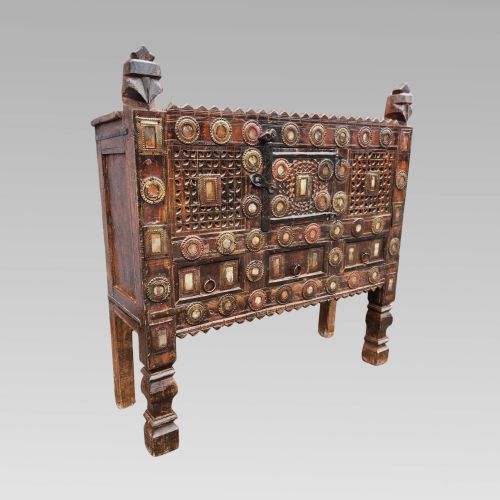
When you search for an indian dowry chest, you encounter sturdy storage forms ranging from monumental trunks to carved damchiya cabinets. These pieces arrive from distinct regional traditions including Rajasthan, Gujarat, and the Swat Valley, spanning the eighteenth and nineteenth centuries.
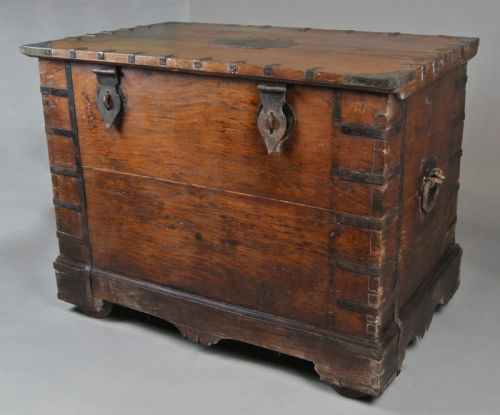
The most common examples on this page are nineteenth-century teak trunks and storage cabinets featuring iron banding or brass studding. Many take the form of heavy coffers or low marriage chests designed for household utility and decorative display.
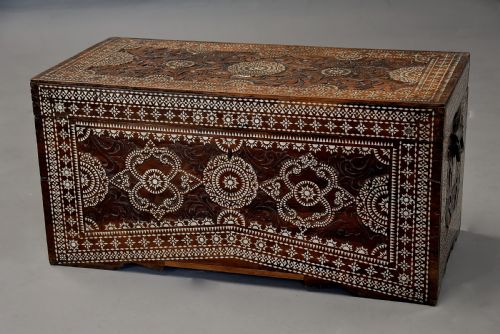
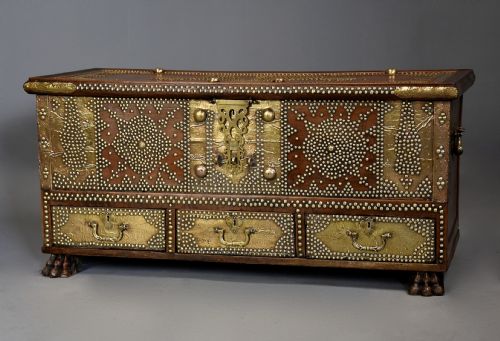
Alongside traditional Indian folk art styles, related pieces reflect cross-cultural influences such as Anglo-Indian design, colonial aesthetics, and nineteenth-century Zanzibar trading connections. Each region imparts specific structural traits, from polychrome painted surfaces to intricate mother-of-pearl inlay.
Materials and construction
These chests rely primarily on dense tropical timbers, predominantly teak and assorted regional hardwoods supplemented by cedar wood. Carpenters joined heavy planks using robust mortise and tenon techniques suited to holding substantial loads.
Structural reinforcement came from hand-beaten iron straps, corner brackets, and decorative brass studs driven deep into the timber. Surfaces often received hand-painted polychrome finishes, carved panels, or intricate mother-of-pearl inlay embedded directly into the wood.
Indian Dowry Chest Retail Price Guide 2026
Typical asking prices for indian dowry chest among the pieces listed under this phrase on Sellingantiques today, from the lower quarter to the upper quarter. They describe what is for sale here now, not the wider market.
Listings span the nineteenth century and incorporate materials including teak, iron, brass, hardwood, glass, mother-of-pearl, and cedar wood.
What separates the finest examples
Quality rests on the integrity of the original timber and the complexity of regional carving or metalwork. Pieces retain higher standing when their iron banding, brass hardware, and structural hinges remain intact and period-correct.
Surface preservation marks another division, distinguishing chests with undisturbed original painted finishes or mother-of-pearl inlay from those with heavy later repairs. The presence of specialised mechanisms like intricate native locks elevates certain trunk forms above standard utility boxes.
The Indian Dowry Chest Glossary
- Damchiya
- A traditional low storage cabinet or chest originating from rural western regions of India, often featuring heavily carved panels and recessed openings.
- Zanzibar chest
- A distinct form of trading chest characterised by heavy brass studding, decorative brass strapwork, and elaborate compartmentalised interiors.
- Polychrome
- A surface decoration technique utilising multiple distinct paint colours to cover wooden panels with figural or geometric motifs.
- Coffer
- A large box or chest traditionally used for holding valuables, textiles, or documents securely within a household.
- Anglo-Indian
- A descriptive term for objects produced in India under British colonial rule, combining local craftsmanship with European furniture forms.
Indian Dowry Chest: Frequently Asked Questions
What were these chests used for?
These chests served primarily to transport and store domestic valuables, household textiles, and personal goods assembled for a marriage.
Families utilised the heavy timber trunks to protect prized possessions from humidity, insects, and theft within the home.
How do I clean the wood?
Maintain the timber surfaces by dusting gently with a dry, soft cloth to prevent particulate accumulation in the carvings.
Avoid liquid cleaning products or aggressive polishes that might damage aged wax patinas, hand-painted finishes, or inlaid mother-of-pearl.
Where should I place one?
Position a large chest or cabinet in a living space where its heavy timber presence and metal banding can anchor the room.
Ensure the piece sits away from direct heat sources and strong sunlight to protect dry hardwoods and aged iron components from stress.
How do I date a chest?
Examine the construction methods, tool marks on the timber, and the style of iron or brass hardware to estimate the production period.
Regional carving characteristics and traditional finishing techniques also help differentiate eighteenth-century examples from later nineteenth-century pieces.