



Wooden Coffee Table Trunk
A wooden coffee table trunk bridges the gap between utilitarian storage and practical living room furniture, offering robust construction and character in equal measure.
Wooden Coffee Table Trunk
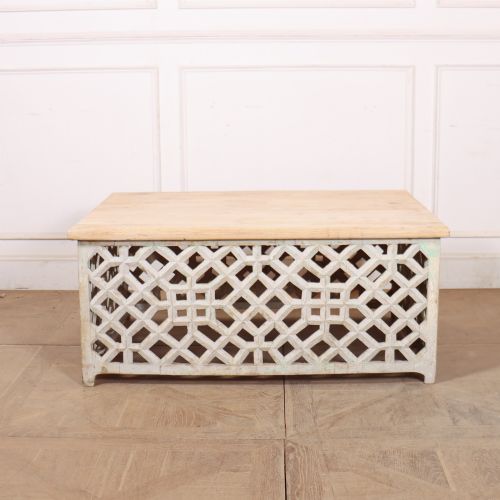
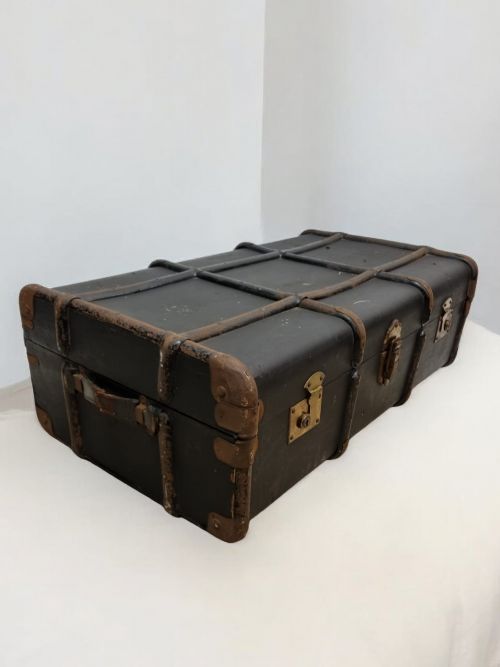
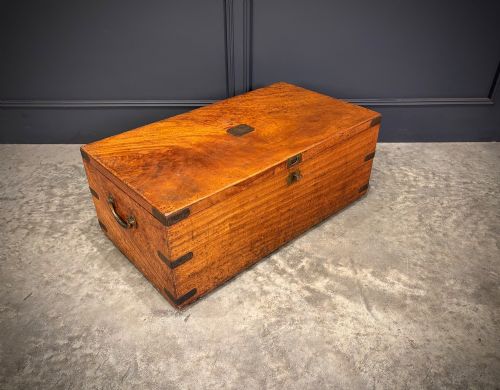
When searching for a wooden coffee table trunk, buyers encounter versatile storage pieces that transition seamlessly from historical travel chests and blanket boxes into functional low tables. These items serve a dual purpose in modern interiors, providing concealed interior capacity beneath a stable surface suited for everyday domestic use.
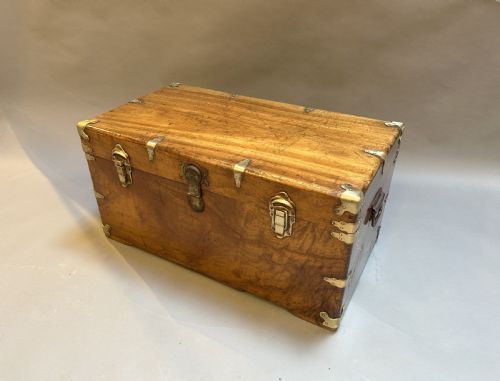
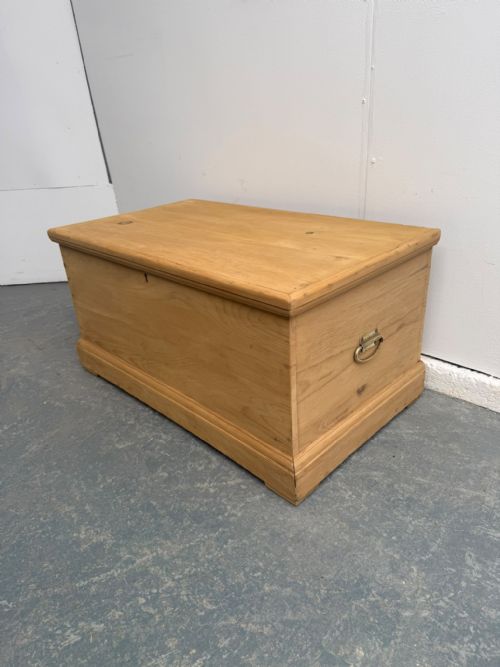
The selections available span periods from the eighteenth century through the early twentieth century, incorporating robust campaign furniture, colonial chests, and country pine boxes. Victorian pitch pine and nineteenth-century camphor wood examples dominate the offerings, frequently adapted to sit at the precise height required for a coffee table.
Regional variations include Anglo-Indian and Chinese pieces alongside European travel luggage and rustic country boxes. These forms bring distinct proportions and historical utility into contemporary spaces without losing their original architectural integrity.
Materials and Construction Methods
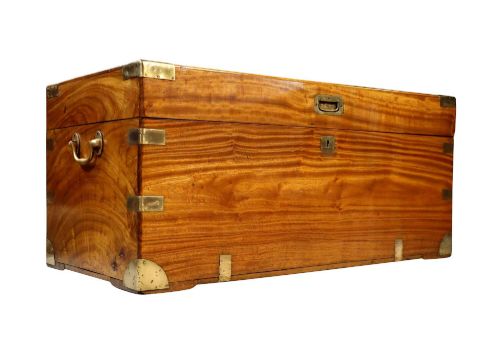
Makers utilised durable timbers such as camphor wood, teak, mahogany, walnut, and pitch pine to withstand the rigours of travel and domestic storage. Camphor wood provided natural insect-resistant properties, making it ideal for storage chests, while dense hardwoods offered structural longevity.
Metal reinforcement played a critical role in construction, with brass corners, iron hasps, studs, and bound edges protecting vulnerable seams. These functional metal mounts define the aesthetic character of campaign and travel trunks, secured by hand through traditional joinery and fastening techniques.
Several trunks preserve secret drawers hidden within their interiors, designed centuries ago to outsmart sticky-fingered cabin mates and curious travellers.
Assessing Quality and Character
Quality rests upon the integrity of the original hardware, the grain and condition of the timber, and the preservation of authentic surface patination. Pieces retaining their original brass binding, functional locks, and internal compartments command greater appreciation among collectors.
Proportion and structural conversion dictate suitability as a coffee table, where stability and appropriate height matter most. Examples that retain their authentic character without heavy structural compromise present the most desirable balance of history and utility.
The Wooden Coffee Table Trunk Glossary
- Campaign trunk
- A portable chest made for military use during the eighteenth and nineteenth centuries, typically featuring recessed brass handles and reinforced corners for transit.
- Zanzibar chest
- A heavy timber storage chest characterised by intricate brass studwork, straps, and central coinage motifs, originating from trade routes along the East African coast.
- Camphor wood
- An aromatic hardwood valued for its insect-repellent properties and distinct grain, frequently utilised in nineteenth-century maritime and colonial furniture.
- Blanket box
- A deep wooden chest designed originally for storing textiles and linens, often constructed from pine or regional hardwoods with a hinged lid.
- Steamer trunk
- A lower-profile travel trunk developed in the late nineteenth and early twentieth centuries to fit beneath cabin berths on ocean liners.
Wooden Coffee Table Trunk: Frequently Asked Questions
Can any old trunk work as a coffee table?
Most antique trunks require careful assessment of their height and top stability before serving as a coffee table. Many nineteenth-century travel chests and blanket boxes sit at an appropriate low proportion naturally or can be adjusted safely.
Buyers should evaluate the flatness of the lid surface and the internal structural bracing to ensure the piece supports daily living room use without compromising the historic timber.
How do I identify a campaign trunk?
Campaign trunks are distinguished by flush-fitting brass handles, reinforced corners, and robust timber construction designed for military transportation. These pieces often feature sectional construction or maker plates indicating travel origins.
The inclusion of brass binding and secure locking mechanisms points directly to utilitarian pieces built for durability during nineteenth-century colonial service.
What is the difference between pine and camphor trunks?
Pine trunks are typically domestic European or American pieces used for household storage, often featuring painted finishes, dovetailed joints, or waxed surfaces. They offer a rustic country aesthetic suited to varied interior schemes.
Camphor wood trunks are denser, aromatic chests associated with maritime trade and colonial environments. Their natural oils preserved textiles and provided a distinct appearance compared to standard European softwoods.
How do I care for a waxed wooden trunk?
Maintaining a waxed wooden surface involves applying traditional beeswax periodically to nourish the timber and prevent the grain from drying out. Avoid placing antique trunks in direct sunlight or near heat sources to protect the wood from warping.
Gentle dusting with a dry cloth preserves the historical patination and protects the original brass mounts and iron hardware from unnecessary moisture exposure.