



Wooden Sea Chest
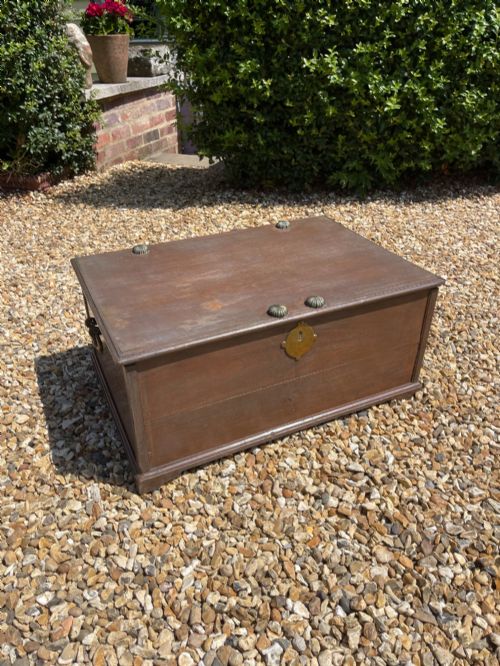
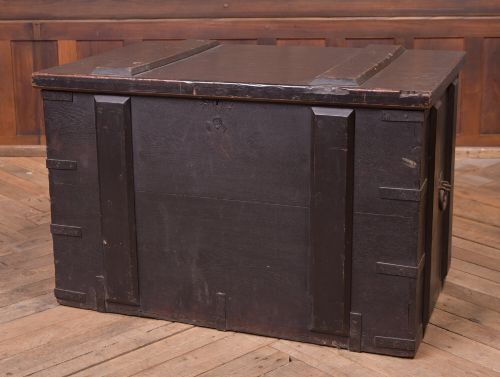
A wooden sea chest brings the sturdy utility of the oceans into a room, offering robust storage built to endure long voyages.
Wooden Sea Chest
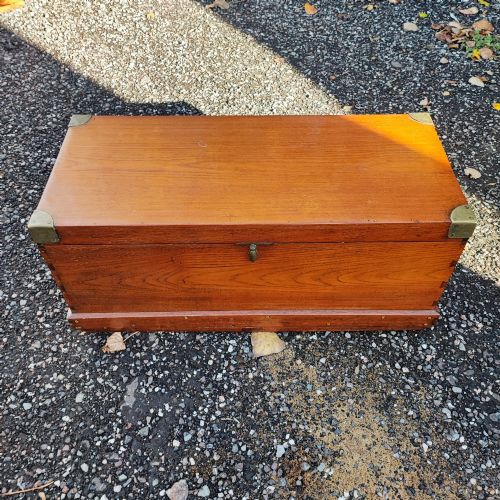
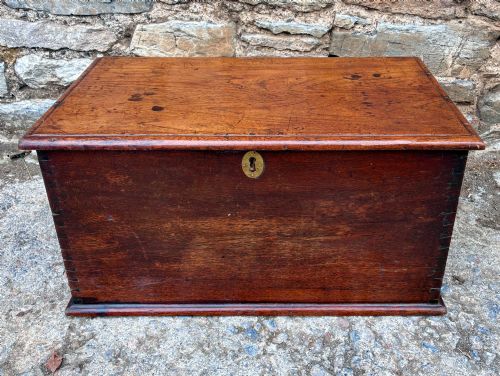
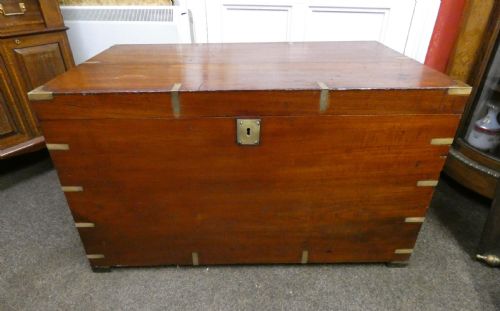
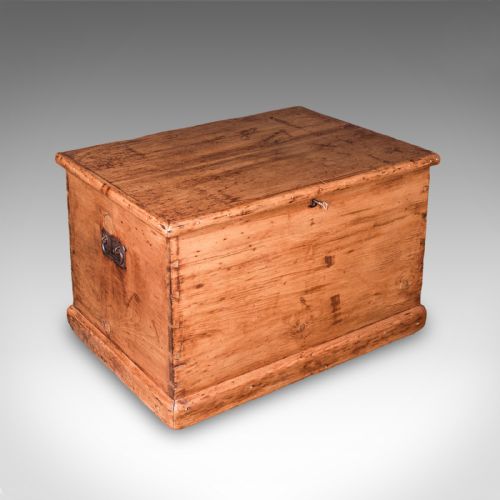
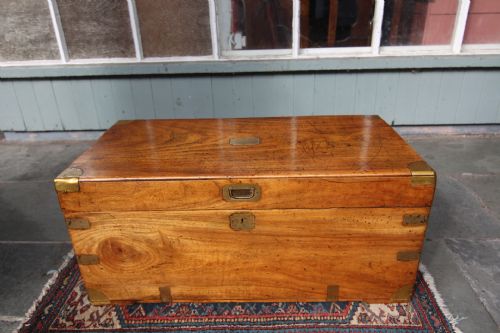
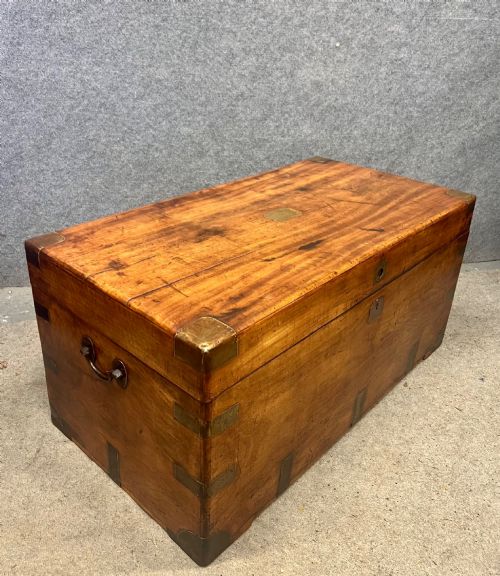
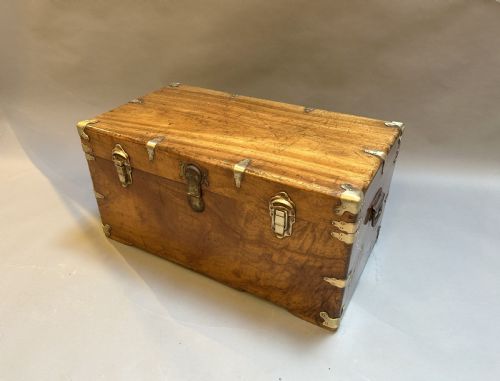
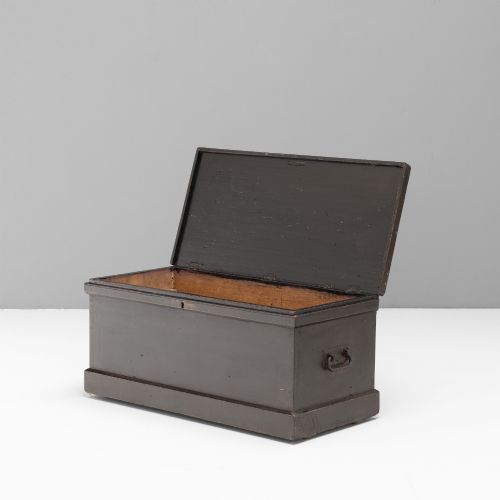
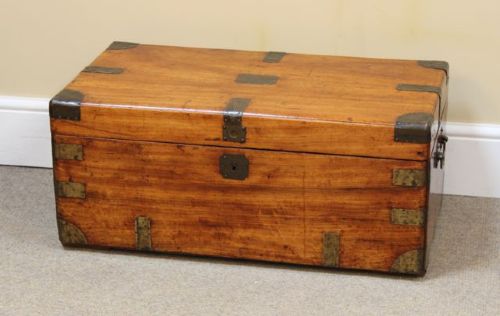
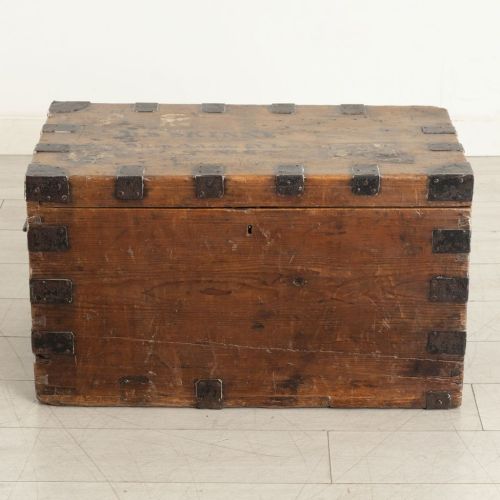
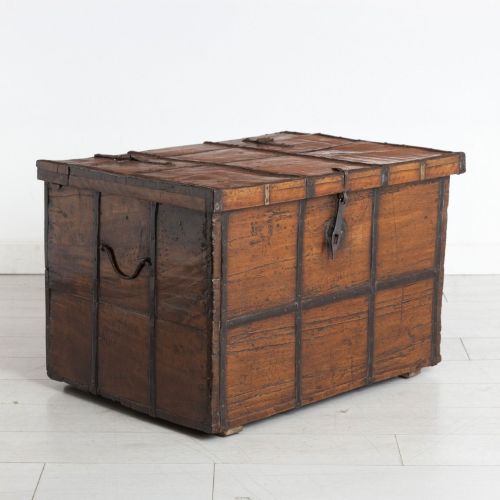
The most common examples on this page are constructed from fragrant camphor wood or durable teak, frequently reinforced for military or maritime campaigns. Other variants include painted pine travel trunks and iron-bound chests suited for domestic or shipboard use.
How they were made
Constructed primarily from sturdy timbers such as camphor wood, teak, mahogany, and pine, these chests relied on dense materials capable of withstanding harsh maritime conditions. Cabinetmakers joined panels securely to protect contents from moisture and heavy handling during transit.
Metal hardware played a crucial role in reinforcing the structure. Brass corners, binding straps, and iron mounts were fitted closely to the wood, providing both structural strength and protection against impacts.
Wooden Sea Chest Retail Price Guide 2026
Typical asking prices for wooden sea chest among the pieces listed under this phrase on Sellingantiques today, from the lower quarter to the upper quarter. They describe what is for sale here now, not the wider market.
Several trunks carry the ghosts of past campaigns, including a Waterloo commissary general and regiments who sailed to the Boer War.
What varies in quality
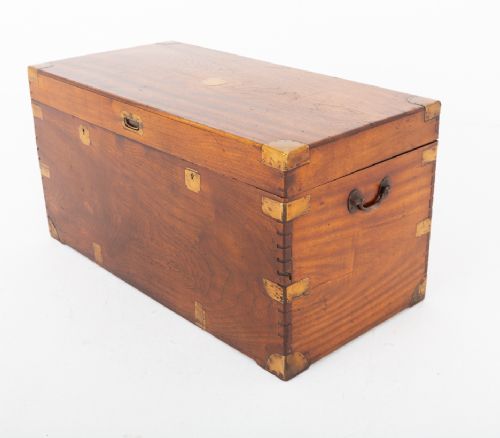
The distinction between standard utility boxes and finer examples rests upon the grade of timber selected and the precision of the metalwork. Superior chests often utilise solid camphor wood or dense teak, joined with tight dovetails that endure decades of use.
Hardware execution further separates the categories, as high-grade pieces feature heavy brass binding, original recessed drop handles, and functional locks with keys. Original painted surfaces or well-preserved natural timber patination also elevate the standing of a piece.
The Wooden Sea Chest Glossary
- Campaign trunk
- A portable chest designed for military officers on active service, featuring recessed handles and protective metal corners for easy transport.
- Camphor wood
- An aromatic hardwood native to Asia, frequently utilised for sea chests because its natural scent repels insects.
- Brass bound
- A method of reinforcing chest edges and corners with metal strips to withstand heavy handling during travel.
- Dovetail
- A traditional interlocking woodworking joint that secures the corners of a box with high tensile strength.
- Tansu
- A traditional style of Japanese mobile cabinetry and storage chest, often built in sections for travel.
Wooden Sea Chest: Frequently Asked Questions
How were wooden sea chests used?
These chests served as primary luggage and storage for sailors, soldiers, and travellers during long voyages across the sea. They held uniforms, personal belongings, and valuables securely within cabins or tents.
Over time, they transitioned from functional travel gear into permanent household furnishings, utilised for storing blankets, linens, and keepsakes in living spaces.
How do I clean camphor wood?
Clean the exterior gently with a soft, slightly damp cloth to remove dust without damaging the timber or original patination. Avoid harsh chemical cleaners that might strip the natural oils and aroma from the wood.
If the characteristic scent has faded inside the chest, lightly sanding the interior unsealed surfaces can help revive the natural fragrance of the camphor.
Can I use a sea chest as a coffee table?
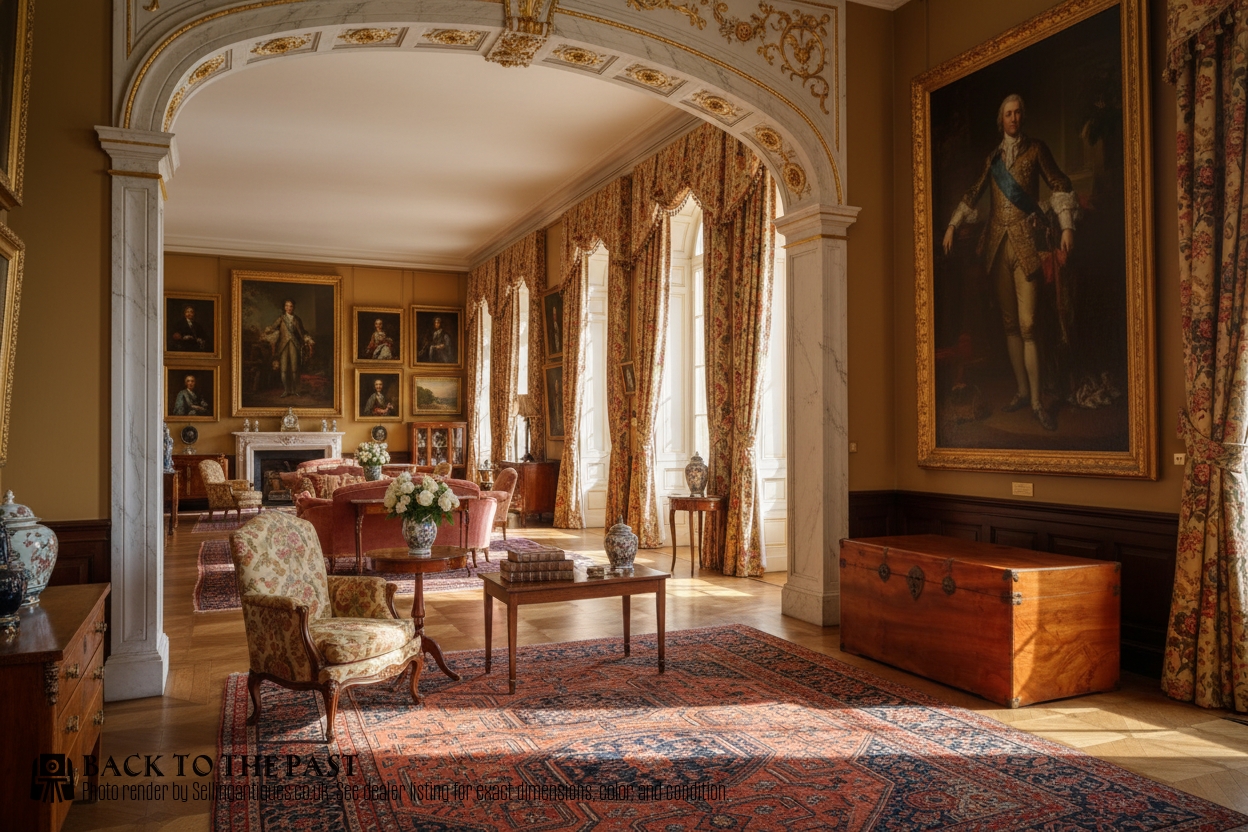
Many buyers repurpose these sturdy chests as living room centrepieces that double as concealed storage for books and blankets. Their flat lids and robust wooden construction suit daily use within a modern interior.
Ensure the height and dimensions match your seating arrangements before placing items permanently on the surface, protecting the vintage finish with appropriate coasters or trays.
How do I date a campaign chest?
Dating relies on examining the construction methods, timber types, and the style of the brass hardware used on the corners and handles. Nineteenth-century examples often display specific military associations or maker details inscribed on brass plaques.
Hand-cut dovetails and older fastening techniques typically indicate eighteenth or early nineteenth-century origins, whereas later Victorian pieces utilise more standardised machine-cut elements.