

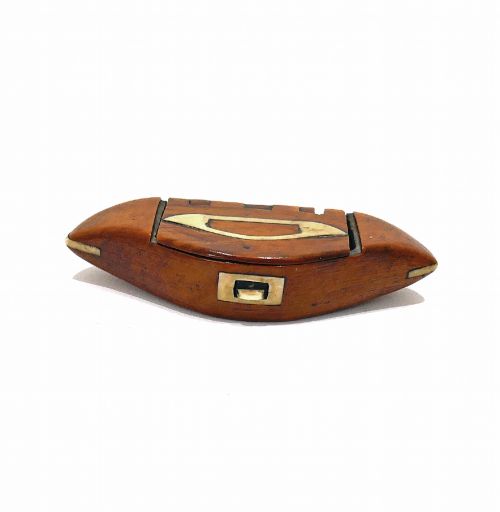


Bone Inlay Box
Bone inlay box pieces are intricate vessels crafted across various global traditions, offering a tactile focal point for any room.
Bone Inlay Box
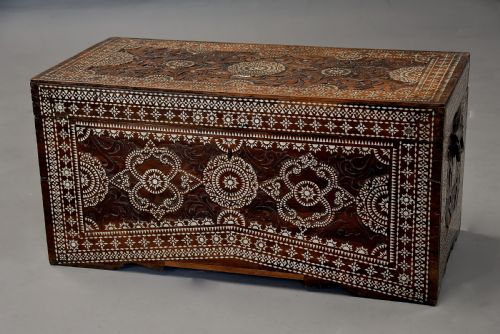
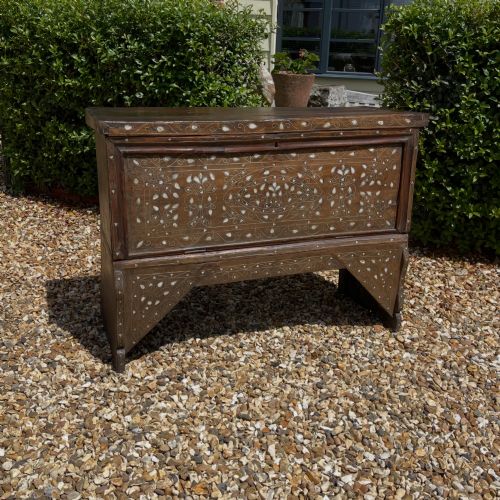
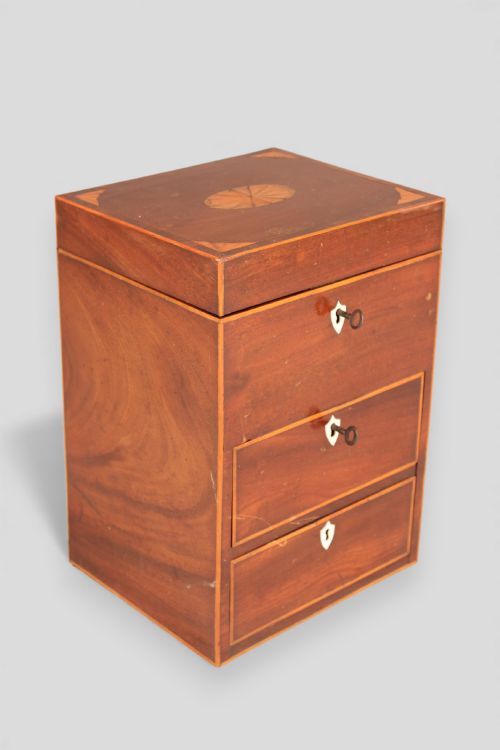
When you search for a bone inlay box, you encounter a diverse range of vessels spanning the Georgian, Victorian, and early twentieth-century periods. These containers appear in forms such as small snuff boxes, tea caddies, stationery boxes, and larger trunks or chests originating from traditions like Anglo-Indian, Syrian, and Ottoman workshops.
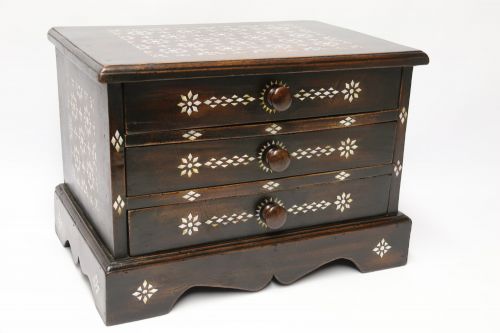
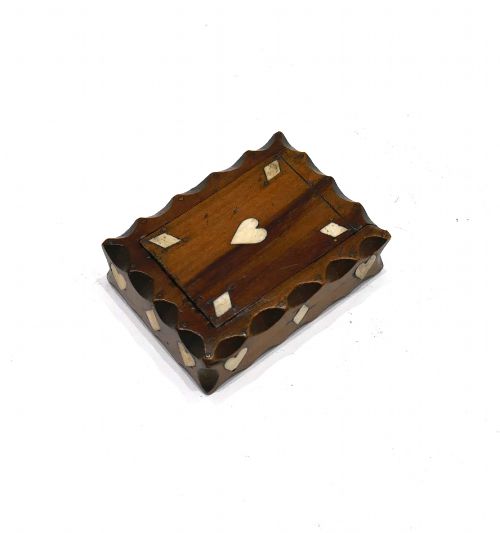
You are most likely to meet nineteenth-century examples on this page, particularly Anglo-Indian work or small treen fruitwood snuff boxes decorated with geometric bone shapes. The materials combined with bone include hardwoods like ebony, rosewood, mahogany, and walnut, alongside quill work and mother-of-pearl.
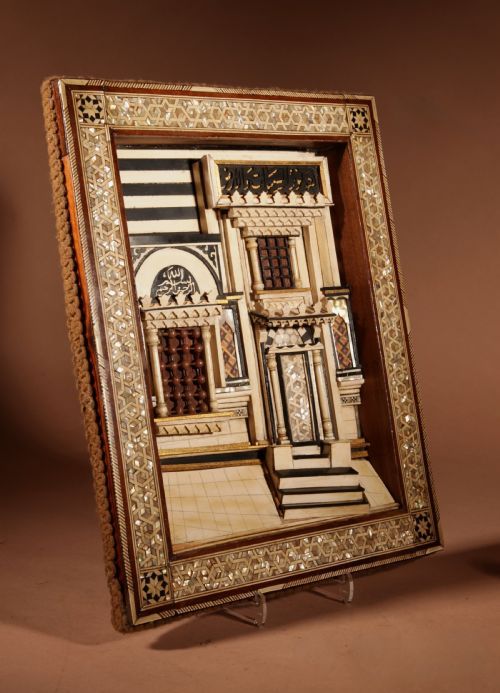
The objects serve varied functions, ranging from personal vanity items like jewellery boxes and writing slopes to architectural dioramas and larger decorative chests. Each piece reflects the specific decorative vocabulary of its origin, whether through intricate mosaic work or folk art diamond patterns.
How they were made
Maker's hands combined durable timbers such as rosewood, ebony, mahogany, and fruitwood with precisely cut segments of bone, ivory, and horn. The foundations consist of solid woods or veneers applied to a hardwood core, providing stability for the detailed surface decoration.
Artisans secured the thin bone elements into carved recesses within the wood, often utilising contrasting dark woods like ebony to highlight the whiteness of the material. Specialised techniques such as Sadeli mosaic work involved bundling micro-mosaics of bone, metal, and coloured materials before slicing them into thin sheets for application.
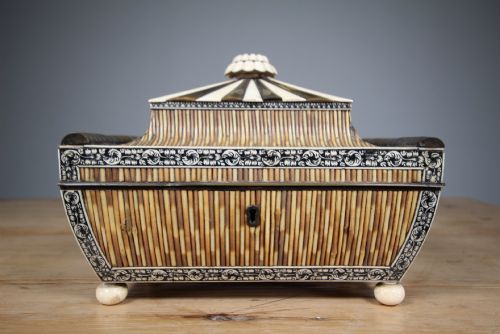
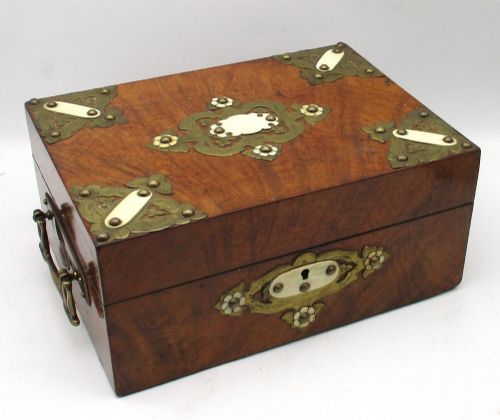
Additional embellishments included brass fittings, porcupine quill work, and relief carvings that framed the inlaid geometric or floral motifs. The construction relies on traditional joinery appropriate to each period, from Georgian tea caddies to Victorian table caskets.
Listings feature pieces spanning the Georgian, Regency, Victorian, and early twentieth-century periods, constructed from woods like ebony, rosewood, and hardwood.
What varies in quality
The precision and complexity of the inlay work distinguish standard production from exceptional examples, particularly in techniques like Sadeli mosaic where the geometric alignment demands immense skill. Finer pieces demonstrate tight integration between the bone elements and the surrounding hardwood or ebony ground without excessive filler.
Material selection plays a primary role in quality, with dense timbers like coromandel, ebony, and partridge wood elevating the status of a piece compared to common fruitwoods. The integrity of the overall form, from sarcophagus-shaped tea caddies to architectural dioramas, dictates the aesthetic success of the object.
The preservation of the delicate bone veneers and micro-mosaic elements intact determines the desirability of a piece. Subtle variations in the carving depth of the surrounding wood and the crispness of geometric shapes like diamonds and hearts separate master craftsmanship from simpler folk art.
The Bone Inlay Box Glossary
- Sadeli
- A micro-mosaic technique native to Western India. Craftsmen assemble intricate geometric patterns using rods of bone, metal, and coloured materials.
- Vizagapatam
- A coastal city in India known for luxury export items. Workshops here specialised in boxes veneered with ivory, bone, horn, and porcupine quill.
- Sarcophagus
- A box shape featuring a domed or sloping lid reminiscent of an ancient stone coffin. Regency and Victorian makers frequently used this silhouette for tea caddies and sewing boxes.
- Khatamkari
- A Persian technique of marquetry and inlay. Artisans decorate wooden surfaces with delicate geometric motifs formed from bone, wood, and metal wire.
Bone Inlay Box: Frequently Asked Questions
What is a bone inlay box?
A bone inlay box is a decorative container surface-decorated with small pieces of carved bone, often arranged in geometric patterns. These vessels range from small nineteenth-century snuff boxes to larger Anglo-Indian stationery chests.
Craftsmen set the bone into recesses within hardwoods like rosewood, ebony, and mahogany. The tradition spans multiple regions, including British colonial workshops and Middle Eastern centres.
How were antique inlay boxes used?
These boxes served practical storage functions for valuable household items and personal accessories. Tea caddies preserved expensive tea leaves, while writing slopes provided a portable desk surface.
Smaller examples functioned as snuff boxes or needlework containers. Larger trunks and chests stored documents, textiles, and precious trinkets.
How do I date a bone inlay box?
Dating relies on identifying the underlying wood species, construction methods, and regional style associated with specific periods. Georgian and Regency pieces often feature mahogany or partridge wood with restrained inlay.
Victorian and later nineteenth-century examples frequently display dense multi-material veneers like porcupine quill, horn, and complex Sadeli mosaic work. Documentation or stylistic parallels help narrow the manufacturing era.
How do I care for bone inlay?
Maintain stable environmental conditions away from direct sunlight and extreme humidity fluctuations to prevent the wood and bone from warping. Gentle dusting with a dry, soft cloth preserves the surface without introducing moisture.
Avoid chemical polishes that might seep into the joints or discolour the bone elements. Minimal handling preserves the delicate micro-mosaics and raised veneers.