

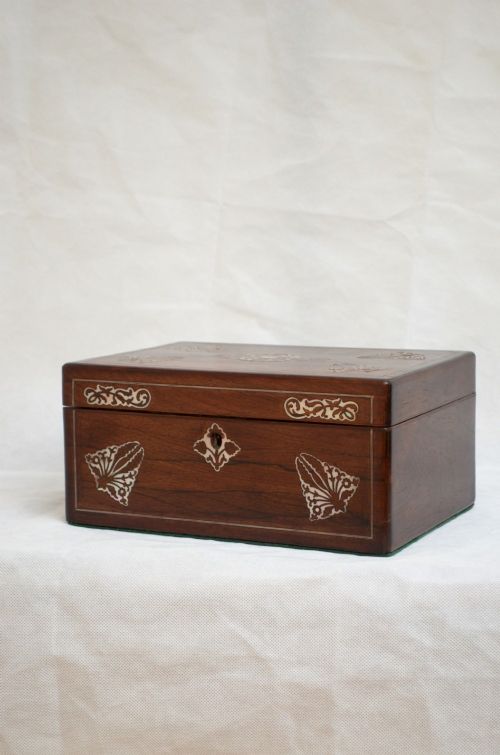
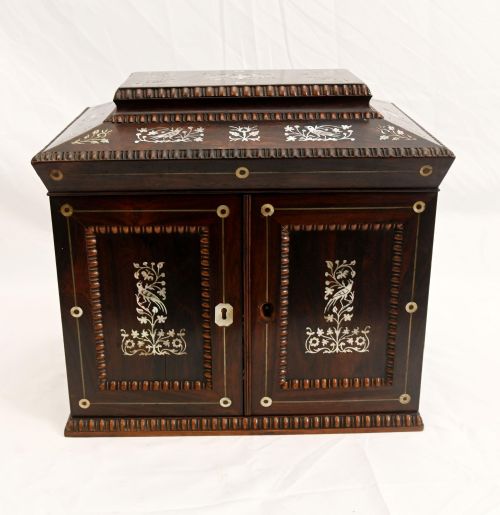


Inlaid Wood Trinket Box
An inlaid wood trinket box brings together careful cabinetwork and decorative marquetry for holding small personal treasures.

Inlaid Wood Trinket Box
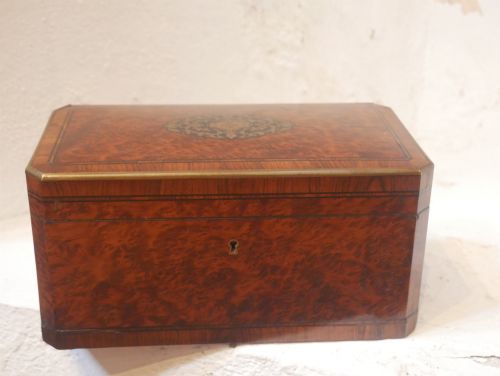
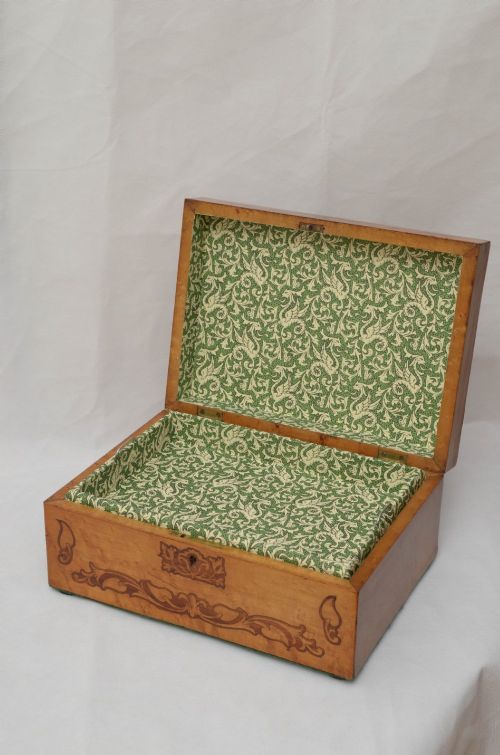
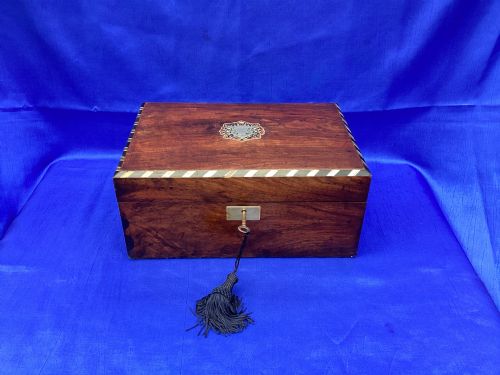
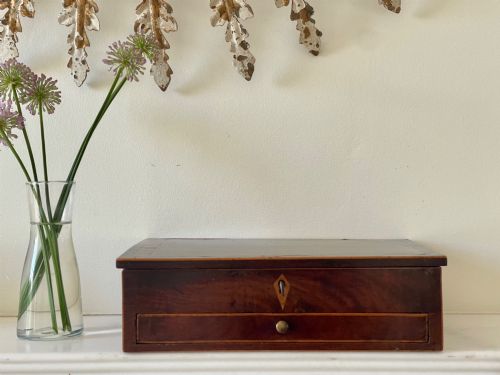
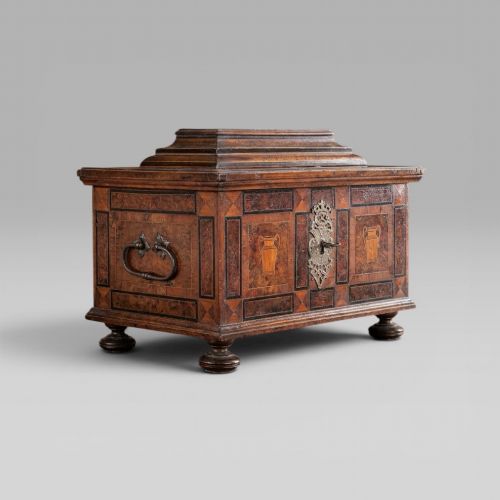
When you search for an inlaid wood trinket box, you encounter pieces designed to hold jewellery, snuff, tea, or keepsakes. The selection spans the Georgian, Regency, and Victorian periods, with many items originating from the nineteenth century. These objects function as small storage receptacles shaped like caskets, cabinets, and book-form cases.
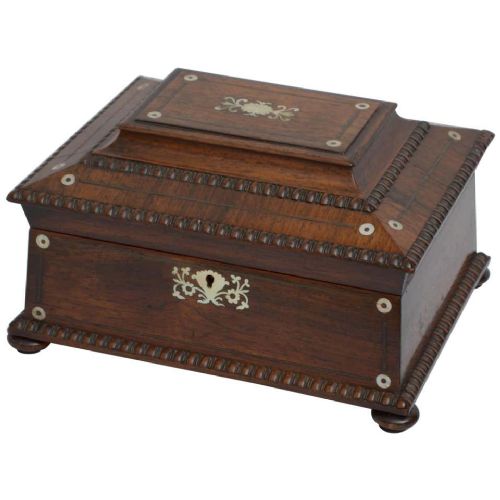
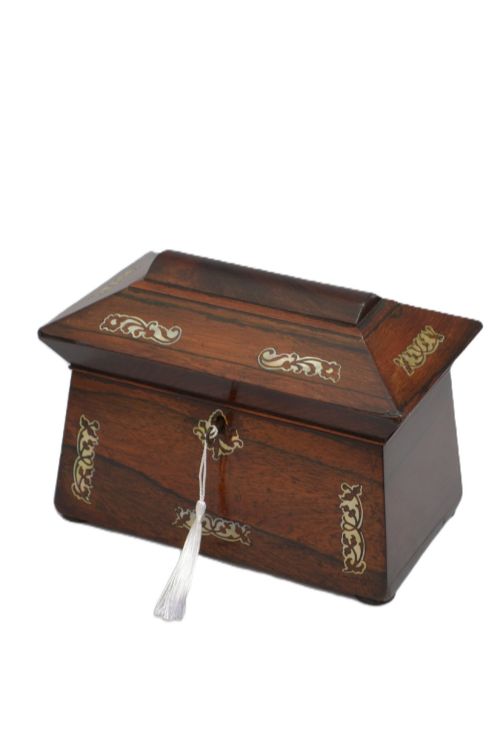
Rosewood and mahogany form the basis for many examples, paired with contrasting timbers like boxwood, tulipwood, and sycamore. Decorative treatments include mother of pearl, brass inlay, and intricate parquetry or marquetry. Makers applied these techniques to produce items that served both utilitarian and decorative purposes on parlour tables and dressing chests.
Materials and construction
Cabinetmakers utilised hardwoods such as rosewood, walnut, mahogany, and exotic timbers like amboyna and coromandel. These woods provided a stable carcase for intricate surface decoration and handled the application of contrasting veneers with precision.
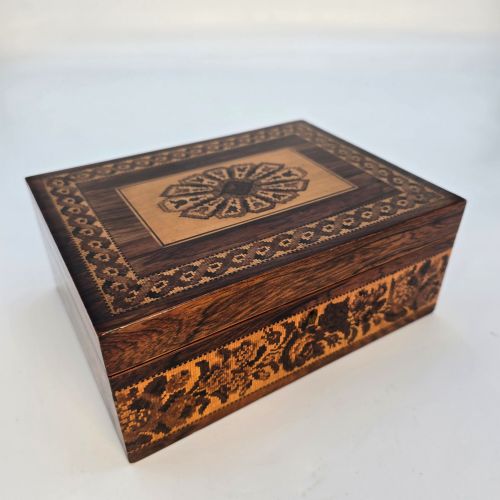
Specialised techniques include Tunbridge ware mosaic work, marquetry picture panels, and brass stringing. Artisans embedded mother of pearl and boxwood directly into the timber surface to create geometric patterns and floral motifs.
Inlaid Wood Trinket Box Retail Price Guide 2026
Typical asking prices for inlaid wood trinket box among the pieces listed under this phrase on Sellingantiques today, from the lower quarter to the upper quarter. They describe what is for sale here now, not the wider market.
Current listings feature specimens from the Georgian, Regency, and Victorian eras constructed in rosewood, mahogany, and walnut.
Distinctions in quality
Quality rests in the precision of the inlay work and the selection of figured timbers. Superior pieces display tightly fitted parquetry, crisp brass stringing, and well-chosen veneers of burr walnut, rosewood, or bird's eye maple.
Internal arrangement contributes to distinction. Higher grade examples retain fitted trays, compartments, original velvet or silk linings, and working locks with matching keys.
Tahan Paris·Edmund Nye
The Inlaid Wood Trinket Box Glossary
- Marquetry
- The art of forming decorative patterns by fitting together small pieces of veneer. Artisans shaped various coloured woods to create pictorial scenes or geometric designs.
- Tunbridge Ware
- A form of woodwork produced in Kent featuring mosaic designs made from thousands of tiny wood blocks. These blocks formed detailed architectural or floral images without paint.
- Parquetry
- Geometric mosaic woodwork used for floors and box lids. It relies on contrasting angular wooden tiles to form repeating patterns.
- Mother of Pearl
- The iridescent internal layer of mollusk shells used for inlay. Craftsmen cut thin sections to provide luminous contrast against dark rosewood or mahogany.
- Stringing
- Thin lines of contrasting wood or metal inlaid into grooves on a box surface. This technique outlines panels and defines structural edges.
Inlaid Wood Trinket Box: Frequently Asked Questions
What were inlaid wood trinket boxes used for?
These boxes held valuable personal items such as rings, brooches, coins, and correspondence on dressing tables and writing desks. Their compartments kept delicate pieces separated and protected from dust.
They also functioned as decorative objects in formal rooms, demonstrating the owner's taste through fine materials and intricate craftsmanship.
How do I identify a Regency period box?
Regency pieces often display classical architectural proportions combined with bold brass inlay or brass stringing. The timbers frequently include dark rosewood or figured mahogany.
Such boxes generally date from the early nineteenth century and reflect the neoclassical design influences of that era.
What is Tunbridge ware?
Tunbridge ware involves miniature mosaic decoration created from numerous tiny blocks of naturally coloured British woods. These are assembled to form detailed geometric or pictorial scenes.
Pieces bearing this work usually originate from the nineteenth century and highlight exceptional patience in woodworking.
How should I care for antique wood boxes?
Keep wooden boxes away from direct sunlight and sudden temperature shifts to prevent the veneer from drying or lifting. Maintain a stable indoor environment.
Apply a minimal amount of appropriate wax polish occasionally to nourish the timber surface without damaging the historic finish.