


19th Century Indian Box
These pieces are a 19th century indian box, offering durable storage and intricate craftsmanship for collectors of colonial furnishings.
19th Century Indian Box
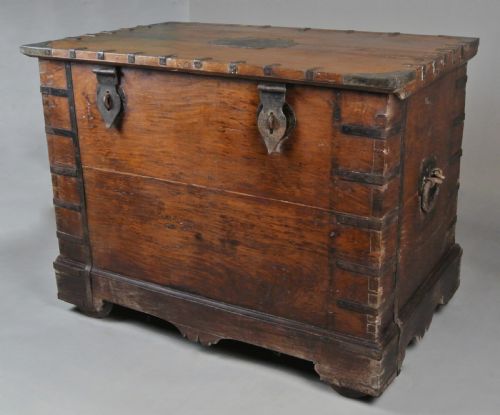
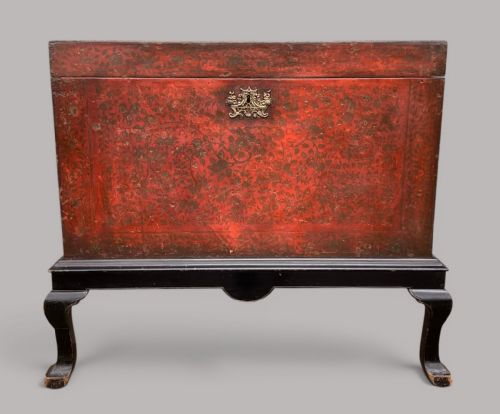
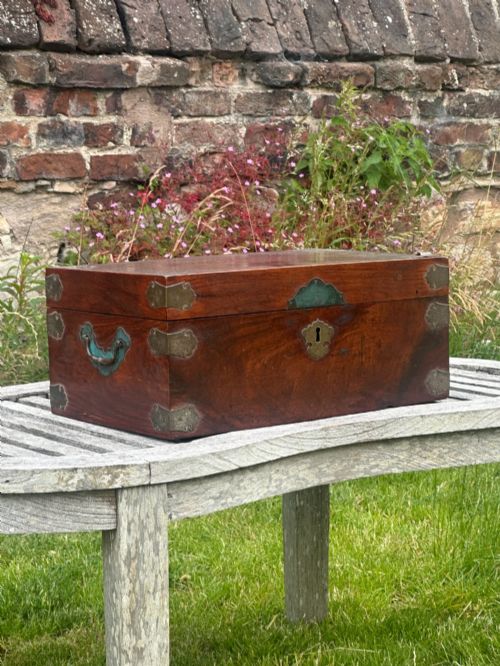
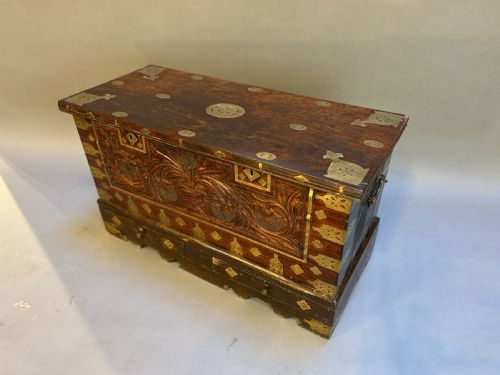
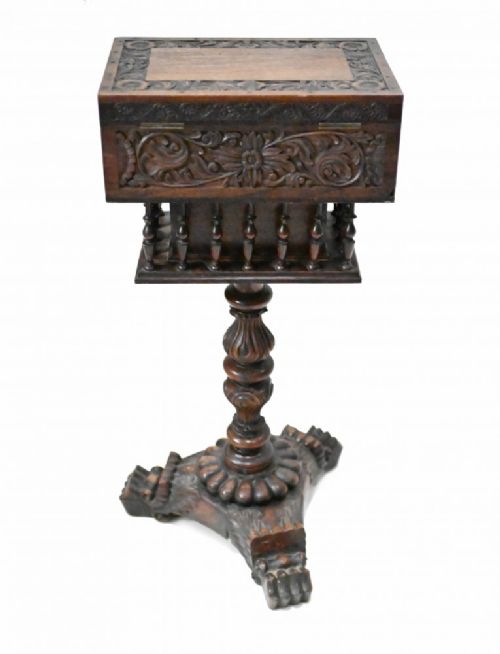
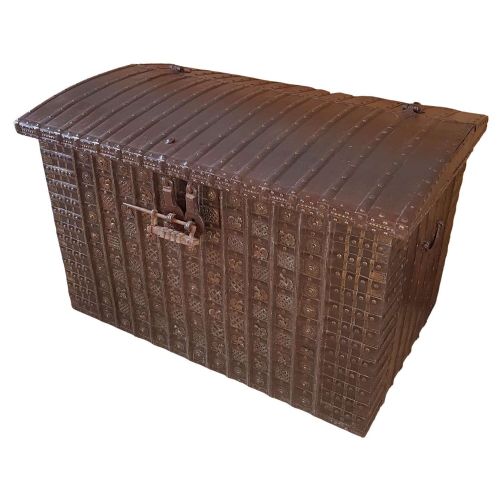
A 19th century indian box encompasses a wide variety of storage forms, ranging from heavy dowry chests to delicate writing slopes and trinket boxes. You will frequently encounter camphor wood trunks, teak campaign chests, and ebony boxes influenced by Anglo-Indian and Zanzibar designs.
The objects serve multiple utilitarian and decorative purposes, including marriage chests from Rajasthan, silver pandan boxes, and intricate stationery cases. Many pieces reflect trade routes and colonial movement through the use of durable timbers and protective metal mounts.
Smaller tabletop formats such as porcupine quill boxes, Sadeli mosaic caskets, and lacquered papier-mache pen cases appear alongside monumental floor-standing trunks. This variety demonstrates the broad scope of craftsmanship produced across the Indian subcontinent and Ceylon during the period.
Materials and construction methods
Makers utilised dense tropical timbers including teak, padouk, ebony, satinwood, and camphor wood to construct these items. These hardwoods provided natural resistance to humidity and pests while supporting intricate surface carving.
Metal reinforcement frequently appears in the form of brass straps, iron banding, and decorative studwork, particularly on campaign trunks and trading chests. Additional surface detail relies on micro-mosaic Sadeli work, ivory inlay, mother-of-pearl, and red lacquer applications.
19th Century Indian Box Retail Price Guide 2026
Typical asking prices for 19th century indian box among the pieces listed under this phrase on Sellingantiques today, from the lower quarter to the upper quarter. They describe what is for sale here now, not the wider market.
Listings demonstrate woods such as camphor wood, teak, ebony, and satinwood utilised across boxes, chests, and writing slopes.
Distinctions in construction and decoration
Quality depends heavily on the precision of the joinery and the complexity of the surface ornamentation, such as deep relief carving or geometric micro-mosaic patterns. Solid timber construction demonstrates higher skill than veneered alternatives, particularly in load-bearing chests and writing boxes.
The completeness and originality of internal fittings, such as secret compartments in writing slopes or original brass locks and handles, elevate the standing of an individual piece.
The 19th Century Indian Box Glossary
- Campaign trunk
- A portable storage chest designed for military officers, typically fitted with recessed brass handles and corner brackets for transport.
- Sadeli mosaic
- A complex micro-mosaic technique utilising horn, bone, ivory, and metal to create geometric patterns on wooden boxes.
- Zanzibar chest
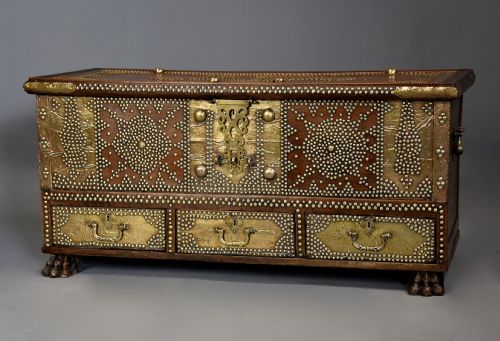
- A heavy wooden storage chest featuring elaborate brass stud decoration, strapwork, and often a central concealed compartment.
- Pandan
- A traditional Asian box or container specifically utilised for holding betel nut leaves and associated spices.
- Writing slope
- A portable slant-topped box that opens to provide a writing surface and internal storage for stationery and inkwells.
19th Century Indian Box: Frequently Asked Questions
What is a Zanzibar chest?
A Zanzibar chest is a heavily constructed wooden trunk reinforced with brass studding, decorative plates, and strapwork. These pieces often feature prominent central drawer configurations and sturdy carrying handles.
Originally built for maritime trade and colonial households, they served as secure storage for valuables during long journeys across the Indian Ocean.
How do I identify campaign furniture?
Campaign furniture is characterised by portability, featuring flush-mounted brass hardware designed to prevent snagging during transit. Many pieces also incorporate collapsible stands or sectional bodies.
These items were manufactured for officers and officials who required functional, sturdy desks and trunks that could be packed up quickly.
What woods were commonly used?
Cabinetmakers utilised dense tropical hardwoods such as teak, ebony, padouk, satinwood, and camphor wood. Camphor wood was particularly favoured for storage trunks due to its insect-repellent properties.
These durable timbers allowed for deep surface carving and provided the structural integrity required for heavy travel and daily use.
What is Sadeli mosaic work?
Sadeli mosaic is an intricate decorative technique involving minute geometric tiles made from materials like horn, bone, and metal. Artisans assembled these strips into intricate patterns to veneer small caskets and games boxes.
This labor-intensive craft is closely associated with Anglo-Indian workshop production during the nineteenth century.