
Antique Indian Box
An antique Indian box brings craftsmanship in padouk, teak, and solid silver into a room, offering both practical storage and historical design.
Antique Indian Box
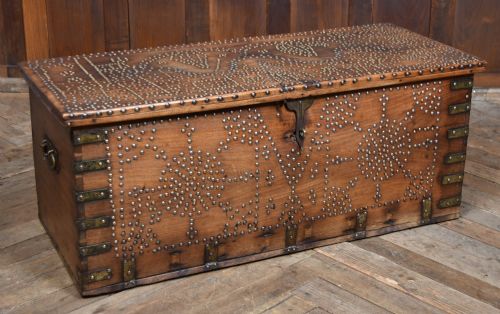
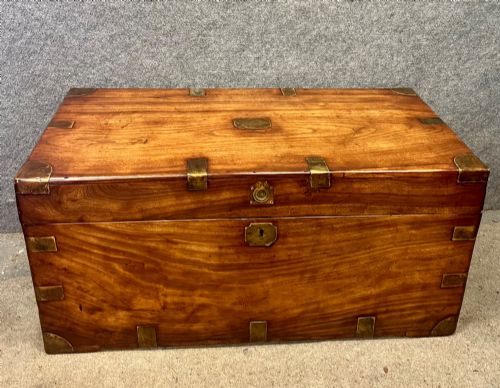
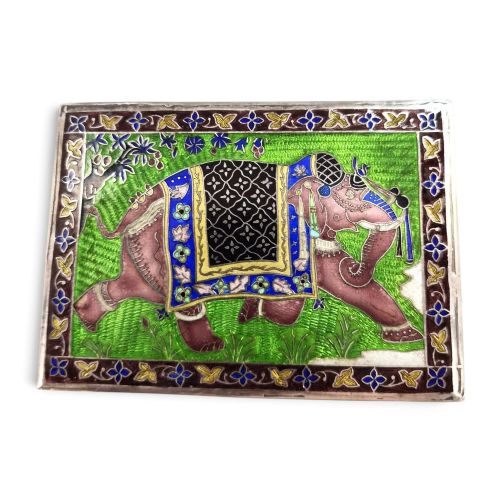
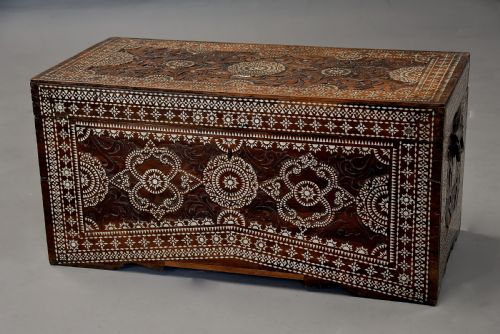
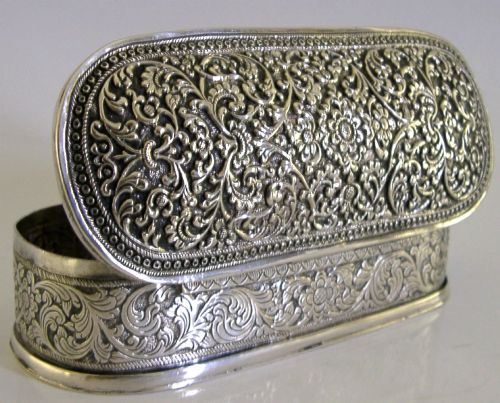
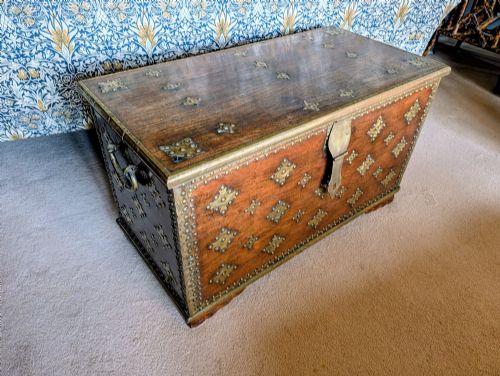
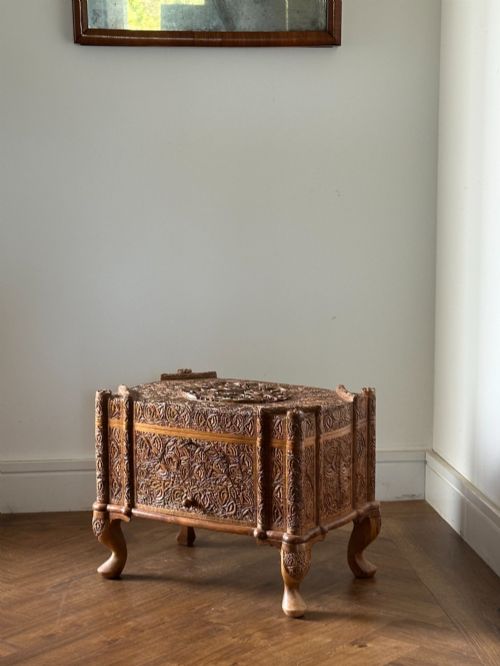
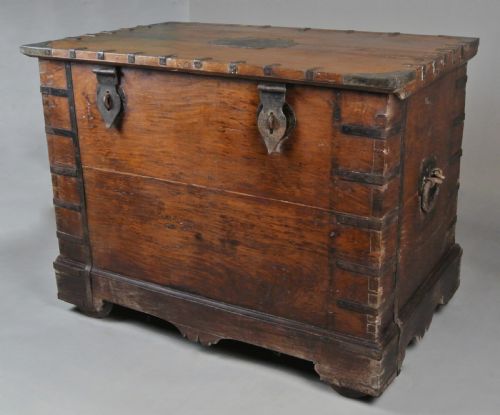
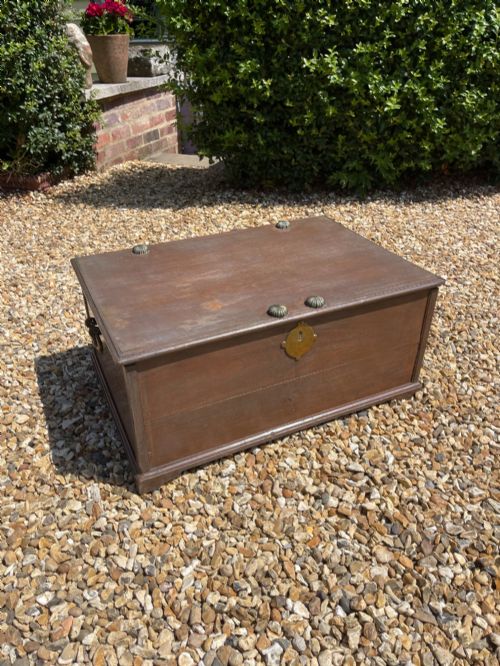
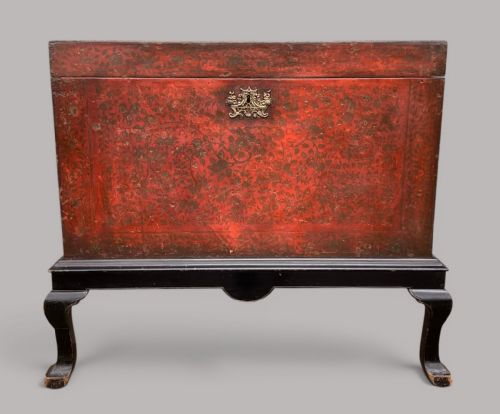
When searching for an antique Indian box, buyers encounter a diverse range of vessels spanning from small solid silver trinket containers to massive teak dowry chests. The selection encompasses utilitarian military campaign trunks, intricately carved sandalwood jewellery caskets, and specialised receptacles like tea caddies and spice boxes.
The objects originate from various periods including the Victorian era and the early twentieth century, reflecting the stylistic interchanges of the colonial and Raj periods. Anglo-Indian examples combine British furniture forms with traditional subcontinent ornamentation, producing items designed for both domestic use and colonial travel.
How they were made
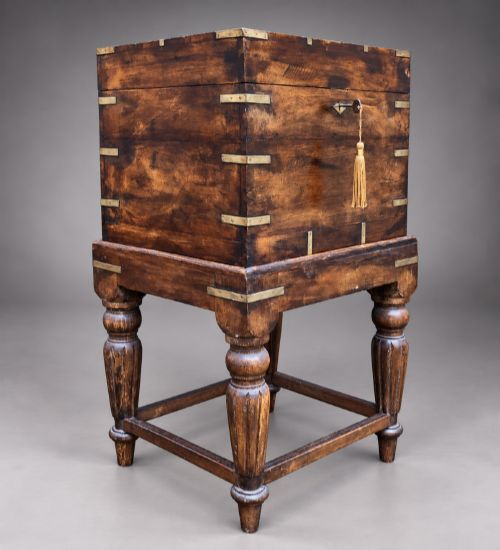
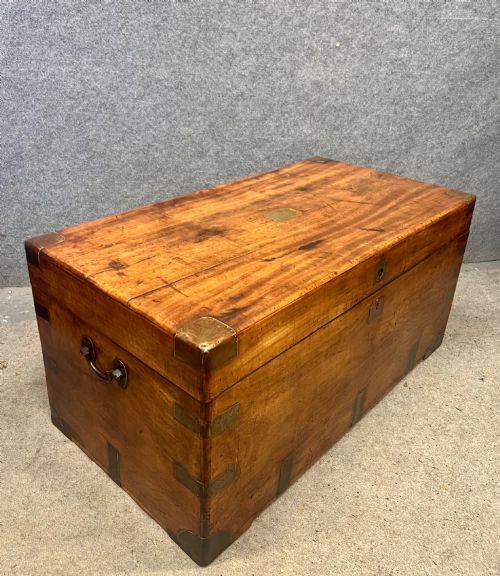
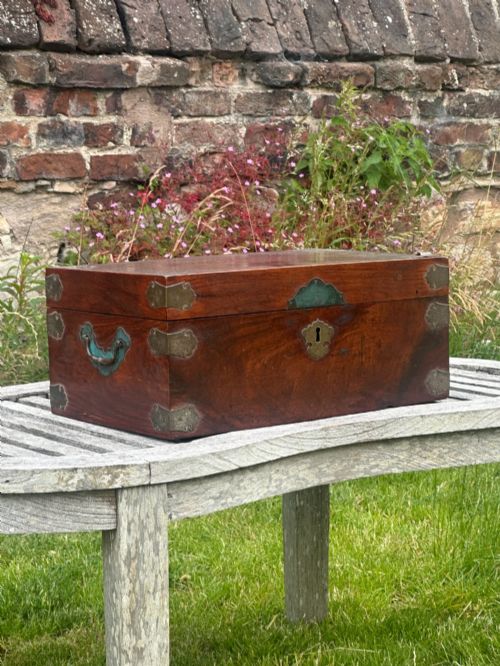
Carpenters utilised dense tropical timbers such as teak, padouk, camphorwood, and ebony, which resisted local climates and insect damage. These hardwoods were frequently reinforced with robust brass corners, straps, and corner plates to withstand the rigours of long-distance transport.
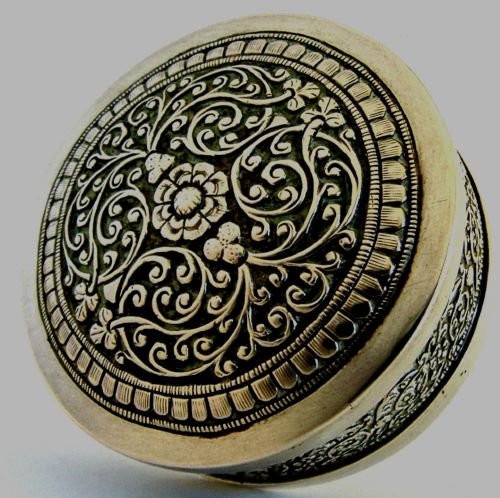
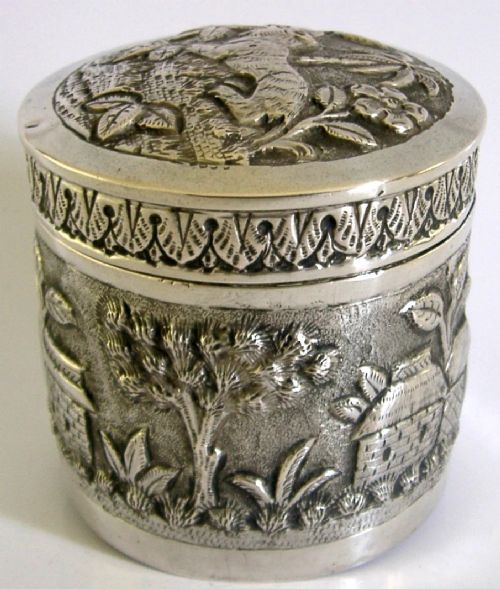
Silver containers relied on repoussé and chasing techniques, executed by regional silversmiths in areas like Kutch and Calcutta. Artisans also incorporated organic elements such as bone, mother-of-pearl inlay, and porcupine quill work into wooden surfaces.
What varies in quality
The distinction between standard utility items and superior examples lies in the precision of the joinery and the depth of the carving. Finely executed pieces display tightly fitted dovetails, intact metal banding, and crisp detail in repoussé silver work or carved foliage.
Material selection and decorative integrity dictate the standing of a piece within the range. Original locks, well-preserved interior velvet linings, and authentic regional motifs such as village scenes or animal terminals elevate the execution of the work.
The Antique Indian Box Glossary
- Campaign chest
- A modular wooden trunk built in sections with recessed brass hardware, designed for easy dismantling and transport by British military officers during the nineteenth century.
- Damchiya
- A traditional low dowry chest featuring heavy wooden construction, often decorated with carved panels, iron banding, and specialised locking mechanisms.
- Repoussé
- A metalworking technique where the artisan hammers the reverse of a silver sheet to form a raised design in relief on the front.
- Padouk
- A heavy, durable tropical hardwood with a reddish hue, frequently utilised for nineteenth-century campaign furniture and storage boxes.
- Teapoy
- A small pedestal table or box designed specifically to hold tea caddies and mixing bowls, reflecting colonial social customs.
Antique Indian Box: Frequently Asked Questions
What is a campaign chest?
A campaign chest is a portable wooden box or set of drawers constructed in two or more stacking sections for military transport.
These pieces utilise recessed brass handles, corner brackets, and flush carrying grips to prevent damage during transit.
How do I care for antique wood?
Antique tropical hardwoods require stable humidity levels and protection from direct sunlight to prevent timber shrinkage and cracking.
Occasional application of appropriate wax polish maintains the natural sheen of woods like teak, padouk, and camphorwood without sealing the grain.
What are dowry chests used for?
Dowry chests served as large storage receptacles for household linens, garments, and valuables prepared for a bride's new household.
These heavy teak or iron-banded trunks stood in family homes as central repositories for generational wealth and textiles.
How is Kutch silver identified?
Kutch silver is recognised by its dense, high-relief foliate and animal repoussé work, often depicting jungle scenes or traditional village motifs.
Silversmiths from the Kutch region produced distinct items including tea caddies, card cases, and decorative table boxes during the late nineteenth and early twentieth centuries.