
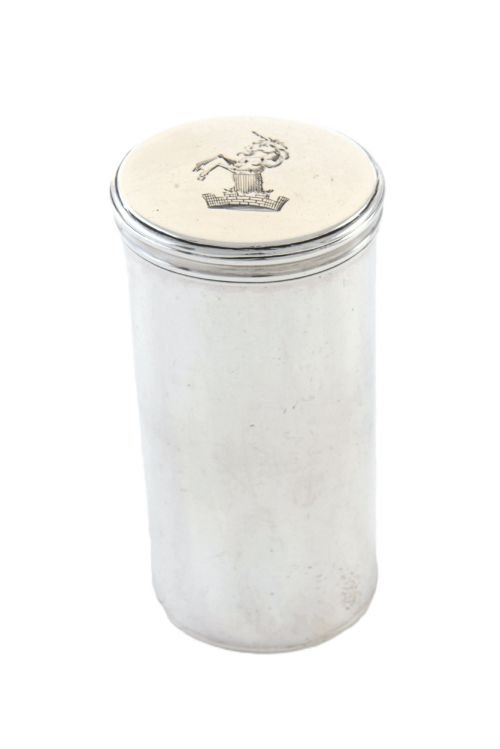


Silver Spice Container
These silver spice containers encompass tiny nutmeg graters and intricate towers, offering a tangible link to historic dining and ritual.
Silver Spice Container
A silver spice container encompasses small portable graters, tea caddies, sugar boxes, mustard pots, and ritual towers found across this page. The forms range from Georgian nutmeg graters to 19th century Anglo-Indian betel nut containers and later Judaica Havdalah towers.
Buyers seeking a silver spice container will frequently encounter Victorian examples alongside Georgian pieces and turn-of-the-century continental novelty boxes. The styles span traditional Georgian designs to Ottoman Turkish tea caddy boxes and German historicism animal sugar boxes.
Origins vary widely across the selection, reflecting distinct cultural and domestic practices from British workshops to Ottoman and Indian silversmiths. These objects served functional roles in domestic spice storage, table condiment service, and religious observance.
Materials and construction methods
Makers utilised sterling silver, solid silver, and silver plate, frequently pairing the metal with glass in functional vessels like mustard pots. Pieces often display intricate handwork such as embossing and filigree design.
Certain objects incorporate specialised mechanical elements, demonstrated by novelty fish snuff boxes featuring articulated bodies and hinged heads. Construction techniques range from heavy casting in Ottoman tea caddies to delicate multi-tiered wirework in Havdalah towers.
Materials documented across the inventory include sterling silver, solid silver, silver plate, glass, and metal.
Differentiating quality across pieces
Quality rests upon the crispness of surface decoration, evident in whether embossed folk motifs or filigree wires remain sharp and well-defined. Weight and structural integrity also distinguish sturdier solid silver items from lighter plated wares.
The sophistication of form and mechanical execution separate standard containers from exceptional pieces. Articulated joints in novelty items and detailed casting in animal-shaped sugar boxes demonstrate superior craftsmanship.
The Silver Spice Container Glossary
- Sterling silver
- A silver alloy containing 92.5 percent pure silver by mass, standard for British and many international domestic items.
- Filigree
- An intricate ornamental work of fine wire, typically silver, soldered together in open patterns as seen in spice towers.
- Nutmeg grater
- A small pocket-sized container housing a steel rasp, used historically for grating fresh spice at the dining table.
- Havdalah spice tower
- A ritual container used in Jewish tradition during the ceremony marking the end of Shabbat.
- Tea caddy
- A box or jar used to store tea leaves safely before preparation, often produced in heavy silver forms.
Silver Spice Container: Frequently Asked Questions
What is a silver spice container used for?
These vessels held various aromatic spices, seasonings, or betel nuts for domestic consumption or ritual purposes. Different forms catered to specific contents, from nutmeg and sugar to ritual herbs.
Smaller pocket grater versions allowed diners to grate fresh spices directly onto food or into drinks at the table. Larger boxes and towers served ritual or storage functions in homes.
How do I identify a Georgian spice piece?
Georgian pieces date from the reigns of the four Georges and typically display restrained classical proportions and hallmarks corresponding to the late 18th or early 19th century.
Examining the manufacturing style and any stamped assay marks helps separate these earlier items from later Victorian or Edwardian reproductions.
What is an Anglo-Indian betel nut container?
These items reflect the colonial trade and cultural exchange, often featuring intricate embossed folk designs characteristic of Indian silversmithing traditions during the 19th century.
They were utilised for storing betel nuts and related masticatory preparations common in South Asian customs.
How should I clean antique silver containers?
Careful maintenance involves gentle cleaning with a soft cloth to preserve the natural patina and delicate filigree or embossed details without damaging the metal surface.
Harsh abrasive polishes should be avoided, particularly on intricate wirework or plated items where aggressive rubbing can wear away the finish.