





Antique Silver Novelty Item
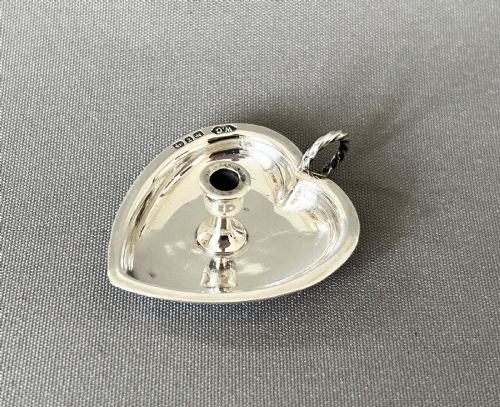
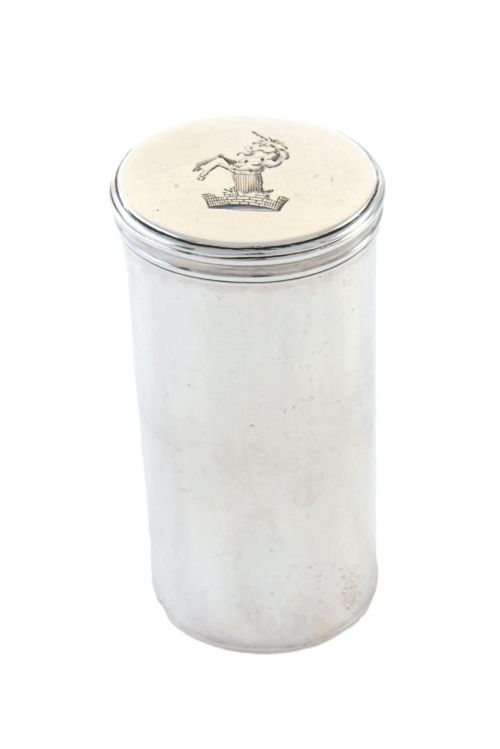
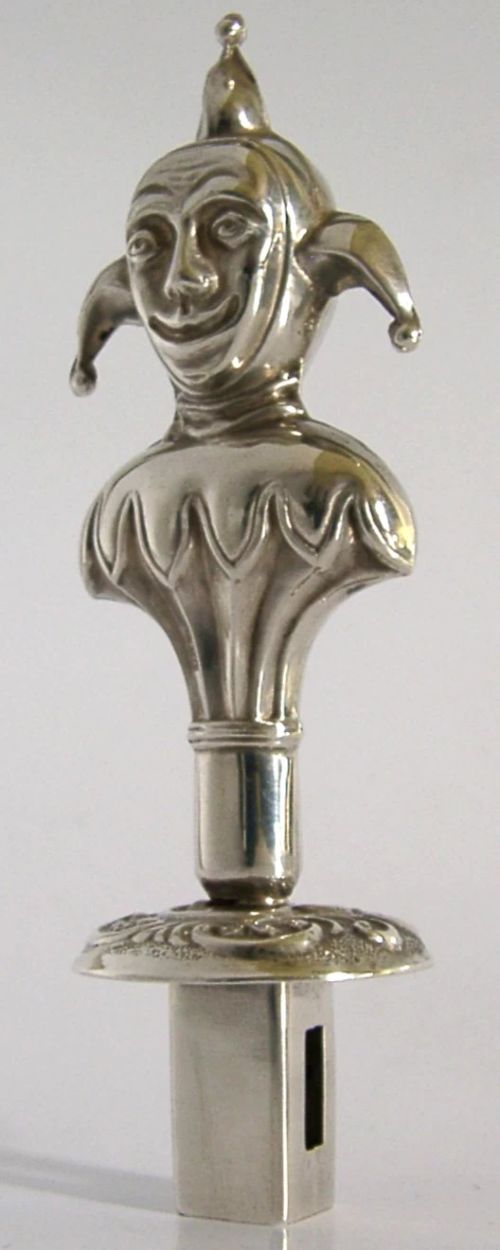
An antique silver novelty item turns a utilitarian desk or sewing tool into a whimsical sculpture designed to amuse the eye.
Antique Silver Novelty Item
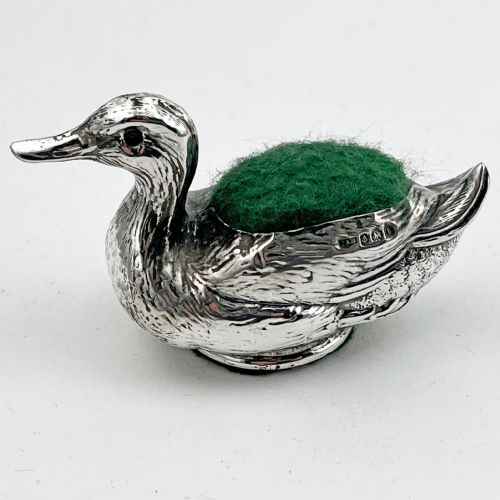
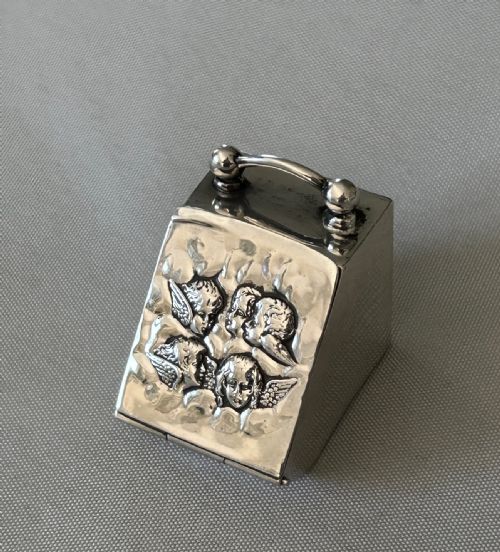
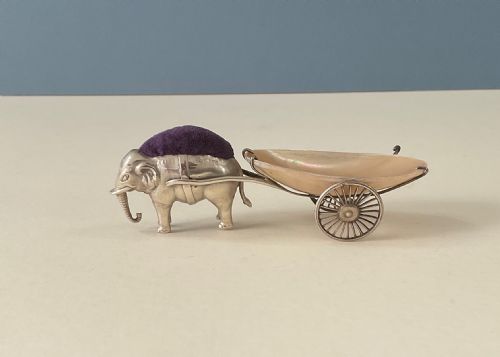
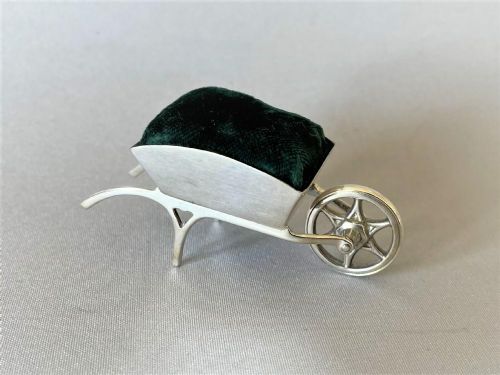
When you search for an antique silver novelty item, you encounter miniature figures and everyday objects rendered in precious metal across the Georgian, Victorian, and Edwardian periods. The selection spans domestic curiosities like coal scuttles, wheelbarrows, and teapots alongside animal forms such as bears, pigs, and ducks.
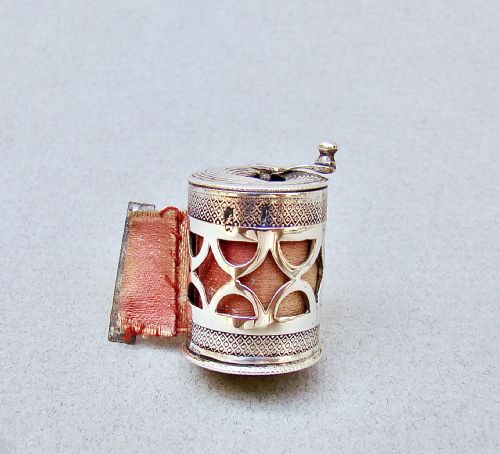
Pin cushions and button hooks dominate the current forms, often lined with materials like velvet or silk to serve their original functional purpose. Desk accessories and sewing tools also appear frequently, transforming mundane desktop tasks into playful displays of silversmithing skill.
Origins stretch from English provincial assay offices to nineteenth-century Dutch workshops, capturing a widespread Victorian and Edwardian appetite for miniature wit. These pieces bridge the gap between ornamental silver and practical household gear.
How They Were Made
Silversmiths constructed these small forms primarily in sterling silver, utilising sheet metal and cast components to build figures of animals, boots, and wheelbarrows. Steel and iron frequently provide internal reinforcement or functional working parts, as seen in button hooks and pen wipes.
Internal elements often incorporate traditional textiles like silk, velvet, horsehair, leather, and felt to cushion pins or clean writing instruments. Hallmarks stamped directly into the metal record the assay town and year of production, linking each miniature to its maker.
Antique Silver Novelty Item Retail Price Guide 2026
Typical asking prices for silver novelty item among the pieces listed under this phrase on Sellingantiques today, from the lower quarter to the upper quarter. They describe what is for sale here now, not the wider market.
Victorian silversmiths managed to turn domestic chores into an absolute zoo by transforming coal scuttles, pigs, and boars into functional silver accessories.
What Varies in Quality
The distinction between ordinary and exceptional work rests on the crispness of the chasing and the naturalism of the animal or object modelled. A superior piece captures anatomical detail or mechanical action accurately without losing the proportions inherent in miniature scale.
Condition of internal textiles such as velvet or silk influences desirability, as original linings seldom survive centuries of use intact. Crisp, legible hallmarks and intact moving parts elevate an item far above examples with worn stamps or sluggish mechanisms.
Sampson Mordan and Co
The Antique Silver Novelty Item Glossary
- Vesta Case
- A pocket-sized container for matches, often formed as animals or novelty shapes with a striking groove on the base. These small boxes protected matches from moisture before safety matches became standard.
- Pin Cushion
- A stuffed sewing accessory designed to hold pins, frequently integrated into novelty silver animals or household objects. They rely on internal stuffing covered in velvet, silk, or felt.
- Assay Office
- An official body that tested precious metals and stamped items with hallmarks to guarantee the purity of the silver. Towns like Birmingham and Chester operated prominent offices during the periods represented here.
- Button Hook
- A long-handled tool used for fastening tight buttons on boots and gloves, often featuring an ornate silver novelty handle shaped like animals or golf clubs.
- Wax Sealing Wax Holder
- A specialised desk accessory designed to store and apply sealing wax for correspondence. These pieces often feature figural motifs to amuse the writer.
Antique Silver Novelty Item: Frequently Asked Questions
What is an antique silver novelty item?
These are small, whimsical silver pieces made during the Georgian, Victorian, and Edwardian eras that served everyday household or personal functions.
They take the shape of animals, vehicles, and household objects to add humour to tasks like sewing, writing, or lighting matches.
How were novelty pin cushions used?
Victorian and Edwardian households placed these silver figures on dressing tables and desks to keep sewing pins close at hand.
The fabric pads built into the silver bodies held the pins securely while displaying miniature ducks, pigs, or teapots.
How do I identify the date of a piece?
English silver carries hallmarks stamped directly into the metal that record the assay office, standard of silver, and a specific date letter.
Matching these stamps against official records reveals the exact year the item was cast and tested.
Can I still use these items daily?
While button hooks and desk bells retain their physical function, most collectors display them as cabinet pieces or decorative curiosities.
Fragile internal materials like vintage silk or horsehair are often too delicate for heavy modern use.