


Sterling Silver Page Marker
A sterling silver page marker holds your place in a volume with quiet elegance, combining solid metal with decorative stones or novelty forms.
Sterling Silver Page Marker
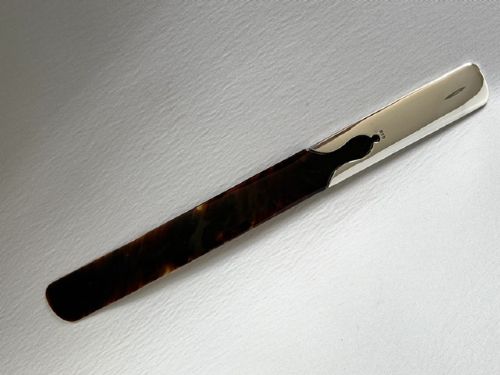
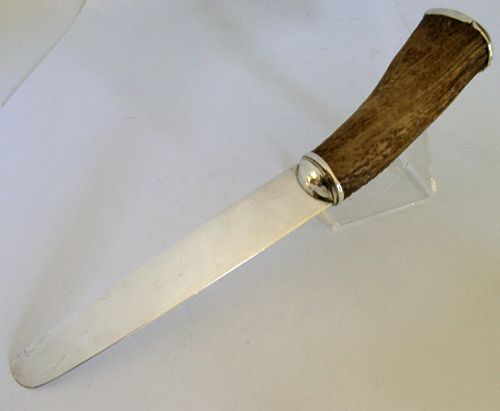
A sterling silver page marker groups together bookmarks, page turners and desk accessories designed to keep places in bound books. These pieces range from small slip-in trowels to large handled page turners used in reading heavy volumes.
Victorian and Edwardian versions dominate the selections, alongside items from the 1920s and early decades of the twentieth century. Makers produced these in varied regional workshops across England and Scotland, incorporating traditional motifs and novelty shapes.
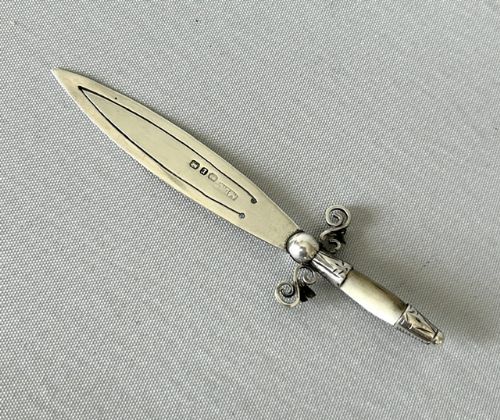
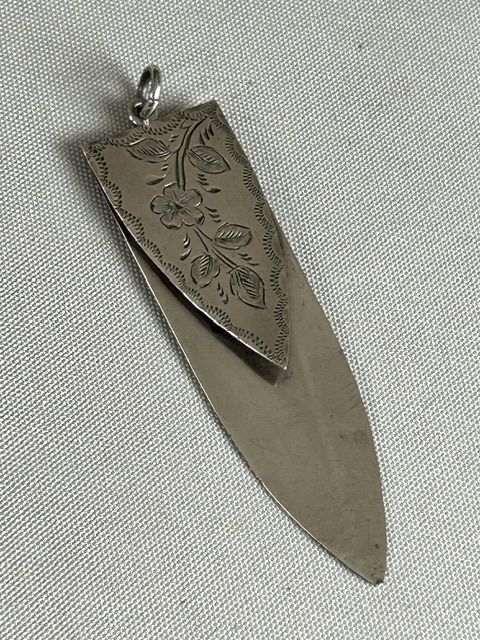
The forms span simple engraved blades, trowel shapes, dagger designs, and sculptural animals including teddy bears, elephants, chicks and pointing hands. Many incorporate decorative stones or organic panels set into the metal.
How they were made
Silversmiths formed the main bodies from sterling silver, employing techniques such as stamping, casting and detailed hand engraving. Edges were shaped into blades or trowels designed to slip easily between paper leaves without causing damage.
Makers combined the silver with natural organic materials including mother of-pearl, tortoiseshell, horn, and various hardstones like banded agate, red carnelian, Connemara marble and New Zealand jade. These inserts were cut, polished and pinned or mounted securely into the metal frames.
Listings feature sterling silver combined with mother-of-pearl, tortoiseshell, horn, banded agate, red carnelian, Connemara marble and New Zealand jade.
What varies in quality
Quality rests in the crispness of the casting and the depth of the hand engraving on the silver surface. Sharp details on novelty figures and clean hallmarks indicate superior workshop standards.
The grade of the secondary material dictates the standing of the piece, particularly the polish and natural grain of fitted agate, jade, tortoiseshell or mother-of-pearl. Secure mounts and balanced weight between the handle and the blade distinguish finer examples from simpler utilitarian items.
Crisford & Norris·Adie & Lovekin·Charles Horner·Sampson Mordan
The Sterling Silver Page Marker Glossary
- Sterling silver
- A silver alloy containing 92.5 percent pure silver by mass and 7.5 percent other metals, usually copper. This standard composition provided the durable framework for desk accessories and bookmarks.
- Page turner
- A handheld accessory featuring a long blade attached to a handle, traditionally used for turning heavy book leaves without creasing the paper. Examples often paired silver mounts with organic materials like tortoiseshell or horn.
- Trowel bookmark
- A flat bookmark shaped like a miniature bricklayer's trowel, popular during the Victorian and Edwardian periods. The triangular blade allowed the marker to slide flat between pages.
- Hardstone
- A semi-precious stone cut and polished for decorative use, including agate, carnelian and marble. These stones were frequently set into silver bookmark handles.
- Novelty bookmark
- A decorative bookmark cast in a whimsical or recognizable shape, such as an animal, doll or pointing hand. These pieces combined utility with playful Victorian and Edwardian design.
Sterling Silver Page Marker: Frequently Asked Questions
What is a sterling silver page marker used for?
These pieces function primarily as bookmarks or page turners to keep places in books or assist in reading bound volumes. They slip between pages using flat metal blades or trowel shapes.
Beyond basic reading utility, many served as decorative desk accessories or novelty gifts during the Victorian and Edwardian eras.
How do I care for silver and tortoiseshell?
Clean the sterling silver parts gently with a soft microfiber cloth to avoid scratching the adjacent organic materials. Keep tortoiseshell, horn and mother-of-pearl away from extreme heat and moisture.
Store the marker in a dry environment and avoid chemical silver dips that might damage fitted stones or organic panels.
How can I tell the period?
Examine the hallmarks stamped on the silver for town marks, date letters and maker's marks which provide precise manufacturing years. Stylistic clues such as Art Deco geometry or Victorian naturalism also help date the piece.
Construction methods, including the way hardstones or tortoiseshell are pinned into the metal, offer further hints regarding the decade of production.
Were these made for daily reading?
Victorian and Edwardian readers used these items regularly for heavy books, novels and ledgers. Sturdy sterling silver construction ensured they withstood everyday handling.
Many examples survive today in robust condition, demonstrating that they were built for practical use alongside their decorative appeal.