


Antique Page Marker
An antique page marker is a small desk accessory designed to hold a place in a book, often formed as a trowel, pointing hand, or animal.
Antique Page Marker
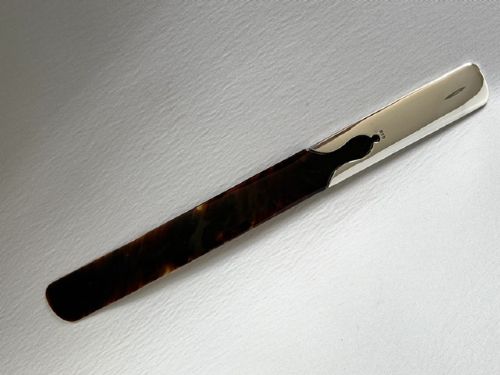
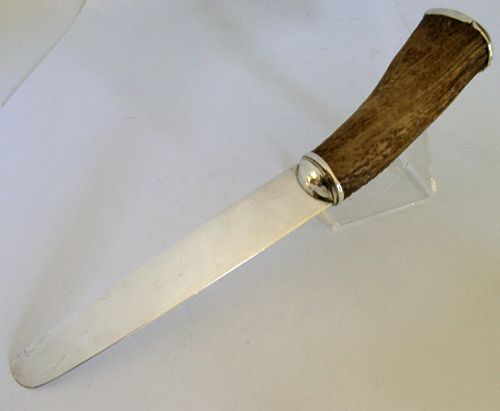
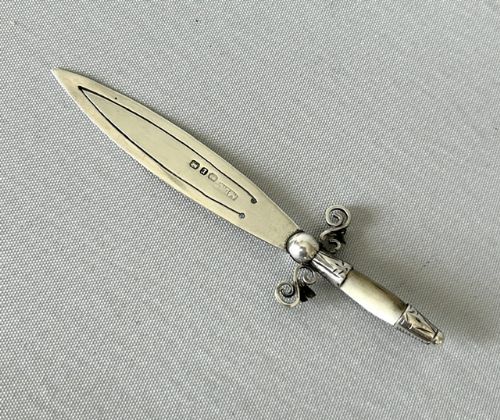
An antique page marker serves the reader by slipping between the leaves of a volume without crushing the paper. When you search for an antique page marker, you encounter items designed for daily use in libraries and studies during the late nineteenth and early twentieth centuries. The selection ranges from flat, long page turners to compact bookmarks shaped like trowels, swords, daggers, or pointing hands.
Victorian and Edwardian examples dominate the selection, stretching from the eighteen-eighties into the nineteen-thirties. You meet varied formats including simple silver blades and novelty figures such as teddy bears, camels, elephants, and kewpie dolls. Scottish provincial pieces and items set with hardstones appear regularly alongside standard urban assays.
The objects combine utility with decorative whim, reflecting the tastes of readers from the reign of Victoria through the George V period. Materials span precious metals paired with organic substances, creating tactile companions for heavy volumes and leather-bound books.
Materials and construction
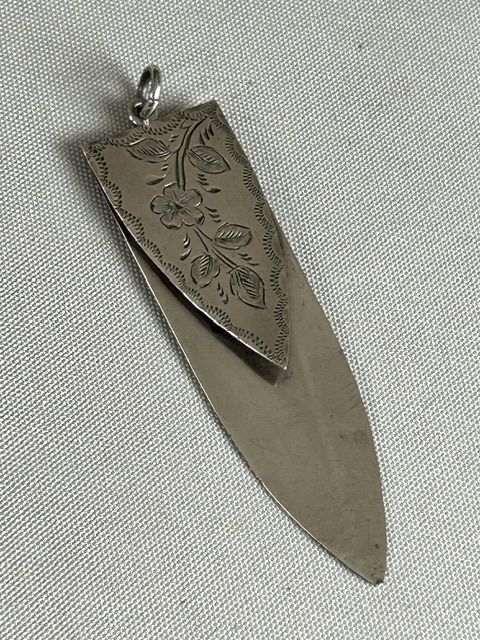
Silversmiths shaped sterling silver into handles and blades, often stamping hallmarks to record the assay office and year of production. Engraving tools cut linear patterns and floral motifs across the metal surfaces of bookmarks and trowels.
Natural materials like mother-of-pearl, tortoiseshell, horn, and banded agate formed the flat blades of page turners or the decorative handles of bookmarks. Rivets and pins secured these organic inserts into silver mounts.
Specialised stones including red carnelian, green Connemara marble, and blue agate were cut and polished to serve as finials or inset panels on silver frames.
A tiny kewpie doll watches from the top of a silver stem, guarding your reading place with cheerful permanence.
Distinctions in quality
The skill of the maker defines the superior examples, visible in the clean definition of chased novelty figures like animals, hands, and dolls. Crisper engraving and heavier gauge sterling silver separate workshop pieces from standard commercial output.
The selection and fit of natural materials mark the grade of a piece, particularly in how securely mother-of-pearl, tortoiseshell, or hardstones integrate with the metal mount. Well-matched banded agates and unblemished shell sections indicate careful material selection during production.
Crisford & Norris·Adie & Lovekin·Charles Horner
The Antique Page Marker Glossary
- Page turner
- A long, flat implement used for turning the leaves of heavy books without creasing the paper. These items frequently combine silver handles with blades of mother-of-pearl, tortoiseshell, or horn.
- Trowel bookmark
- A small reading marker shaped like a garden trowel, often rendered in sterling silver and sometimes fitted with hardstone handles. This form was especially popular during the Victorian and Edwardian periods.
- Assay
- The official testing of precious metal purity by an authorised office. Marks stamped onto the metal indicate the town of testing and the year of manufacture.
- Hardstone
- A semi-precious stone cut and polished for decorative use in jewellery and small desk accessories. Agate, carnelian, and Connemara marble appear frequently in these pieces.
- Novelty bookmark
- A reading accessory fashioned into an entertaining shape, such as an animal, a pointing hand, or a doll. These items date primarily from the late nineteenth and early twentieth centuries.
Antique Page Marker: Frequently Asked Questions
How were page turners used?
Readers used page turners to glide between the uncut or bound pages of large volumes, protecting the paper from oils on human skin. They rested flat upon the desk when not inserted into a book.
Their elongated blades allowed a gentle sweep across heavy paper stocks common in late nineteenth-century publishing.
What materials are most common?
Sterling silver provides the primary structure for the majority of bookmarks and desk items. It frequently pairs with organic elements like mother-of-pearl, tortoiseshell, and horn.
Hardstones such as agate and marble also appear regularly as decorative handles and inset panels.
How do I date a silver bookmark?
Assay office marks and date letters stamped directly onto the sterling silver reveal the exact year of manufacture. Birmingham, Chester, and Glasgow offices recorded these details.
Stylistic cues such as Edwardian proportions or Victorian engraving styles offer further confirmation of the period.
Why are some markers shaped like trowels?
The garden trowel motif became a popular design choice for silversmiths during the Victorian era, translating a familiar domestic tool into a miniature reading accessory. Makers often engraved these flat silver blades with floral patterns or fitted them with hardstone handles.
They served as functional bookmarks that slid easily between book pages.