
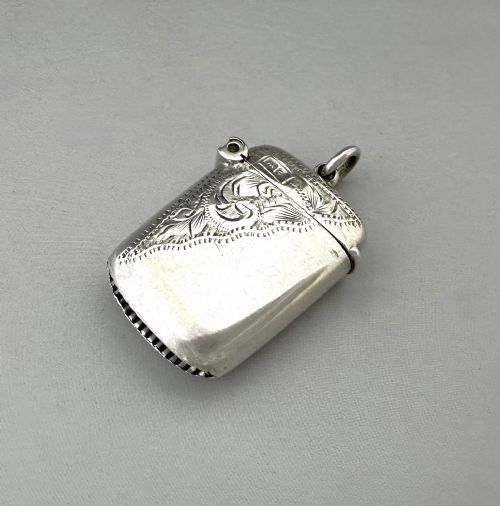

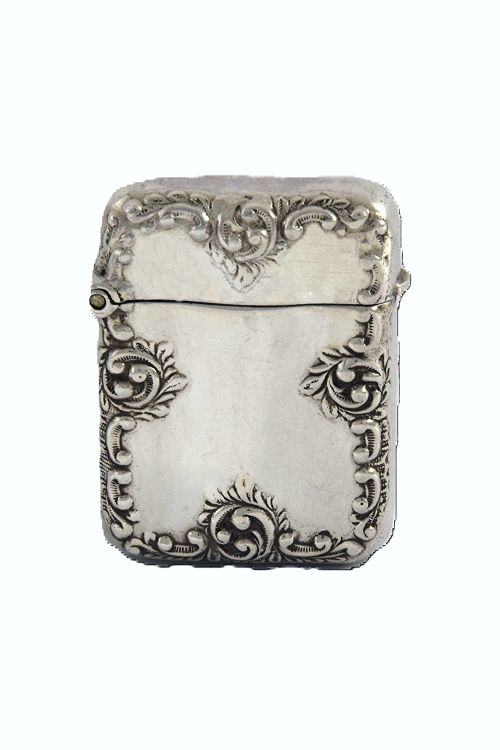

Victorian Silver Match Safe
These Victorian silver match safe pieces offer pocket-sized history in solid sterling silver, bringing tactile utility and period charm to any collector.
Victorian Silver Match Safe Forms
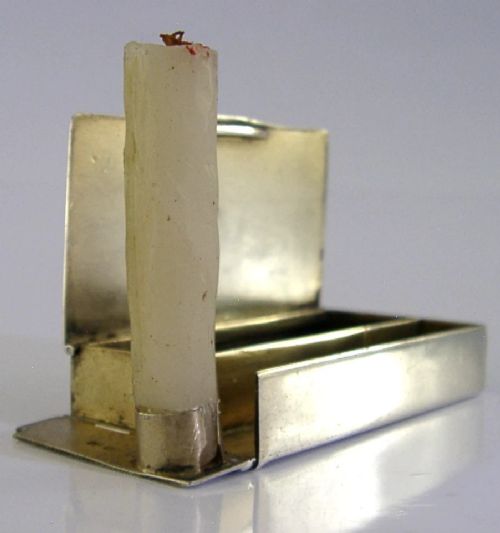
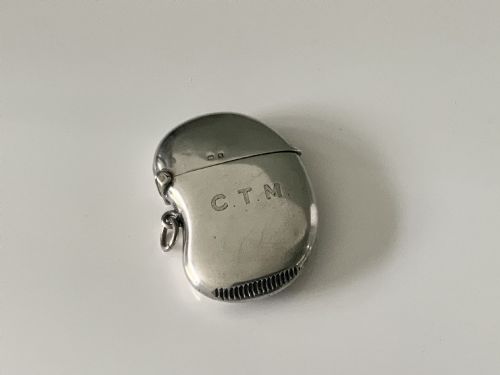
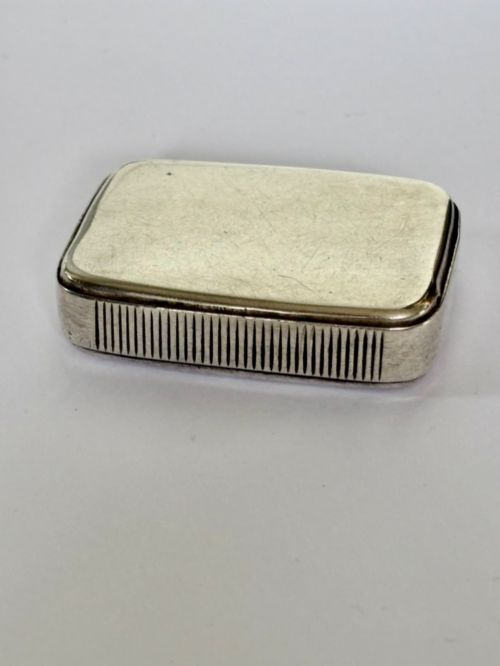
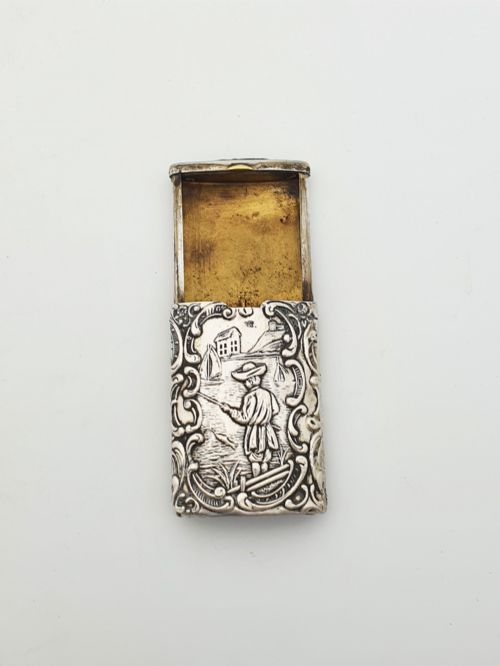
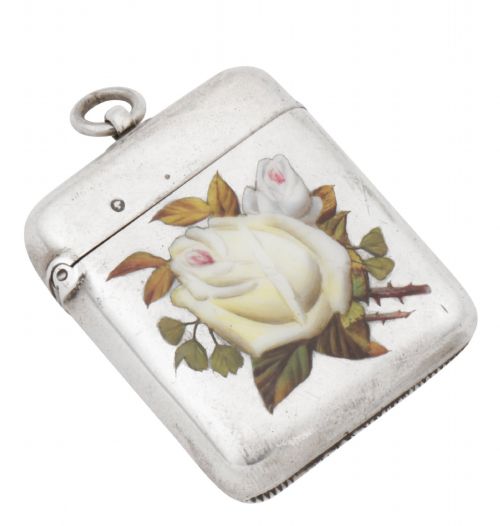
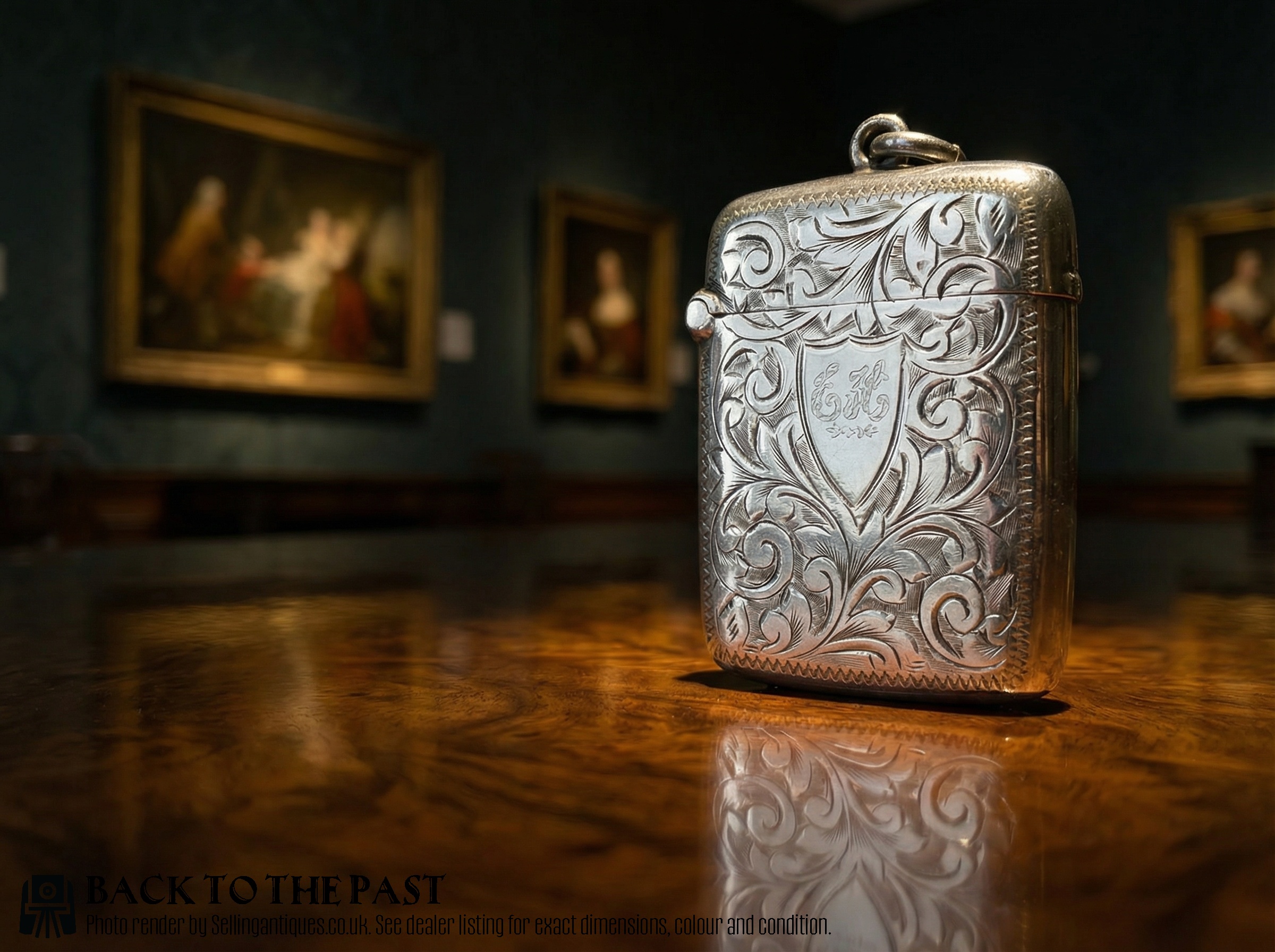
A victorian silver match safe is a pocket-sized container designed to hold matches safely while offering a striking exterior surface for striking them. The pieces found here span the Victorian and Edwardian periods, running from eighteen seventy-five through to eighteen ninety-seven.
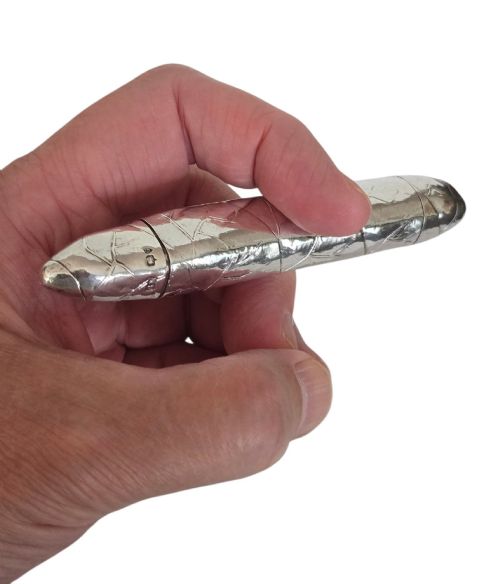
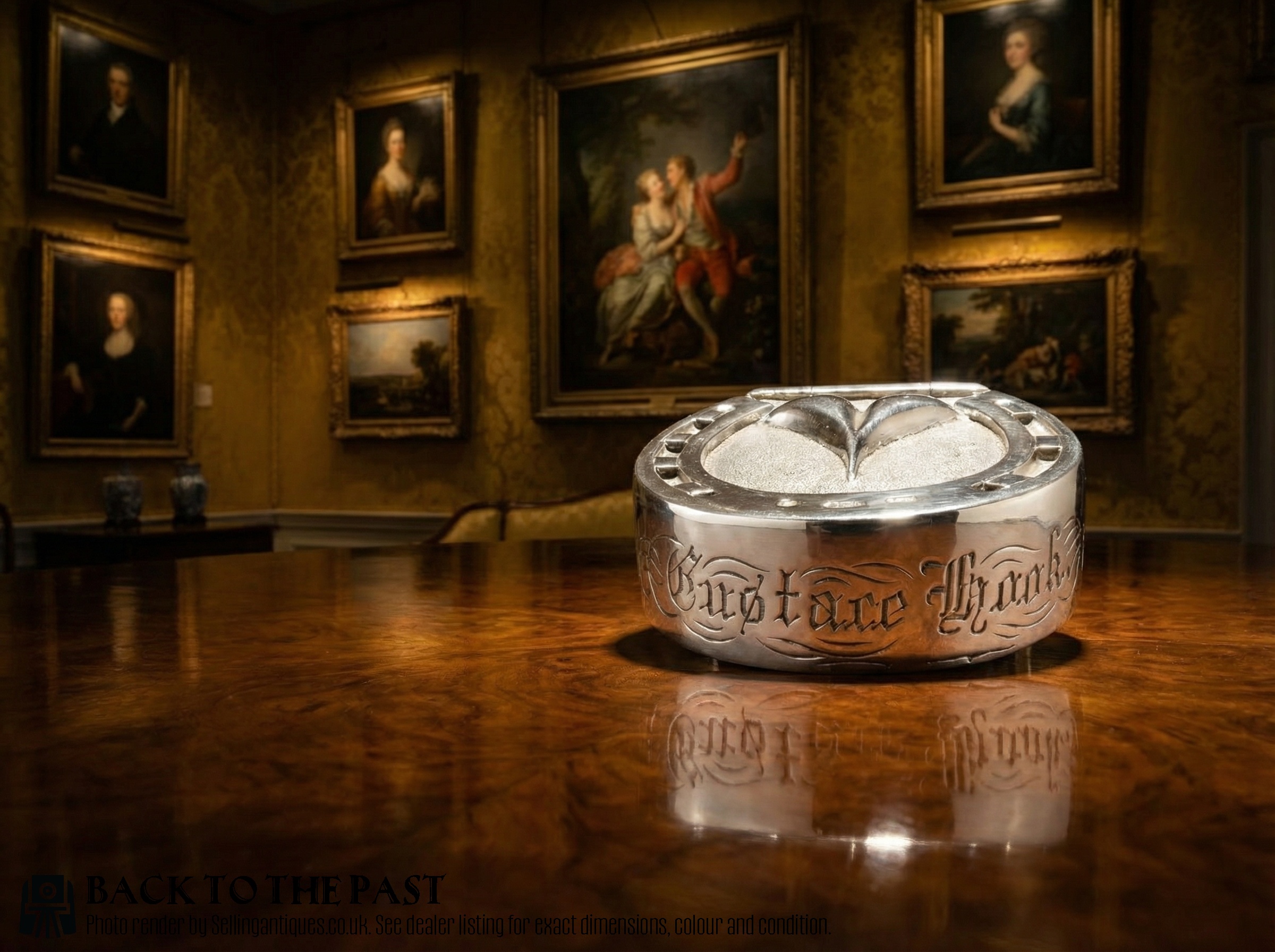
The assortment includes standard rectangular match safes alongside shaped novelties such as a horseshoe and a boar. Makers utilised solid sterling silver across these items, fashioned in both the Victorian and Edwardian styles.
Materials and Construction
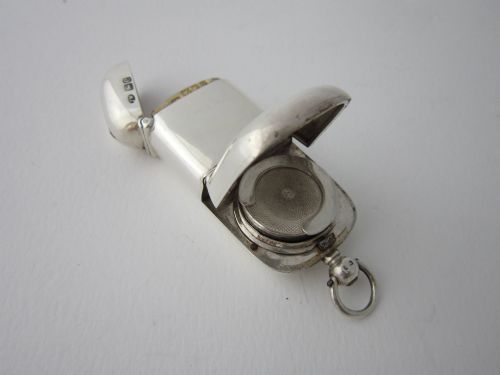
Every piece recorded in the evidence utilises solid sterling silver, providing a durable and lustrous housing for daily use. Construction methods relied upon silversmithing techniques to form hinged lids, secure catches, and internal compartments.
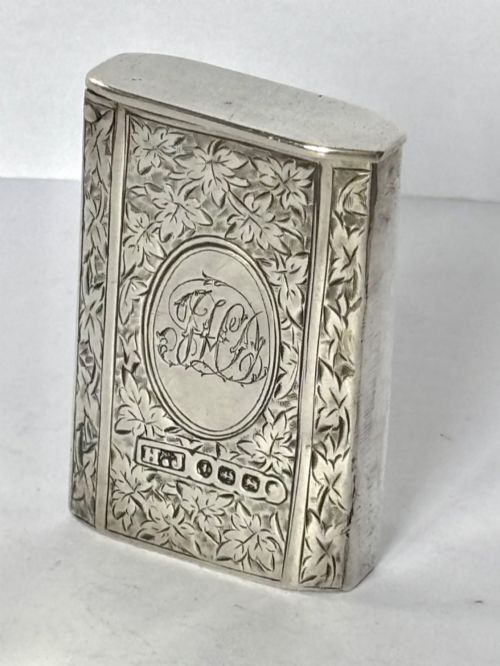
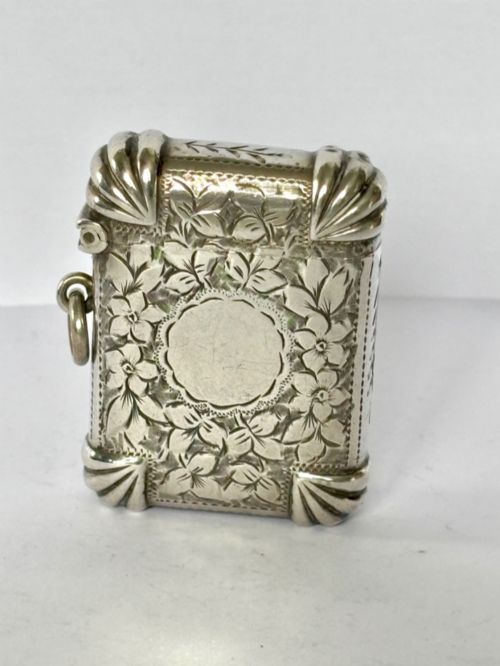
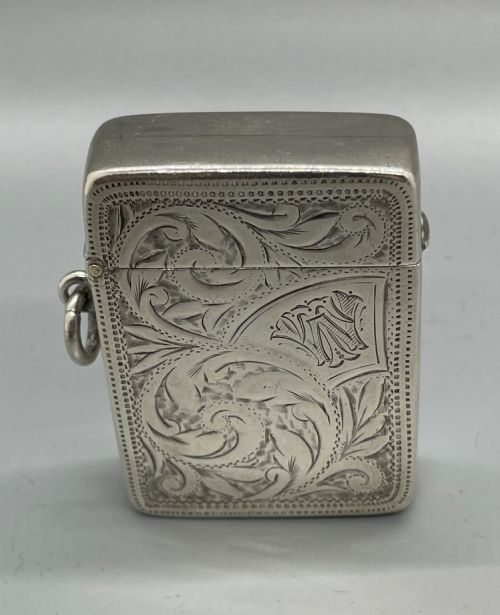
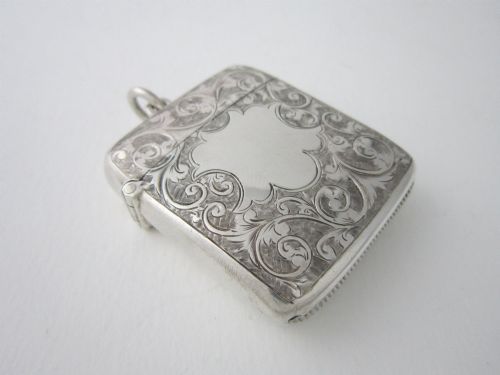
Surface decoration on these match safes frequently involved foliate engraving, pressing patterns directly into the metal to create texture and visual depth. Hallmarking stamped directly onto the silver recorded the assay office, year, and purity.
Listings on this site show solid sterling silver match safes originating from both the Victorian and Edwardian periods, including pieces dated between eighteen seventy-five and eighteen ninety-seven.
Distinction in Quality
Quality in a victorian silver match safe rests primarily upon the ambition of its form and the crispness of its surface decoration. Standard rectangular formats provide simple utility, whereas sculptural novelty designs require considerably more skill from the silversmith.
The depth and clarity of foliate engraving distinguish finer examples from plain or heavily worn alternatives. Weight, structural integrity of the hinge, and legible hallmarks further separate the ordinary production from superior pieces.
The Victorian Silver Match Safe Glossary
- Vesta Case
- A small pocket container designed to hold safety matches, often used interchangeably with the term match safe. These items became essential accessories during the nineteenth century when matches were carried loose in pockets.
- Sterling Silver
- An alloy of silver containing ninety-two point five percent pure silver and seven point five percent other metals, usually copper. This standard ensures sufficient durability for functional pocket items while maintaining a bright metallic lustre.
- Foliate Engraved
- Surface decoration carved into metal depicting stylised leaves, vines, or foliage. This technique added ornamentation and texture to otherwise plain silver surfaces.
- Assay Office
- A body responsible for testing the purity of precious metals and stamping them with official hallmarks. Towns such as London and Birmingham maintained prominent offices for marking silver wares.
Frequently Asked Questions
What is a vesta case?
A vesta case is a small pocket container built to hold matches securely and prevent them from igniting accidentally. They feature a textured striking area on the exterior for lighting the match.
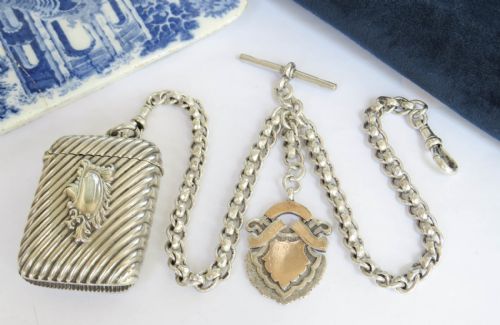
These accessories were carried daily in pockets or attached to watch chains during the nineteenth and early twentieth centuries.
How do I tell Victorian from Edwardian pieces?
Victorian pieces date from the reign of Queen Victoria, spanning the mid to late nineteenth century, and often display ornate ornamentation. Edwardian items belong to the subsequent reign beginning in nineteen hundred, tending towards lighter or simpler aesthetics.
Examining the hallmarks stamped onto the silver provides the exact year of manufacture and confirms the correct period.
Were all match safes made of solid silver?
The pieces recorded here utilise solid sterling silver throughout their construction. Silversmiths relied on this durable metal to protect matches from moisture and pressure in the pocket.
Different grades of metal and plated brass also existed historically, though sterling silver represented the higher tier of production.