
Silver Matchbox Case
A silver matchbox case is a pocket accessory for holding and striking safety matches, prized for its miniature metalwork and tactile heft.
What a silver matchbox case is
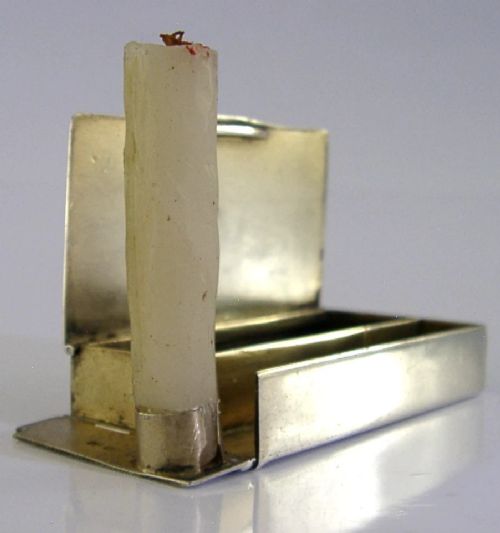
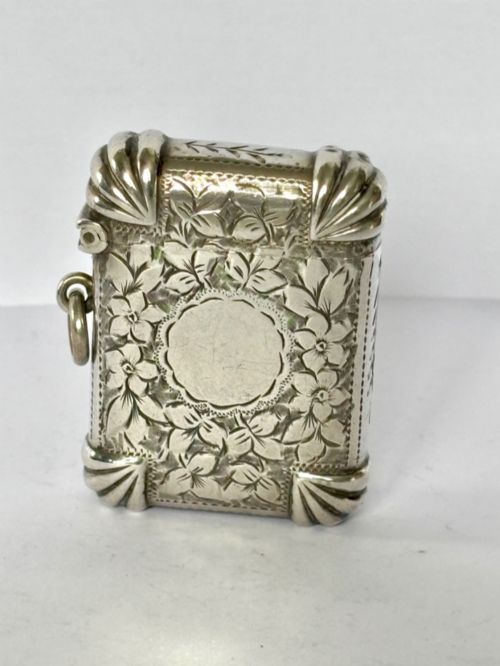
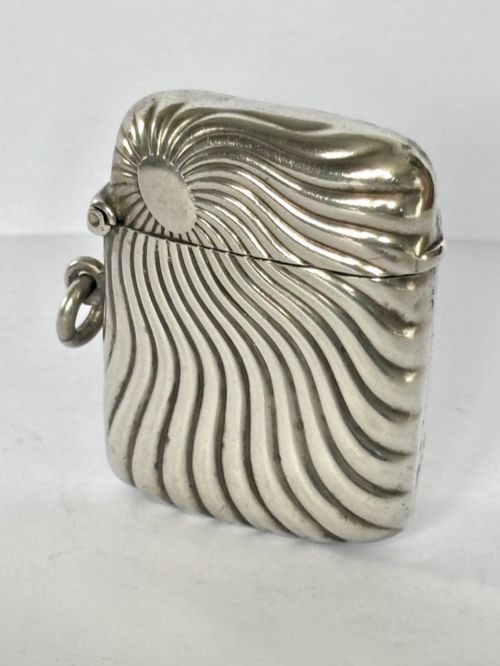
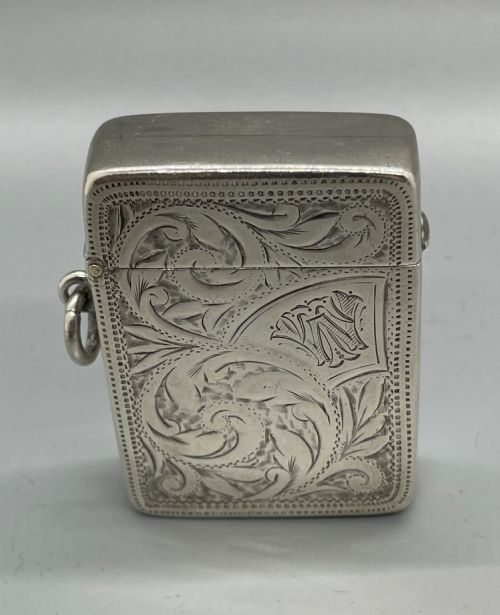
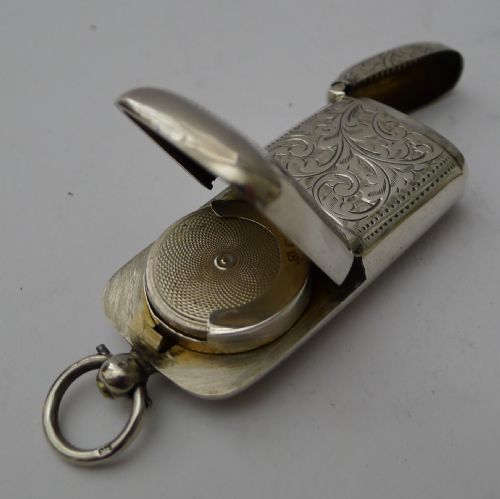
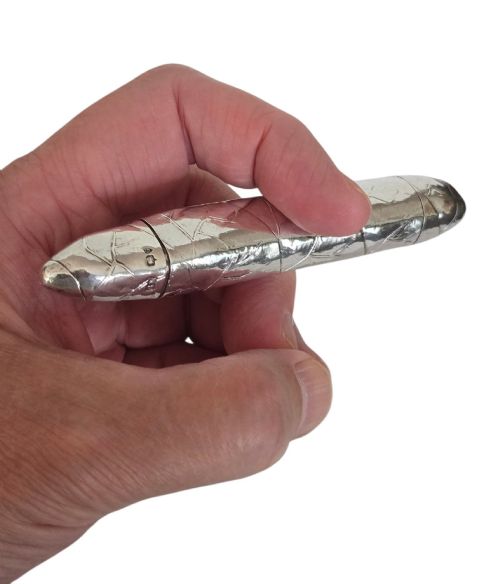
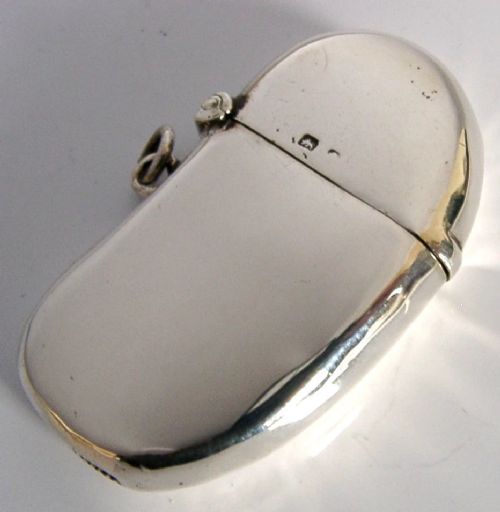
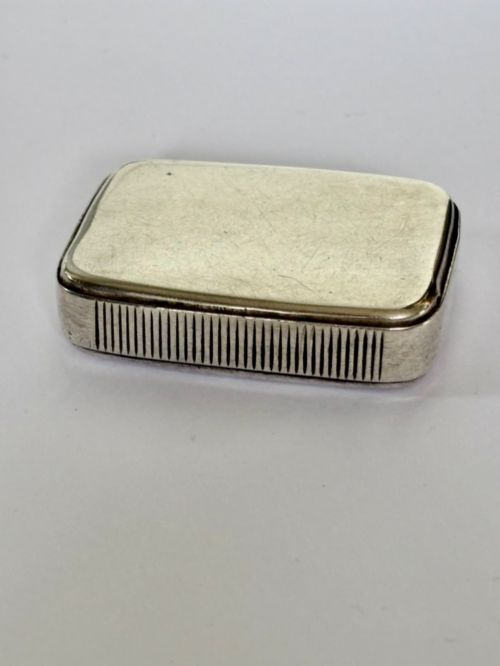
When searching for a silver matchbox case, a buyer examines pocket containers designed to protect matches and provide a striking surface. These items appear in various forms, including standard matchbox holders and integrated vesta cases with hinged lids.
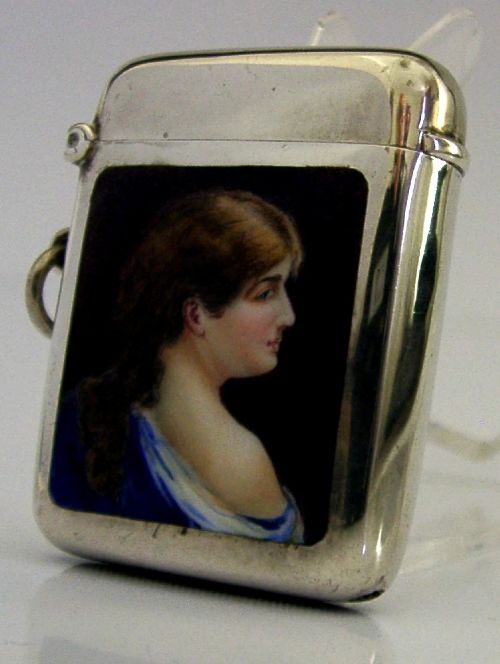
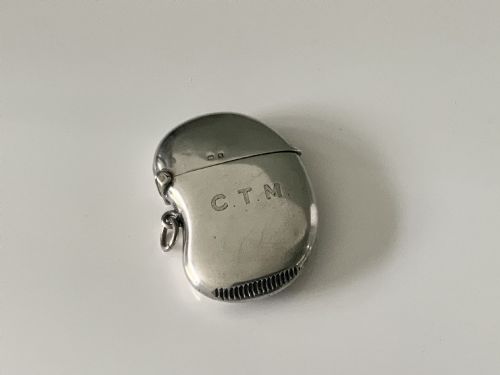
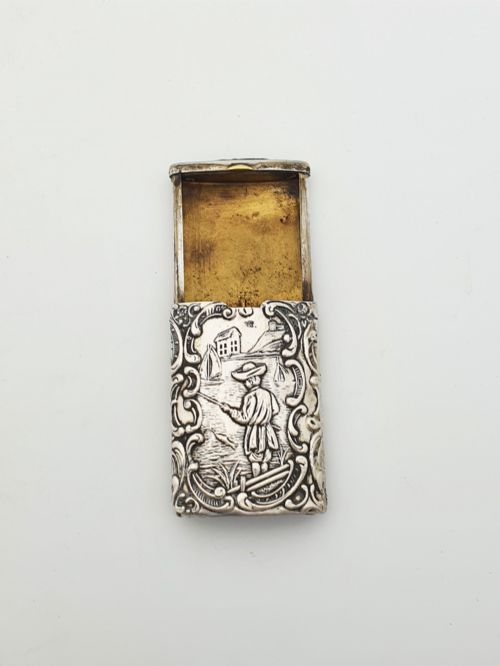
The versions most commonly met on this page span the Victorian and Edwardian eras, alongside pieces from the nineteen-thirties and nineteen-hundreds. Examples include heart-shaped designs, sovereign combinations, and continental pieces with scenic relief.
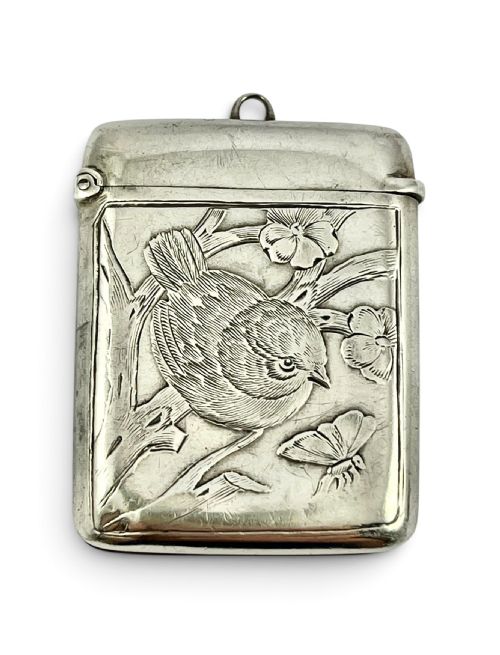
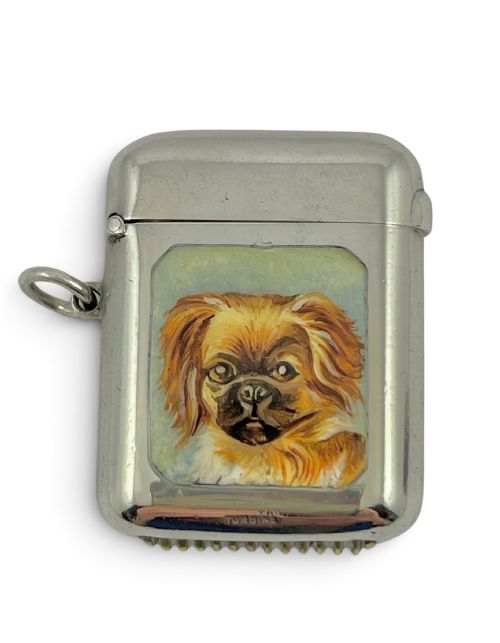
Makers fashioned these pocket objects from sterling silver, eight-hundred silver, and vermeil, often embellishing the metal with embossing, engraving, or figural motifs like angels and sailing club insignia.
How they were made
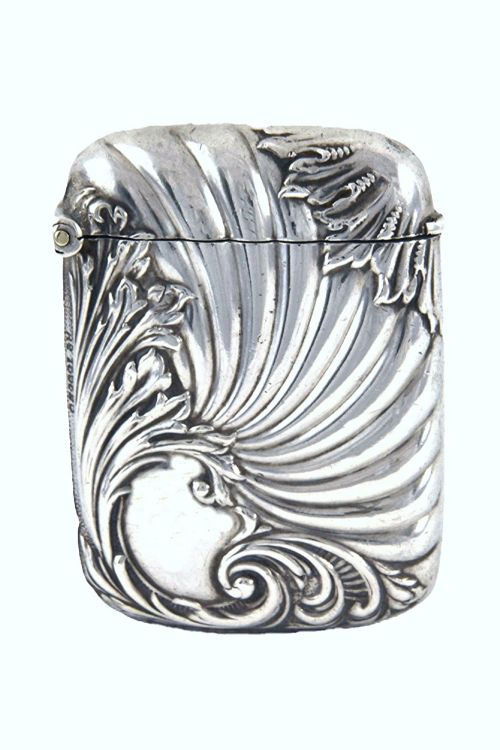
Silversmiths constructed these pocket pieces using solid silver sheets, forming them into sleeves or hinged boxes designed to hold standard matches. Workshops applied techniques such as embossing to raise decorative designs from the reverse, visible in pastoral scenes and angel motifs.
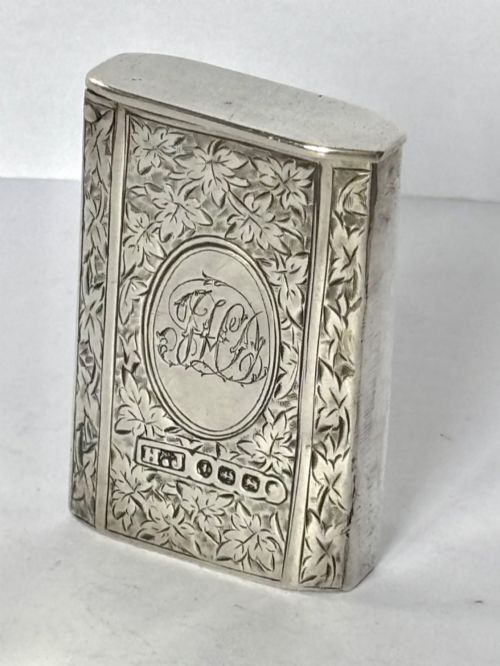
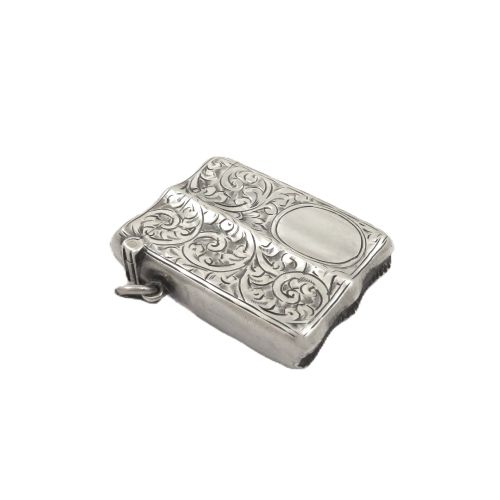
Engravers added surface detail by hand, incising patterns into the metal plate before mounting striker ridges to the base or side. Certain items received a layer of vermeil or were shaped into specific silhouettes like hearts or combined sovereign cases.
Retail Price Guide 2026
Typical UK retail prices for silver matchbox case, calculated from the Sellingantiques database of over a million retail prices indexed since 2003. This retail price guide relies exclusively on Sellingantiques data; no external sources or auction records are used, so the figures do not describe the wider market.
The documented periods span from the late Victorian era through to the nineteen-thirties.
What varies in quality
The distinction between standard examples and superior specimens lies in the crispness of the chased or embossed relief and the weight of the metal used in construction. Substantial gauge silver maintains structural integrity around the hinge and lid better than thinner alternatives.
The prestige of the silversmith and the complexity of the form elevate a piece, particularly when combined with specialised functions such as integrated sovereign holders or detailed scenic panels. Engraving depth and clarity of hallmarks similarly divide mass-produced items from finer workshop output.
TURNER SIMPSON·DUNHILL S MORDAN·Goldsmiths and Silversmiths Co
The Silver Matchbox Case Glossary
- Vesta case
- A pocket box designed to hold wax matches, featuring a textured strike area on the base. These items were essential accessories before the widespread adoption of safety matches.
- Sterling silver
- A silver alloy containing ninety-two point five percent pure silver by mass, with the remainder composed of copper or other metals. This standard grade provides durability for pocket items.
- Vermeil
- Sterling silver plated with a thin layer of gold. This finish adds a warm tone to the exterior of the matchbox holder.
- Scenic relief
- A decorative technique where figures or landscapes are raised from the metal surface in three dimensions. This method creates depth and visual interest on continental and British cases.
- Sovereign case
- A small container partitioned to hold British gold sovereign coins. Combined examples house both coins and matches in a single hinged pocket accessory.
Frequently Asked Questions
What is a vesta case?
A vesta case is a small pocket container used to store matches and protect them from moisture. The base typically incorporates a ribbed striking surface for igniting the match.
These pieces were carried daily in pockets or attached to watch chains during the Victorian and Edwardian periods.
How do I date a silver matchbox case?
Dating relies on the assay office marks, date letters, and maker stamps struck directly into the silver. Comparing stylistic elements like Art Nouveau curves or Victorian embossing also helps determine the period.
Assay records provide exact years for British pieces, while continental items depend on workshop signatures and style.
Can I still use these for modern matches?
Most antique matchbox cases fit miniature or book matches rather than standard modern household boxes. Collectors generally handle them as pocket art or display items rather than utilitarian accessories.
Care should be taken with the hinges and striker surfaces if utilised regularly.
Why do some cases include coin compartments?
Combined sovereign and vesta cases served travellers who required both coinage and fire-starting materials in a single secure pocket item. The interior partitions kept gold coins separate from the matches.
These combination pieces represent a higher tier of luxury accessory from the late nineteenth and early twentieth centuries.