
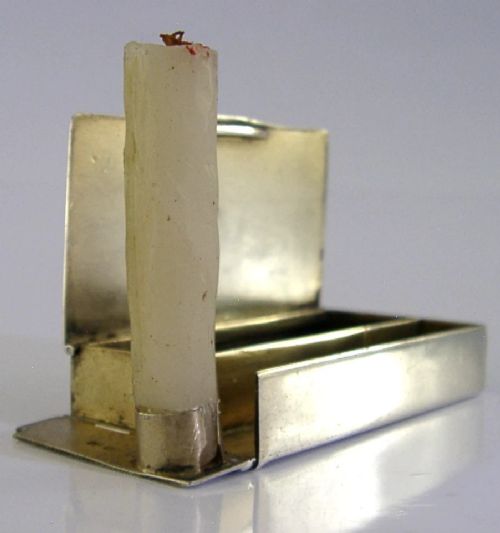
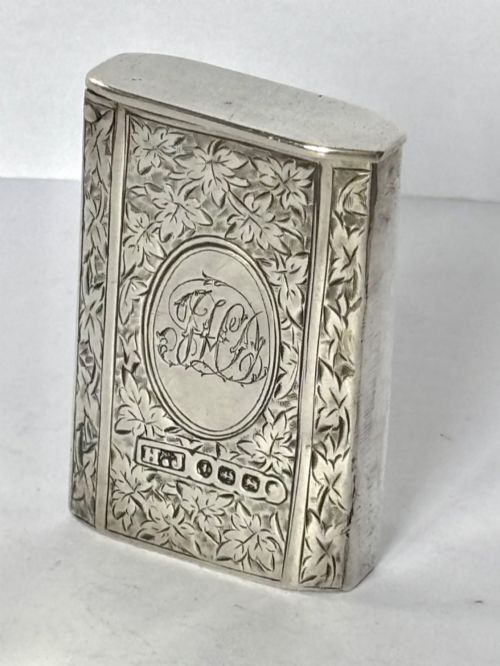
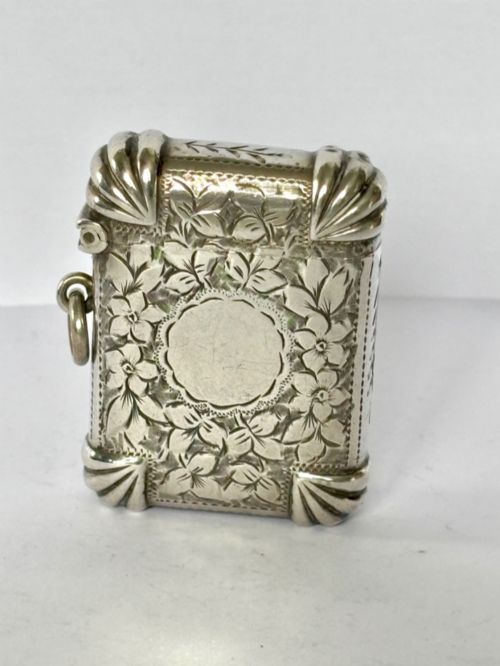
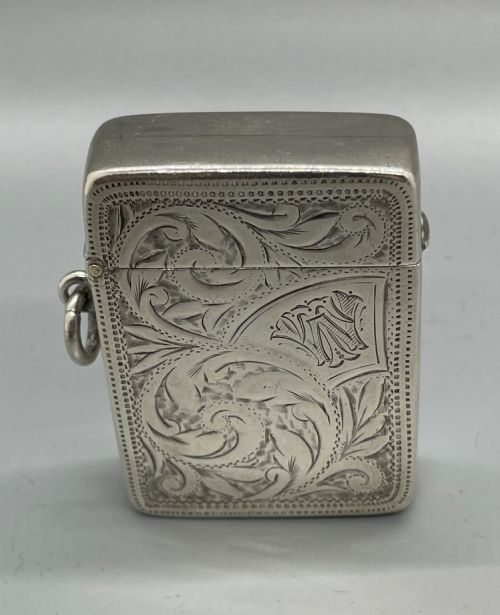
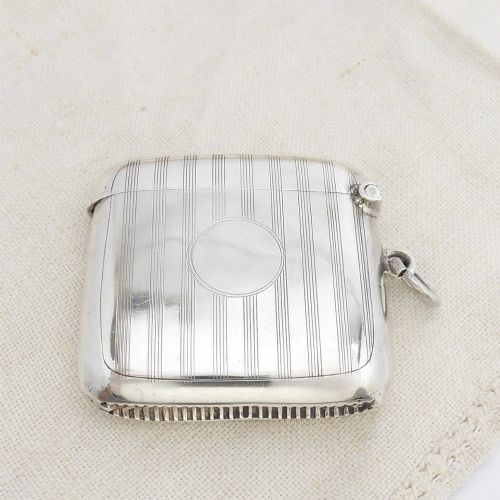

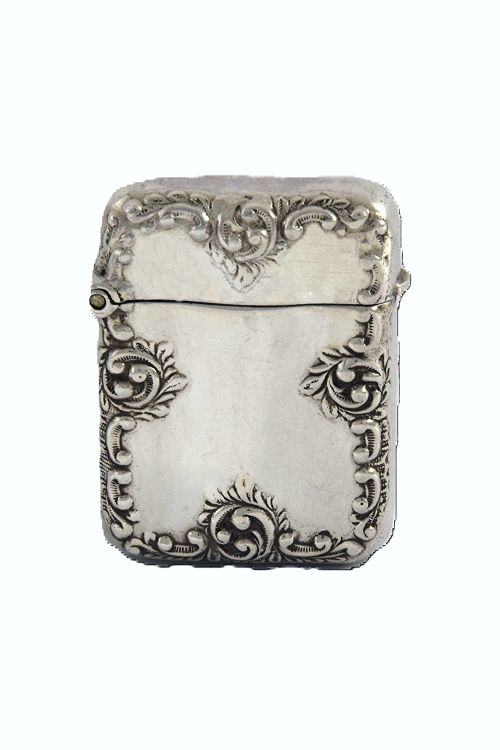

Hallmarked Silver Vesta Case
A hallmarked silver vesta case is a pocket matchsafe that brings tactile heritage and bright metal to a desk or waistcoat.
What They Are
When you search for a hallmarked silver vesta case, you encounter pocket-sized matchsafes designed for the lighting of cigars and cigarettes. These functional accessories date from the Victorian, Edwardian, and Art Deco periods, spanning the late nineteenth century into the twentieth century.
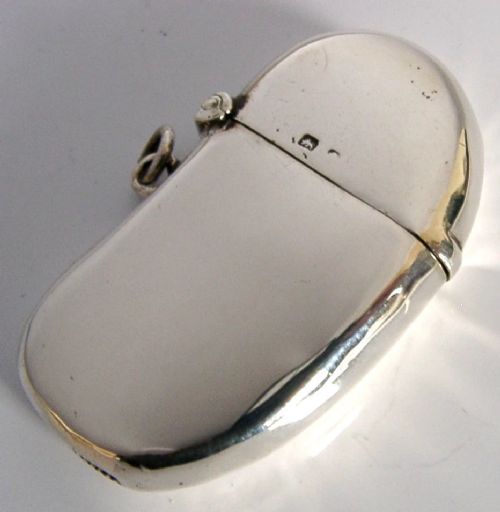
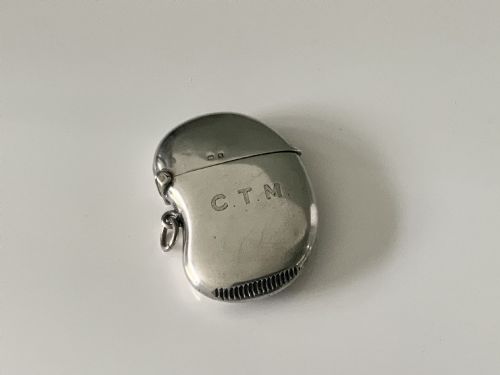
The most common forms on this page are rectangular, oblong, or curved sterling silver matchsafes originating from Birmingham, London, and Chester assay offices. You also meet novelty variations, including pieces shaped like cats, padlocks, or hearts.
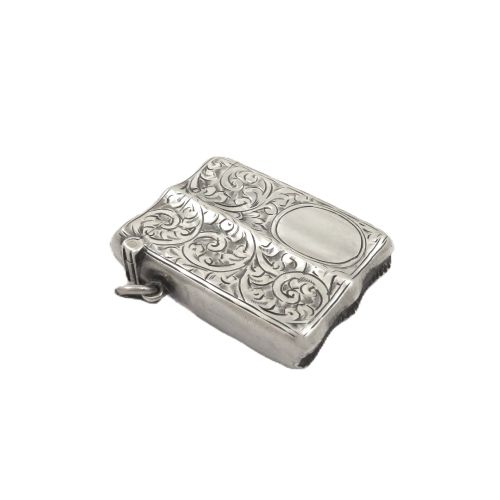
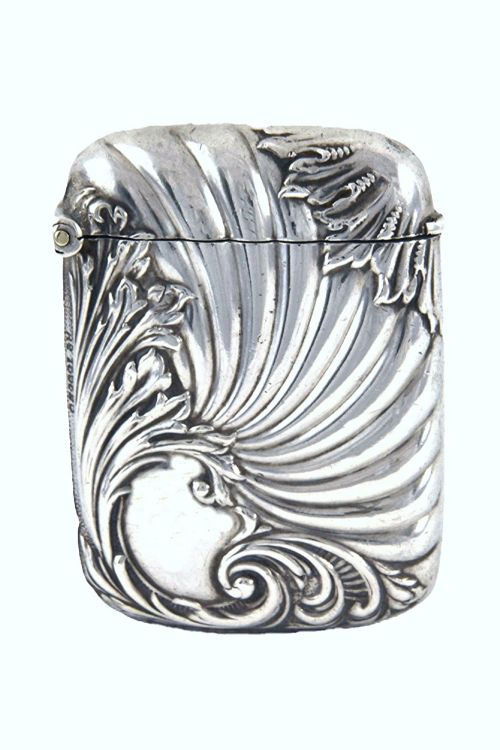
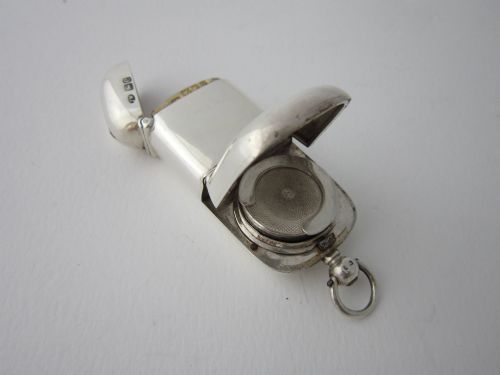
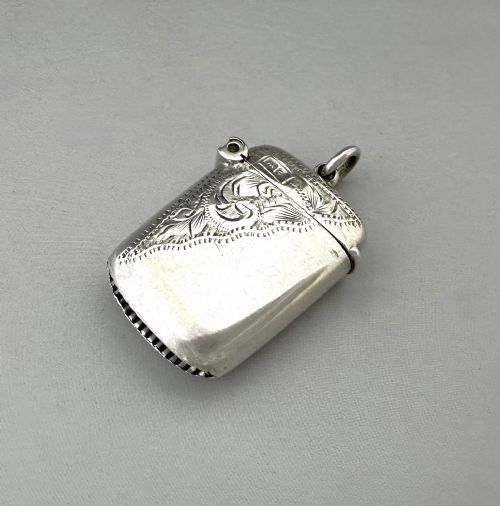
Makers such as EV Pledge & Son, Joseph Whitten, and William Aitken produced these sterling silver vesta cases using traditional British silversmithing techniques. Collectors find plain, ribbed, engraved acanthus scroll, and combination sovereign case designs represented across the archive.
How They Were Made
These items were constructed from sterling silver sheets, shaped and soldered to form secure hinged boxes for matches. Silversmiths utilised stamping, engraving, and ribbing to decorate the exterior surfaces.
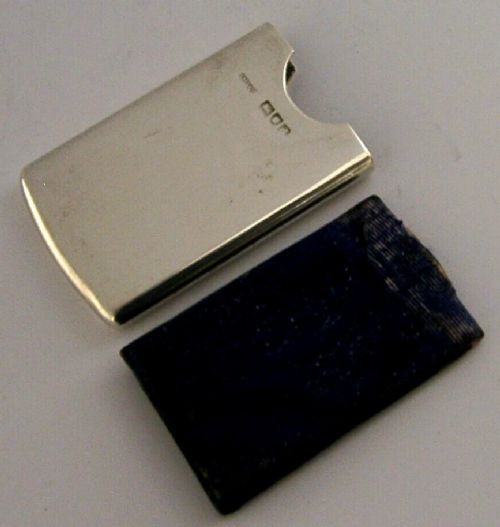
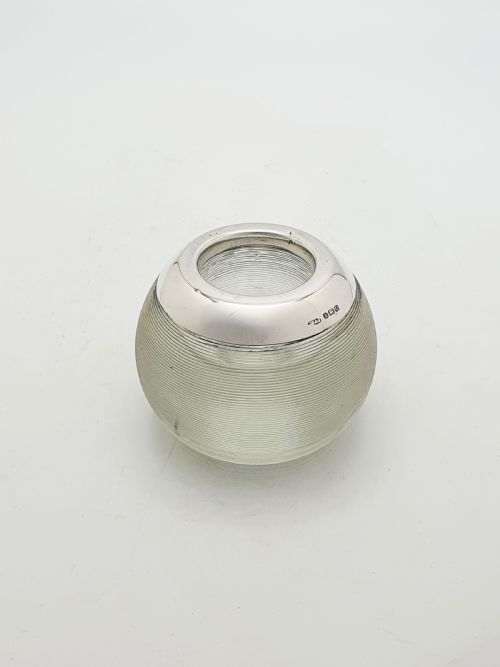
Assay office hallmarks were stamped directly onto the metal to indicate the sterling standard, assay town, and date letter. Specialised mechanisms such as push-button catches and slide openings were incorporated into specific designs.
Retail Price Guide 2026
Typical UK retail prices for hallmarked silver vesta case, calculated from the Sellingantiques database of over a million retail prices indexed since 2003. This retail price guide relies exclusively on Sellingantiques data; no external sources or auction records are used, so the figures do not describe the wider market.
Listings feature sterling silver items spanning the Victorian, Edwardian, and Art Deco periods, originating from Birmingham, London, and Chester assay offices.
What Varies in Quality
Quality in a hallmarked silver vesta case is determined by the crispness of the engraving, the weight of the sterling silver, and the precision of the hinge. Solid construction with a tight lid closure separates standard pieces from heavier, more substantial examples.
Novelty shapes and distinct maker marks add dimension to individual items, while clear and legible hallmarks contribute to historical clarity.
EV Pledg & Son·Joseph Whitten·Mappin & Webb·Abrahall & Bint·William Aitken·John Rose·Turner & Simpson·Sydenham Brothers
The Hallmarked Silver Vesta Case Glossary
- Hallmark
- Official stamps applied to precious metals indicating purity, origin, and assay year. These marks allow collectors to date British silver accurately.
- Vesta case
- A small pocket container for holding matches, known as vestas. They typically feature a striker on the base.
- Sovereign case
- A dual-purpose pocket container designed to hold both gold sovereigns and matches. These combination pieces are bulkier than standard matchsafes.
- Acanthus scroll
- An ornamental design motif carved or engraved in curling leaf patterns. This decoration is common on late Victorian silver pieces.
- Assay office
- An official body that tests the purity of precious metals and stamps them with hallmarks. Birmingham, London, and Chester are common assay locations on these pieces.
Frequently Asked Questions
What is a vesta case used for?
A vesta case was designed to carry matches safely in a pocket or handbag without accidental ignition. The rough strike strip on the bottom allowed the user to light a match on the go.
Today, they serve as decorative desk objects, pill boxes, or small pocket keepsakes for collectors of antique silver.
How do I read the hallmarks?
British hallmarks include a maker mark, a purity mark such as the lion passant for sterling silver, an assay office symbol like the anchor for Birmingham, and a date letter.
Matching these symbols against assay office records reveals the exact year and town of manufacture.
What is a combination sovereign and vesta case?
A combination case includes internal spring compartments built to hold sovereign coins alongside a separate section for matches. These dual-purpose items are typically heavier and thicker than standard matchsafes.
They reflect the functional needs of Edwardian and late Victorian gentlemen carrying currency and tobacco.
Are novelty vesta cases authentic?
Novelty vesta cases shaped as animals, hearts, or padlocks were produced by period silversmiths alongside standard rectangular boxes. Authenticity is confirmed by the presence of matching hallmarks and period construction methods.
Maker marks and engraved details help verify their origin in Victorian or Edwardian workshops.