

Antique Silver Match Striker
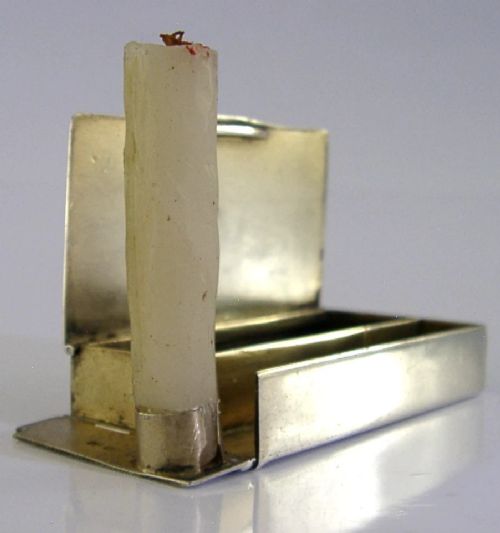
These antique silver match striker pieces combine sterling silver mounts and glass bodies to hold and ignite vestas safely.
What these pieces are
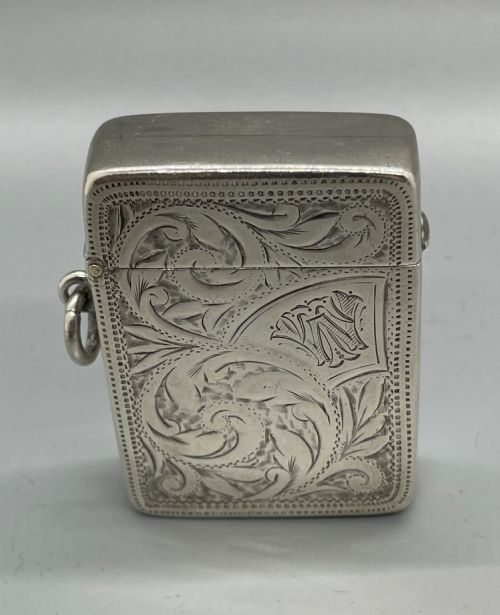
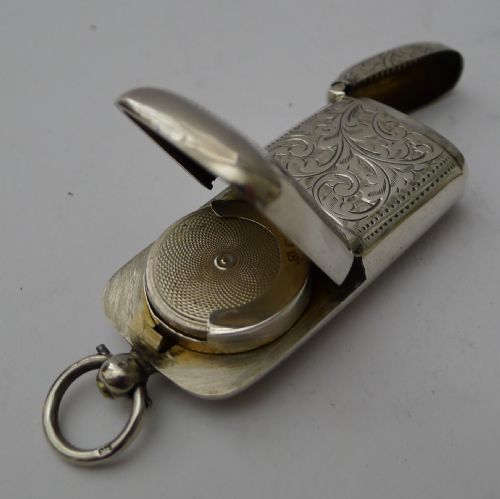
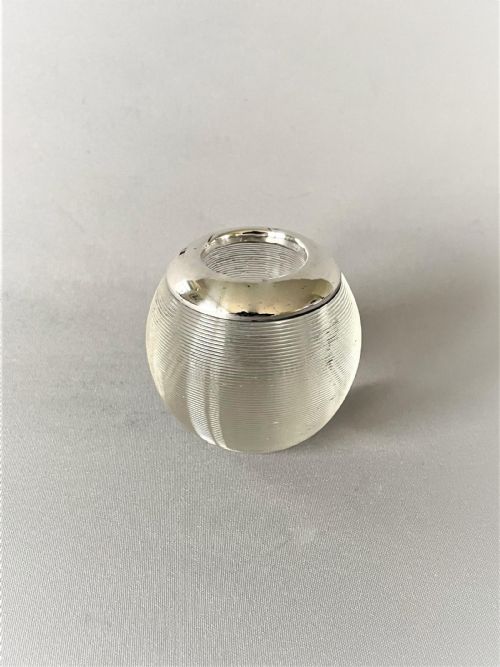
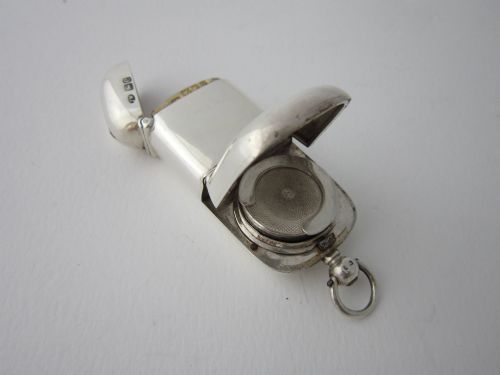
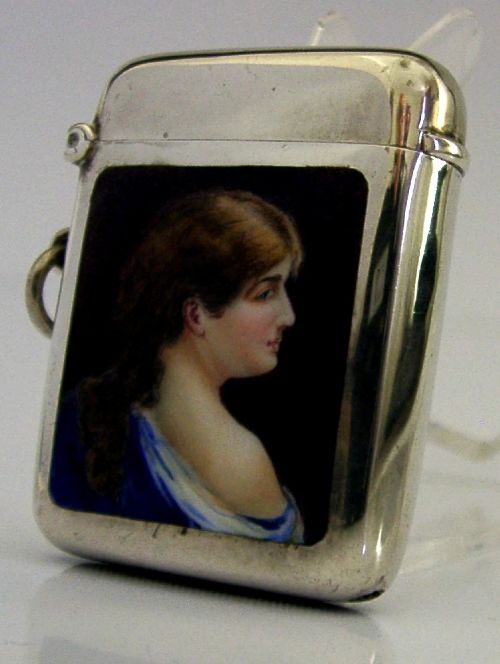
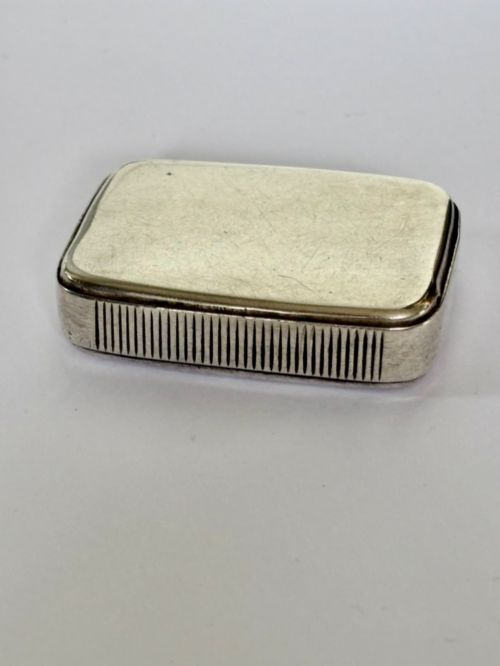
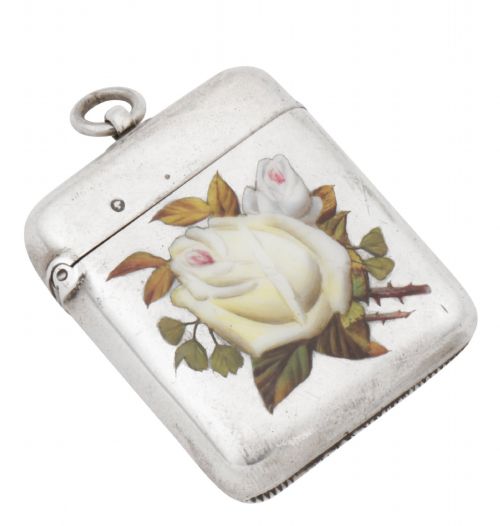
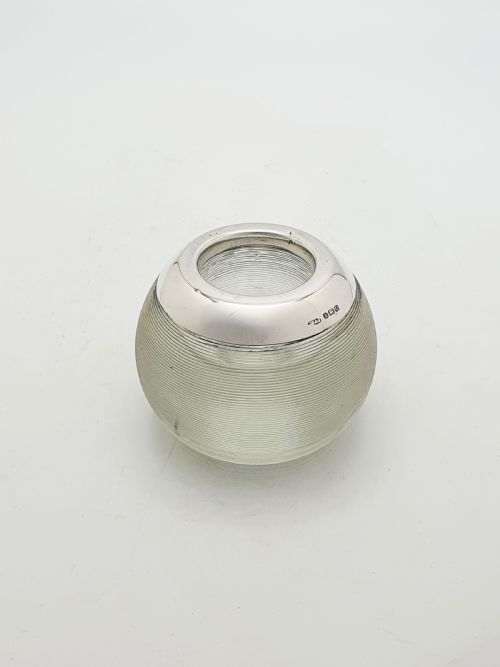
An antique silver match striker is primarily represented here by glass spheres and ceramic forms mounted in sterling silver, alongside pocket vesta cases. These items date from the Victorian, Edwardian, and George V periods.
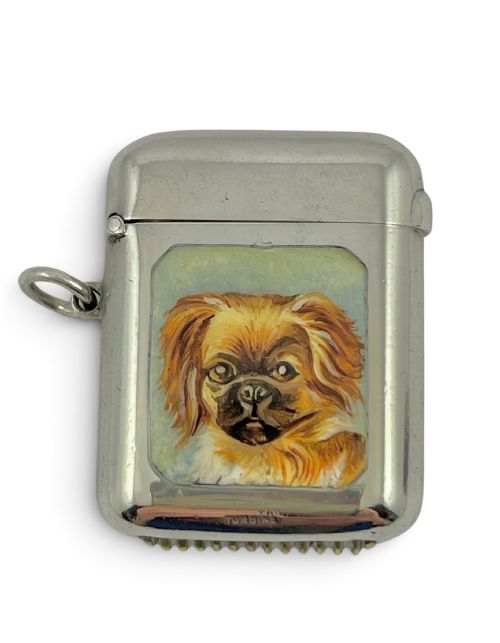
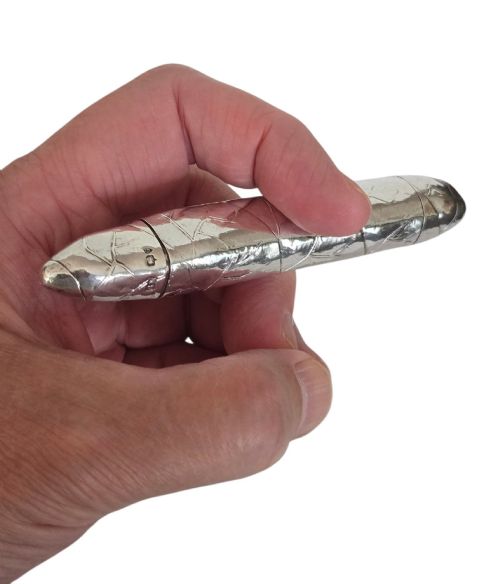
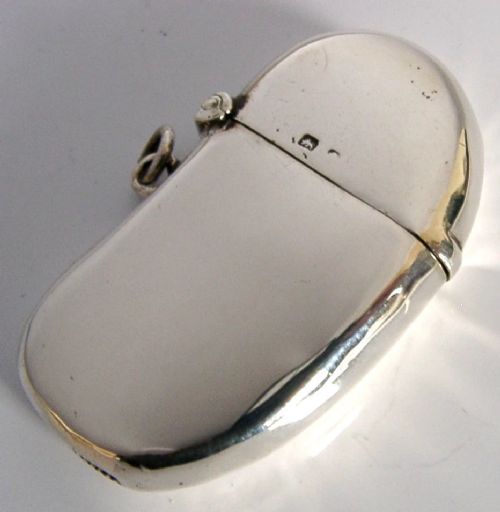
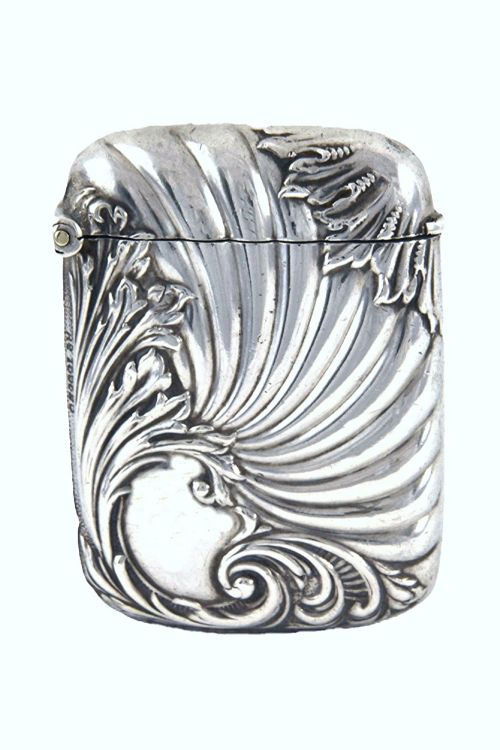
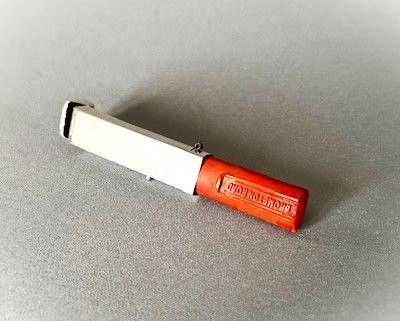
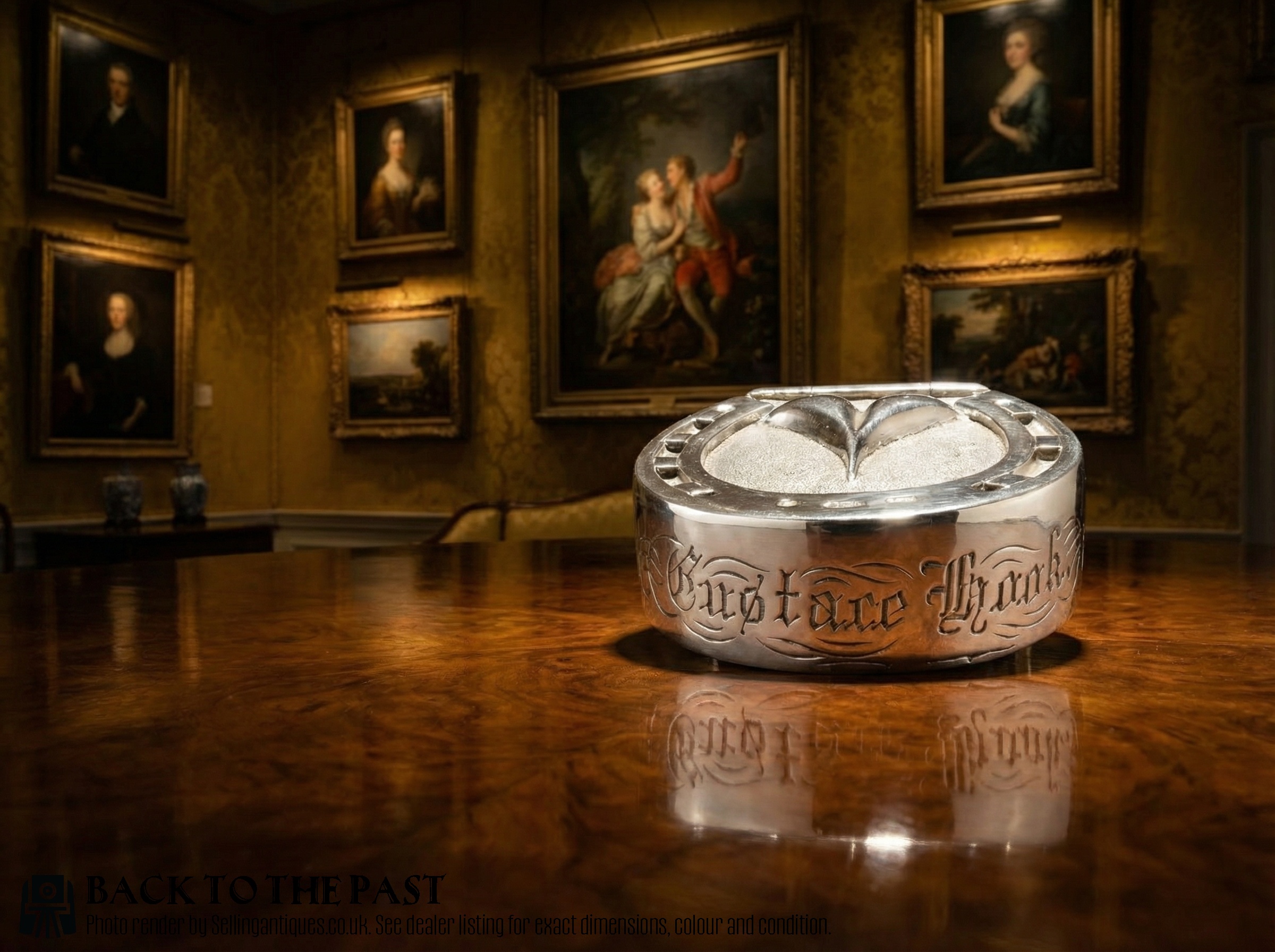
The domestic table versions sit on heavy glass or ceramic bodies, often spherical or threaded, whilst pocket variants function as portable vesta cases for daily carriage. Novelty shapes including golf balls, dog heads, and horseshoe designs appear regularly across the record.
How they were made
Silversmiths utilised sterling silver for rims, mounts, and combination sovereign cases, often pairing the metal with cut glass, threaded glass, or ceramic bodies. Enamel work and serpentine stone also feature in specific decorative examples.
Makers formed spherical glass bodies with spun threads or faceted cuts to provide a textured surface, mounting them securely beneath hallmarked silver collars designed to hold matches.
Retail Price Guide 2026
Typical UK retail prices for silver match striker, calculated from the Sellingantiques database of over a million retail prices indexed since 2003. This retail price guide relies exclusively on Sellingantiques data; no external sources or auction records are used, so the figures do not describe the wider market.
Victorian makers turned everyday objects into match storage, transforming golf balls and Jack Russell heads into desktop companions.
What varies in quality
Quality rests upon the weight of the sterling silver mount and the complexity of the glass or ceramic body. Novelty iterations, such as animal heads or sporting themes like golf balls, command attention through sculptural detail.
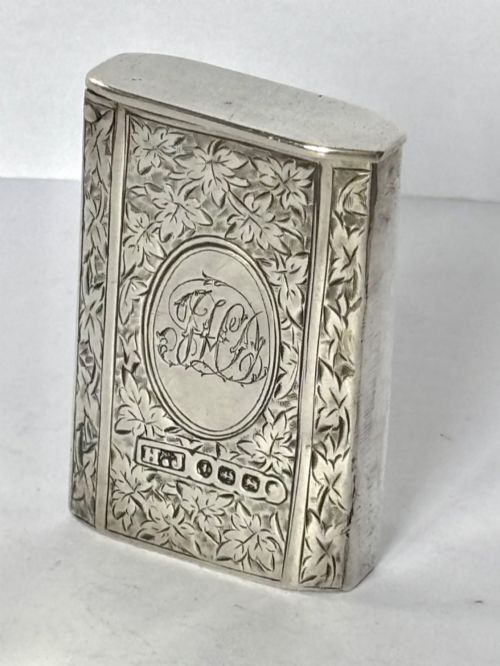
The clarity of hallmarks, the integration of enamel work, and the presence of makers such as Sampson Mordan or Robert Pringle elevate individual pieces above standard production.
Sampson Mordan and Co·Cornelius Desormeaux Saunders·James Francis Hollings Shepherd·Robert Pringle and Sons·Asprey London
The Antique Silver Match Striker Glossary
- Vesta Case
- A small pocket container designed to hold matches and protect them from moisture. These often feature an integrated striking surface on the base.
- Sterling Silver
- The standard alloy of silver comprising a high purity of precious metal, universally marked with hallmarks denoting origin and date. It forms the structural mounts on glass match strikers.
- Hallmark
- An official stamp applied to precious metals indicating the maker, assay office, and year of manufacture. These marks provide definitive dating evidence for Victorian and later pieces.
- Serpentine
- A dark green mineral rock utilised in specific novelty match strikers for its decorative pattern and weight. It provides a dense foundation for striking matches.
- Spun Thread Glass
- Glass decorated with fine exterior glass threads wound around the body. This technique creates texture across spherical match striker designs.
Frequently Asked Questions
How do you use a glass match striker?
The textured glass or ceramic body provides the abrasive surface needed to ignite safety matches or vestas. You simply draw the match head across the patterned exterior.
Most pieces incorporate a silver rim or collar that acts as a stable holder for the matches themselves, keeping them accessible on a table.
What is the difference between a vesta and a striker?
A vesta is a small pocket-sized case intended to carry matches safely on your person. They frequently include a corrugated striking strip on the bottom.
A match striker is generally a heavier stationary desk or table piece made from glass or ceramic with a silver mount, designed to stay in one room.
How can I date my silver match striker?
English silver items carry hallmarks that include a date letter indicating the exact year of assay. Comparing these stamps against registered maker marks reveals the workshop of origin.
Stylistic cues such as Edwardian mounts or Victorian novelty shapes also help narrow down the period of manufacture.
Are these pieces safe to use today?
The textured glass and ceramic surfaces remain fully functional for striking modern matches. The durable sterling silver mounts and heavy glass bodies are built for daily utility.
Care should be taken when cleaning antique silver mounts to preserve the original hallmarks and prevent damage to enamel or glass elements.