

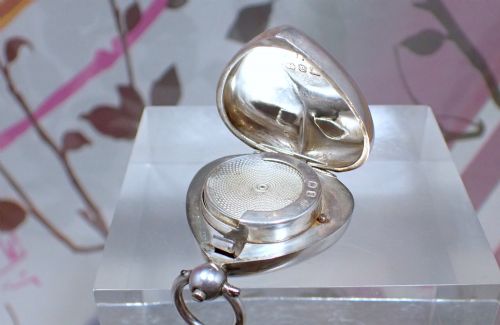


Sterling Silver Sovereign Holder
A sterling silver sovereign holder is a pocket-sized safeguard for gold coins, prized by collectors for period craftsmanship and tactile utility.
Sterling Silver Sovereign Holder
A sterling silver sovereign holder is a small pocket receptacle designed to store gold sovereign coins securely. Collectors encounter these pieces primarily in Victorian and Edwardian forms, spanning the late nineteenth and early twentieth centuries.
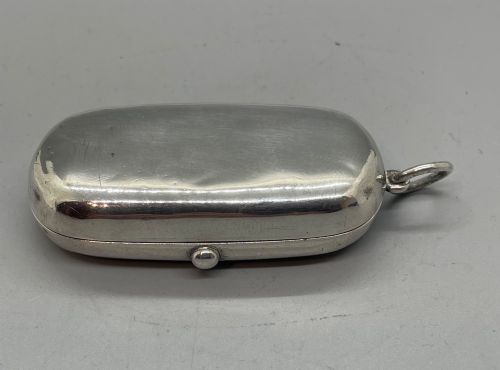
The inventory on this page consists chiefly of sovereign cases, double sovereign cases, combination vesta cases, and silver purses. These items originate from English assay offices, most notably Birmingham and London, reflecting the peak era of British coin currency use.
How they were made
These items are fashioned from sterling silver, occasionally complemented by internal silk linings or gilded interiors. Silversmiths utilised stamping, engraving, and engine-turning techniques to decorate the exterior surfaces.
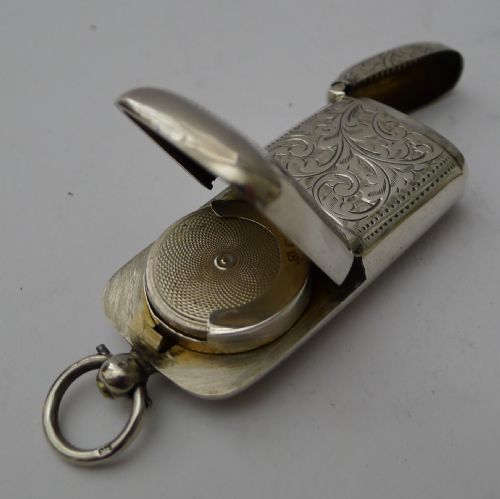
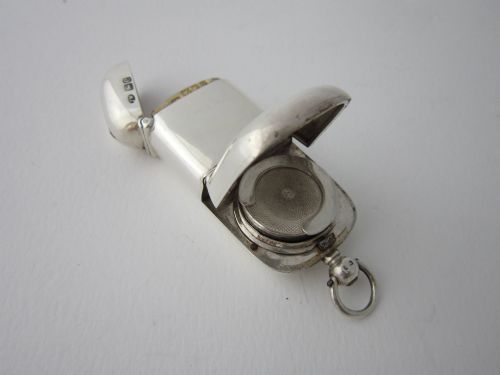
Construction methods include hinged lids with internal spring mechanisms designed to hold coins firmly in place. Combination pieces integrate match compartments, known as vestas, requiring precise metal fabrication.
Sterling Silver Sovereign Holder Retail Price Guide 2026
Typical asking prices for sterling silver sovereign holder among the pieces listed under this phrase on Sellingantiques today, from the lower quarter to the upper quarter. They describe what is for sale here now, not the wider market.
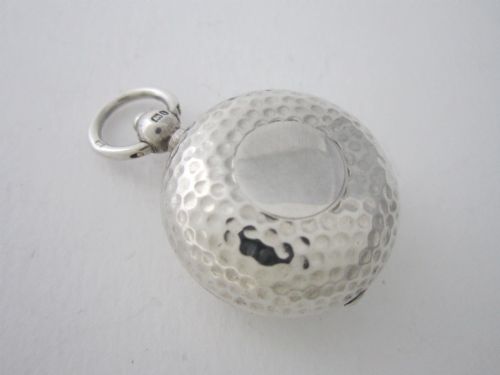
One exceptional piece takes the unusual form of a gilded golf ball, combining a sporting motif with pocket coin storage.
What varies in quality
Quality rests in the crispness of the engraved decoration and the strength of the internal coin springs. Pieces bearing clear hallmarks and the marks of noted makers command greater regard among collectors.
The distinction between standard single holders and complex double or combination vesta cases alters the tactile weight and utility of the piece. Superior examples retain their original spring tension and closure integrity.
Aaron Lufkin Dennison·Henry Charles Freeman·Wright & Davies
The Sterling Silver Sovereign Holder Glossary
- Sovereign case
- A small, pocket-sized container specifically engineered to hold one or more gold sovereign coins. They often feature spring-loaded internal clips to prevent the coins from rattling.
- Vesta case
- A small box designed to hold matches, frequently combined with sovereign holders in Edwardian and Victorian designs. These combination pieces accommodated both smoking requisites and currency.
- Hallmark
- An official stamp applied by an assay office indicating the purity of the silver, the year of manufacture, and the city of origin. British sterling silver standard is denoted by the lion passant.
- Engine-turning
- A mechanical method of ornamentation used to cut intricate geometric patterns into metal surfaces. This technique provides both visual texture and grip on pocket items.
- Assay office
- An official body that tested precious metals to guarantee their standard of fineness. Birmingham and London offices are commonly found on these pieces.
Sterling Silver Sovereign Holder: Frequently Asked Questions
What fits inside a sovereign holder?
These containers are built to house British gold sovereign and half-sovereign coins precisely. The internal spring mechanism secures the coin against movement.
Today, buyers use them to store modern bullion sovereigns or simply appreciate them as pocket-sized silver objects from the Edwardian and Victorian eras.
How do I date a silver case?
Dating relies upon the assay office marks and date letters stamped into the silver. Birmingham and London hallmarks provide specific years of manufacture.
Stylistic cues such as heart shapes or engraved foliage also help differentiate Victorian examples from later George V pieces.
Are double sovereign cases rare?
Double cases designed to carry two gold coins appear regularly alongside single variants and combination vesta cases. Their survival rate reflects their original utility for gentlemen and travellers.
Makers such as Aaron Lufkin Dennison and Henry Charles Freeman produced these dual-capacity holders during the Edwardian period.
How were combination cases used?
Combination pieces served a dual purpose by storing both gold currency and matches in a single pocket item. The vesta section housed matches, while the spring clip secured the sovereign.
This integration of functions reflects late Victorian and Edwardian manufacturing ingenuity for daily gentlemanly requisites.