




Antique Silver Coin Case
An antique silver coin case is a pocket accessory for holding currency, combining practicality with intricate period metalwork.
Antique Silver Coin Case
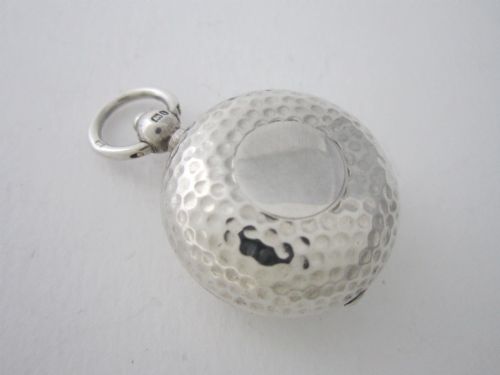
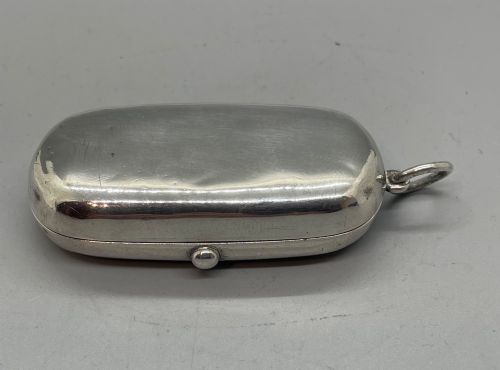
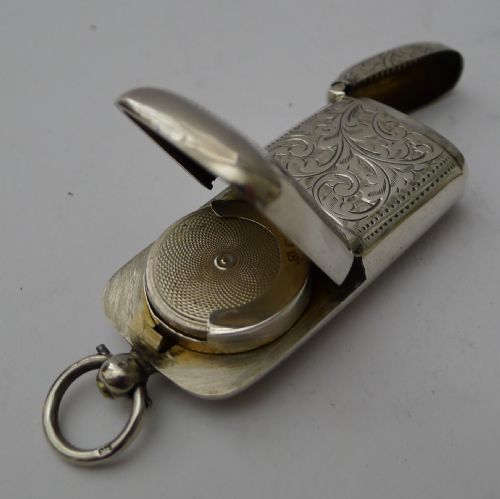
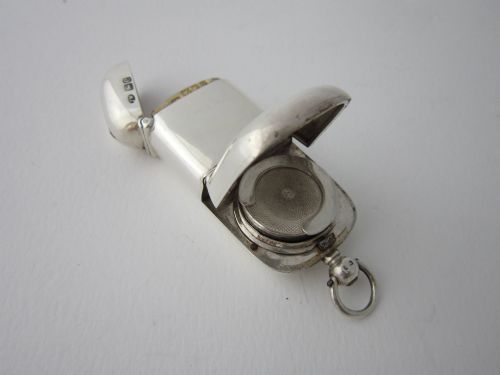
An antique silver coin case is typically designed to hold specific currency securely, taking forms such as sovereign holders, combined vesta cases, and fitted purses. These items originate predominantly from the Victorian, Edwardian, and George V periods, reflecting the everyday carry requirements of their era.
The most common versions met on this page are sterling silver sovereign cases from Birmingham and London makers, often featuring sprung mechanisms or hinged lids sized precisely for gold coins. Alongside these standalone holders, combined pieces serving dual functions like matching matchsafe compartments appear regularly.
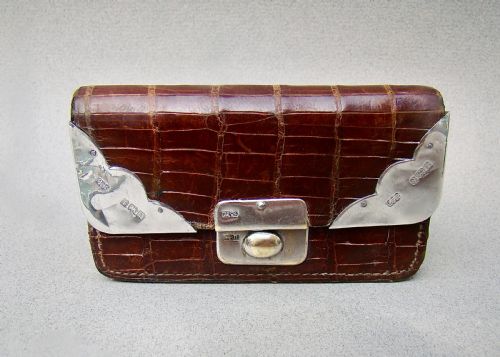
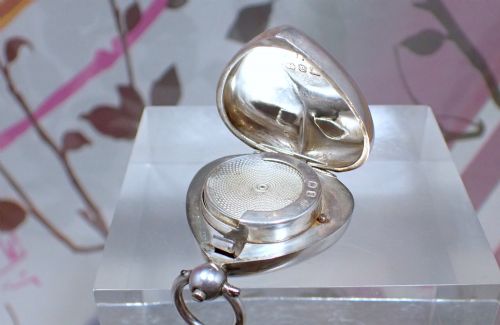
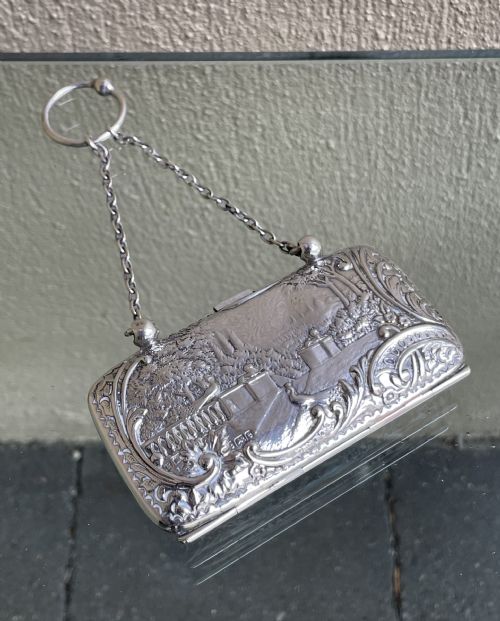
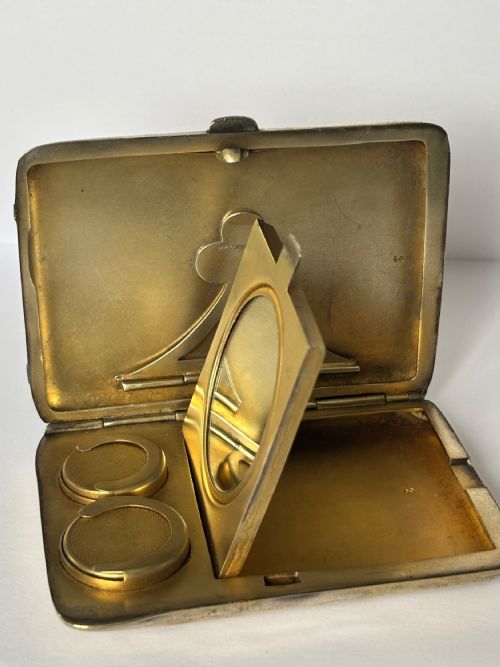
Beyond standard pocketsize holders, variations include heart-shaped designs, silver-gilt compacts, and mounted purses lined in silk or leather. French Second Empire shell purses and German silver-gilt combinations extend the range beyond standard English sovereign holders.
How they were made
Makers constructed these pieces primarily from solid sterling silver, frequently applying gold wash interiors known as silver gilt. Exterior decoration relied heavily on engine-turning, repoussé, or polished plain surfaces to catch the light.
Internal engineering mattered just as much as exterior presentation, utilising sprung steel clips to hold coins firmly in place without rattling. Linings of silk, velvet, leather, and crocodile skin added internal structure to mounted purses and vanity compacts.
Hallmarks stamped directly into the metal recorded the assay office, city of origin, and date letter, providing precise documentary evidence of manufacture.
Listings span the Victorian, Edwardian, and George V periods, featuring sterling silver, crocodile leather, and silk linings.
What varies in quality
Quality in an antique silver coin case rests upon the crispness of the chasing, the weight of the silver gauge, and the structural integrity of the spring mechanism. Lids that snap shut securely without play indicate superior original fitting by the silversmith.
The integration of secondary materials such as crocodile leather, mirror glass, or silk linings distinguishes standard utility pieces from high-end luxury accessories. Engraved monograms and custom armorial details also elevate individual items through unique provenance.
Charles Penny Brown·Aaron Lufkin Dennison·Henry Charles Freeman·Wright and Davies·Ludwig Krumm
The Antique Silver Coin Case Glossary
- Sovereign case
- A small pocket container specifically sized to hold one or two British gold sovereign coins securely. These holders use internal sprung clips to prevent the coins from sliding about.
- Vesta case
- A pocket box designed to hold matches, frequently combined in these listings with a sovereign holder in one dual-purpose item. They include a striated strike panel typically integrated into the base.
- Silver gilt
- Sterling silver that has been coated with a thin layer of gold, providing a rich yellow hue to the interior compartments. This treatment protected the silver from tarnishing where coins rubbed constantly.
- Hallmark
- A series of official marks stamped onto precious metals indicating the standard of purity, the assay office, and the year of production. They provide the definitive date for English silver.
- Repoussé
- A metalworking technique where the silversmith hammers the design from the reverse side to form raised relief patterns on the exterior. This decoration is common on Victorian purses and cases.
Antique Silver Coin Case: Frequently Asked Questions
What fits inside a sovereign case?
These cases were manufactured to hold specific British gold coin denominations, primarily the sovereign and half-sovereign, snugly within interior clips. Modern collectors frequently use them to store similar sized small medals or tokens.
The tight tolerances mean that modern currency generally does not fit, as the internal spring mechanisms were calibrated precisely for nineteenth and early twentieth century gold coinage.
How do I know the date?
English pieces carry stamped hallmarks including a standard mark, a city mark, and a sequential date letter that corresponds to the assay office records for that specific year.
Foreign items or unmarked silver-gilt pieces rely on stylistic indicators like Art Deco geometry or Victorian repoussé motifs to narrow down the decade of production.
Can I use these daily?
Many examples remain robust enough for daily use, featuring secure catches and sturdy sterling silver walls that withstand regular handling. Spring mechanisms on older holders should be tested gently to ensure they still retain their tension.
Items featuring delicate leather, silk linings, or mirror glass benefit from more careful handling to preserve their fragile interior components over time.
What is a vesta combination?
A vesta combination integrates a matchsafe compartment alongside the coin holder into a single unified pocket accessory. This allowed Edwardian and Victorian users to carry both currency and vestas in one item.
The match compartment usually incorporates a ribbed striking surface on the exterior bottom edge for igniting safety matches.