



Edwardian Sovereign Case
An edwardian sovereign case is a pocket accessory for carrying gold coins safely, offering a glimpse into early twentieth-century daily pocket carriage.

Edwardian Sovereign Case
An edwardian sovereign case is a pocket accessory designed to hold circulating gold coinage securely. The pieces seen most frequently on this page date from the Edwardian period, supplemented by related Victorian and George V items.
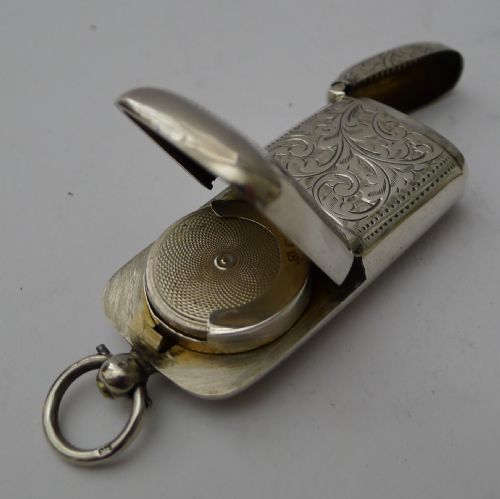
Makers produced single versions alongside double models and combination pieces that integrated vesta compartments for matches. Certain formats accommodated half sovereigns or even multiple coins simultaneously in fitted interiors.
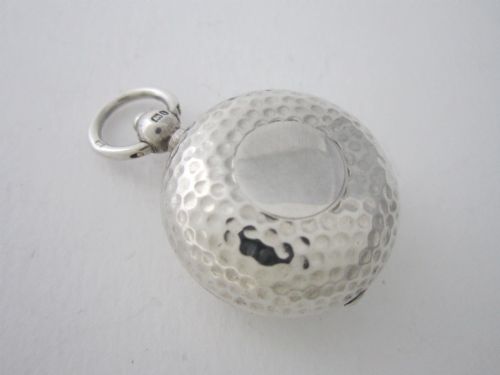
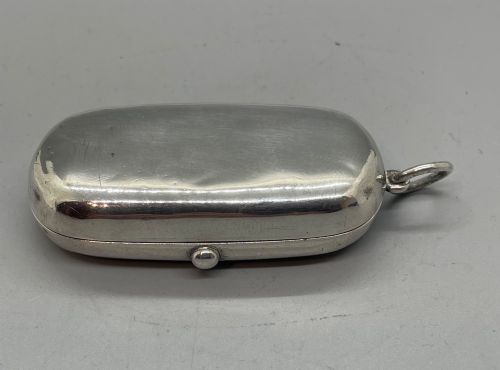
Most examples take a compact circular or slightly oval form meant for waistcoat pockets or fob chains. Surviving pieces reflect the practical carrying needs of gentlemen and ladies before paper currency dominated everyday transactions.
How they were made
Makers utilised sterling silver as the primary material, shaped through pressing, stamping and soldering. Workshops also applied surface decoration including engine turning and hand engraving to the outer metal.
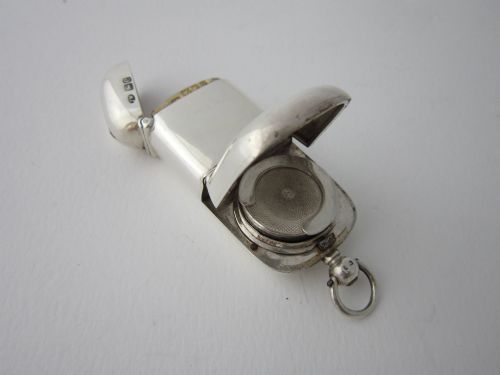
Hinged lids and internal spring clips required precise metalworking to secure the coins firmly. Hallmarks stamped into the silver recorded the assay office, city and year of manufacture.
Among the round and oval forms, makers occasionally shaped a sovereign case to resemble a dimpled golf ball.
What varies in quality
The distinction between standard items and superior pieces rests on the complexity of the internal mechanism and the crispness of the exterior decoration. Double sovereign cases and combination vesta designs demonstrate more intricate construction than simple single holders.
Makers' marks from notable silversmiths elevate the standing of an item. Sharpness in chased patterns and smooth operation of the spring-loaded internal clips separate finer examples from routine production.
Aaron Lufkin Dennison·Henry Charles Freeman·EJ Trevitt and Sons·Richard John Green·James Deakin and Sons·Samuel Levi·J W Kirwan and Co·William Hair Haseler·George Unite·Asprey
The Edwardian Sovereign Case Glossary
- Sovereign case
- A small metal container shaped to hold one or more gold sovereign coins. They protected currency from loss or damage in the pocket.
- Vesta case
- A small pocket box designed for holding wax matches. Combination pieces joined this function with a sovereign holder.
- Sterling silver
- An alloy of silver containing 925 parts of pure silver per thousand. British items carried official hallmarks to verify this standard.
- Hallmark
- An official stamp struck on precious metals indicating the maker, assay office and year. Birmingham and Chester offices appear frequently on these items.
- Engine turning
- A decorative mechanical engraving technique producing geometric patterns on metal surfaces. This finish reduced the visibility of minor handling marks.
Edwardian Sovereign Case: Frequently Asked Questions
How do these cases work?
The spring-loaded internal clip holds the gold coin firmly against the back of the case until released. A hinged lid snaps shut to keep the contents secure during movement.
Combination versions include a separate compartment for matches, accessed via a distinct hinged lid or sliding drawer.
What fits inside them?
Standard cases accommodate a single full sovereign coin minted during the period. Other variants hold half sovereigns, multiple coins, or combine the storage with a vesta pocket.
Internal liners and brass clips varied depending on whether the piece was made for single or multiple coins.
How are they dated?
Assay office stamps and date letters stamped into the silver provide the exact year of manufacture. Birmingham and Chester hallmarks connect the piece to specific assay office records.
Stylistic indicators such as Art Nouveau motifs or plain Edwardian polished finishes also point to the period of creation.
How were they carried?
Owners slipped them into waistcoat pockets or attached them to fob chains hanging from a pocket watch chain. The compact shape kept the heavy gold coin balanced and accessible.
Ladies sometimes carried them within small purses or attached them to chatelaines alongside other personal accessories.