
Engraved Silver Pocket Case
An engraved silver pocket case is a pocket accessory of precious metal bearing hand-chiselled or incised surface decoration, prized for personal utility and fine period craftsmanship.
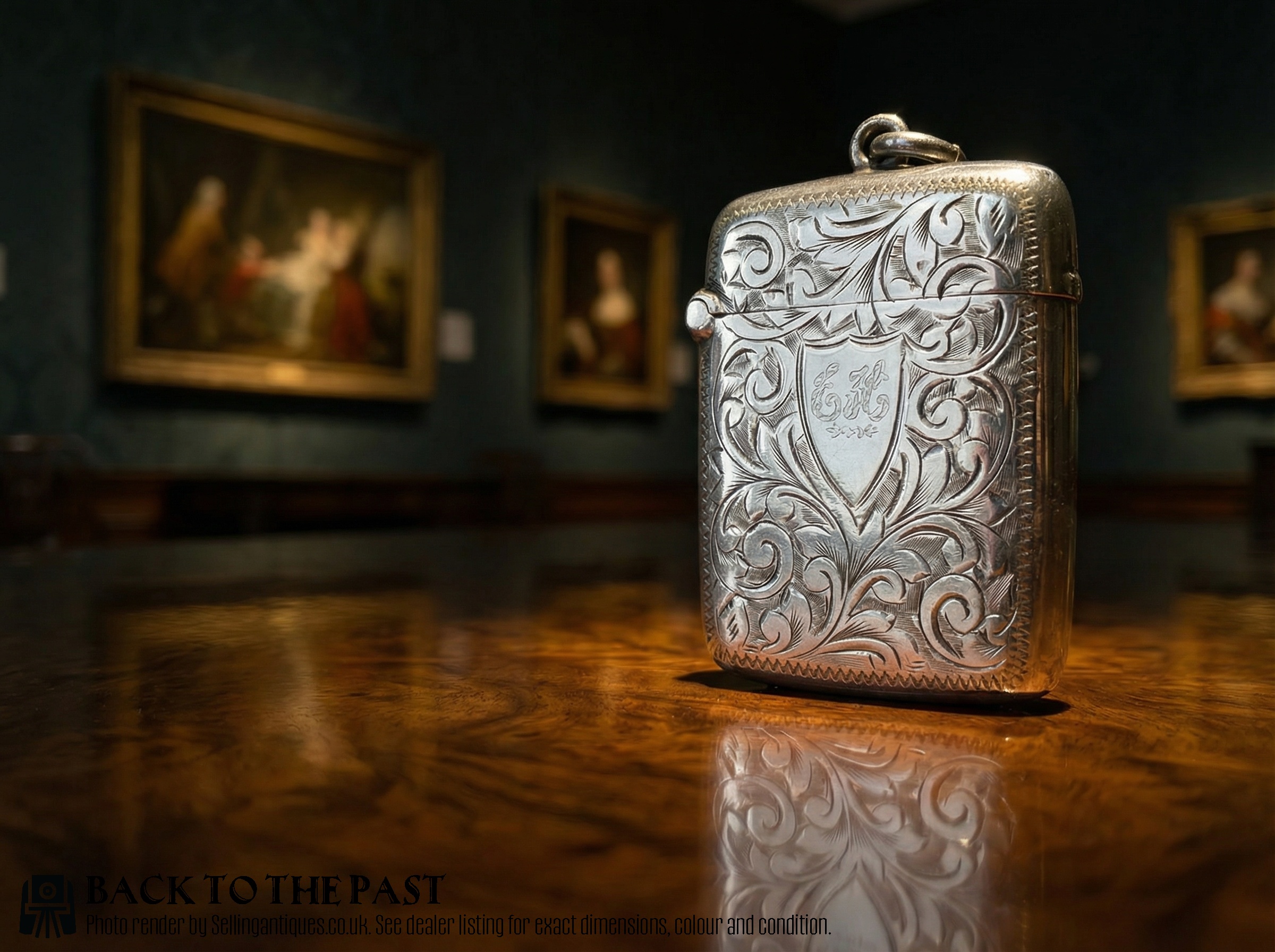
Understanding the Pieces
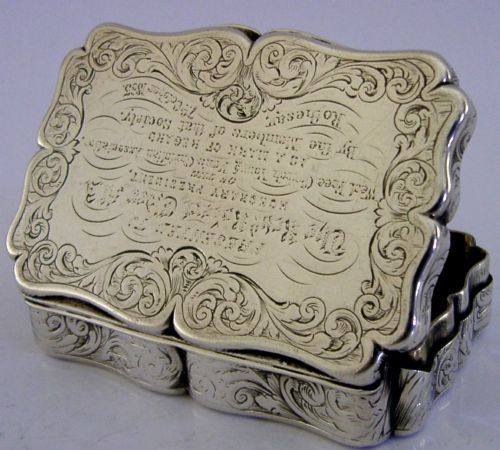
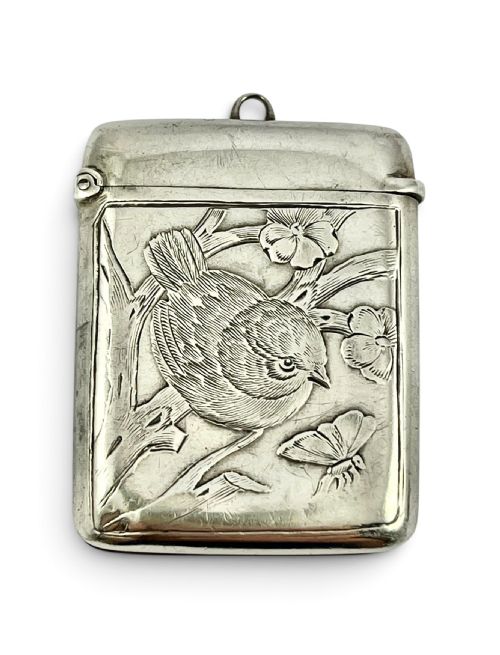
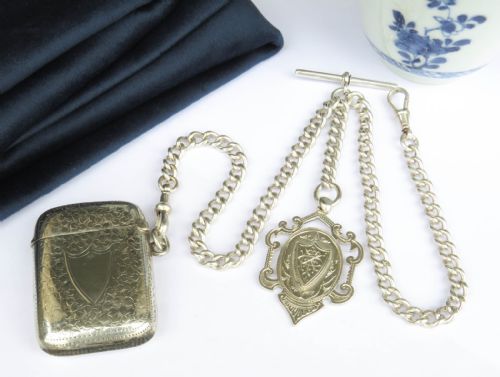
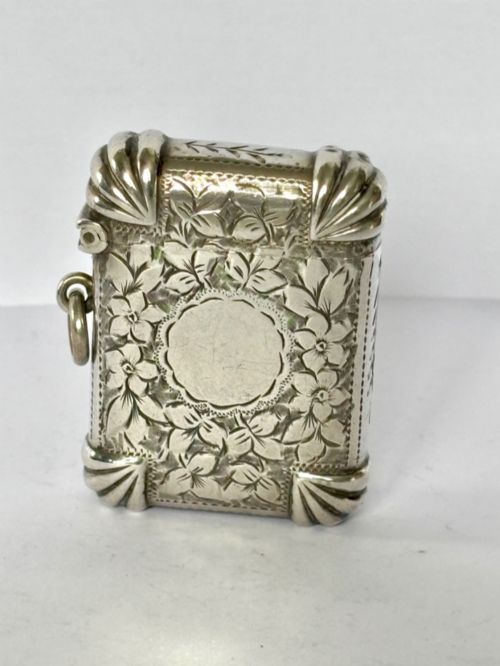
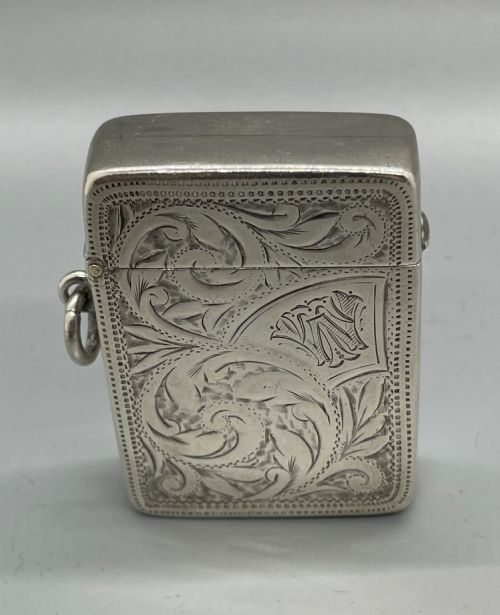
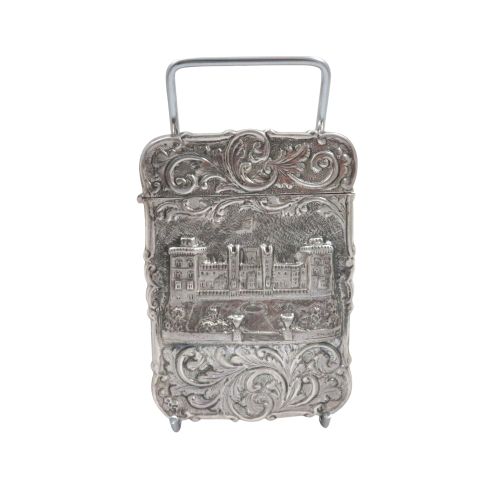
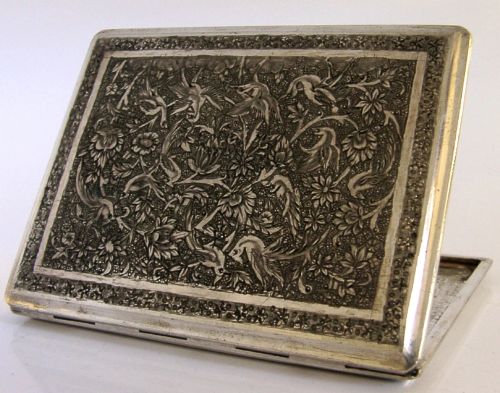
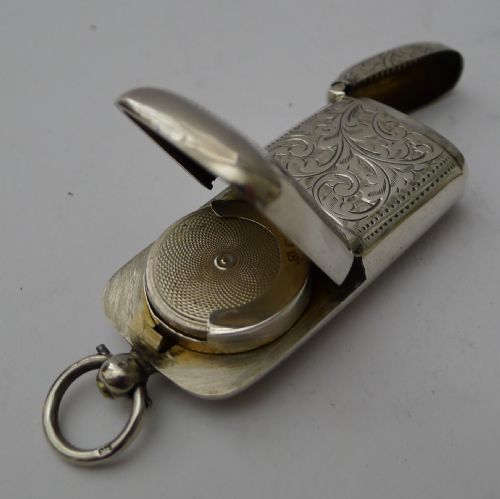
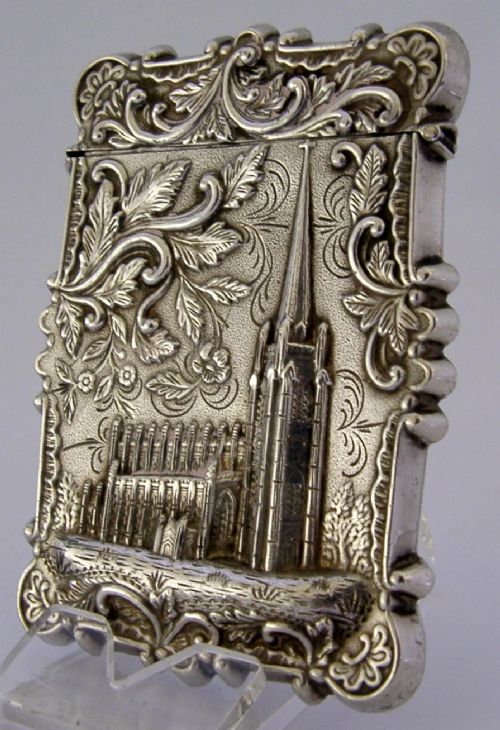
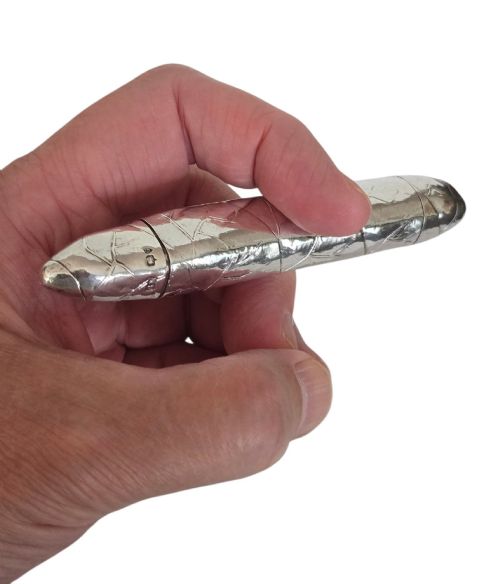
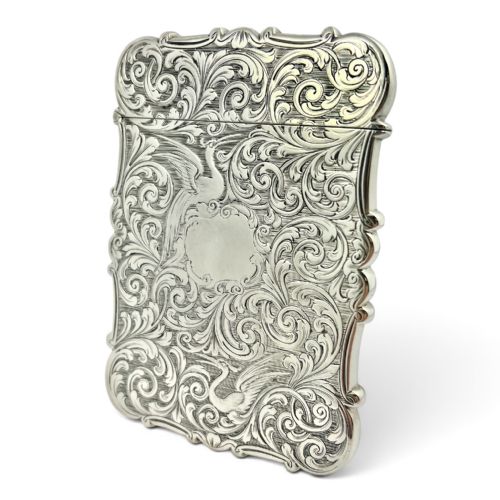
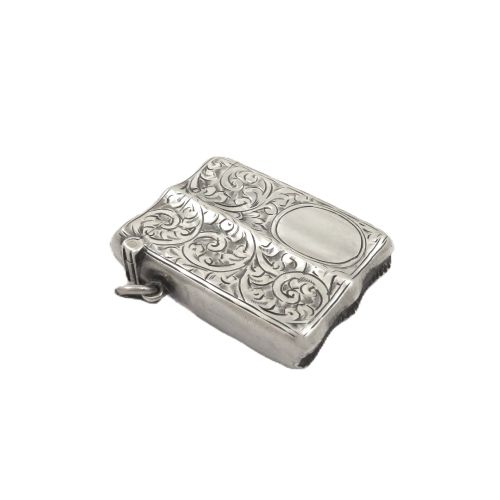
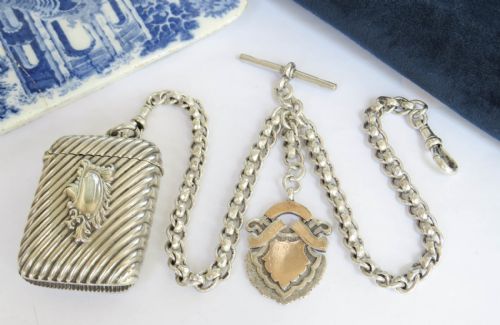
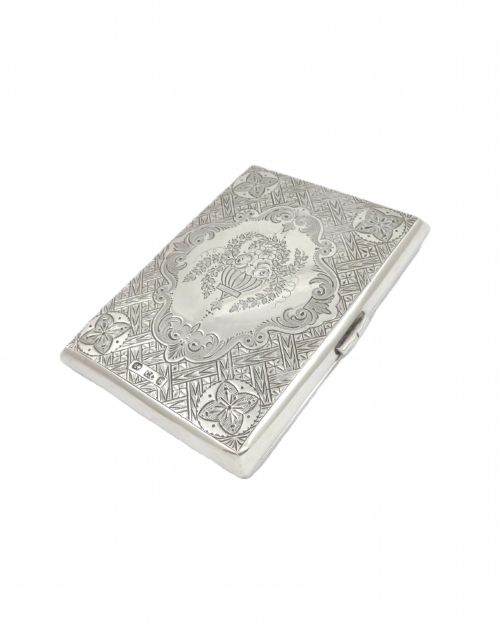
An engraved silver pocket case encompasses small personal containers designed to hold vestas, cigarettes, or cigars within a portable format. When searching for an engraved silver pocket case, buyers encounter items produced across the Edwardian era, the 1920s, and the 1930s. The forms appearing on this page include vesta cases, cigarette cases, and pocket cigar cases.
The most frequent examples met here belong to the Edwardian period and the Art Deco style, alongside Ottoman eastern pieces. These items served everyday social rituals, holding matches for lighting pipes or tobacco products securely in the pocket.
Materials and Technique
The primary material recorded across these listings is sterling silver and solid silver, chosen for durability and malleability in pocket use. Metalsmiths formed the bodies through sheet metal shaping and hinged assembly.
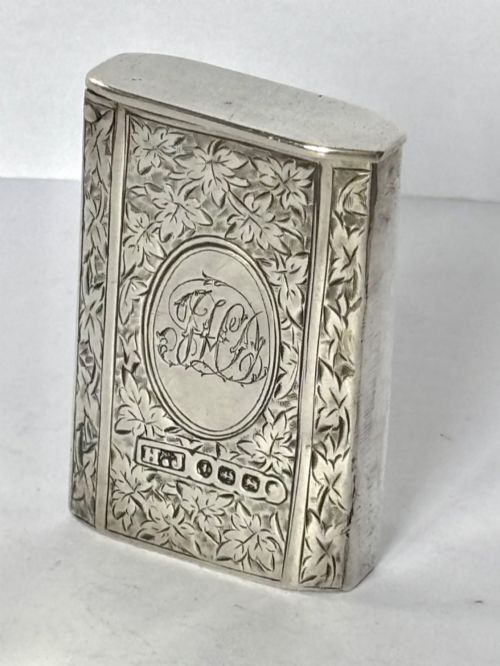
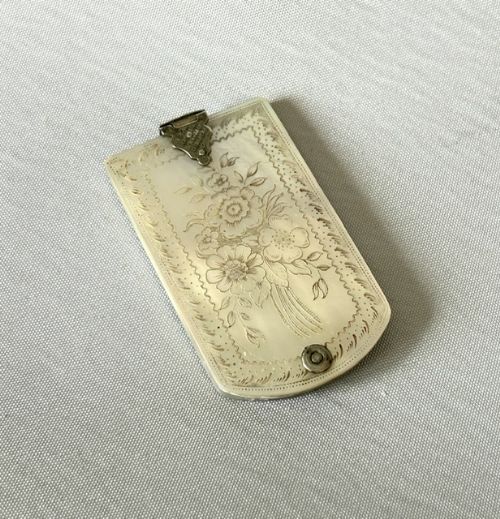
Decoration relied upon hand engraving, inscribing geometric patterns, floral motifs, or symbols such as stars directly onto the metal surface. Hallmarking stamps applied by assay offices verified the purity of the silver.
Some cases secretly harboured stars in their engraving, offering a quiet flash of the cosmos inside a gentleman's pocket.
Assessing Quality
Quality in these pocket containers rests upon the crispness and depth of the hand engraving rather than mere surface shine. Finer examples display meticulous linework that remains sharp across hinges and edges.
The weight of the silver contributes to the tactile appeal, as heavier gauges resist bending during daily carry. Furthermore, the precision of the closure and the snug fit of the lid distinguish superior specimens from standard output.
The Engraved Silver Pocket Case Glossary
- Vesta case
- A small pocket container designed to hold matches, typically featuring a striker on the base. These items were essential accessories before the widespread availability of safety matches.
- Sterling silver
- An alloy comprising ninety-two point five percent silver and seven point five percent other metals, usually copper. This standard ensures sufficient hardness for functional pocket items.
- Art Deco
- A design style prevalent during the 1920s and 1930s characterised by sleek geometric lines and stylised motifs. Pieces from this era often adopt minimalist symmetry.
- Assay mark
- A stamp indicating the purity of the precious metal and the office where it was tested. British pieces commonly show town marks and date letters.
Frequently Asked Questions
What did people carry in a pocket case?
Owners used these cases to hold matches, cigarettes, or cigars safely in their pockets during daily outings.
The slim profile protected the contents from crushing while fitting comfortably into a waistcoat or jacket.
How do I identify an Edwardian silver case?
Edwardian items date from the reign of King Edward VII, spanning the early years of the twentieth century.
Assay office marks and date letters stamped onto the silver provide precise verification of the production year.
What is the difference between a vesta and a cigarette case?
A vesta case is specifically sized to store matches and includes a ribbed striking surface for ignition.
Cigarette and cigar cases are larger, flatter containers engineered to keep rolled tobacco in neat alignment.
How should I clean engraved silver?
Gentle dusting with a soft cloth preserves the dark contrast within the engraved incisions.
Avoid abrasive polishes that can wear away the fine hand-chiselled details over time.