





Traditional Spice Container
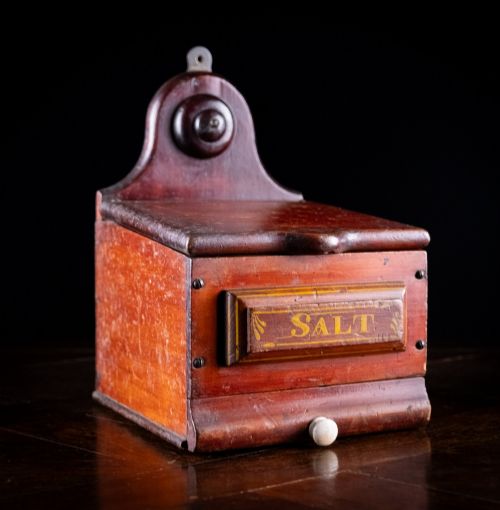
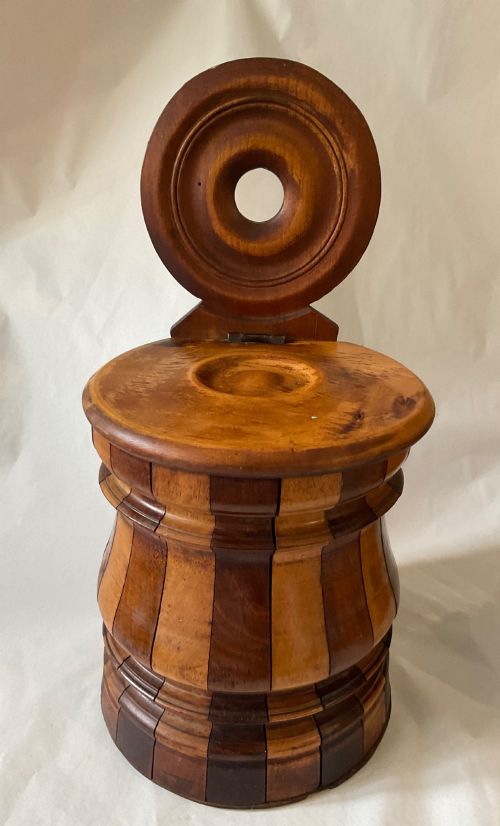
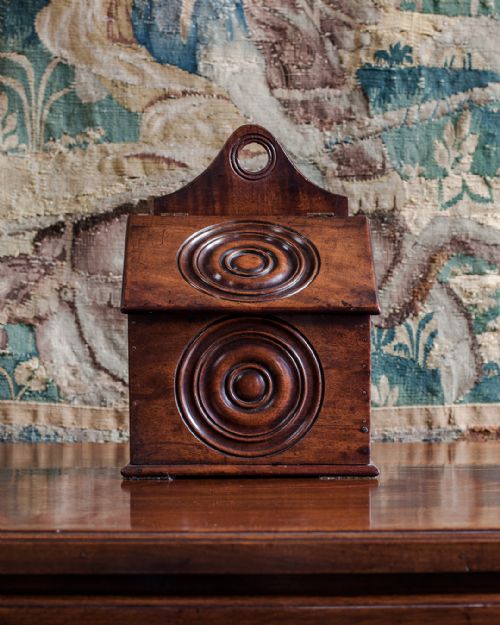
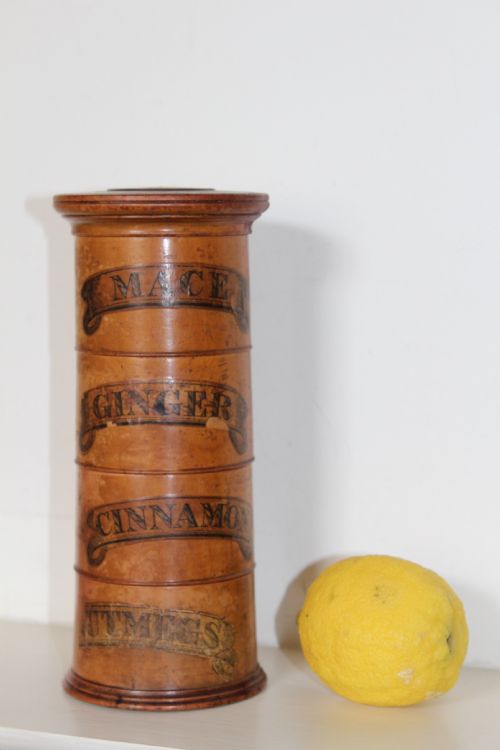
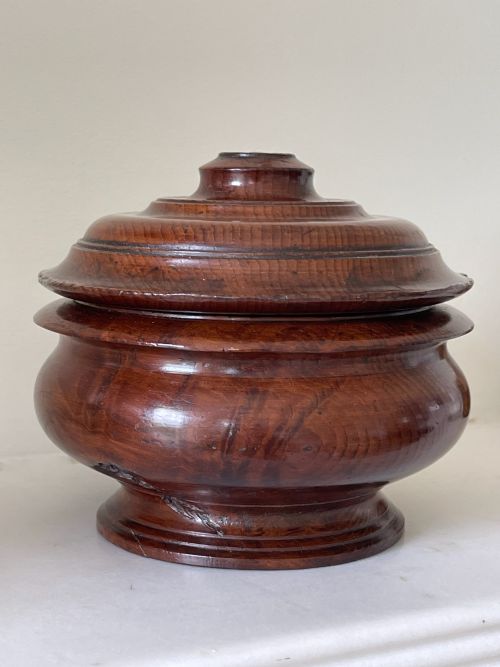
These traditional spice container examples span turned treen, carved wood and filigree silver, offering practical compartments for aromatic stores.
Traditional Spice Container
A traditional spice container brings together domestic utility and regional craftsmanship from the nineteenth century onwards. Buyers searching for a traditional spice container encounter turned treen jars, multi-tiered towers, and carved wooden boxes designed to hold culinary powders or fragrant herbs. These pieces reflect domestic habits of storing provisions securely in kitchens and household spaces.
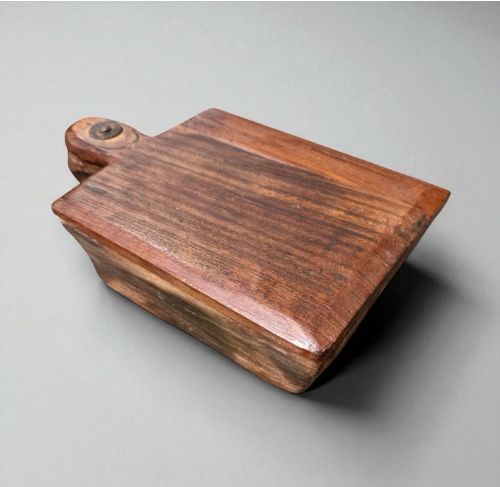
The selection here encompasses English country treen alongside Indian vernacular work and silver Judaica items. Forms range from simple sycamore jars and yew wood pots to graduated sets of painted boxes and stacked spice towers with multiple compartments. Each object demonstrates how makers solved the everyday problem of keeping flavourings dry and contained.
How they were made
Makers utilised native and exotic timbers including boxwood, mahogany, sycamore, teak, and yew wood, often shaping them on a lathe into turned treen vessels. Hand-carved hardwood boxes show the evidence of chisels and gouges, reflecting regional woodworking traditions in India and Britain. Selected pieces incorporate metal elements such as brass fixtures or iron hinges to secure lids and join sections.
Silverwork appears in filigree designs, constructed through soldering fine wire to form openwork compartments suitable for ritual spice containers. Painted surfaces on Kashmiri pieces demonstrate applied pigments over a prepared ground, sealing the wood while adding decorative patterns. Construction methods vary from simple pegged joints in kitchenware boxes to sophisticated multi-tier stacking mechanisms.
Traditional Spice Container Retail Price Guide 2026
Typical asking prices for traditional spice container among the pieces listed under this phrase on Sellingantiques today, from the lower quarter to the upper quarter. They describe what is for sale here now, not the wider market.
Some multi-tier towers stack like tiny wooden skyscrapers designed exclusively for aromatic herbs.
What varies in quality
The refinement of the turning and the crispness of carved detail distinguish finer traditional spice container examples from utilitarian kitchen items. Superior timber selection, such as figured mahogany or well-chosen yew wood grain, elevates the visual presence of simple treen jars and pots. Preserved original surfaces, whether polished wood or painted decoration, retain the tactile character intended by the maker.
Complexity of construction separates multi-tier spice towers and graduated sets from single-compartment boxes. The precise alignment of stacked sections and the integrity of fitted lids indicate the skill of the original workshop. Pieces retaining their complete set of graduated tiers or matching covers command greater interest than assembled or incomplete groups.
The Traditional Spice Container Glossary
- Treen
- Small wooden domestic objects made by turning or carving. This encompasses items ranging from simple kitchen jars to decorative boxes.
- Spice Tower
- A multi-tiered container with stacked compartments used in ritual or domestic settings. These pieces separate different aromatic powders within a vertical structure.
- Filigree
- Openwork metal decoration formed from fine twisted wires soldered together. This technique appears in silver Judaica spice containers.
- Sycamore
- A pale hardwood commonly used for treen and kitchenware. Turners utilised its fine grain for smooth-surfaced jars and covers.
Traditional Spice Container: Frequently Asked Questions
What were traditional spice containers used for?
These vessels held culinary spices, herbs, or aromatic powders in domestic kitchens and dining rooms. Multi-tiered towers also served specific ceremonial functions in household traditions.
Contained storage kept volatile flavours from escaping and protected dried goods from dampness. Different compartments allowed cooks or households to keep several varieties separate within a single object.
How do I date an antique wooden spice box?
Dating relies on observing tool marks, timber choices, and construction methods characteristic of specific periods. Eighteenth-century pieces often display hand-turned ridges and simpler forms, while Victorian examples show greater variety in exotic woods.
Secondary evidence comes from wear patterns and the ageing of the timber surface. Unsigned treen requires comparison with dated pieces sharing similar turned profiles or regional carving styles.
How should I clean and care for antique treen?
Maintain wooden surfaces by dusting with a dry, soft cloth and avoiding moisture or harsh cleaning agents. Natural beeswax applied sparingly helps nourish dry timber without sealing the pores.
Keep containers away from direct sunlight and radiators to prevent the wood from splitting or warping. Silver components require gentle cleaning with a specialised cloth to preserve fine filigree wirework.