
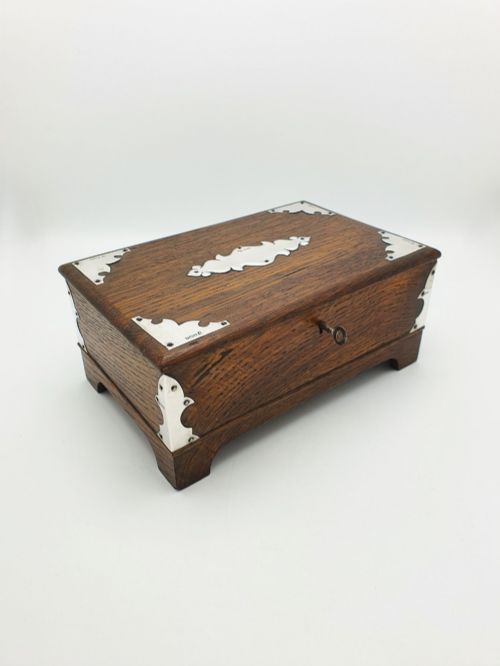
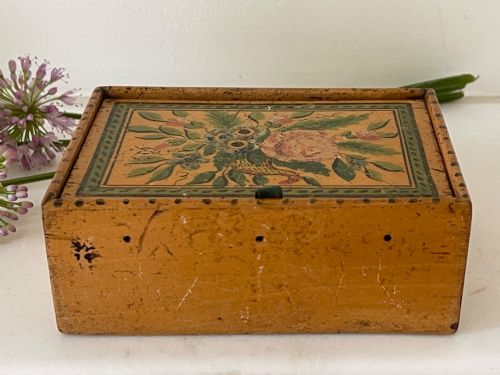
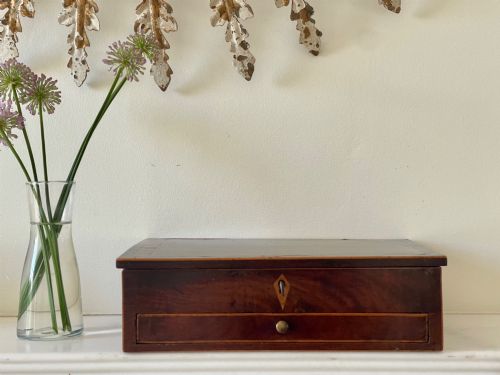
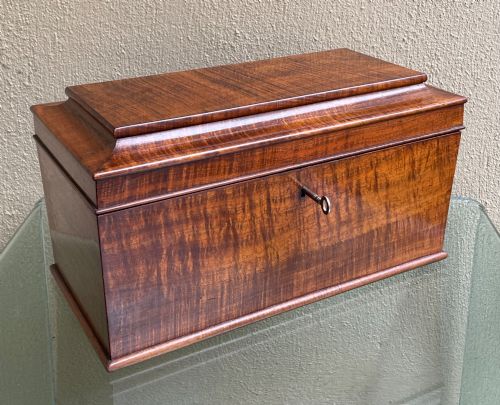
Vintage Wooden Trinket Box
These vintage wooden trinket box examples offer compact places to store small valuables, crafted in diverse global traditions.
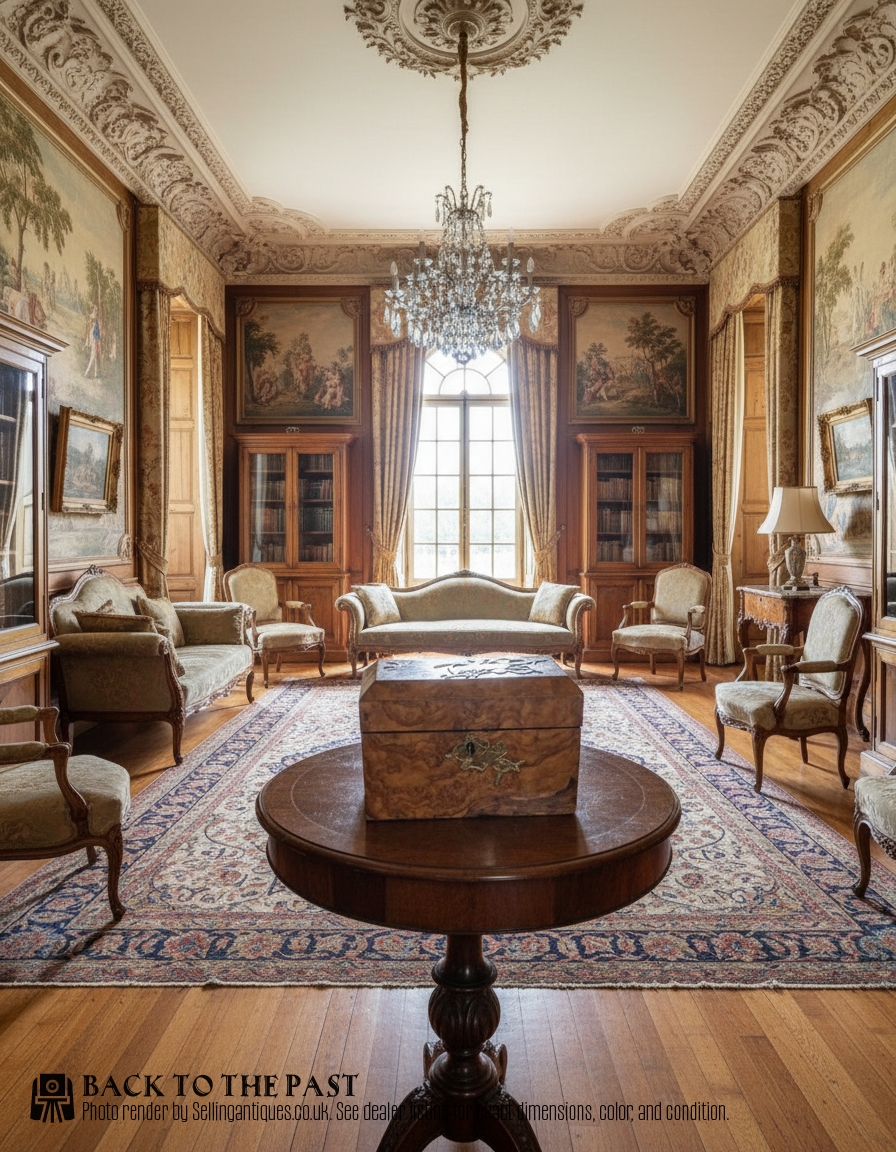
What these pieces are
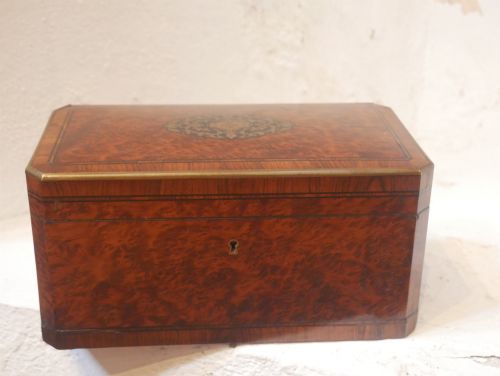
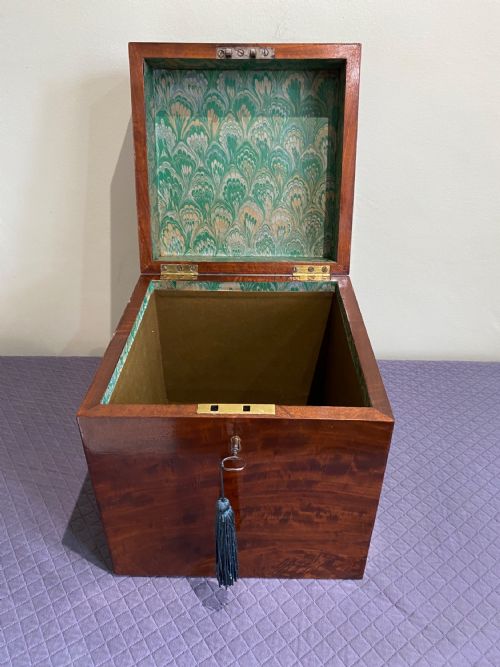
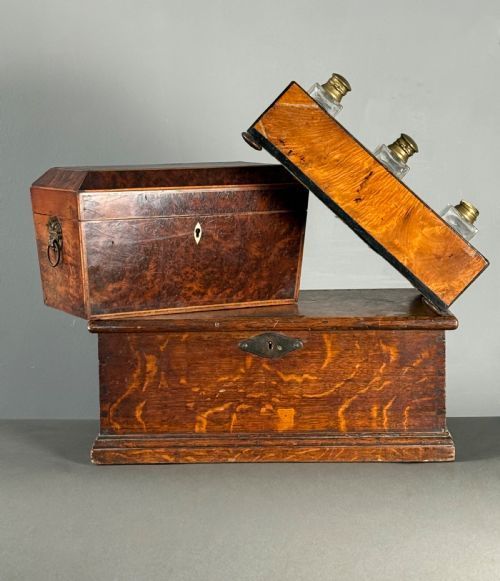
When searching for a vintage wooden trinket box, you encounter items primarily catalogued as tea caddies, decorative boxes, snuff boxes, and spice powder boxes. These containers originate from the eighteenth century, the Victorian era, and the Edwardian period, along with examples dated around nineteen hundred.
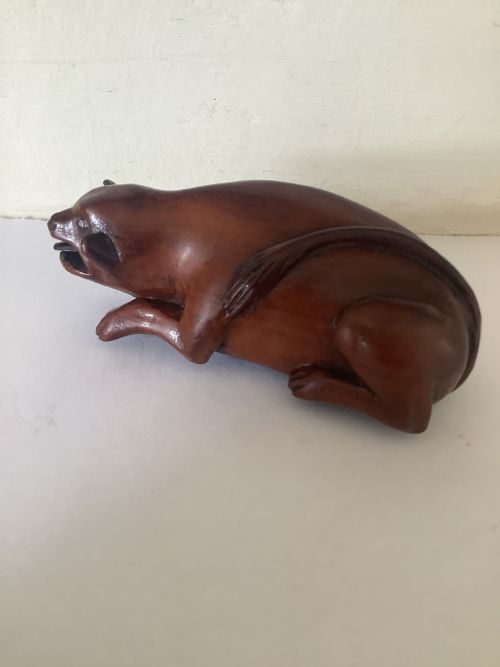
The assortment includes regional styles such as Georgian, George III, Indian vernacular, and African tribal work. The forms range from finely fitted tea caddies to hand-carved containers representing specific cultural heritages.
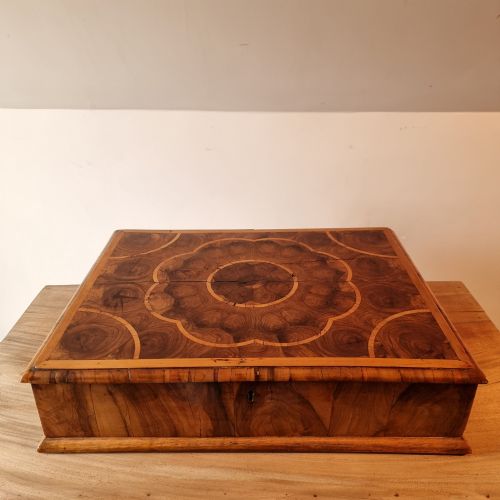
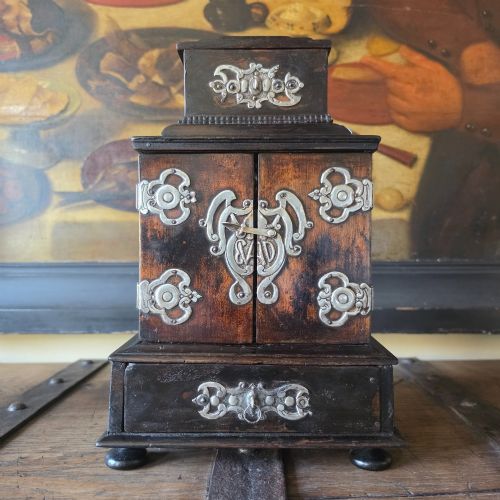
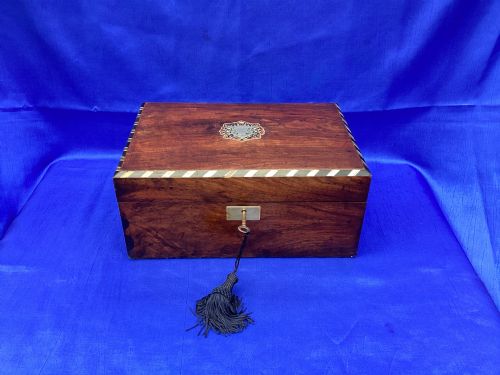
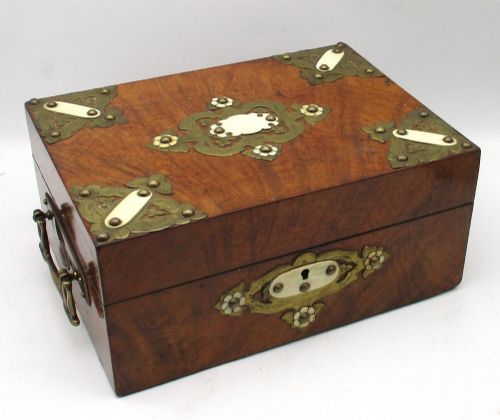
Burr walnut, yew, teak, hardwood, and general wood inlay dominate the selection. Many pieces incorporate functional hardware made from brass, iron, and bone to secure the lids and hinges.
How they were made
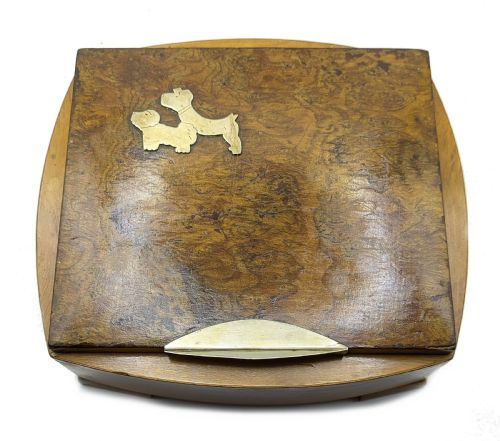
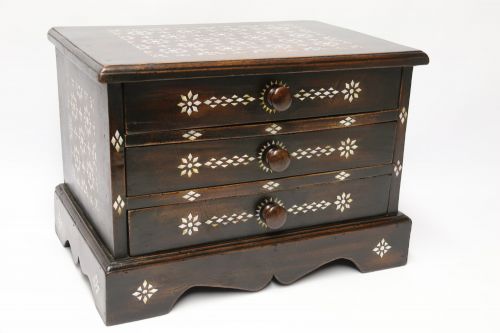
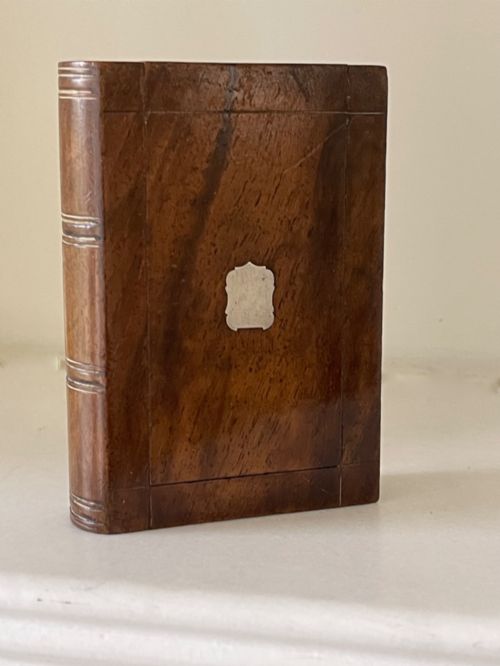
Woodworkers utilised native and exotic timbers such as burr walnut and yew, selecting specific sections for their natural grain patterns and rich figuring. Artisans enhanced these surfaces through careful wood inlay techniques, setting contrasting veneers into the primary body.
Construction methods involved both European cabinet-making traditions and indigenous carving practices, as seen in hand-carved African tribal items and Indian vernacular spice boxes. Metal elements including brass and iron served as hinges, locks, and decorative accents.
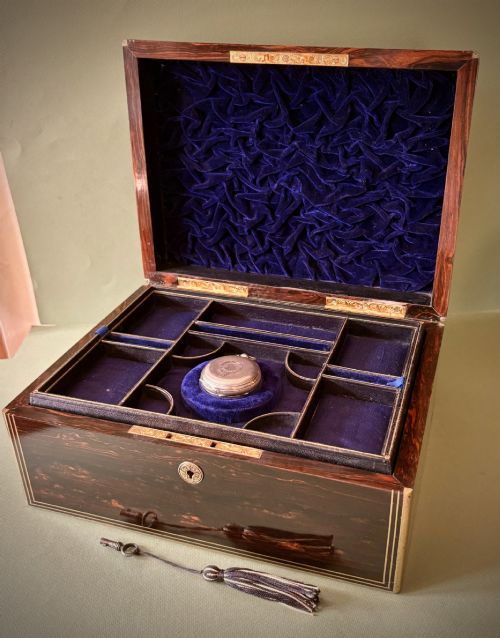
Internal compartments often featured bone details or fitted linings designed to protect dry goods, powders, or small personal items. Every surface received smoothing and finishing to highlight the organic character of the material.
Retail Price Guide 2026
Typical UK retail prices for vintage wooden trinket box, calculated from the Sellingantiques database of over a million retail prices indexed since 2003. This retail price guide relies exclusively on Sellingantiques data; no external sources or auction records are used, so the figures do not describe the wider market.
Some nineteenth-century boxes retained faint traces of spice dust in the corners, decades after their working lives ended.
What varies in quality
The degree of refinement in the woodwork and inlay defines the upper tier of these pieces. Master cabinet-makers achieved tight joints and symmetrical patterns using figured timbers like burr walnut and yew.
Surface ornamentation ranges from basic structural shaping to deeply detailed hand carving found in African and Indian examples. The sophistication of the regional craftsmanship and the integration of metal components distinguish simpler containers from exceptional works.
The Vintage Wooden Trinket Box Glossary
- Tea caddy
- A container originally designed to store dry tea leaves securely. These often featured internal lids and lockable compartments.
- Burr walnut
- A highly prized timber grain resulting from growth deformations on a walnut tree. It creates intricate, swirling patterns across the box surface.
- Wood inlay
- The practice of inserting contrasting pieces of wood into depressions within a base panel to create decorative patterns.
- Vernacular
- Artefacts made by local craftspeople using regional traditions and materials rather than high academic styles.
- Snuff box
- A small lidded container used to hold ground tobacco leaves for inhalation.
Frequently Asked Questions
What were these wooden boxes used for originally?
These containers served various domestic and regional purposes, including the storage of precious tea leaves, medicinal powders, or scented snuffs. Owners kept them in parlours or private chambers to safeguard valuable commodities.
Over time, many of these utilitarian containers transitioned into general receptacles for keeping small personal treasures and keepsakes secure.
How do I identify the age of a wooden box?
Dating relies on examining the timber species, construction joints, and decorative styles characteristic of periods like the eighteenth century or the Victorian era. Specific traits such as hand-cut dovetails or particular inlay motifs offer clues to the workshop era.
Comparing the hardware materials like iron or brass and the overall wear patterns helps confirm the historical context of the piece.
Are these boxes suitable for daily use today?
These pieces function well for holding modern trinkets, jewellery, or desk accessories on a daily basis. Their historic construction requires gentle handling to preserve fragile veneers and original hinges.
Placing them away from direct sunlight and extreme humidity protects the delicate wood grain and historic finishes from deterioration.
What is the difference between a caddy and a trinket box?
A tea caddy was specifically engineered with internal compartments or canisters to preserve the aroma and quality of expensive tea leaves. General decorative boxes served broader storage needs without specialised interior divisions.
Both forms utilise fine materials like yew and burr walnut, reflecting the status of the original owner.