
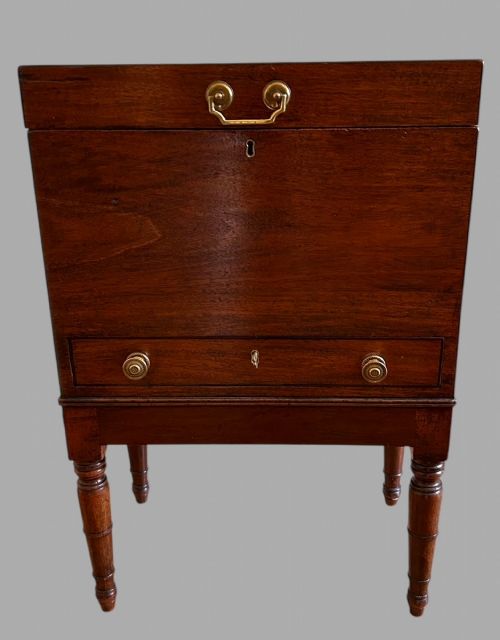
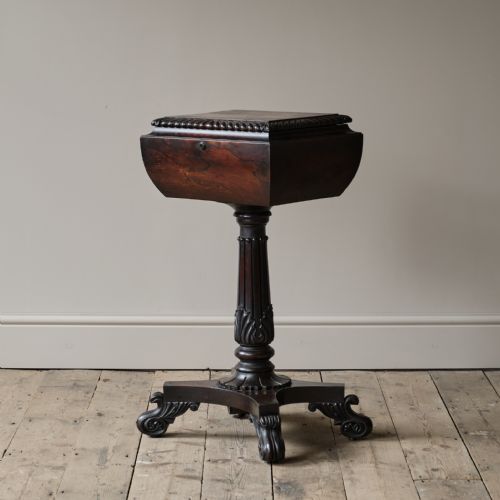
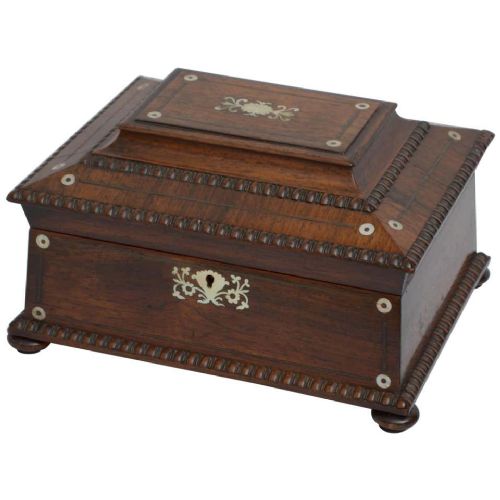
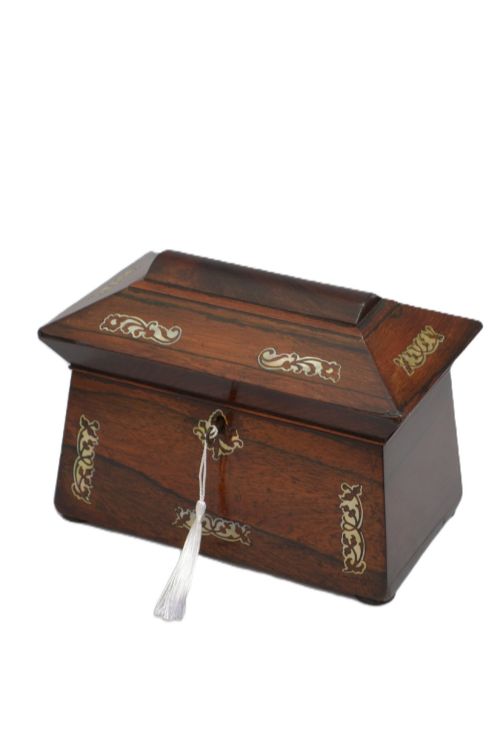
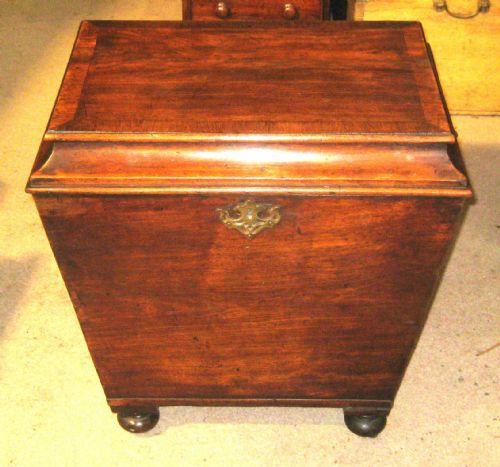
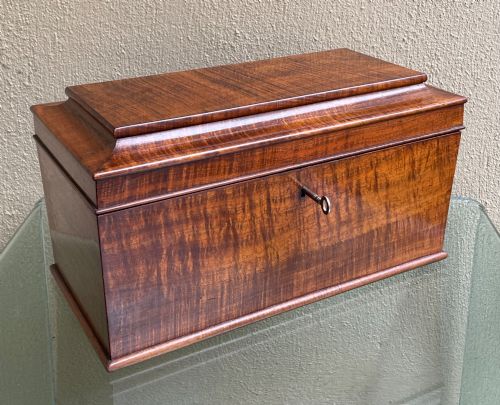
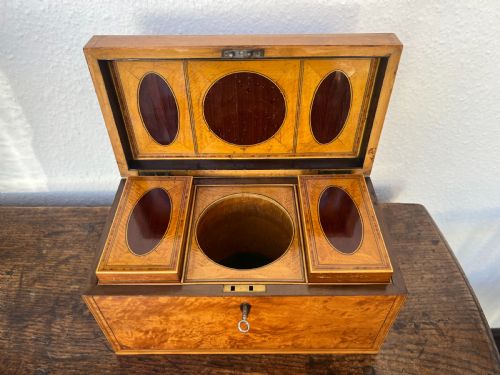
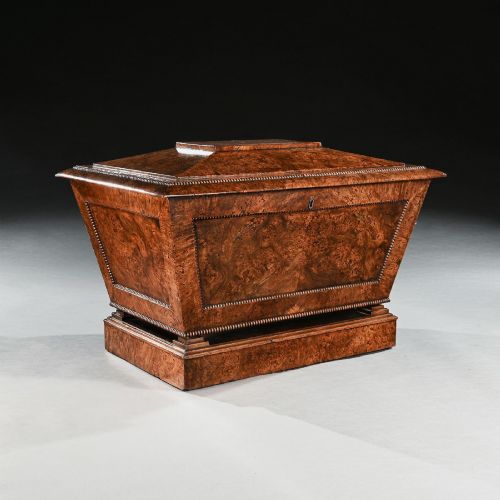
Regency Wooden Box
These regency wooden box examples bring tactile elegance into a room, offering clever storage shaped by disciplined period design.
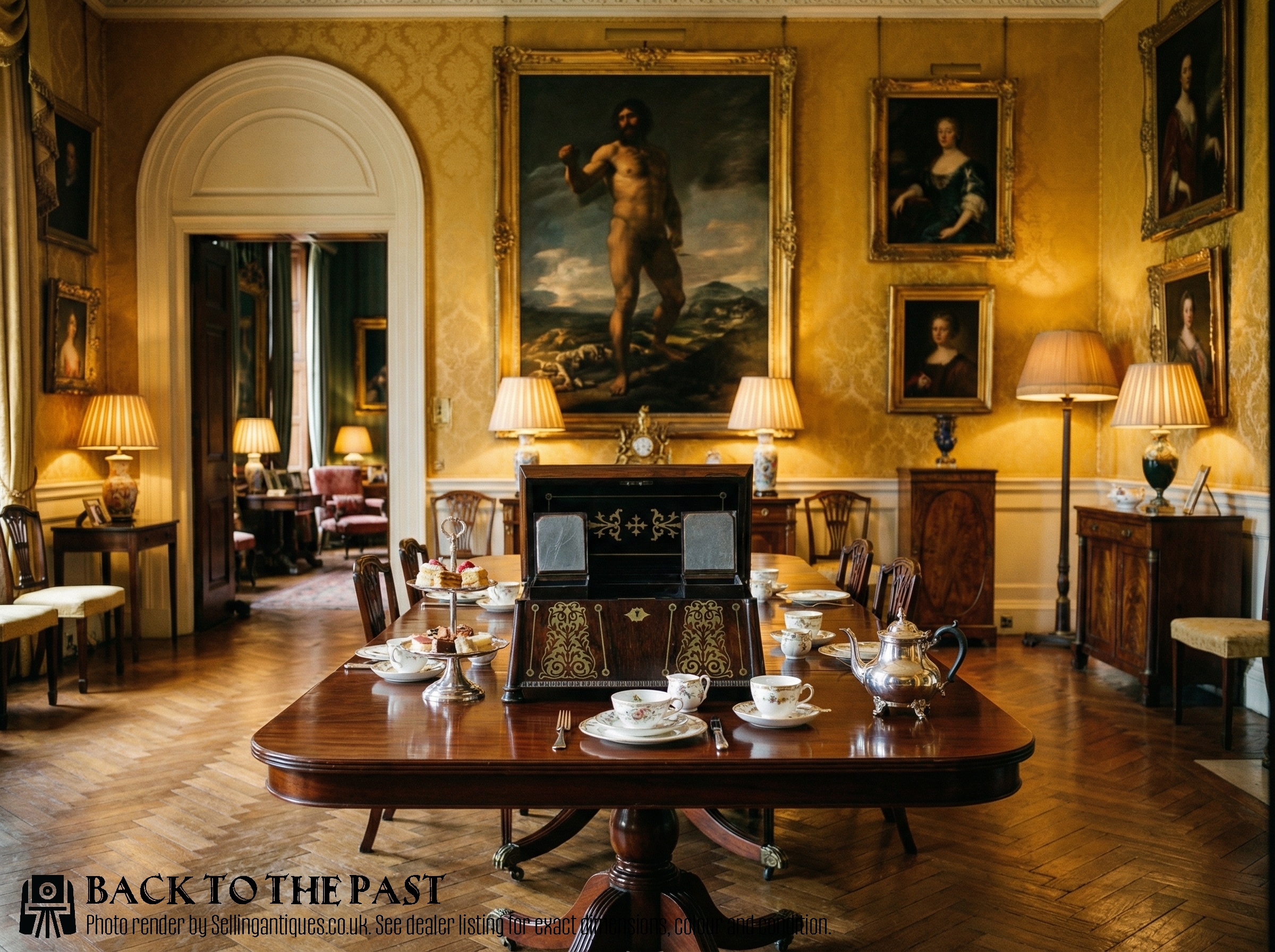
What They Are
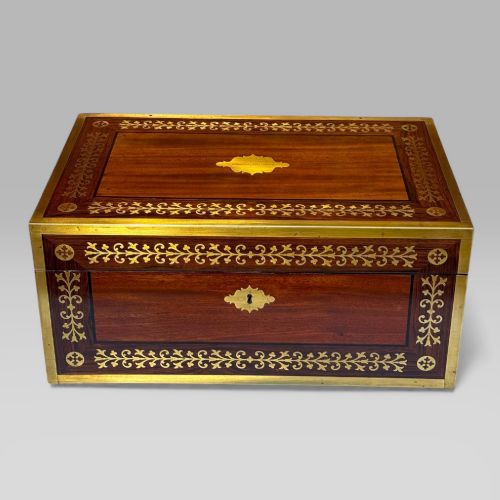
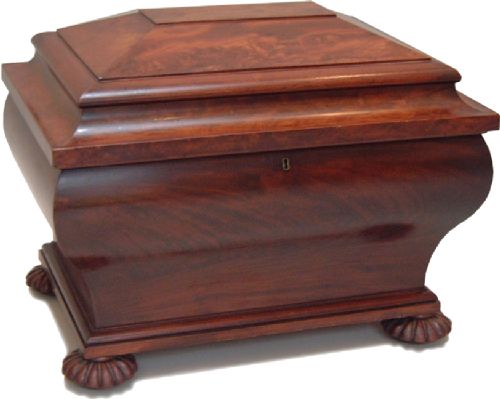
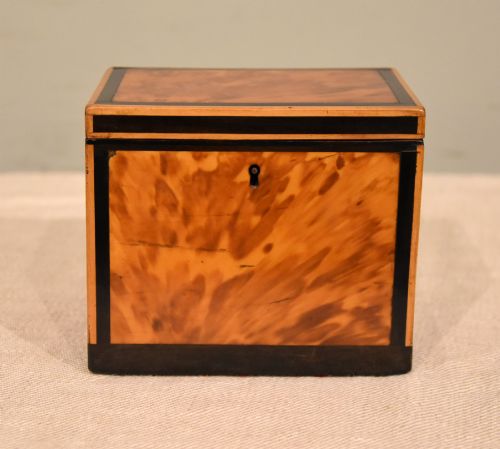
A regency wooden box brings together domestic utility and refined period cabinet-making, serving as tea caddies, jewellery caskets, or decorative receptacles. These pieces frequently date from the early nineteenth century and embrace Georgian, Regency, and William IV aesthetic traditions.
Origins span English workshops, where makers applied distinct regional touches such as pokerwork decoration or chinoiserie pigment schemes. Buyers encounter everything from large storage containers to specialised thread dispensers reflecting daily life in the eighteen hundreds.

How They Were Made
Craftsmen utilised timbers such as rosewood, satinwood, and burr yew, selecting them for their rich grain patterns and natural warmth. These solid woods and veneers formed the rigid foundational structures of each box.
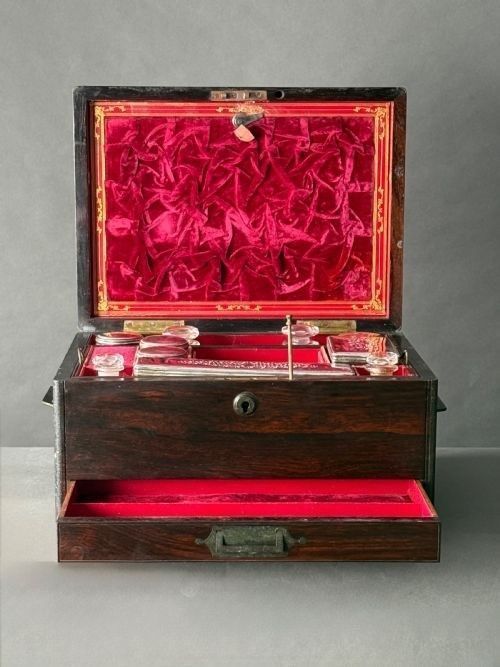
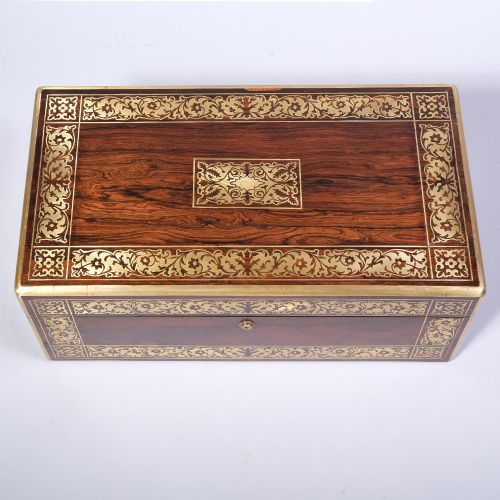
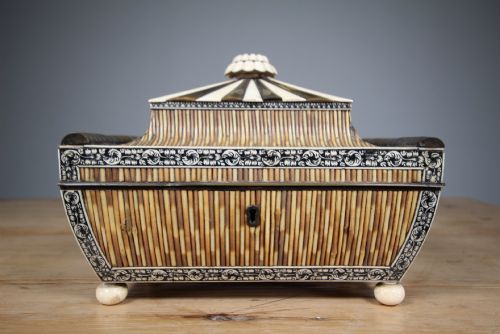
Surface ornamentation relied on meticulous hand-cut brass inlays, mother-of-pearl accents, and delicate bone details fitted flush into the wood. Interiors frequently incorporated lined velvet compartments designed to cradle delicate items safely.
Specialised techniques included pokerwork for linear surface designs and applied pigment to achieve exotic chinoiserie finishes. Every joint and decorative element required careful manual fitting without the aid of modern power tools.
Retail Price Guide 2026
Typical UK retail prices for regency wooden box, calculated from the Sellingantiques database of over a million retail prices indexed since 2003. This retail price guide relies exclusively on Sellingantiques data; no external sources or auction records are used, so the figures do not describe the wider market.
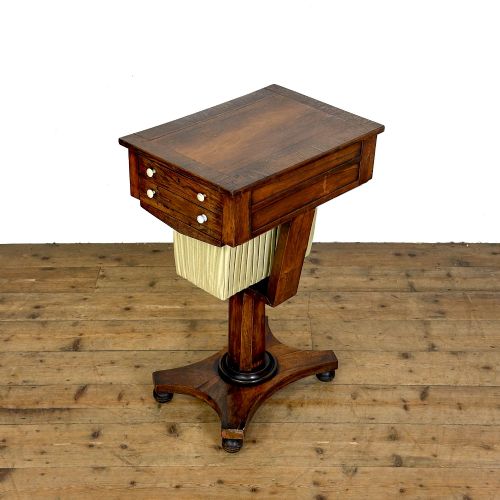
A tiny thread dispenser box from eighteen fifteen proves that Victorians and their predecessors loved tiny, organised homes just as much as we do.
What Varies in Quality
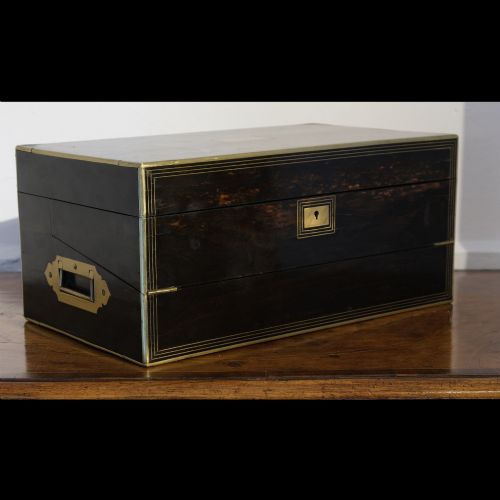
Quality rests upon the choice of timber and the precision of the contrasting inlays integrated into the lid and sides. Superior examples demonstrate seamless alignment between the brass or exotic wood strings and the primary carcass.
The refinement of internal fittings, such as original velvet linings and compartmentalized trays, separates standard utility vessels from high-status salon pieces. Artisanal touches like intricate pokerwork or hand-painted chinoiserie elevate the artistic ambition of the object.
The Regency Wooden Box Glossary
- Tea caddy
- A lidded vessel specifically partitioned to store precious loose tea leaves securely. These containers often include internal glass or wooden mixing bowls alongside dual compartments.
- Pokerwork
- A decorative technique using heated metal points to burn designs into the wooden surface. This method produces subtle tonal shadows across the decoration.
- Chinoiserie
- European artistic interpretation of Chinese decorative motifs, executed here through painted pigment on wood. It reflects the period fascination with Eastern aesthetic traditions.
- Stringing
- Fine strips of contrasting wood or metal inlaid into shallow channels around the edges of a box. This linear detail defines the architectural profile of the piece.
- Veneer
- A thin slice of figured timber applied over a secondary wood base to provide a decorative exterior surface. This technique allows cabinet-makers to display striking grain patterns economically.
Frequently Asked Questions
How were these boxes used?
These boxes served practical domestic functions, from securing valuable tea leaves under lock and key to organising jewellery and sewing threads. Wealthy households relied on them to protect consumable luxuries and personal trinkets from dust and pilfering.
Their substantial construction and compartmentalized interiors kept delicate contents separated and safe during daily use in period drawing rooms and boudoirs.
How do I care for a wood box?
Keep wooden boxes out of direct sunlight and away from rapid temperature shifts to prevent the timber and delicate veneers from warping or splitting. Gentle dusting with a dry lint-free cloth preserves the polish without introducing moisture.
Avoid using modern silicone polishes, as they build up over historic finishes and attract dust into the fine crevices of brass inlays and carved details.
How do I distinguish Regency styles?
Regency pieces typically emphasise clean architectural lines, classical symmetry, and stark contrasts between dark rosewood and bright brass or satinwood inlay. Makers drew inspiration from ancient Greek and Roman forms, resulting in restrained geometric profiles.
Later William IV and Victorian iterations often introduce heavier proportions, bolder carvings, and more exuberant decorative embellishments compared to the disciplined restraint of the early nineteenth century.
Are interiors usually original?
Interiors vary significantly, with many surviving examples retaining their period velvet linings, papered compartments, or fitted wooden canisters. Replacement linings are common due to the perishable nature of fabrics over two centuries of active service.
Examining the wear patterns and adhesive types inside helps determine whether the internal layout remains contemporary with the outer box construction.