
Hand Painted Box
When you handle a hand painted box, you hold centuries of applied art in miniature, from Georgian enamel patch boxes to rural Scandinavian marriage chests.
Hand Painted Box
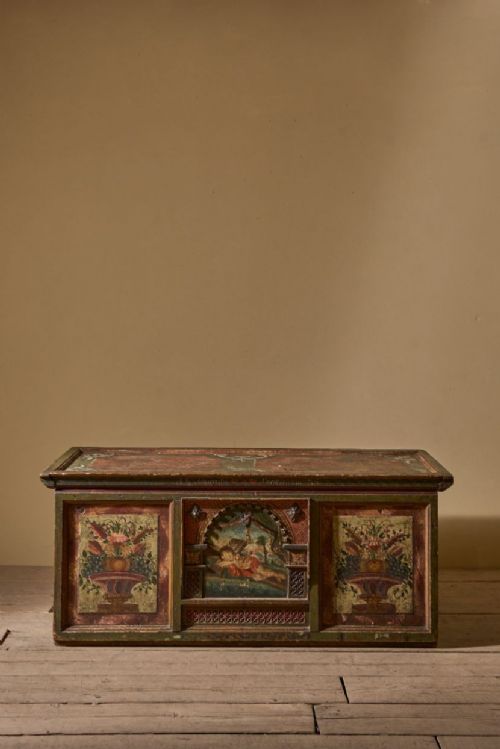
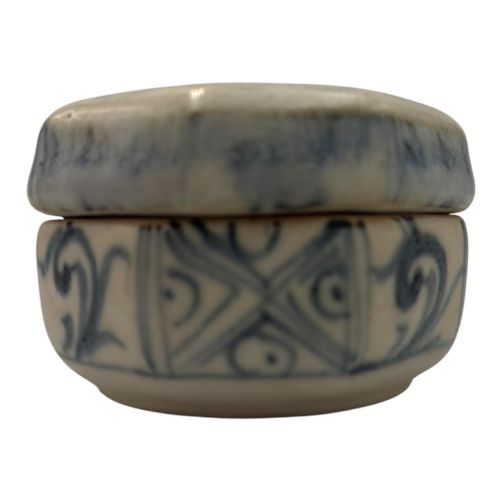
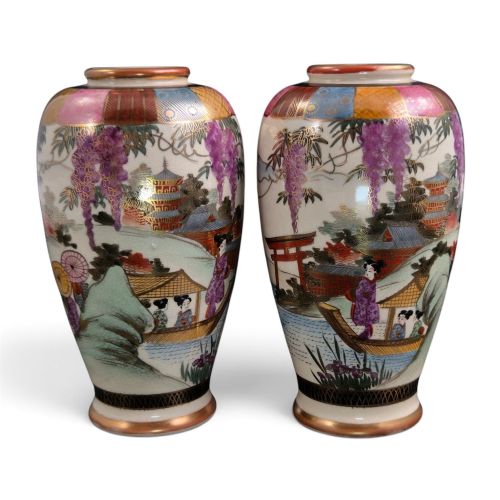
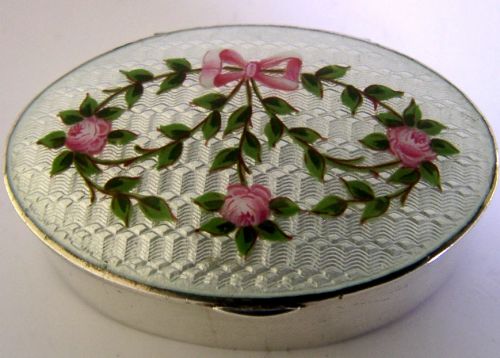
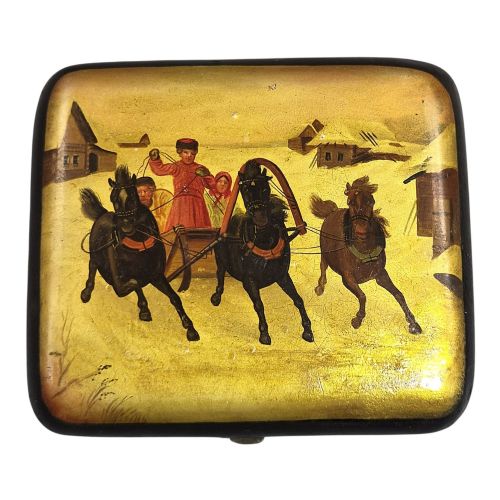
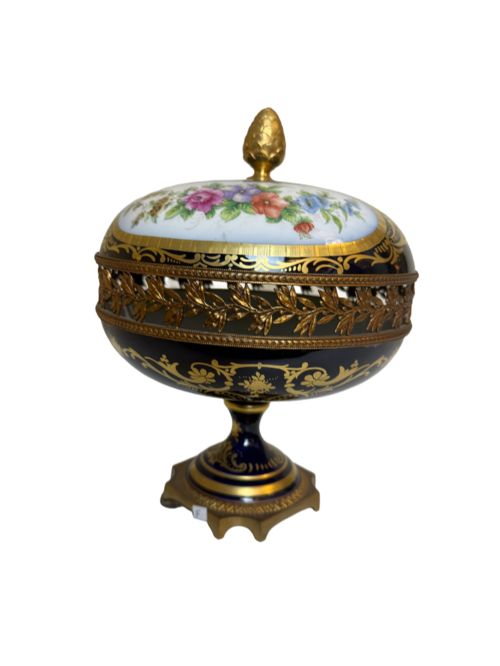
A hand painted box encompasses everything from pocket-sized Georgian snuff containers and Victorian porcelain trinket caskets to large pine marriage chests and country house trunks. These pieces serve practical storage needs while displaying surface decoration executed by hand across multiple centuries.
The most common examples encountered on this page date from the eighteenth and nineteenth centuries, taking forms such as small enamel patch boxes, papier-mâché desk items, and folk art wooden containers from Swedish, English, and regional European traditions.
Buyers frequently seek these items for their dual function as decorative objects and historical containers, valuing the intimate scale of portable snuff and pill boxes alongside the robust presence of larger painted timber coffers.
How They Were Made
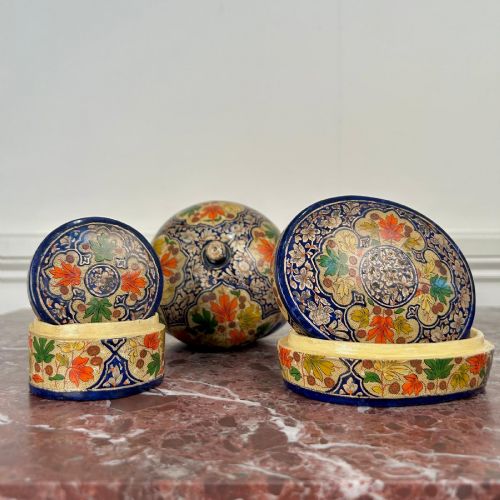
Makers utilised diverse base materials ranging from softwoods like pine and cedar to metals including brass, iron, copper, and sterling silver, alongside organic mediums such as papier-mâché, porcelain, leather, and lacquer.
The decorative surfaces rely on direct application of paint, enamel, and gilt detailing, often protected by clear varnishes or combined with hand-forged strapwork and bronze mounts depending on the object's origin and period.
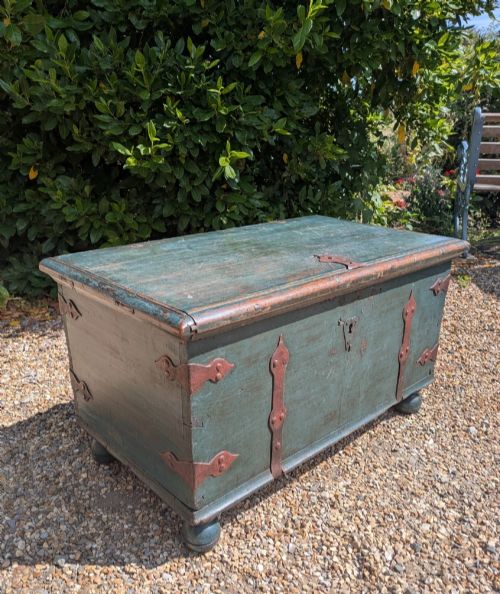
Swedish marriage chests feature painted dates and initials designed to outlast the newlyweds.
What Varies In Quality
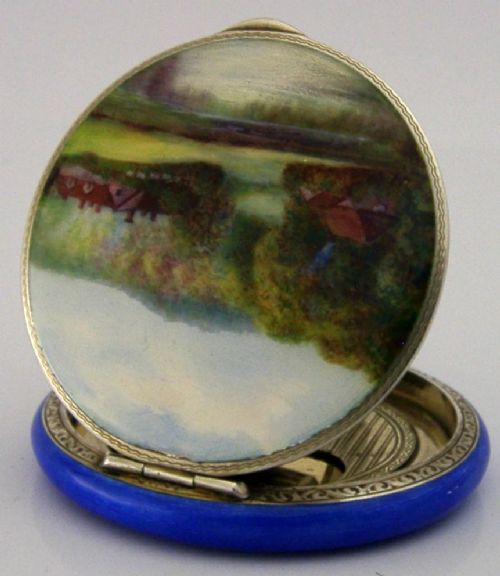
Quality rests upon the precision and execution of the brushwork itself, distinguishing hurried provincial decoration from the fine miniature painting found on Bilston enamels or specialised European porcelain.
The integrity of the structural substrate - whether tightly fitted papier-mâché, sound joinery in a pine chest, or the preservation of original metal hinges and clasps - determines the piece's survival and standing.
The completeness of the original painted surface, including the retention of delicate gilt detailing and the absence of heavy overpainting, dictates the overall merit of the object.
Vishnyakov Workshop·Samson of Paris
The Hand Painted Box Glossary
- Snuff box
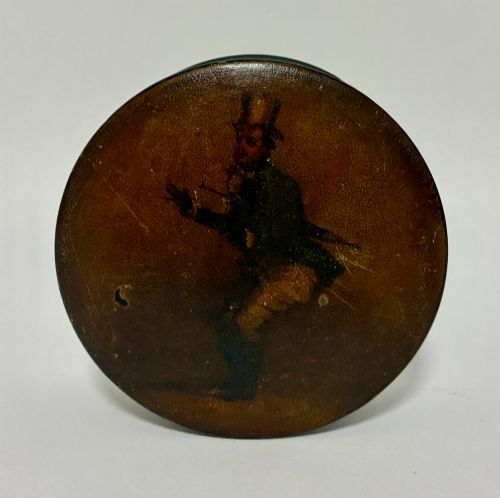
- A small lidded container designed to hold powdered tobacco. These pocket-sized pieces often feature hinged lids with detailed miniature paintings.
- Patch box
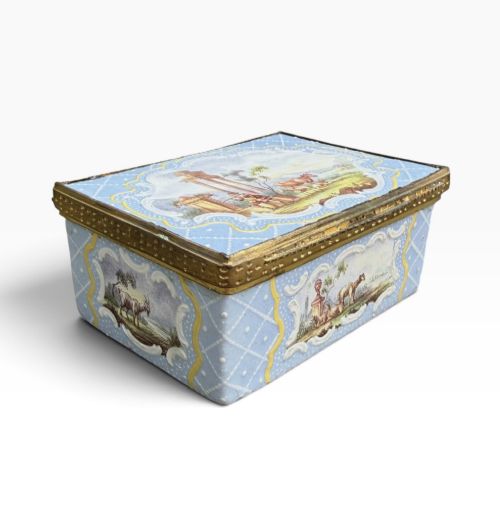
- A small eighteenth-century container used for holding cosmetic face patches. They are frequently constructed from enamel on copper with mirror-lined interiors.
- Papier-mâché
- A composite material made from paper pulp or layers of paper bound with glue, pressed and dried. It forms a smooth, stable base for lacquer and painted scenes.
- Toleware
- Lacquered or enamelled sheet metalware produced in Europe. Items like coal scuttles and small boxes utilise this technique for durable, decorated surfaces.
- Folk art
- Decorative and utilitarian items created within a community tradition rather than a formal academic style. These pieces exhibit regional motifs and unpretentious craftsmanship.
Hand Painted Box: Frequently Asked Questions
What were small antique boxes used for?
Small containers such as snuff boxes, patch boxes, and pill boxes held personal items carried in pockets or kept on dressing tables during the eighteenth and nineteenth centuries.
They served both functional and social roles, often acting as fashionable accessories that displayed miniature painted scenes or portraits.
How do I care for a painted wooden box?
Wooden and painted surfaces require stable environmental conditions away from direct sunlight and extreme humidity changes to prevent cracking or paint flaking.
Dusting gently with a dry, soft cloth is sufficient for maintenance, avoiding harsh chemical polishes that can damage historic finishes.
How can I tell the age of an enamel box?
Dating relies on examining the construction materials, such as copper bases under eighteenth-century enamels, alongside the style of the hand-painted motifs and lettering.
Comparing the hinge mechanism, weight, and wear patterns against known examples from periods like the Georgian era provides further chronological context.
What is the difference between a trinket box and a patch box?
Patch boxes are typically smaller, shallower containers specifically made in the eighteenth century for small silk or velvet cosmetic patches, often housing an internal mirror.
Trunk-form or standard trinket boxes generally appeared later in the Victorian period for general jewellery and keepsake storage.