

Vintage Dressing Table Box
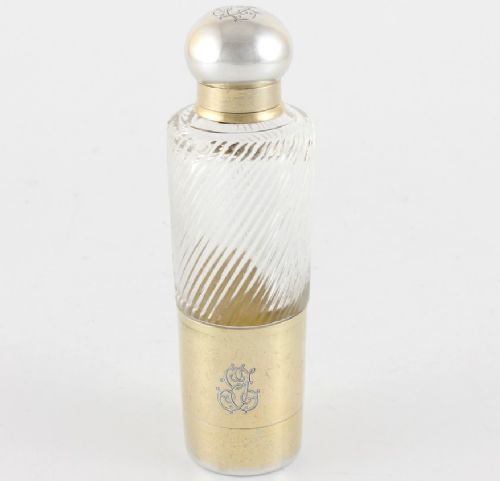
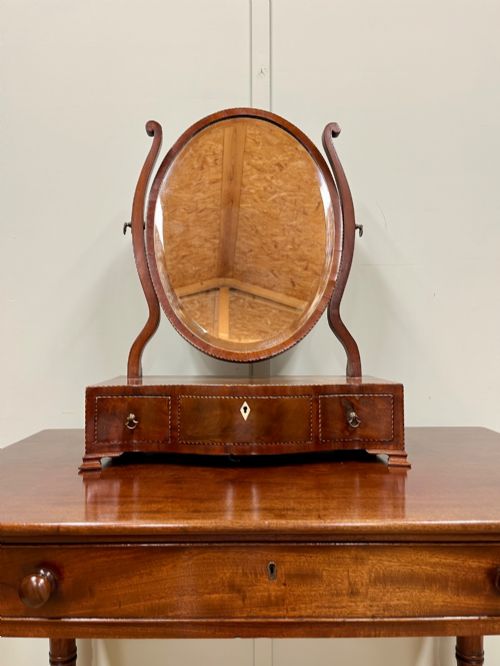
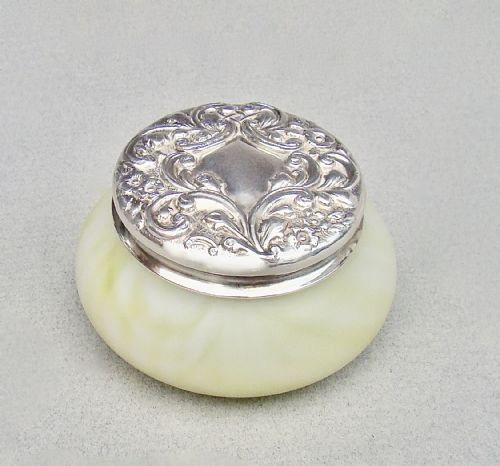
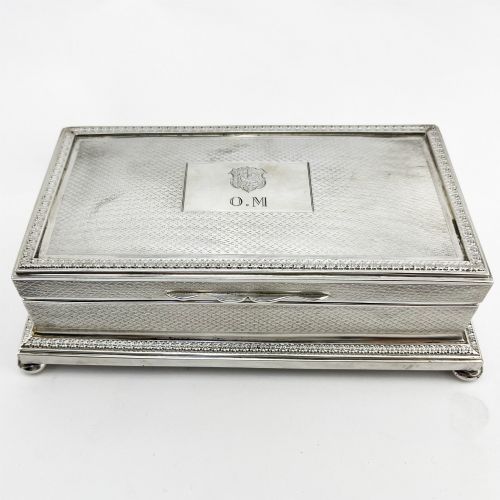
These vintage dressing table box selections bring together vanity cases, powder bowls and keepsake containers designed to hold personal treasures.
What vintage dressing table box designs include
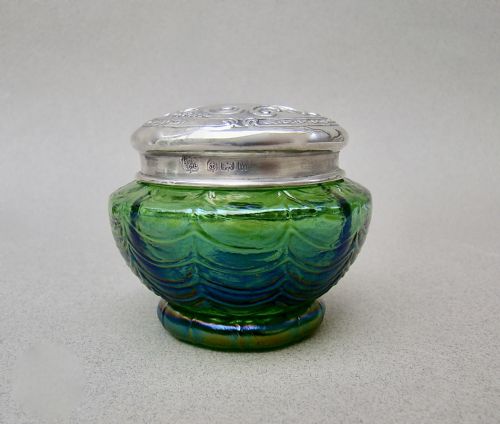
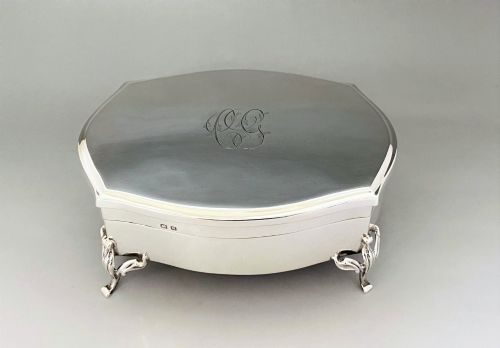
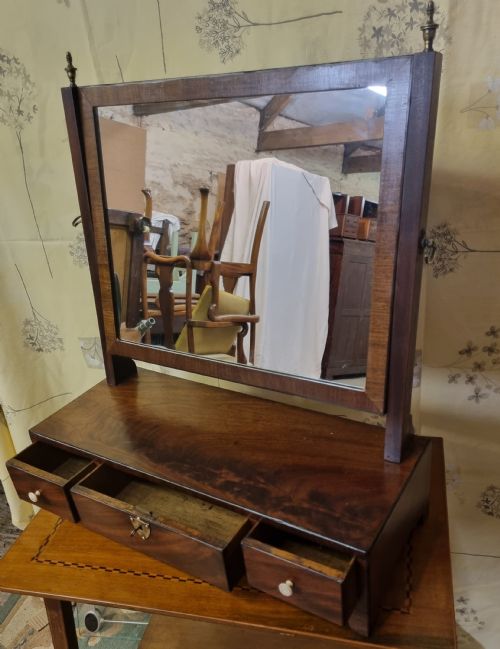
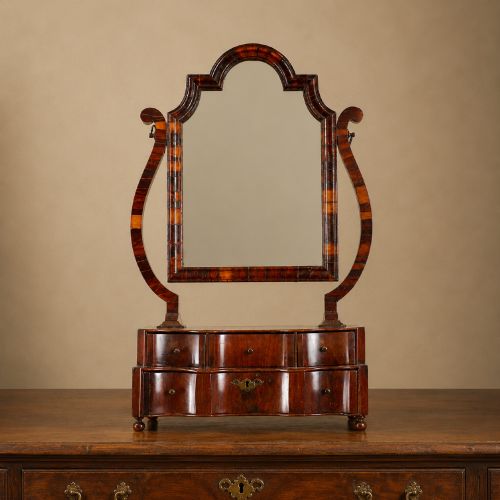
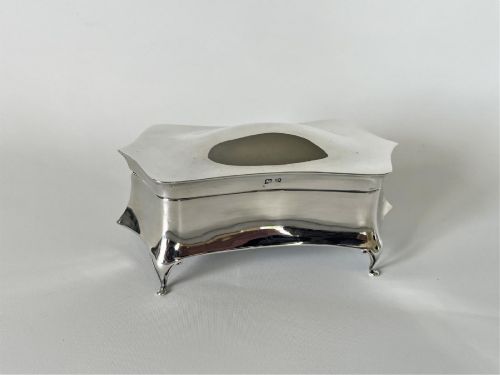
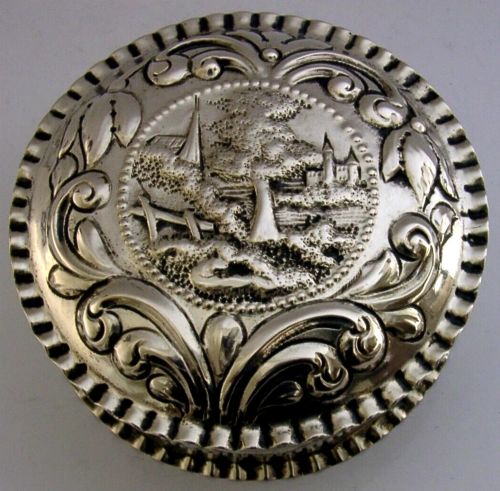
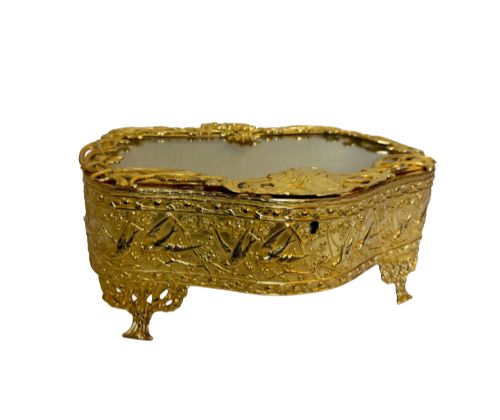
A vintage dressing table box encompasses a range of containers from the Regency period through to the 1930s, including vanity cases, powder bowls and keepsake boxes. These pieces sit upon dressing surfaces to house cosmetics, trinkets and personal items.
The selections on this page span the 19th century, Victorian eras, Italian Rococo Revival styles and Art Deco periods. Buyers encounter items made in England, France and Italy, reflecting diverse domestic habits across Europe.
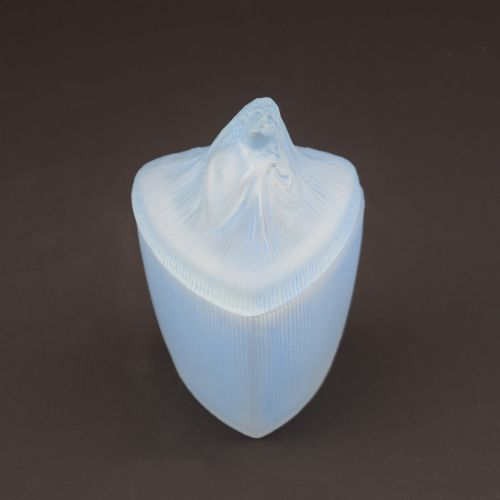
Forms vary from lidded powder bowls depicting figures like Pierrot or flapper girls to substantial oak keepsake cases and travelling dressing table boxes. Each variation serves a distinct function within the bedroom or dressing room.
Materials and construction
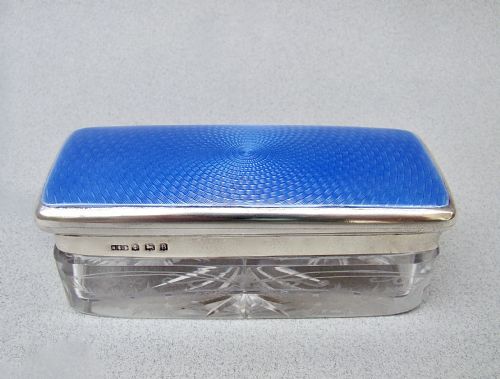
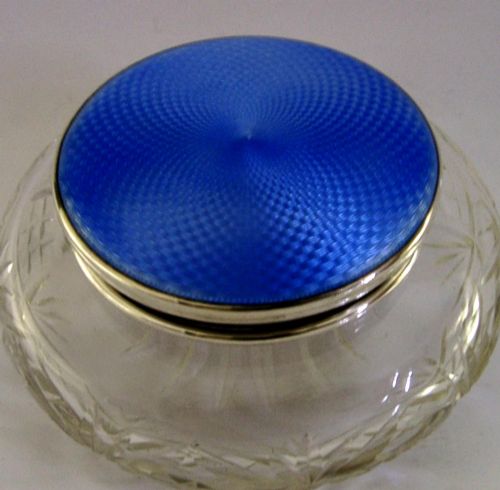
Materials recorded across these pieces include brass, porcelain, oak, lacquer, metal, rosewood, blue velvet, glass and sterling silver with guilloche enamel. Craftsmen combined these substances to build durable frames and delicate decorative surfaces.
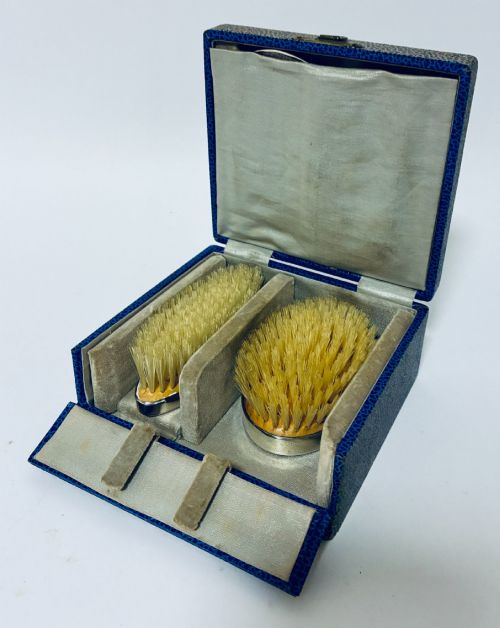
Wood constructions utilise oak and rosewood, whilst metalwork incorporates brass and sterling silver elements. Interiors often line with blue velvet to protect delicate contents.
Retail Price Guide 2026
Typical UK retail prices for vintage dressing table box, calculated from the Sellingantiques database of over a million retail prices indexed since 2003. This retail price guide relies exclusively on Sellingantiques data; no external sources or auction records are used, so the figures do not describe the wider market.
Periods represented include 1930, Victorian, Regency and the broader 19th Century.
Distinctions in quality
Quality rests upon the selection of materials, such as figured rosewood or solid oak, paired with the precision of metalwork like sterling and guilloche enamel lids. Finer examples display meticulous surface finishes, whether through polished lacquer or detailed figurative painting on porcelain.
The sophistication of the design dictates the standing of the piece, distinguishing mass-market powder bowls from elaborate Regency travelling cases fitted with specialised compartments.
The Vintage Dressing Table Box Glossary
- Guilloche enamel
- A decorative technique involving precise, intricate mechanical patterns engraved beneath a translucent enamel layer. This finish appears frequently on high-end Art Deco lids.
- Vanity case
- A portable container designed for carrying cosmetics and grooming implements. These items often feature internal mirrors and specialised fitted trays.
- Rococo Revival
- A design style inspired by 18th-century French ornamentation, characterised by asymmetrical scrollwork and ornate floral motifs. Italian makers often utilised this aesthetic on lacquered wood.
- Powder bowl
- A lidded vessel intended to hold loose face powder on a dressing table. Ceramic and glass versions often incorporate painted figurative scenes.
Frequently Asked Questions
What fits inside a dressing table box?
These boxes accommodate everyday trinkets, cosmetics, powder and small personal accessories depending on whether the interior is an open well or a fitted case.
Travelling versions often organise grooming tools securely within dedicated slots.
How do I date a box?
Dating relies on stylistic markers such as Regency symmetry, Victorian mass-production techniques or Art Deco geometric motifs. Materials like guilloche enamel and specific porcelain bodies also point to precise eras.
Construction methods inside the box reveal the manufacturing period.
Where were these boxes made?
Evidence shows production centres in England, France and Italy. Each region brought distinct regional materials and stylistic preferences to the dressing table.
Local workshop traditions dictated whether oak, lacquer, or porcelain dominated the construction.
Are powder bowls decorative?
Powder bowls serve both a functional storage purpose and a decorative role through painted lids featuring figures like Pierrot or flapper girls. They add visual interest to dressing room surfaces.
Art Deco examples prioritize bold graphic artwork on ceramic bodies.