


Antique Perfume Bottle Box
An antique perfume bottle box is a fitted wooden or brass-bound case designed to hold delicate scent phials safely.
Identifying an antique perfume bottle box
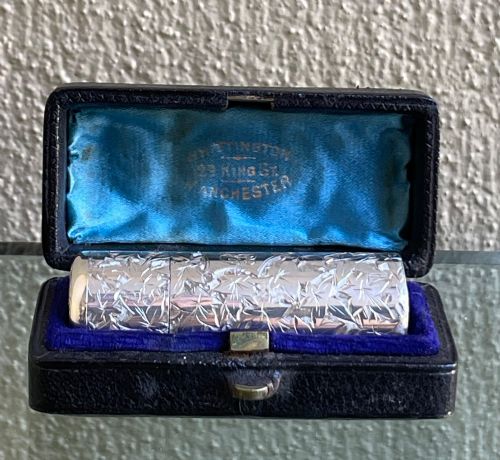
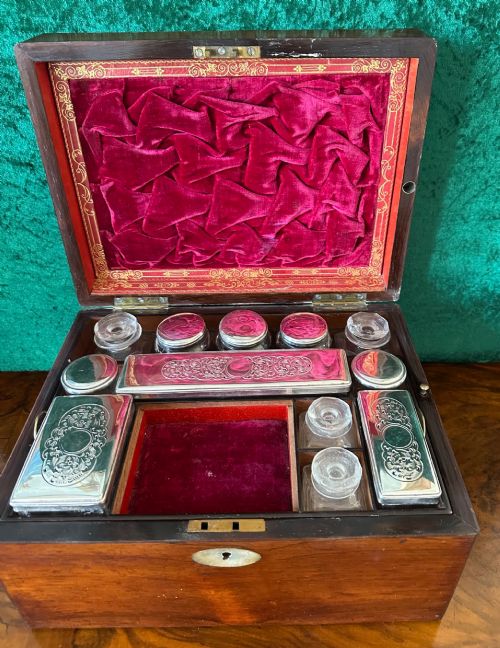
An antique perfume bottle box is a dedicated dressing case or casket designed to protect fragile glass scent phials during travel or display on a dressing table. When buyers search for an antique perfume bottle box, they encounter compact travel pieces alongside larger fitted caskets combining jewellery storage with secure bottle compartments.
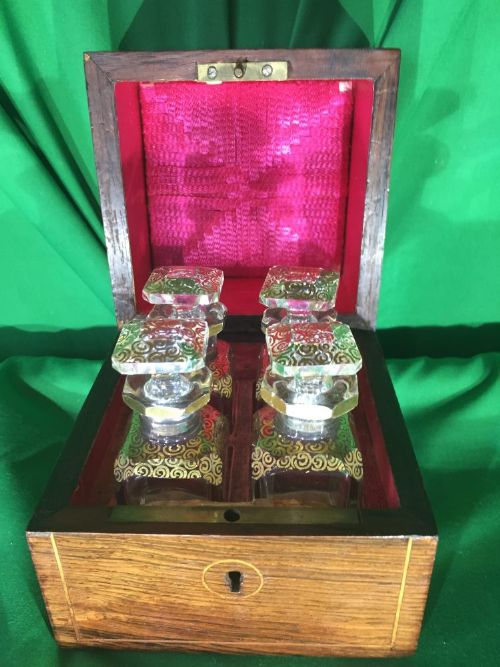
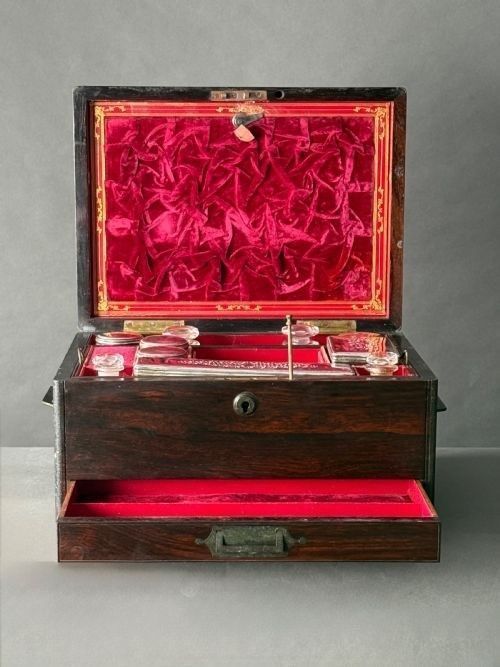
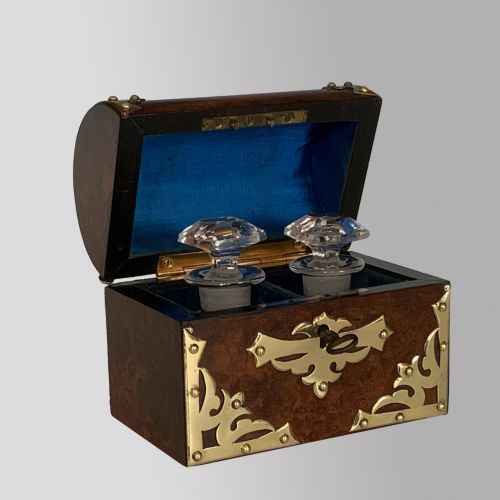
The pieces appearing in this category span the Georgian, Regency, and Victorian eras, taking the form of vanity cases, scent bottle caskets, and combination jewellery boxes. Rosewood, walnut, coromandel, and ebonised wood provide the primary structures, frequently enhanced with brass binding, mother-of-pearl inlay, or Tunbridge ware decoration.
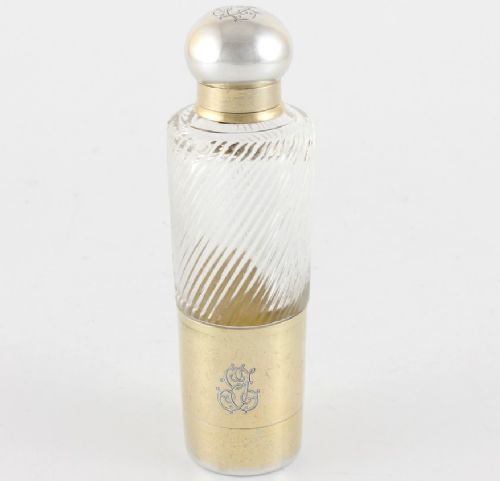
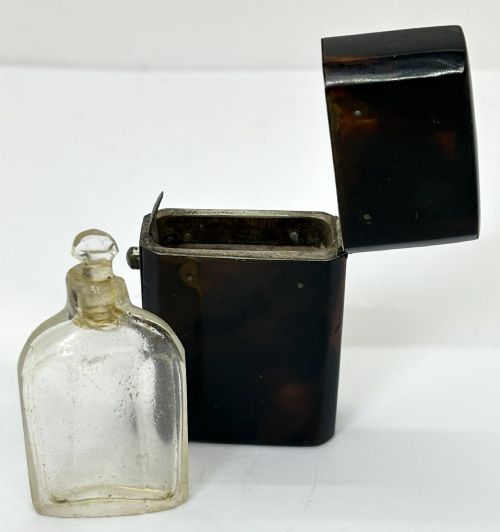
Many examples house matching cut glass or crystal scent bottles inside velvet-lined interiors, sometimes retaining original stoppers or associated accessories. French and English workshops produced these varied formats, ranging from equestrian novelty designs to grand bureau-style dressing boxes.
Distinguishing quality across pieces
The sophistication of the internal layout separates standard travelling boxes from exceptional caskets. Superior examples feature complex mechanical trays, secret drawers, and complete matched sets of original cut crystal bottles with matching stoppers.
Material selection and decorative technique dictate the upper tier of the range. Finely figured coromandel, intricate Tunbridge ware mosaics, and elaborate brass boullework demonstrate a higher level of artisan skill than plain mahogany or walnut models.
Retail Price Guide 2026
Typical UK retail prices for perfume bottle box, calculated from the Sellingantiques database of over a million retail prices indexed since 2003. This retail price guide relies exclusively on Sellingantiques data; no external sources or auction records are used, so the figures do not describe the wider market.
Canine enthusiasm reaches peak Victorian form in mechanical dog-and-kennel perfume boxes.
Asprey
The Antique Perfume Bottle Box Glossary
- Boullework
- A decorative technique involving inlaid cut brass and tortoiseshell into a dark wood ground. It appears frequently on mid-nineteenth century French caskets.
- Coromandel
- A dense, heavily figured Southeast Asian timber used for luxury boxes. Its dark brown grain with dramatic black streaks marks high-status nineteenth-century pieces.
- Tunbridge Ware
- Small wooden items decorated with precise mosaic patterns formed from thousands of tiny dyed wood blocks. This specialty technique originated in Kent.
- Escutcheon
- A protective plate surrounding a keyhole, usually made of brass or mother-of-pearl. It adds structural reinforcement to the box lid or front.
- Cut Glass
- Glass decorated by grinding facets or patterns into the surface with a wheel. In these boxes, it catches the light and protects the stored perfume.
Frequently Asked Questions
What is an antique perfume bottle box?
An antique perfume bottle box is a specialised wooden or metal case fitted with internal partitions to hold fragile glass scent phials securely.
These boxes served as portable dressing table accessories for wealthy travellers or as stationary display pieces in Victorian and Georgian bedchambers.
How were these boxes used originally?
Owners used them to transport personal fragrances safely while travelling by carriage or train, preventing delicate glass bottles from shattering.
Many examples doubled as vanity cases or jewellery boxes, keeping cosmetics, scent, and trinkets organised in one secure, lockable container.
How do I care for the wood and velvet?
Keep wooden boxes out of direct sunlight and away from rapid temperature changes to prevent the natural timber from splitting or warping.
Clean the internal velvet gently with a soft, dry brush to remove dust, avoiding liquid cleaners that can damage the historical fabric and glue.
Are the glass bottles usually original?
Many boxes retain their original cut crystal or glass bottles, often featuring matching stoppers designed specifically for the internal wooden partitions.
Because bottles broke easily over time, replacement phials of a similar period frequently appear in surviving nineteenth-century caskets.