

Brown Inlaid Box
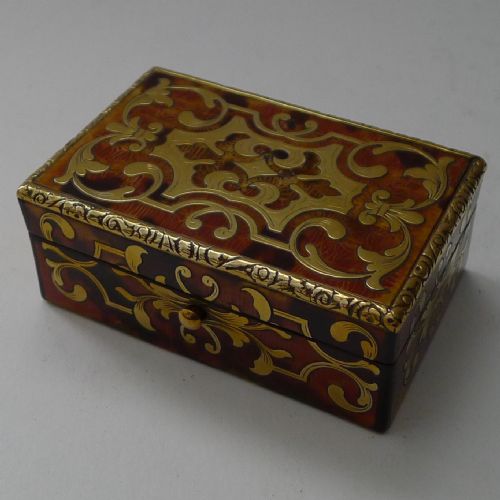
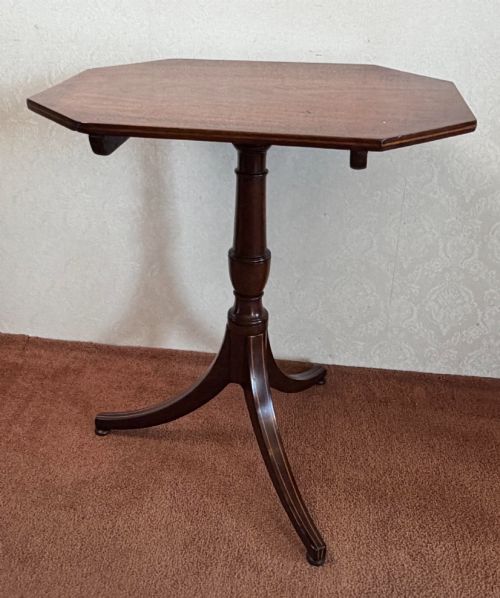
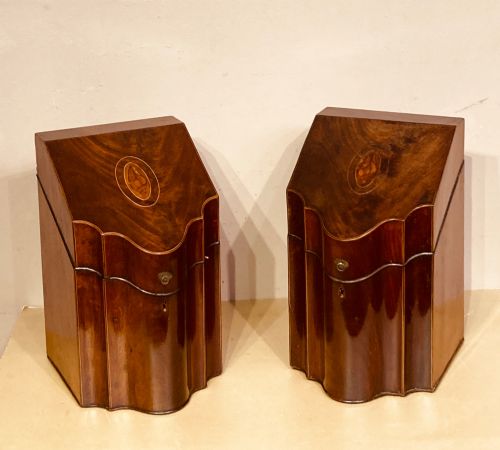
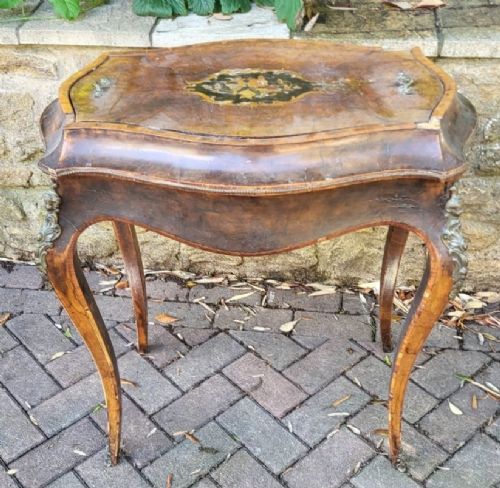
These pieces gather under the brown inlaid box heading, spanning document caddies, tea chests and small writing slopes crafted from dense timbers.
Brown Inlaid Box
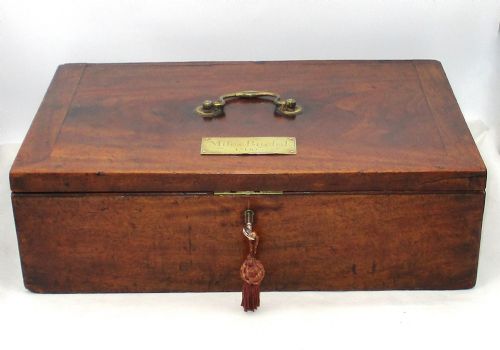
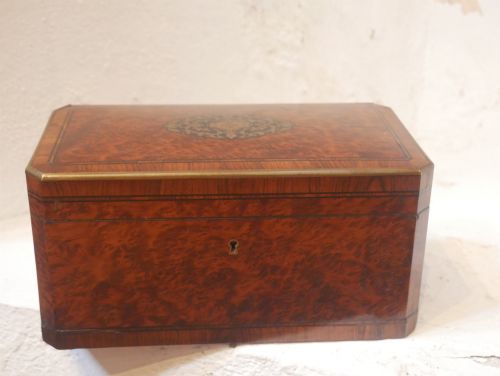
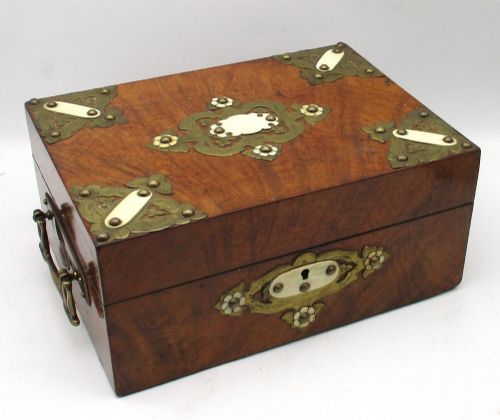
A brown inlaid box typically takes the form of a tea caddy, snuff box, or document holder shaped from dark timbers during the Georgian, Victorian, and Edwardian eras. Buyers searching this phrase encounter lidded receptacles designed to sit upon tables or desks, often housing fitted interior compartments for valuables or leaf tea.
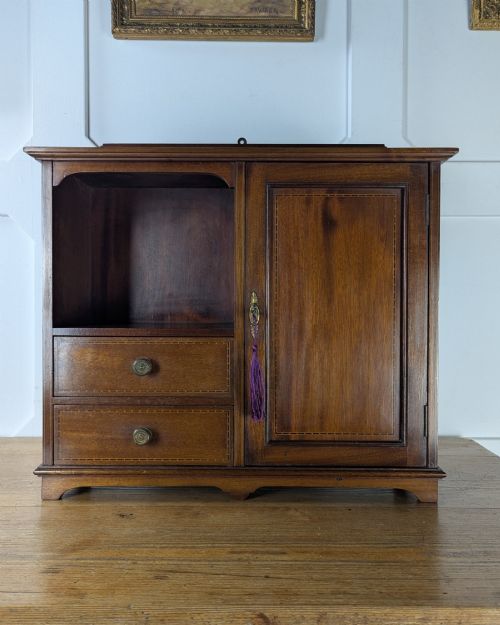
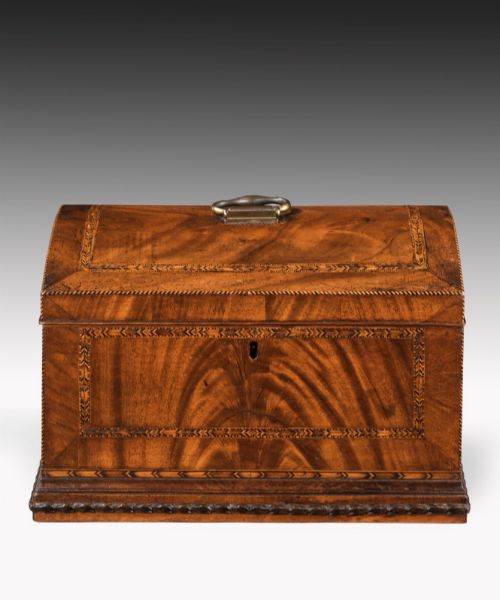
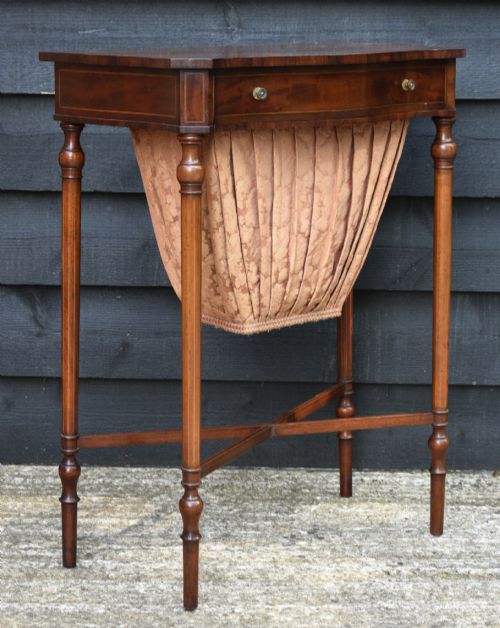
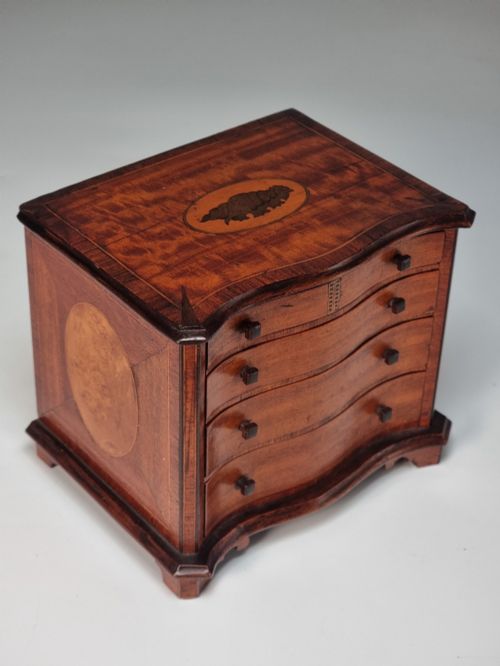
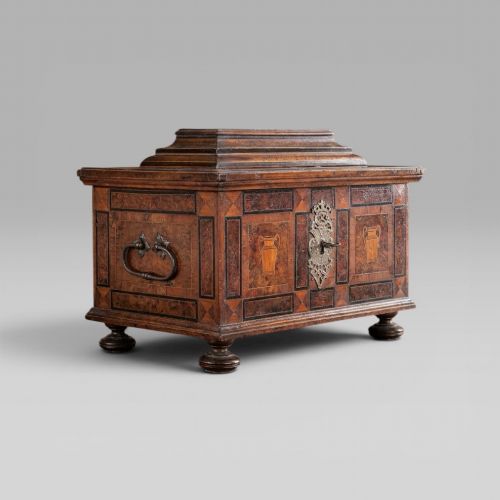
The predominant examples on this page date from the eighteenth and nineteenth centuries, spanning George III, Regency, and later periods. Workshops constructed these containers in various silhouettes, ranging from domed tea chests and sarcophagus caddies to small serpentine sewing tables and pocket-sized snuff boxes.
Originating largely from British and continental makers, these objects reflect the domestic habits of past households where keeping small items securely stored required sturdy construction. Their forms transition from simple eighteenth-century document boxes to ornate nineteenth-century Tunbridge ware and boulle trinket caskets.
Materials and technique
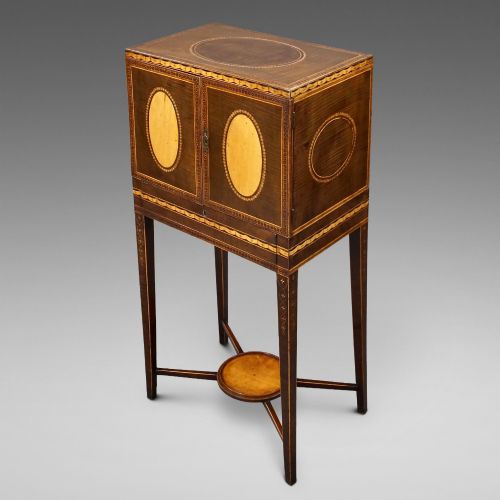
Cabinetmakers utilised dense hardwoods such as mahogany, walnut, and rosewood for the primary carcass, pairing them with contrasting lighter elements like boxwood, satinwood, and bone for detailed surface ornamentation.
Inlay techniques involved cutting precise recesses into the wood grain to receive thin veneers or geometric stringing of contrasting species, occasionally incorporating mother-of-pearl or tortoiseshell for added visual depth.
Interiors frequently received careful attention, retaining fitted wooden compartments, delicate hinges, and occasionally velvet or paper linings designed to protect the contents.
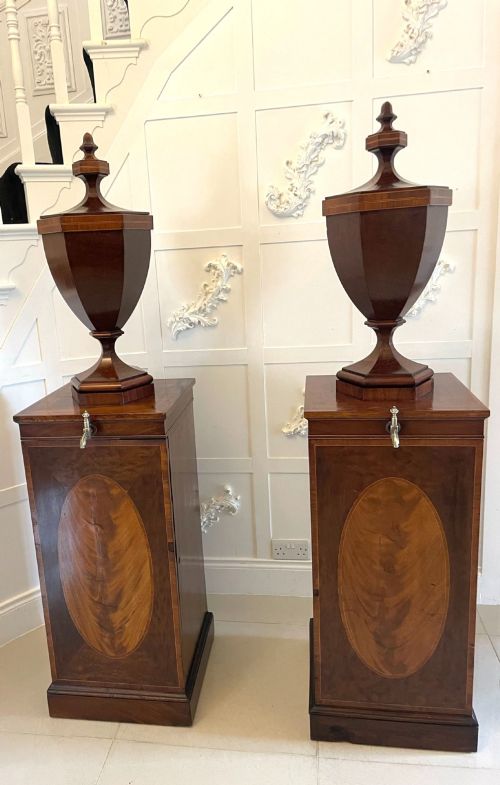
Object forms recorded here range from miniature serpentine chests and apothecary boxes to architectural dioramas and tea caddies.
Judging the work
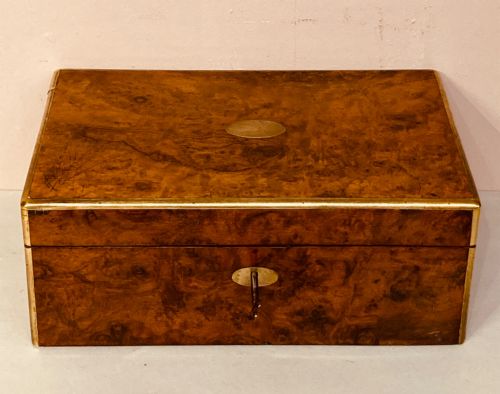
The standard of a brown inlaid box rests upon the precision of the timber matching and the tightness of the joinery where lid meets base. Superior examples demonstrate continuous grain alignment and crisp, uncompromised inlay work without lifting edges or replacement sections.
The complexity of the interior arrangement and the retention of original hardware, such as working locks, escutcheons, and hinges, distinguish higher-grade specimens from utilitarian containers. Finer pieces maintain their structural integrity through centuries of handling, showing deliberate proportions and refined surface patination.
Tahan Paris·A. F. Lloyd Bideford
The Brown Inlaid Box Glossary
- Tunbridge ware
- A distinct form of woodworking originating in Kent featuring intricate mosaic patterns built from tiny blocks of naturally coloured woods. This technique created pictorial scenes or geometric bands on tea caddies and small boxes.
- Tea caddy
- A lidded container built to store loose tea leaves securely before brewing. These boxes frequently included interior mixing bowls and locked lids to protect a costly household commodity.
- Sarcophagus
- A box shape featuring a domed or steep-sided profile resembling a classical stone coffin, popular for larger nineteenth-century tea containers and cellarettes.
- Stringing
- A narrow strip of contrasting wood inlaid into the surface of a furniture piece or box to form a decorative border or frame panels.
Brown Inlaid Box: Frequently Asked Questions
What were tea caddies used for?
These lidded containers held expensive tea leaves securely under lock and key in period drawing rooms. Servants or householders measured out the leaves using fitted interior canisters.
Many examples included glass mixing bowls alongside dual compartments to keep black and green teas separate.
How do I date a wooden box?
Dating relies on examining the timber species, construction joints, hinge types, and overall decorative style. Georgian pieces favour solid mahogany with minimal stringing, while Victorian examples often introduce burr veneers and more complex Tunbridge inlay.
Interior linings and paper remnants also offer clues to the decade of manufacture.
What is Tunbridge inlay?
This decorative method uses thousands of tiny, precisely cut blocks of naturally coloured wood glued together to form a mosaic pattern. Craftsmen sliced the resulting block across the grain to produce multiple identical strips for box lids and panels.
Floral motifs and geometric borders typify this Kentish craft.
How should I care for antique wood?
Keep wooden boxes away from direct sunlight and sudden temperature shifts that cause timbers to dry and split. Maintaining a stable indoor climate preserves both the structural glue and the delicate inlaid veneers.
Apply occasional appropriate wax polish sparingly to nourish the grain without buildup.