


Inlaid Wooden Jewellery Box
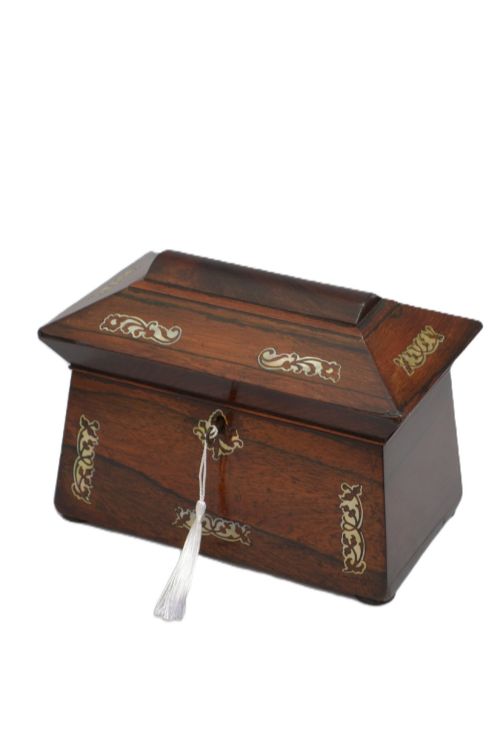
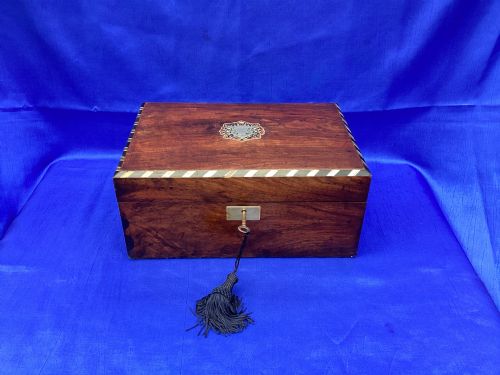
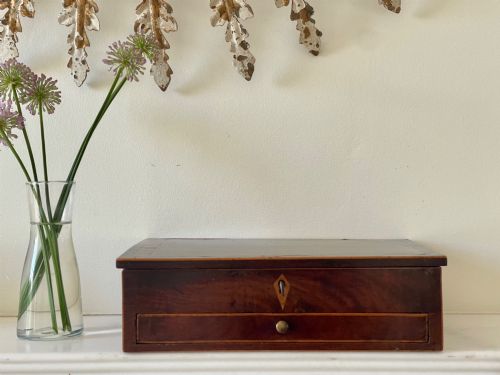
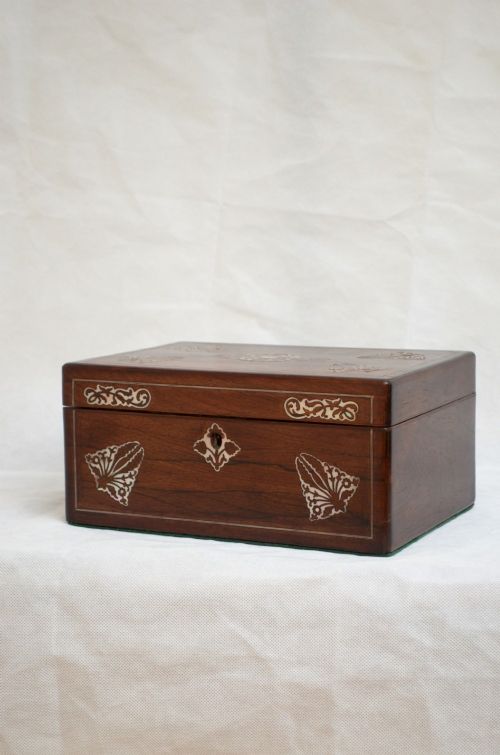
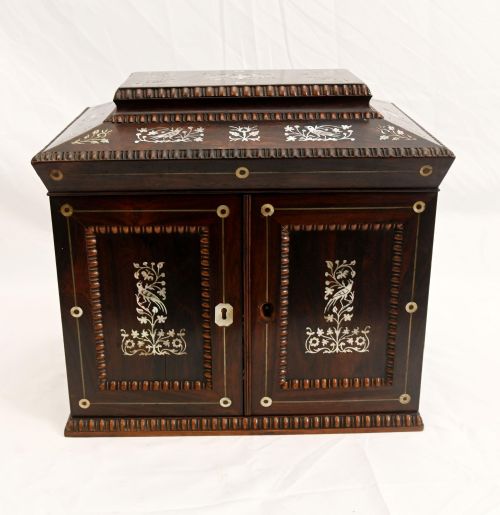
An inlaid wooden jewellery box holds small treasures while showing off precise nineteenth-century cabinet work.
Inlaid Wooden Jewellery Box
An inlaid wooden jewellery box is a desktop receptacle designed for keeping trinkets, rings, and keepsakes secure, typically encountered on this page in nineteenth-century forms.
The pieces listed span periods from the Georgian era through the Victorian decades into the early twentieth century, taking shapes such as tea caddies, vanity cases, and miniature cabinets.
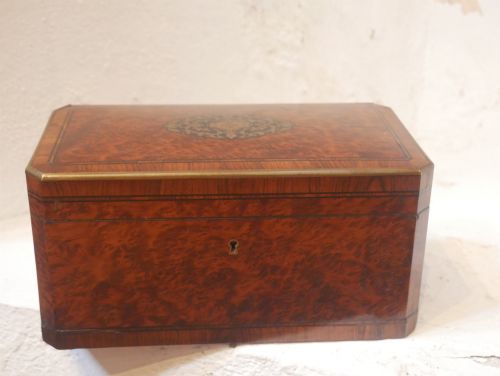
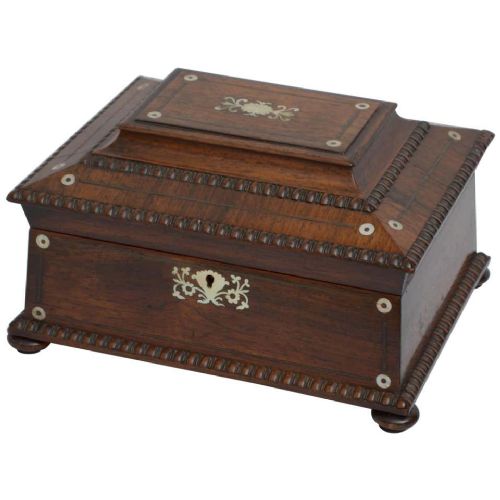
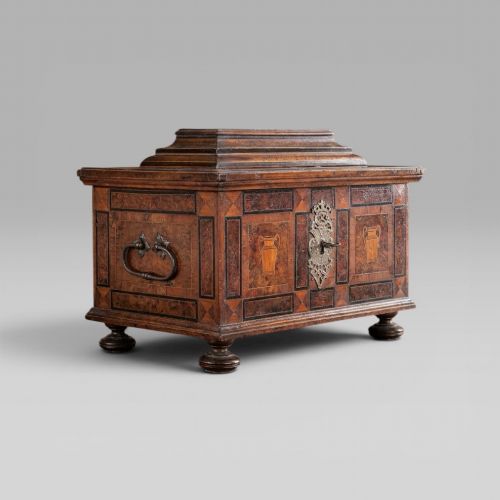
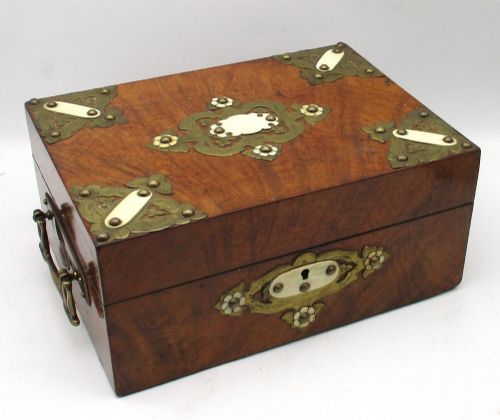
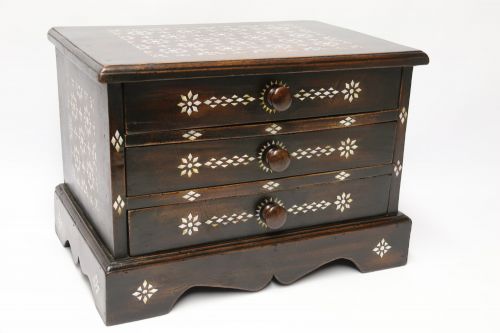
Makers utilised dense timbers like rosewood, walnut, and mahogany, decorating the lids and panels with contrasting wood veneers, brass stringing, and mother-of-pearl.
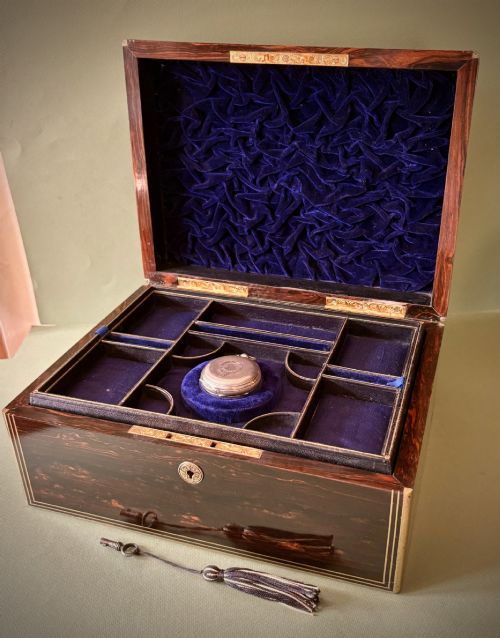
Victorian examples dominate the selection, frequently arriving with fitted velvet-lined interiors, removable trays, and concealed compartments for letters or accessories.
How They Were Made
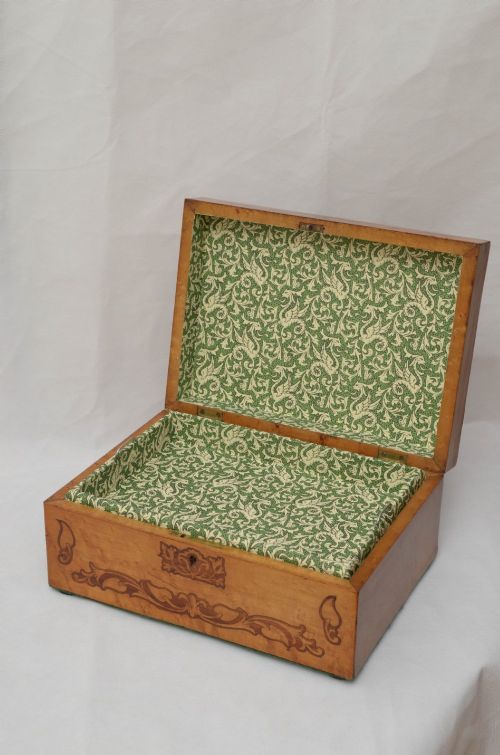
Cabinet makers built the primary carcass from solid woods like mahogany or pine before applying decorative exterior veneers of rosewood, walnut, amboyna, or burr maple.
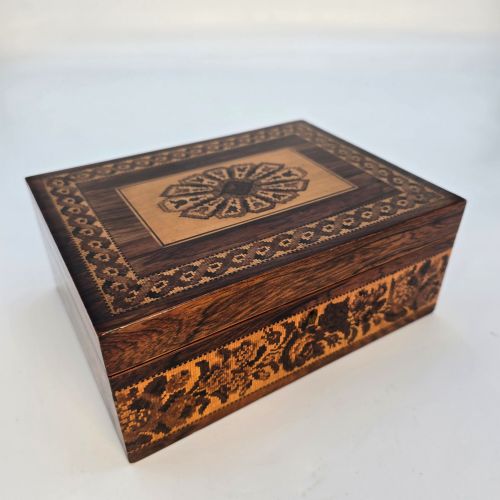
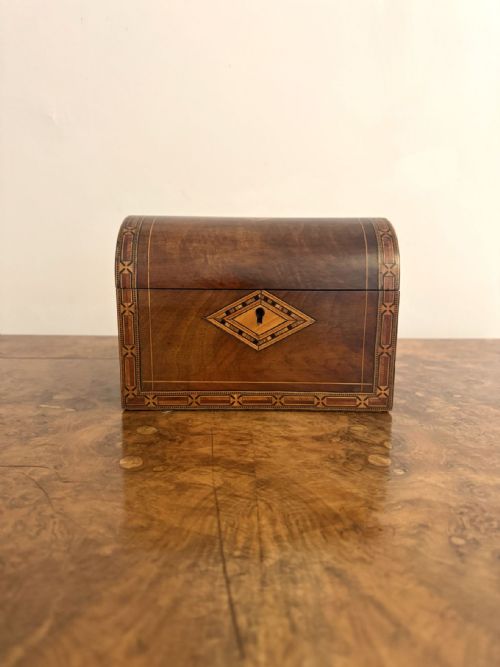
Inlay work relied on contrasting species such as boxwood and tulipwood, alongside geometric parquetry and specialised Tunbridge ware mosaic patterns built from thousands of tiny wood blocks.
Workers integrated mother-of-pearl escutcheons and brass stringing into the lids and corners, securing the wooden panels with dovetail joints and brass hinges.
Porcupine quill boxes imported during the nineteenth century reveal that Victorian collectors appreciated surprisingly prickly textures.
What Varies in Quality
The standard of a box depends on the precision of the marquetry and the choice of timber, with burr veneers and complex pictorial inlay sitting at the upper end of the scale.
Interior fittings dictate utility and value, distinguishing simple lined compartments from fully fitted dressing boxes complete with original mirrors, velvet trays, and matching glass jars.
Carcass integrity and the survival of original linings, working locks, and key escutcheons separate ordinary containers from exemplary collector pieces.
Tahan Paris·Edmund Nye·H Mitchell·Erhard and Sohne
The Inlaid Wooden Jewellery Box Glossary
- Marquetry
- The art of forming decorative patterns on a wooden carcass by fitting together small pieces of veneer, timber, shell, or metal. This technique defines the intricate lids found on many Victorian boxes.
- Tunbridge Ware
- A specialised form of woodwork originating in Kent, using thousands of tiny tinted wood squares to create mosaic pictures. These detailed geometric scenes adorn the tops of nineteenth-century trinket boxes.
- Parquetry
- A geometric mosaic of wood pieces used for covering floors or box lids. It creates repeating patterns using contrasting tones of timber.
- Escutcheon
- A flat plate of brass or mother-of-pearl surrounding the keyhole of a box. It protects the surrounding wood from wear caused by the key.
- Burr Walnut
- Wood taken from a tree growth or burl, yielding a swirling, highly figured grain pattern. Cabinet makers prized this timber for high-status Victorian dressing boxes.
Inlaid Wooden Jewellery Box: Frequently Asked Questions
What were inlaid wooden jewellery boxes used for?
These boxes served domestic spaces as secure receptacles for valuable rings, brooches, and personal keepsakes. Owners placed them on dressing tables, bureaus, or drawing-room surfaces.
Many contained partitioned trays and velvet linings to protect delicate items from dust and damage. Some incorporated secret drawers or lockable lids to safeguard more precious items.
How do I identify a Victorian jewellery box?
Victorian examples frequently utilise dark tropical hardwoods like rosewood or walnut, combined with mother-of-pearl inlay or brass stringing. Interior layouts often include lift-out trays and fitted velvet or silk sections.
Stylistic cues bridge Georgian proportions and heavier late-nineteenth-century ornamentation. Tunbridge ware decoration and stamped brass hardware point directly to this manufacturing era.
What is Tunbridge ware?
Tunbridge ware is a distinct form of woodworking where makers glued together microscopic wooden rods in specific colour arrangements. They sliced this block to produce hundreds of identical pictorial mosaics.
These tiny tiles formed detailed images of flowers, butterflies, or castles on box lids. The craft centred in Kent during the nineteenth century.
How should I care for an antique wooden box?
Keep wooden boxes away from direct sunlight and sudden temperature shifts to prevent the veneer from lifting. Maintaining stable indoor humidity protects both the timber and the internal linings.
Apply a light wax polish occasionally to nourish the antique wood finish. Avoid using liquid cleaners on the delicate paper or fabric interiors.