



Bone Trinket Box
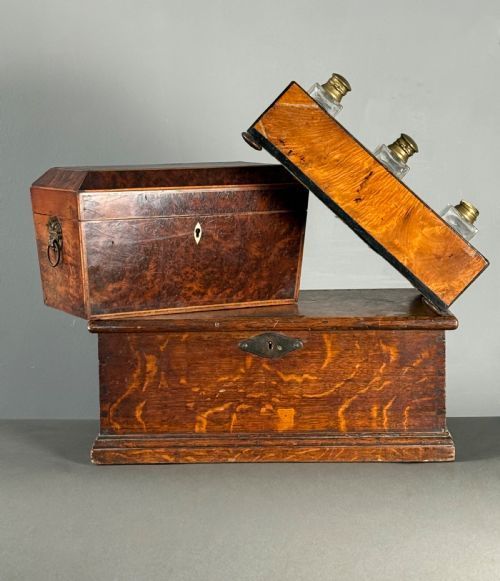
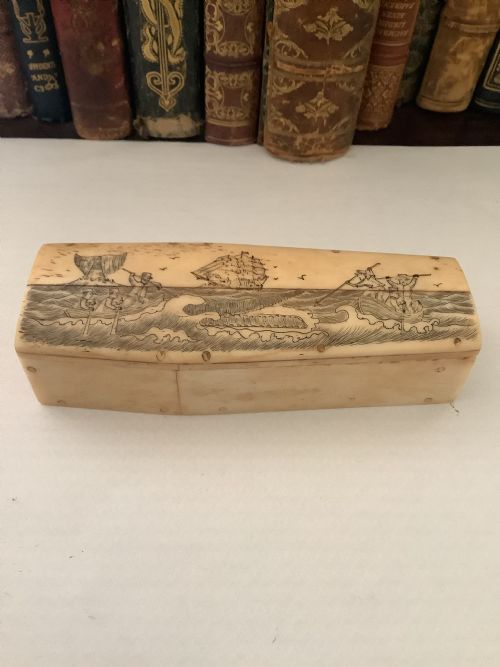
These bone trinket box examples range from nineteenth-century treen to Regency quillwork, offering small storage with intricate detail.
Bone Trinket Box
A bone trinket box serves as a small container for keepsakes, jewellery, and personal items, drawing on forms like sarcophagus chests, caskets, and snuff boxes. The pieces on this page span the eighteenth, nineteenth, and twentieth centuries, including Victorian, Regency, and Art Deco periods.
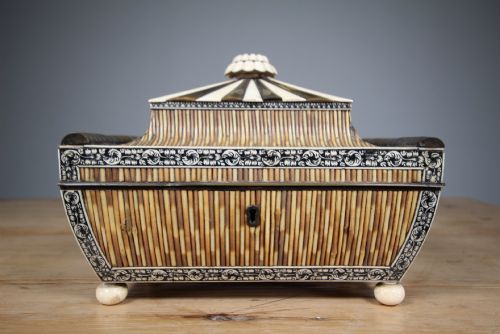
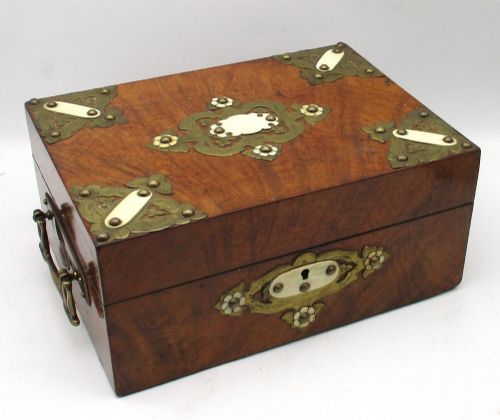
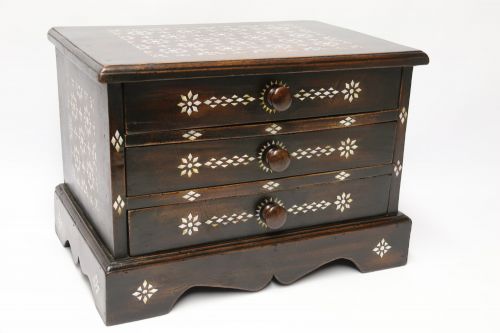
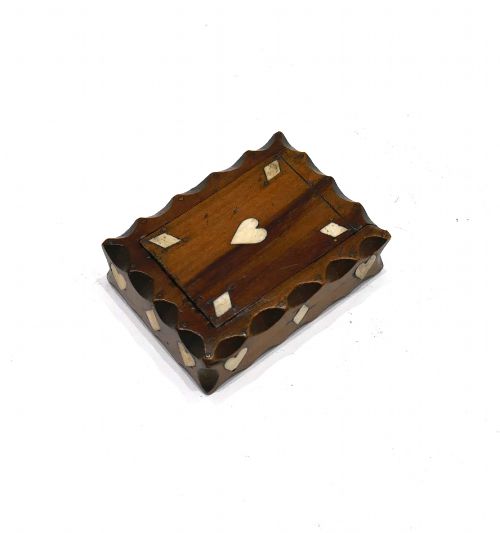
Makers shaped these containers in various formats, from fruitwood snuff boxes inlaid with bone hearts to larger Anglo-Indian collector chests and porcupine quill boxes. The selection includes decorative objects incorporating bone veneers, mother-of-pearl details, and brass trim.
How they were made
Craftsmen utilised organic materials such as bone, porcupine quill, and tortoiseshell alongside hardwoods like fruitwood, ebony, walnut, and rosewood. Surface decoration frequently involved intricate bone inlay, Sadeli mosaic work, and delicate ink inscriptions.
Techniques ranged from folk art carving to precise cabinetmaking, producing items with hinged lids, fitted interiors, and contrasting metal or brass mounts. Artisans combined structural woods with thin bone veneers and geometric inlay patterns.
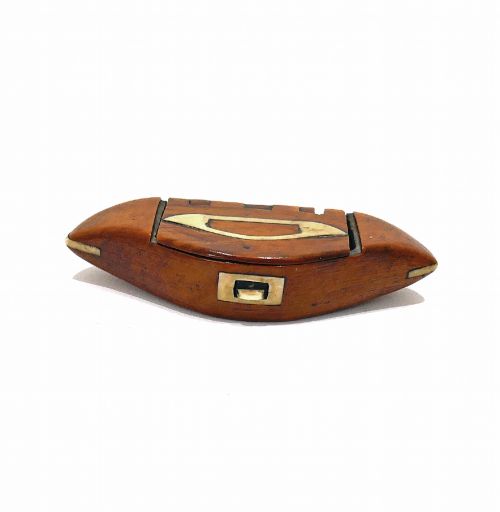
Among the historical items are nineteenth-century treen snuff boxes carved directly into the form of ladies' feet wearing open-toed shoes.
What varies in quality
Quality rests in the precision of the inlay work and the intricacy of the carving, distinguishing simple treen from masterwork Sadeli mosaic or finely sculpted memento mori pieces. The crispness of geometric patterns and the tightness of joints indicate the maker's skill.
The choice of secondary materials, such as the use of porcupine quill, ebony, or brass trim, elevates certain examples above standard utilitarian containers. Preservation of the original bone veneers and the integrity of the hinges determine the desirability of each piece.
The Bone Trinket Box Glossary
- Treen
- Small handmade wooden household objects. These items often feature utilitarian or decorative functions such as snuff boxes.
- Sadeli
- A complex micro-mosaic craft originating in India. Artisans arranged minute pieces of bone, horn, and metal into geometric patterns.
- Memento mori
- An artistic or symbolic reminder of mortality. Such carved objects often incorporate skull or skeletal motifs.
- Sarcophagus
- A coffin-shaped box style popular during the Regency period. These containers typically feature a domed or peaked lid resting on a tapered base.
- Porcupine quill
- A decorative material utilised in nineteenth-century Ceylonese and Anglo-Indian boxes. Quills are bundled with bone and ebony spacers to create textured surfaces.
Bone Trinket Box: Frequently Asked Questions
What is a bone trinket box used for?
These boxes were historically designed for holding small personal valuables, rings, pins, and snuff. Their compact scale suited placement on dressing tables and writing desks.
Today, they function well for storing modern small accessories while serving as decorative display pieces on a shelf or tabletop.
How do I date a bone box?
Dating relies on examining the construction methods, the wood species used for the carcass, and the prevailing decorative style. Regency and Victorian examples often exhibit distinct geometric inlay or specific hardware.
Comparing the box to documented pieces from periods like Art Deco or the nineteenth century helps narrow down the decade of manufacture.
What is Sadeli mosaic work?
Sadeli mosaic is a meticulous craft technique involving the assembly of tiny cross-sections of bone, metal, and stained wood. These elements form intricate geometric borders and panels.
This technique is characteristic of nineteenth-century Anglo-Indian boxes produced for export during the British colonial period.
How should I care for antique bone boxes?
Keep these items away from direct sunlight and excessive moisture to prevent the wood from warping and the bone from drying out or cracking. Gentle dusting with a dry, soft cloth is sufficient for routine maintenance.
Avoid using modern liquid polishes or chemical cleaners, which can damage delicate bone veneers and historical finishes.