



Vintage Inlaid Storage Box
A vintage inlaid storage box brings tactile warmth and historical craftsmanship to any room while keeping personal treasures securely organised.
Vintage Inlaid Storage Box
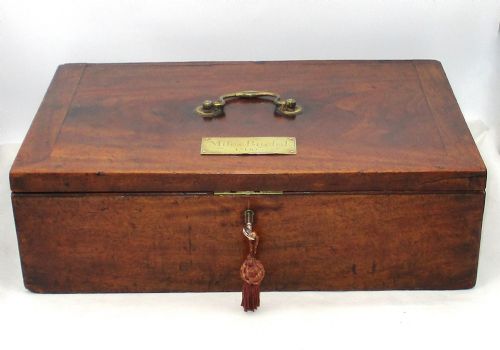
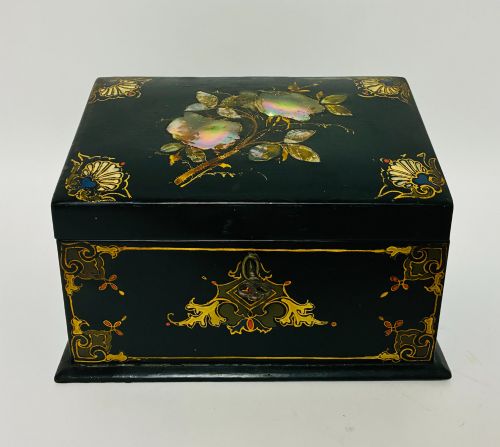
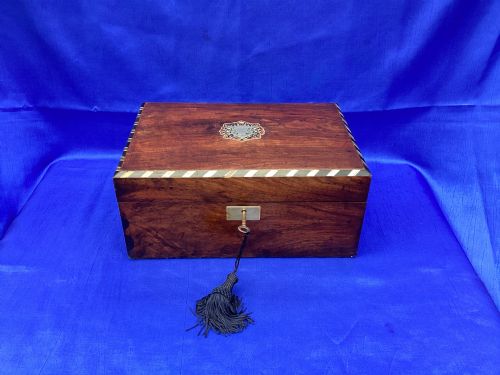
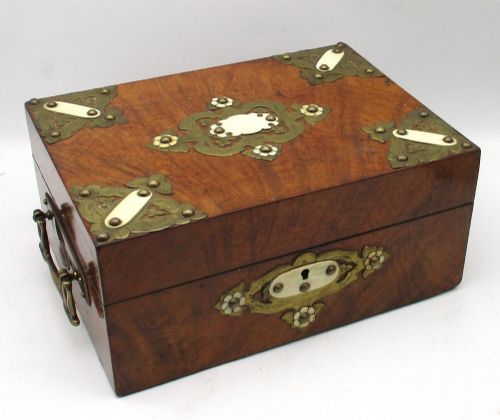
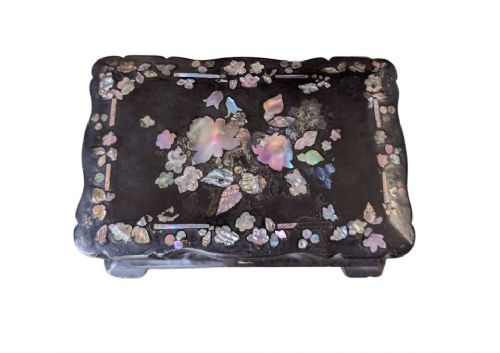
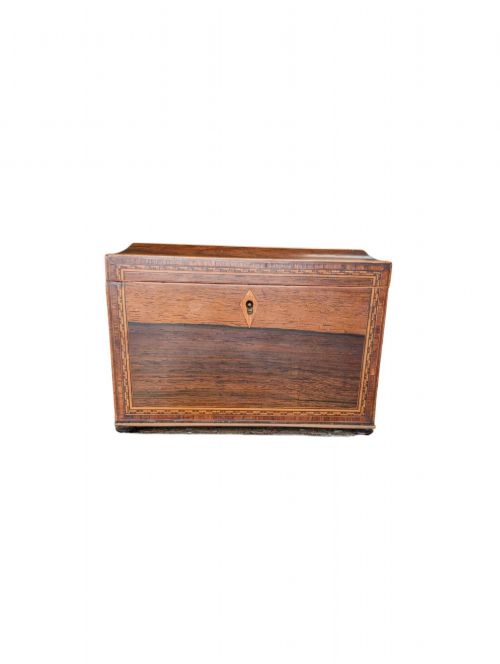
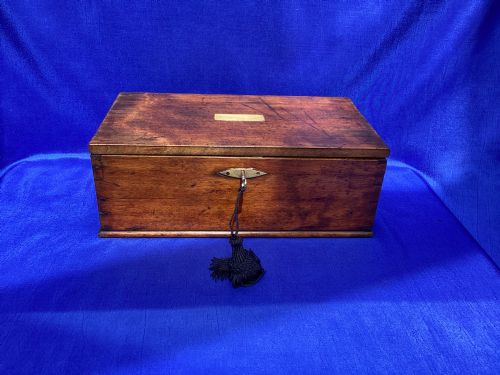
A vintage inlaid storage box encompasses a diverse group of receptacles designed for domestic organisation, ranging from compact tea caddies and jewellery cases to larger document boxes and trunks. These items appear across multiple periods, including the Georgian, Regency, and Victorian eras, reflecting the evolving taste for decorative desktop and tabletop storage.
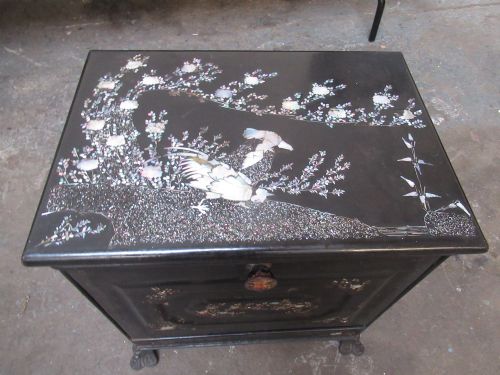
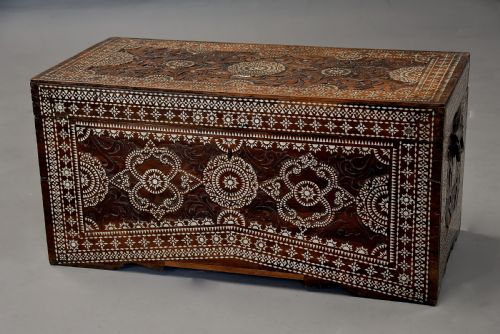
The materials utilised in these pieces heavily dictate their visual weight and texture, with dense timbers like mahogany, rosewood, and walnut frequently serving as the primary carcase. Artisans embellished these wooden surfaces using contrasting elements such as brass, bone, ebony, and mother of pearl to create intricate surface patterns.
Buyers encountering this selection will frequently find tea caddies, writing slopes, and work boxes alongside larger chests and blanket boxes. Each form serves a specific historical function, from housing luxury tea leaves to safeguarding correspondence and sewing implements.
Judging quality and execution
Quality in a vintage inlaid storage box rests primarily on the precision of the cabinet work and the tightness of the joinery around corners and lids. Superior examples maintain flush surfaces where contrasting veneers and inlay meet the primary timber without noticeable gaps or filling.
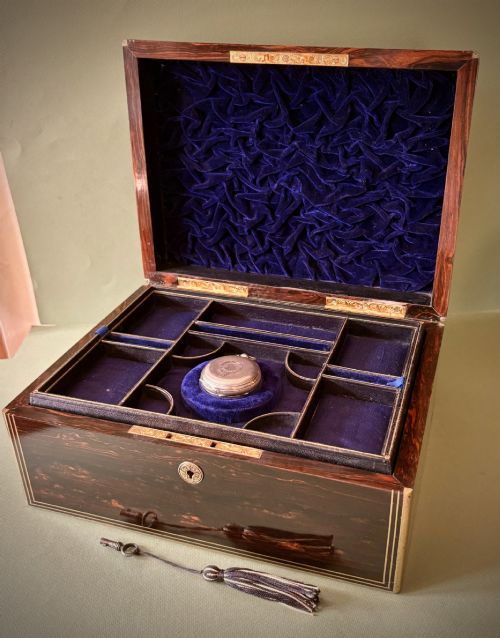
The finesse of the decorative detail distinguishes finer productions from standard workshop pieces, particularly in the hand-engraving of mother of pearl or the complexity of geometric wood banding. Original internal fittings, such as velvet linings, glass mixing bowls, or compartmentalised trays, elevate the integrity of the piece.
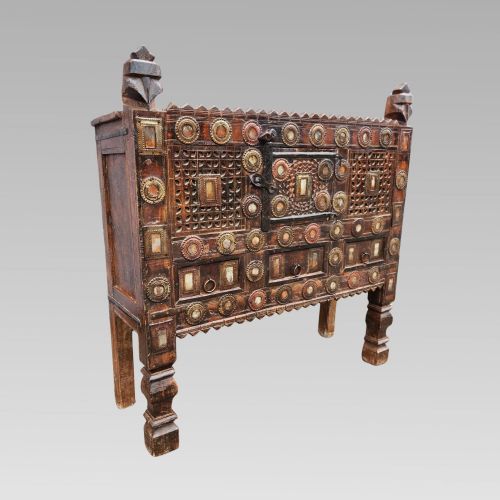
The listings span multiple centuries, incorporating Georgian, Regency, and Victorian periods alongside regional styles like Anglo-Indian and Ottoman.
Freemans of Norwich·Holtzapffel and Co
The Vintage Inlaid Storage Box Glossary
- Tea caddy
- A small storage container originally built to hold loose tea leaves securely. These often featured internal compartments and locking lids to protect expensive provisions.
- Tunbridge ware
- A specialised form of woodwork originating from Kent, featuring mosaic decoration made from thousands of tiny tinted wood segments arranged into geometric or pictorial designs.
- Marquetry
- The art of applying decorative veneer pieces to a structure to form detailed pictures or ornamental patterns. It differs from inlay by covering the entire surface rather than fitting into cut channels.
- Writing slope
- A portable desk featuring a hinged, angled writing surface that often opens to reveal inkwell recesses and hidden storage compartments for stationery.
- Cellarette
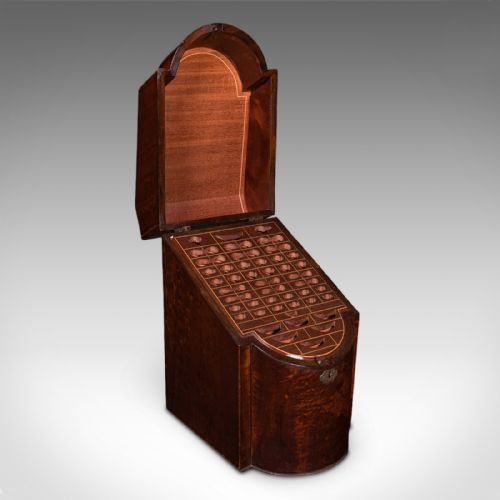
- A lockable container designed to hold wine bottles or decanters, frequently constructed during the Georgian and Victorian periods with internal dividers.
Vintage Inlaid Storage Box: Frequently Asked Questions
How were tea caddies used?
Tea caddies served as secure storage containers during periods when tea was an expensive and heavily taxed commodity. Wealthy households kept them locked in the parlour or dining room, with the master or mistress retaining the key.
Inside, the containers were often divided into compartments to separate different varieties of tea, occasionally featuring a central glass mixing bowl for blending leaves.
What is a writing slope?
A writing slope is a portable desktop box that opens downward to create an inclined writing surface lined with leather or velvet. These pieces provided a stable platform for correspondence before fitted home offices became common.
Lifting the angled panels typically reveals hidden drawers, pen trays, and inkwell slots designed to keep writing equipment organised during travel or home use.
How do I care for rosewood?
Rosewood surfaces benefit from minimal intervention, requiring only a gentle dusting with a soft, dry cloth to maintain their natural lustre. Direct sunlight and sudden changes in humidity should be avoided to prevent the timber from drying out or splitting.
Applying occasional specialist wax helps nourish the wood grain without building up a heavy, sticky residue that obscures the fine marquetry details.
What is Tunbridge ware?
Tunbridge ware describes a distinct type of decorative woodwork characterised by intricate mosaic patterns created from thousands of tiny pieces of naturally coloured wood. Craftsmen arranged these segments meticulously to depict flora, butterflies, or geometric borders on small boxes.
Originating in Kent, this technique gained immense popularity during the Victorian era for luxury souvenir trinket boxes and sewing containers.