




Engine Turned Gold Box
An engine turned gold box is a pocket receptacle for snuff or aromatics, prized for its precision machine-engraved surfaces and precious metal construction.
Engine Turned Gold Box
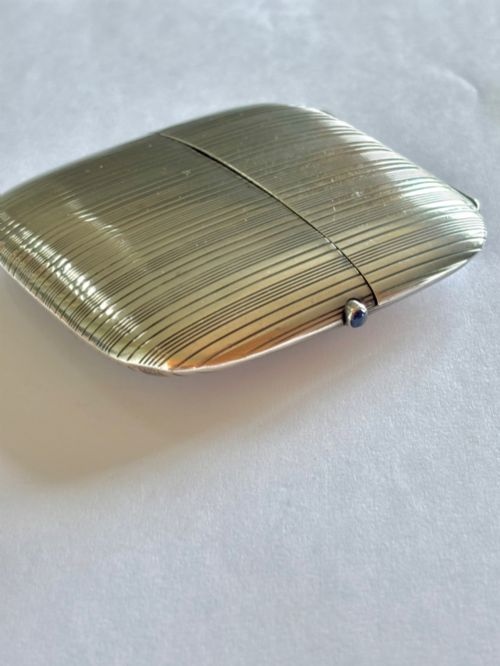
When you search for an engine turned gold box, you are looking at small portable containers designed for tobacco or perfumed vinegar, predominantly originating in the Georgian and Regency periods. The forms appearing on this page range from rectangular snuff boxes to hinged vinaigrettes and book-shaped receptacles.
The versions you are most likely to meet combine high-karat yellow or two-colour gold with intricate geometric chasing, occasionally accented by diamonds or glass panels. Makers active in London during the early nineteenth century produced these luxury personal items for fashionable daily use.
How they were made
These pieces utilise solid 18ct gold, 18k gold, and vari-coloured or two-colour gold, sometimes paired with horn or copper gilt elements. Metals were cast and shaped into boxes before receiving their characteristic surface decoration.
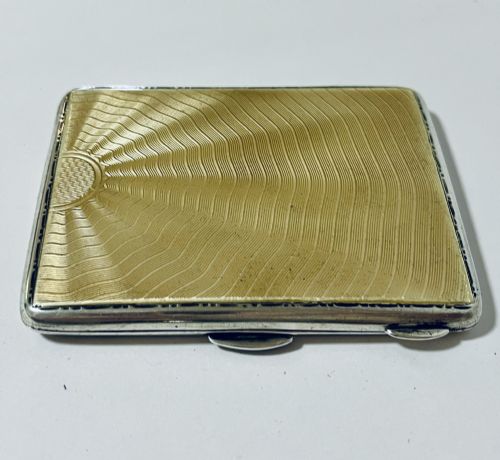
Makers applied precise mechanical engraving using a rose engine lathe to cut repetitive geometric patterns into the gold surface. Hinges, bezels, and pierced grilles inside vinaigrettes were hand-soldered and finished with meticulous attention to detail.
Engine Turned Gold Box Retail Price Guide 2026
Typical asking prices for engine turned gold box among the pieces listed under this phrase on Sellingantiques today, from the lower quarter to the upper quarter. They describe what is for sale here now, not the wider market.
The listings here show pieces created in 18ct yellow gold, two-colour gold, and glass, spanning the Georgian, George III, and Regency periods.
What varies in quality
The distinction between standard examples and superior works rests upon the crispness of the mechanical engraving and the weight of the precious metal used. Heavier gauge gold and deeply cut patterns indicate a higher tier of production.
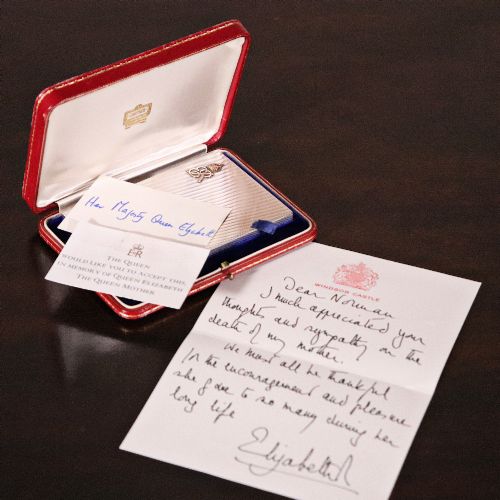
The presence of named maker marks, London hallmarking, and documented royal provenance elevate certain pieces above unmarked or simpler specimens. Additional decorative elements like diamonds or complex multi-colour gold configurations further separate standard boxes from masterworks.
Jacob Amyand·Giles Loyer·Alexander James Strachan·Charles Rawlings
The Engine Turned Gold Box Glossary
- Engine turning
- A mechanical method of engraving precise geometric patterns onto metal surfaces using a lathe. This technique creates repetitive textured designs that catch the light.
- Vinaigrette
- A small hinged box featuring a perforated internal grille, designed to hold a sponge soaked in aromatic vinegar. These were carried during the Georgian era to mask unpleasant odours.
- Two-colour gold
- A decorative combination of different gold alloys, such as yellow and white or rose gold, used together within a single object. This method creates contrast in patterned surfaces.
- Georgian
- The historical period spanning the reigns of the four British monarchs named George, lasting from 1714 to 1830. Pieces from this era often display classical restraint and fine craftsmanship.
- Regency
- A stylistic period within the late Georgian era, officially dating from 1811 to 1820. Design during this time drew heavily on classical antiquity and refined neoclassical motifs.
Engine Turned Gold Box: Frequently Asked Questions
What is an engine turned gold box?
An engine turned gold box is a small, high-value personal container fashioned from 18ct or vari-coloured gold, decorated with precise geometric patterns cut by a lathe. These objects were historically carried in pockets for snuff or aromatic substances.
They represent the pinnacle of early nineteenth-century goldsmithing, combining functional utility with intricate decorative artistry.
How were these boxes used?
Owners used these boxes to store dry snuff for inhalation or, in the case of vinaigrettes, a sponge soaked in scented vinegar to counter unpleasant odours. They were portable luxury items displayed during social interactions.
Opening the tight-fitting hinged lid revealed either a plain gilded interior or a finely pierced internal grille designed for releasing fragrance.
How do I date an engine turned gold box?
Dating relies heavily on official hallmarks stamped into the metal, which record the assay office, the specific year of manufacture, and the maker's mark. Stylistic clues such as neoclassical motifs and the choice of two-colour gold also point to the Georgian and Regency periods.
Comparison with documented examples by recorded London goldsmiths helps narrow down the precise decade of production.
What is the difference between a snuff box and a vinaigrette?
A snuff box is designed simply to hold loose snuff tobacco within a sealed compartment, featuring a flush or hinged lid. A vinaigrette is generally smaller and includes an internal hinged grille that covers a sponge soaked in aromatic vinegar.
While both share similar exterior engine turned decoration, the internal architecture separates the tobacco receptacle from the scent container.