
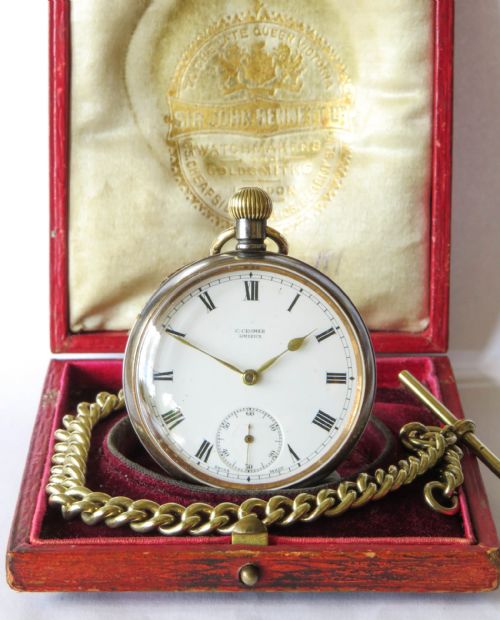


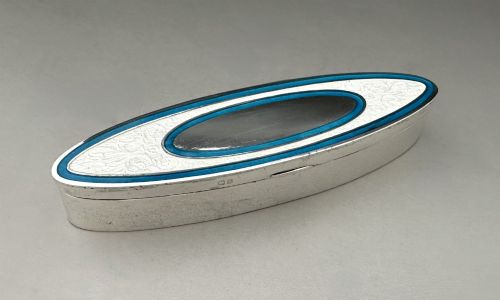


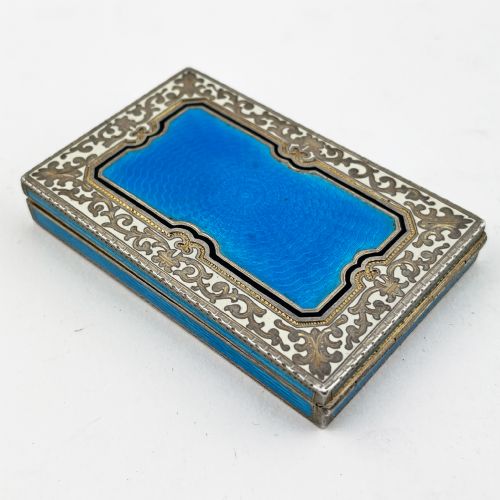

Edwardian Enamel Box
An Edwardian enamel box combines vitreous glass work with sterling silver, offering a pocket-sized piece of early twentieth-century craftsmanship.
What these pieces are
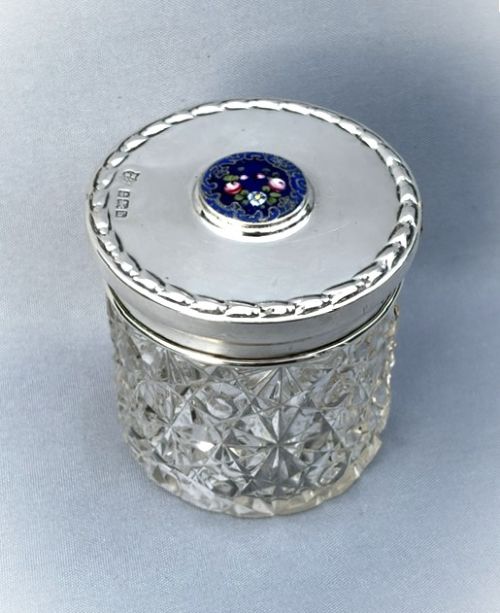
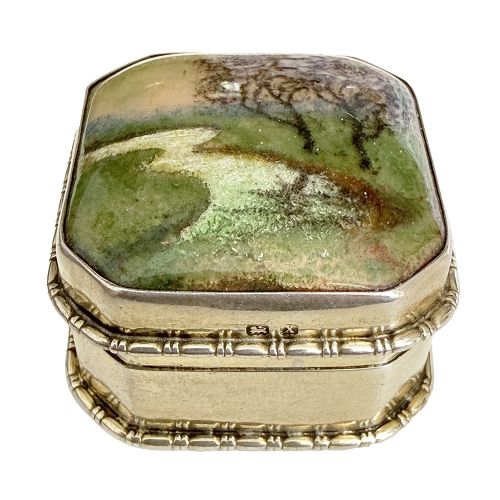
An edwardian enamel box brings together precious metals and fused glass work, appearing mainly as small trinket boxes, pill boxes, and rouge pots. These items serve as compact containers designed for small personal items on a dressing table or in a waistcoat pocket.
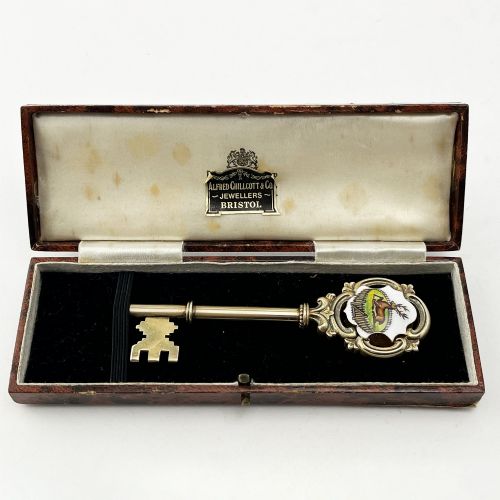
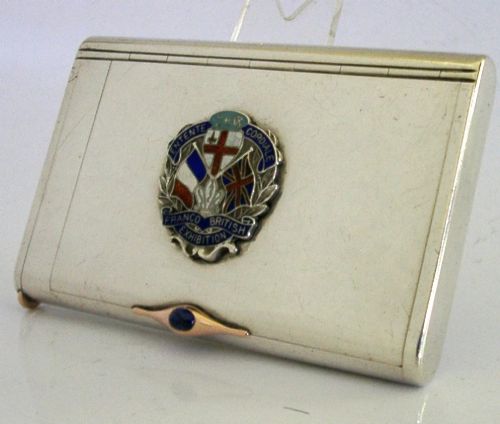
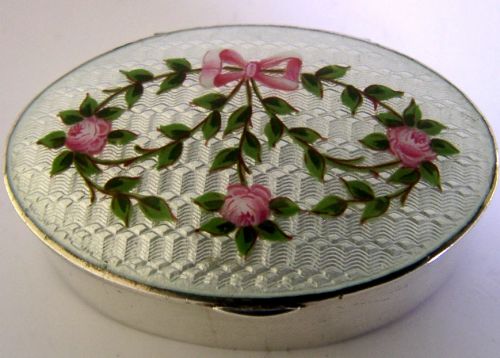
Most examples originate from the Edwardian period, with variations extending into the nineteen-twenties and thirties. Makers utilise sterling silver frames to house vitreous enamel surfaces, often decorated with engine-turned patterns or painted floral motifs.
How they were made
Silversmiths shape sterling silver into small hinged containers, stamping hallmarks that record assay offices such as Birmingham and Chester. The metal provides a rigid structural housing for the decorative glass components.
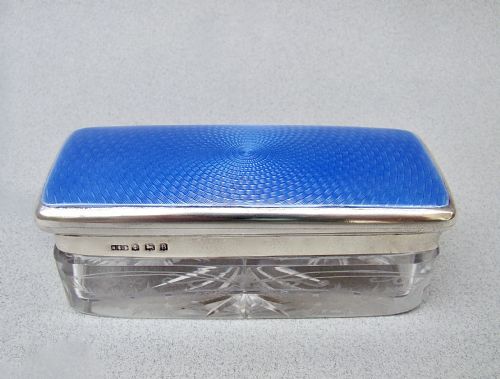
Vitreous enamel is fused to the silver base through high-temperature firing. Techniques include guilloche work, where geometric patterns are engraved beneath translucent enamel, alongside bi-colour and turquoise enamel applications.
Retail Price Guide 2026
Typical UK retail prices for edwardian enamel box, calculated from the Sellingantiques database of over a million retail prices indexed since 2003. This retail price guide relies exclusively on Sellingantiques data; no external sources or auction records are used, so the figures do not describe the wider market.
Listings feature items spanning the Edwardian period through the nineteen-thirties, incorporating sterling silver, vitreous enamel, and guilloche techniques.
What varies in quality
The refinement of the guilloche engraving beneath the enamel dictates the visual depth of the surface. Crisp, precise machine-turning creates light-catching effects that simpler stampings lack.
The weight and gauge of the sterling silver housing determine the structural integrity of the box. Thicker metal plates resist denting and maintain secure hinge alignment over decades of use.
Fleetwood Varley·C.E. Turner·Liberty·J & R Attenborough·James Fenton·Saunders & Shepherd
The Edwardian Enamel Box Glossary
- Guilloche enamel
- A decorative technique where metal is engraved with precise repetitive patterns before translucent enamel is applied over the top. This method allows light to reflect through the coloured glass layer.
- Vitreous enamel
- Glass fused to a metal surface at high temperatures to create a smooth and durable coloured coating. It forms the primary decorative skin on these silver boxes.
- Sterling silver
- An alloy consisting of ninety-two point five percent silver and seven point five percent other metals, chosen for durability in small containers. British pieces carry assay office hallmarks indicating this standard.
- Hallmark
- A system of official marks stamped on precious metals in Britain to show the standard of purity, the assay office, and the date letter. These marks help identify the exact year and origin of a piece.
Frequently Asked Questions
What were small enamel boxes used for?
These containers held pills, rouge, stamps, or small trinkets during the early twentieth century. Their compact size made them suitable for pockets or dressing tables.
Ladies and gentlemen carried them daily as functional personal accessories. The tight-fitting silver lids kept contents secure while travelling.
How do I identify an Edwardian piece?
Examination of the silver hallmarks reveals the specific assay office and date letter corresponding to the Edwardian era. Birmingham and Chester are common marks found on these items.
The distinct design aesthetics, including floral motifs and guilloche patterns, align with the craftsmanship typical of the early nineteen hundreds.
How do I clean an enamel box?
Gentle wiping with a soft, dry cloth preserves the fragile glass surface of the enamel. Moisture should be kept away from the interior linings and hinges.
Silver polish applies only to the metal portions, taking care to avoid contact with the enamel edges. Harsh chemical dips risk damaging the fused glass.
What is guilloche enamel?
Guilloche is a decorative technique involving mechanical engraving of metal prior to enamel application. The underlying patterns create geometric depth beneath translucent coloured glass.
This method produces a shimmering effect as light moves across the surface. It appears frequently on pill boxes and trinket containers from this era.