
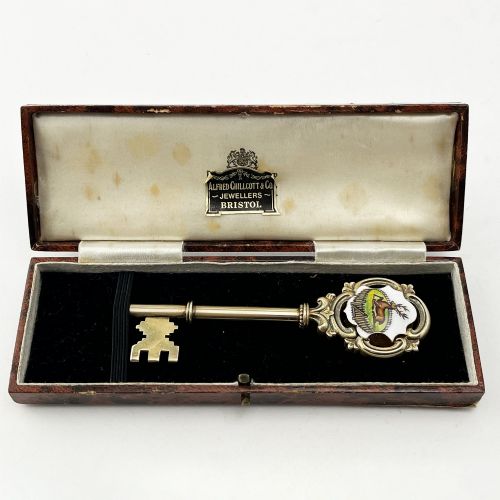
Silver Enamel Box
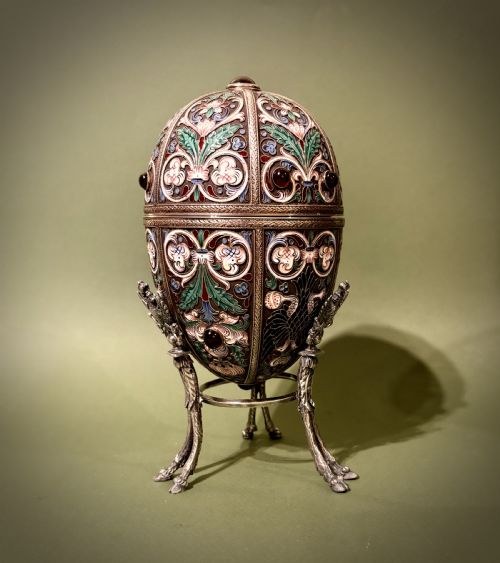
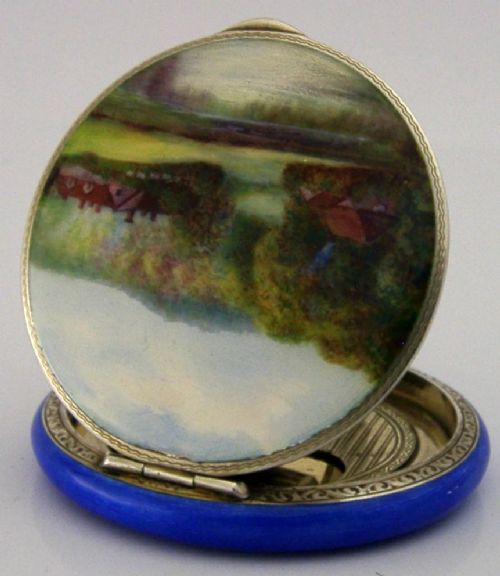
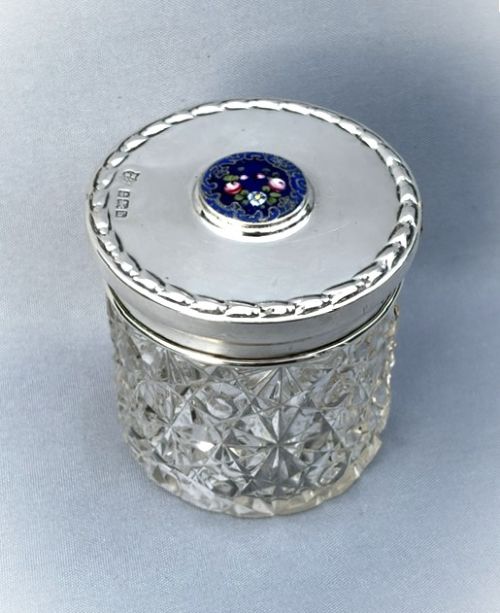
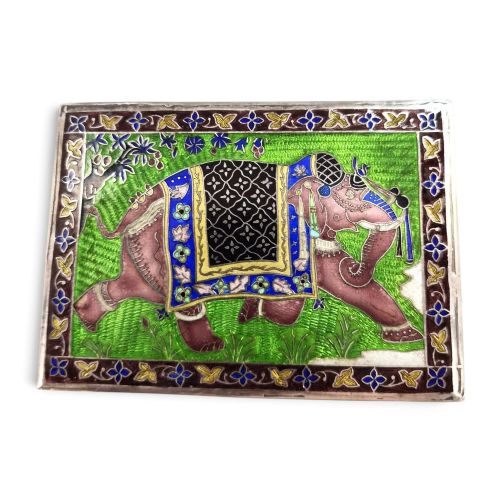
These silver enamel box pieces combine precious metal with vitreous colour, offering a portable canvas for intricate design that catches the eye.
Understanding the silver enamel box
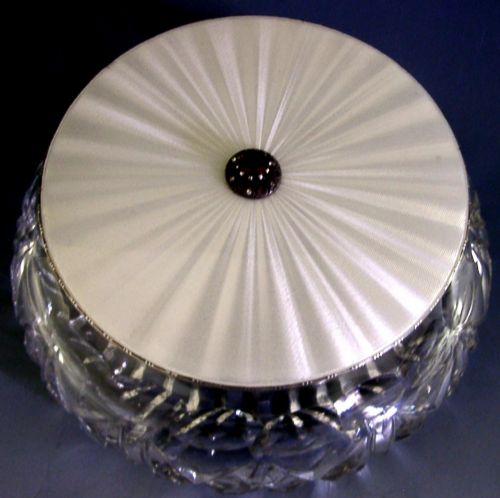
A silver enamel box serves as a small vessel for keeping trinkets, pills, stamps or cigarettes, made durable by its metal frame and decorative through its glassy surface. When searching for a silver enamel box, buyers encounter forms ranging from pocket pill containers and compacts to larger dressing table vessels and cigarette cases.
The objects span multiple stylistic movements, including Arts and Crafts, Art Deco, and Mid-Century Modern designs, alongside regional variations from Britain, continental Europe, Russia, and Asia. Pieces often take the shape of trinket boxes, decorative boxes, and pill boxes.
Origins stretch from the nineteenth century through the mid-twentieth century, capturing periods such as the Edwardian era, the nineteen-twenties, and the nineteen-thirties. Examples appear in silver, sterling silver, or solid silver, occasionally paired with organic elements like wood, Karelian birch, or coral.
Materials and construction
Craftsmen form the body of each piece using silver or sterling silver, sometimes applying silver gilt or working with white metal mounts. Structural elements occasionally incorporate wood, rosewood, or Karelian birch to complement the metalwork.
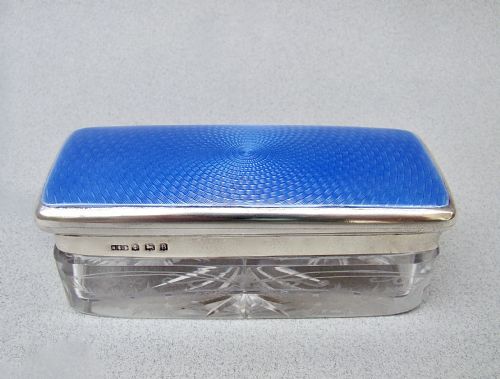
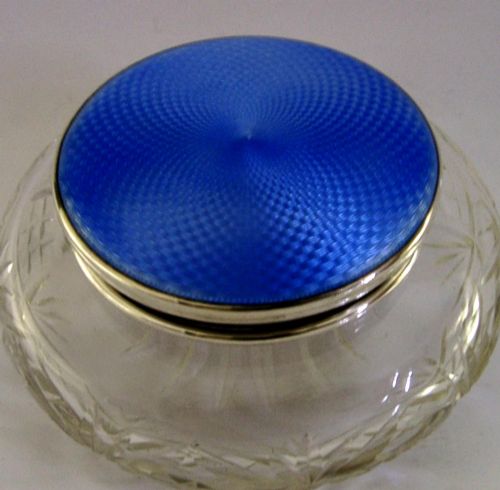
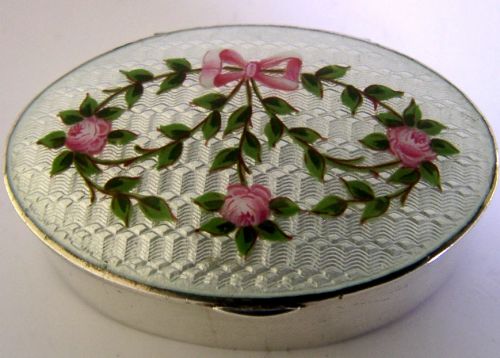
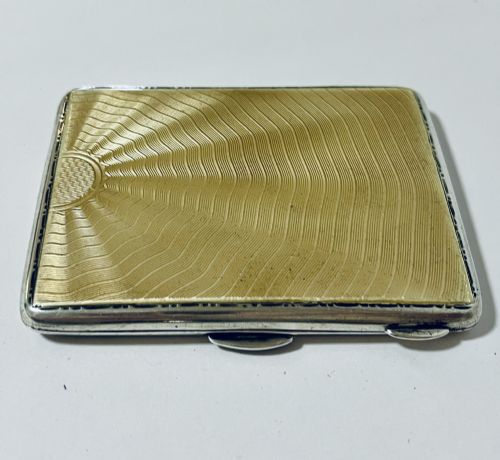
Enamelwork relies on vitreous enamel fused to the metal surface through high-heat firing, frequently utilising guilloché techniques with engine-turned geometric patterns beneath translucent colour. Cloisonné methods also appear, employing fine metal wires to outline individual cells of coloured glass paste.
Retail Price Guide 2026
Typical UK retail prices for silver enamel box, calculated from the Sellingantiques database of over a million retail prices indexed since 2003. This retail price guide relies exclusively on Sellingantiques data; no external sources or auction records are used, so the figures do not describe the wider market.
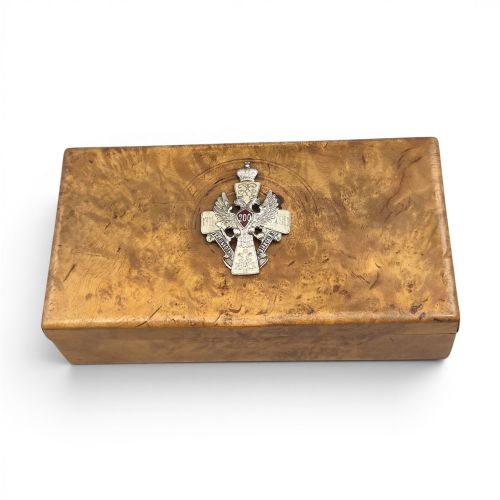
Some officers carried birch boxes bearing regimental badges into the field, proving that even military men required stylish stationery.
Factors that define quality
Quality rests upon the precision of the engine turning and the clarity of the guilloché enamel, where top-tier examples display flawless translucent glass layers over sharp, uniform machine engraving. The weight of the silver foundation and the crispness of maker's marks or assay office stamps also separate standard items from superior works.
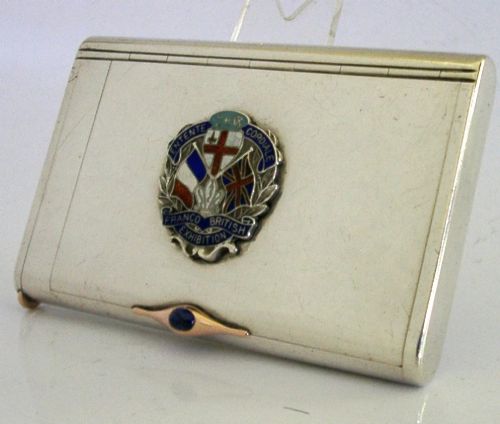
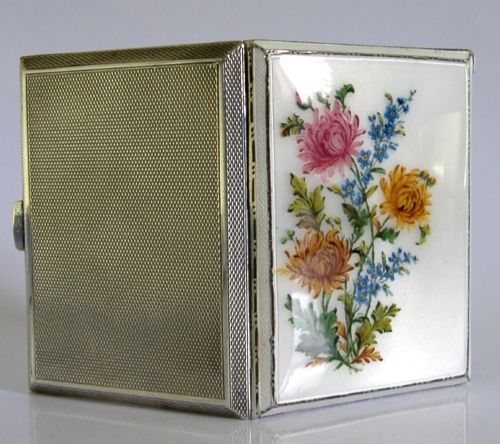
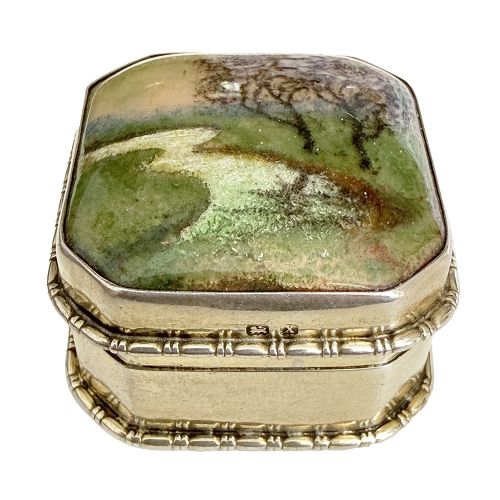
Artistic execution dictates value, visible in hand-painted botanical motifs, pictorial scenes, or regimental badges rather than plain geometric fields. The integrity of the hinges, the snug fit of the lid, and the absence of chips or hairline fractures in the delicate enamel surface determine the preservation state.
Fleetwood Varley·Saunders and Shepherd·Levi and Salaman·Turner and Simpson Ltd·Cohen and Charles·Steinhart and Co·Edward I Farmer·Deakin and Francis·Ottaviani
The Silver Enamel Box Glossary
- Guilloché
- A decorative technique where a mechanical lathe engraves precise, intricate geometric patterns into a metal substrate before translucent enamel is applied over the top.
- Vitreous enamel
- A material made by fusing powdered glass to a substrate by firing, usually between seven hundred and eight hundred and fifty degrees Celsius.
- Sterling silver
- An alloy of silver containing ninety-two point five percent by mass of silver and seven point five percent by mass of other metals, usually copper.
- Cloisonné
- An ancient technique for decorating metalwork objects, using vitreous enamel where spaces are partitioned by strips of flattened wire.
- Silver gilt
- Silver that has been plated with a thin layer of gold on its surface, sometimes referred to as vermeil.
Frequently Asked Questions
What were silver enamel boxes used for?
These vessels held small personal items such as pills, stamps, trinkets, or cigarettes, serving both practical storage and ornamental functions on dressing tables.
Wealthy owners carried pocket-sized versions daily, while larger table boxes remained stationary in homes to display fine metalwork and colourful glass glazing.
How do I clean my box?
Clean the silver elements gently with a soft microfibre cloth, avoiding harsh dips or abrasive polishes that might scratch the surrounding vitreous glass.
Keep moisture away from any wooden components or lined interiors, and store the item away from direct sunlight to protect the enamel colour.
How can I date my piece?
Examine the hallmarks stamped on the silver mount, which typically indicate the assay office, standard of metal, and a specific date letter for British items.
Stylistic cues also help narrow the timeline, distinguishing the organic motifs of Arts and Crafts pieces from the geometric styling of Art Deco examples.
What is engine turning?
Engine turning is a mechanical method of engraving precise geometric patterns onto a metal base using a specialised lathe before glazing.
This technique creates the shimmering background texture seen beneath translucent guilloché enamel on many twentieth-century dressing table items.