


English Lowboy
An English lowboy is a compact table with drawers, built to hold correspondence or serve as a dressing table, and collectors prize them for their proportion and timber.
English Lowboy
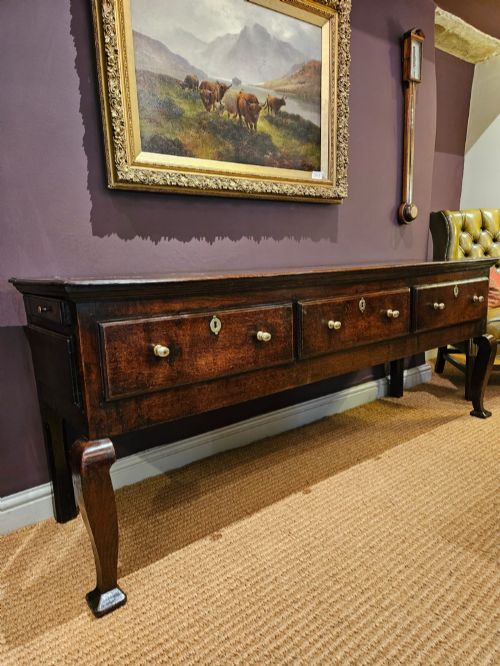
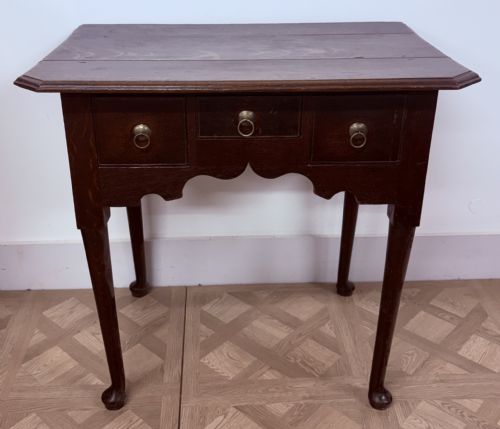
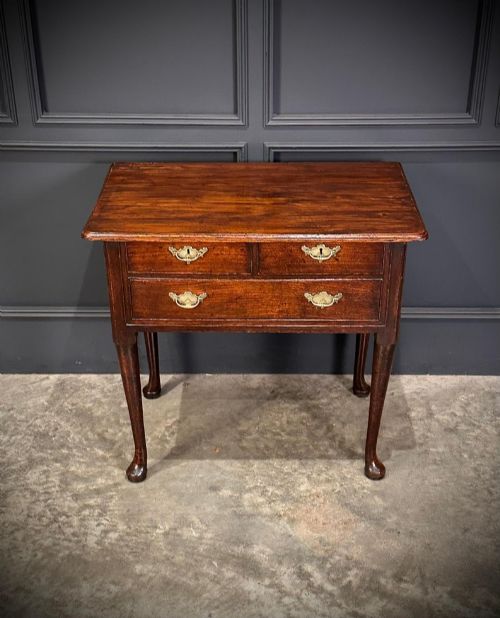
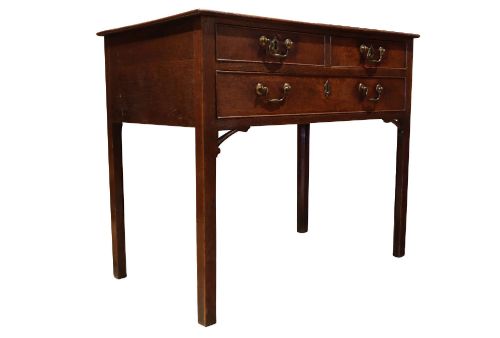
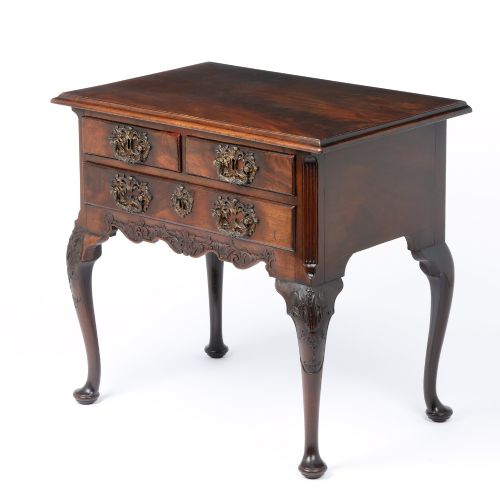
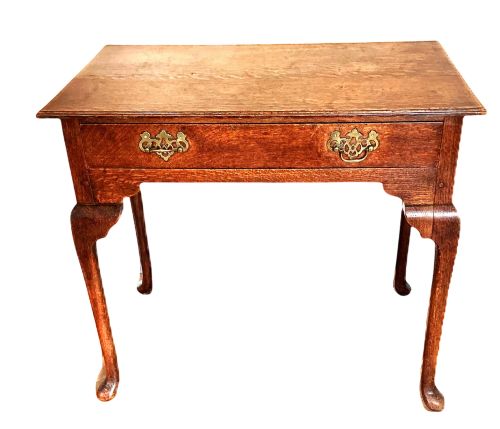
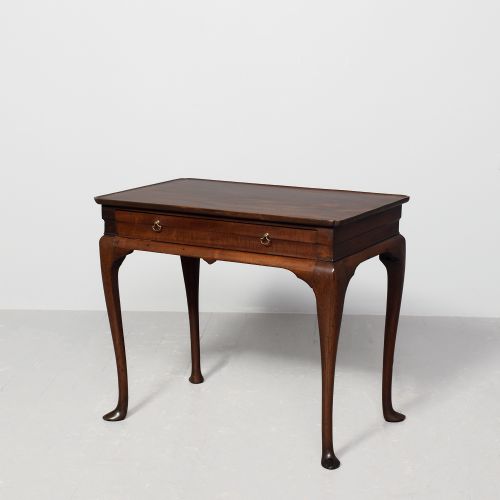
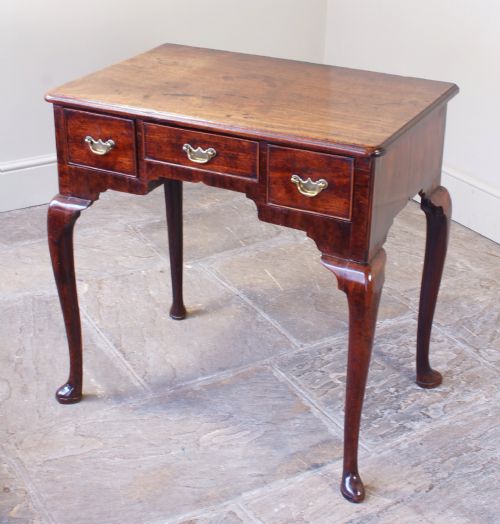
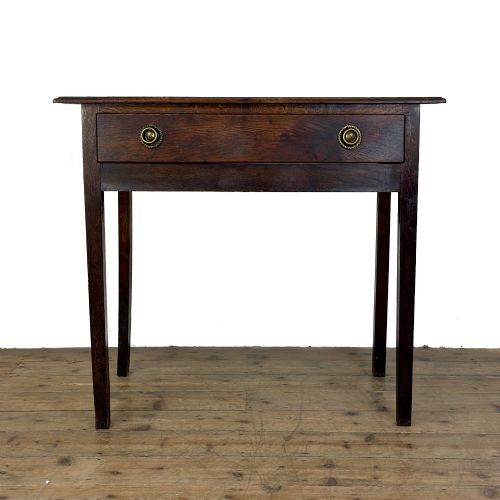
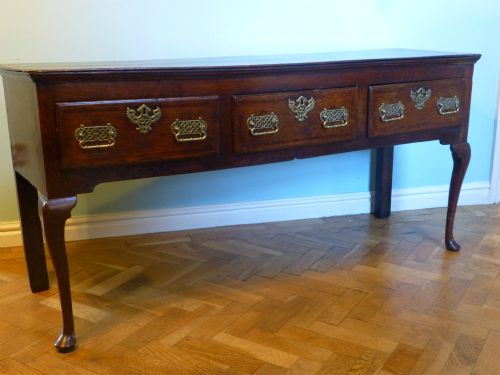
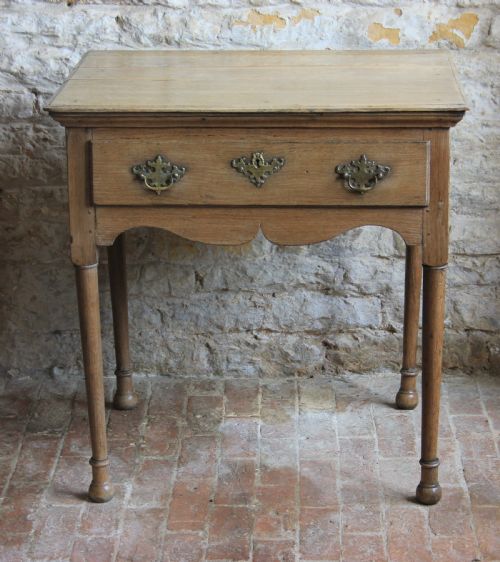
The English lowboy is primarily a small table fitted with one, two, or three drawers, designed for domestic chambers and reception halls during the seventeenth and eighteenth centuries. When you search for an english lowboy, you encounter pieces spanning from the William and Mary period through the reign of George III, alongside later revival interpretations. Oak and walnut examples from the early periods sit alongside mahogany pieces from the mid eighteenth century, reflecting shifting tastes in fashionable timber.
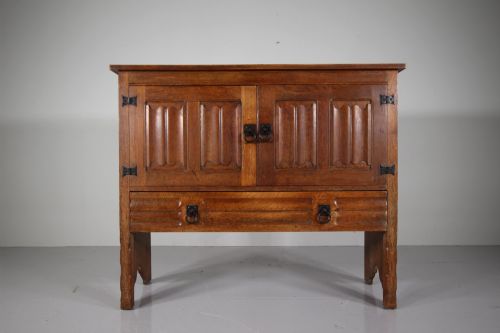
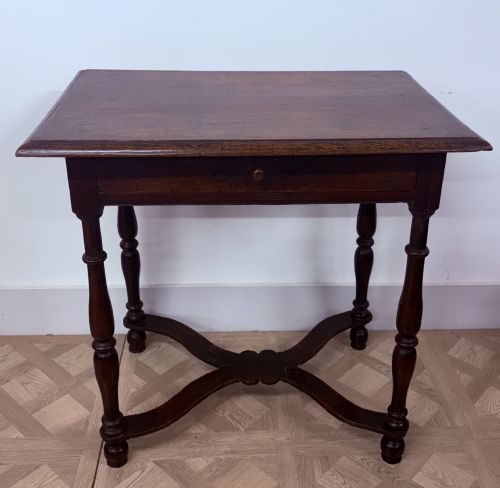
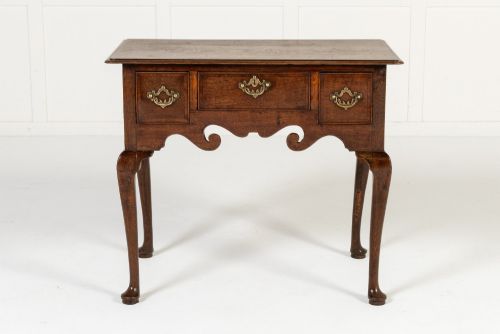
Beyond the classic lowboy form, listings frequently encompass related low tables, oak side tables, and dresser bases that share similar proportions and function. Most surviving examples rely on straightforward rectangular tops above a frieze of drawers, though the execution of legs ranges from plain supports to shaped cabriole forms. The domestic scale of these pieces makes them particularly adaptable as lamp tables or writing desks in modern interiors.
Materials and construction
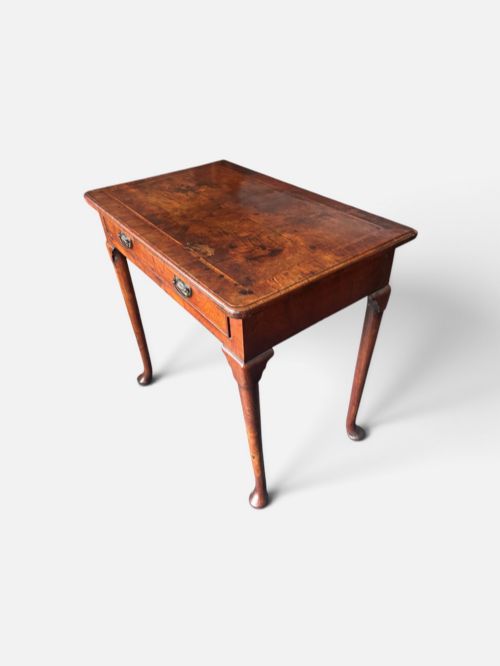
Cabinetmakers constructed these tables using native timbers like oak and cherry alongside expensive imported hardwoods such as mahogany and walnut. Early pieces utilise solid oak or walnut, sometimes enhanced with burr walnut veneers or delicate herringbone stringing to create decorative surface patterns. Joinery relied on traditional methods, ensuring the small frames remained rigid despite centuries of daily use.
Drawer construction involves hand-cut joints, and many examples retain their original brass drop handles and escutcheons. Secondary timbers such as pine appear on drawer linings and structural carcase parts, particularly in painted or country pieces. Surface finishes range from waxed patinated oak to polished mahogany, each showing the natural grain developed through age.
English Lowboy Retail Price Guide 2026
Typical asking prices for english lowboy among the pieces listed under this phrase on Sellingantiques today, from the lower quarter to the upper quarter. They describe what is for sale here now, not the wider market.
Several of these small tables spent centuries holding inkwells and heavy ledgers before retiring to hold modern table lamps.
Evaluating the standard
Quality in these tables depends heavily on the choice of timber and the crispness of any carved detail on the legs or apron. Pieces featuring figured walnut veneers or rich mahogany show a higher ambition than plain secondary oak, though early joined oak retains its own rustic appeal. The survival of original brass hardware and untouched drawer linings also elevates an example.
Proportion and stance separate standard utility tables from finer regional or metropolitan pieces. A well-executed cabriole leg transitioning smoothly into a pad or hoof foot demonstrates superior craftsmanship compared to a stiffly turned leg. The integrity of the structure, including minimal timber replacement and a deep patinated surface, dictates the overall standing of the piece.
The English Lowboy Glossary
- Lowboy
- A small pedestal-free table with drawers, typically waist-height, used historically as a dressing table or writing desk.
- Cabriole leg
- A furniture leg that curves out and then in, resembling an animal's front leg, frequently ending in a pad or foot.
- Herringbone inlay
- A decorative border made by laying small veneer strips in a V-shaped pattern, common on fine walnut furniture.
- Dresser base
- A low framework with drawers and sometimes cupboards, serving a similar function to large sideboards in early houses.
- Escutcheon
- A flat plate surrounding a keyhole, usually made of brass to protect the surrounding timber from wear.
English Lowboy: Frequently Asked Questions
What is an english lowboy used for?
Historically, these tables served as compact dressing tables for bedrooms or writing surfaces for correspondence and household accounts.
Today, their modest dimensions allow them to function as side tables, hall tables, or lamp stands in compact spaces.
How do I tell an 18th century lowboy from a later copy?
Examine the construction methods inside the drawers and under the top, looking for hand-cut joints and timber shrinkage appropriate to age.
Original hardware impressions and uneven hand-planed boards also distinguish period examples from Edwardian or later twentieth-century revivals.
What is the difference between a lowboy and a side table?
While the terms frequently overlap in historical listings, a lowboy specifically incorporates one or more drawers beneath the surface.
Plain side tables may lack drawers entirely, functioning strictly as flat surface furniture for display or serving.
Where should I place a lowboy in my home?
Their shallow depth makes them well-suited for narrow hallways, reception rooms, or landings where large furniture would obstruct movement.
They also pair effectively beneath a mirror in a bedroom or as a compact writing desk against a living room wall.