


Vintage Walnut Hall Table
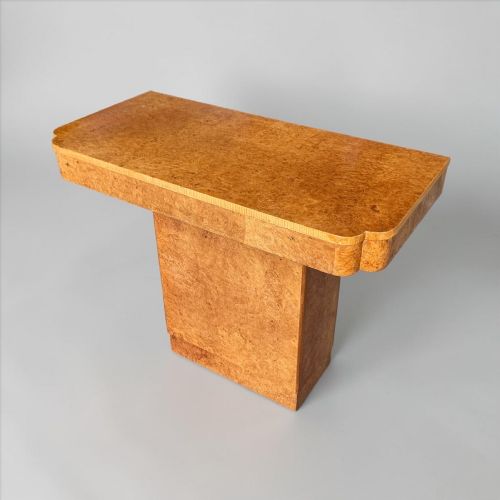
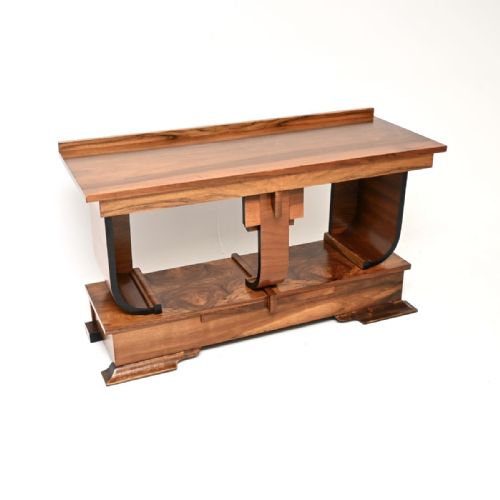
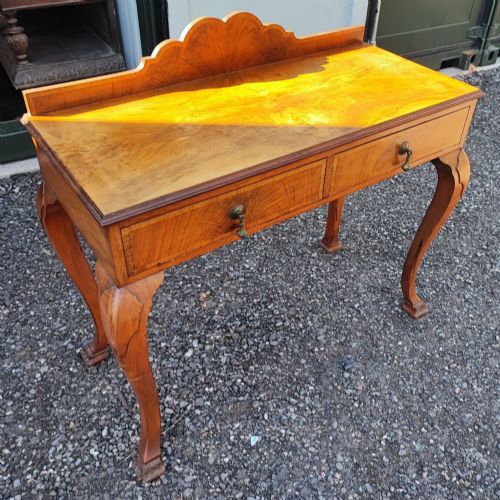
A vintage walnut hall table brings warm grain and narrow proportions to an entranceway, offering a surface for post and keys without crowding the floor.
Vintage Walnut Hall Table
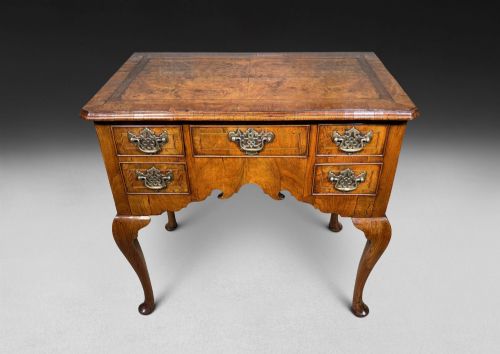
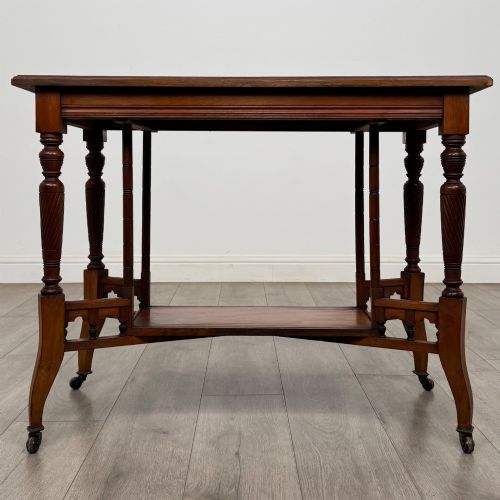
A vintage walnut hall table is essentially a slender surface designed for narrow spaces, most frequently appearing in console, side, and lowboy forms. Buyers seeking a vintage walnut hall table encounter pieces spanning the eighteenth century through to the Art Deco period and the early twentieth century.
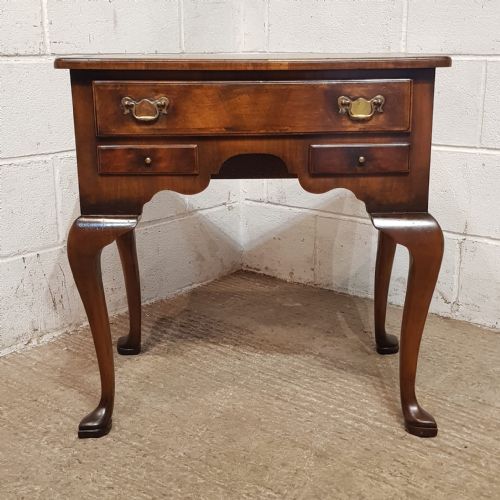
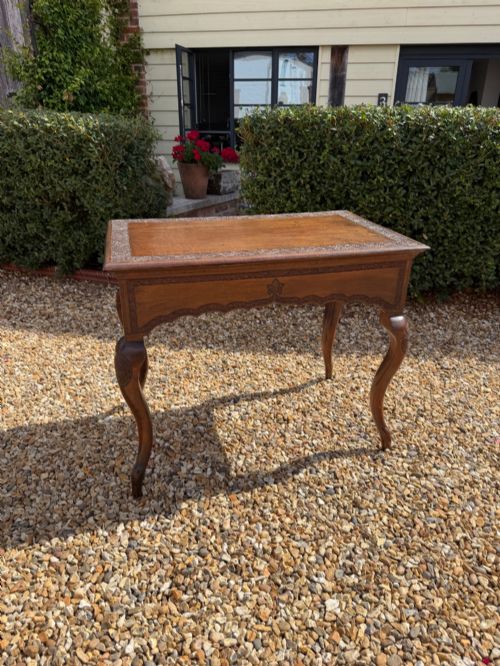
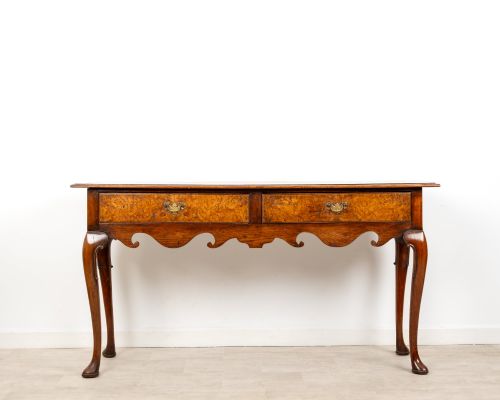
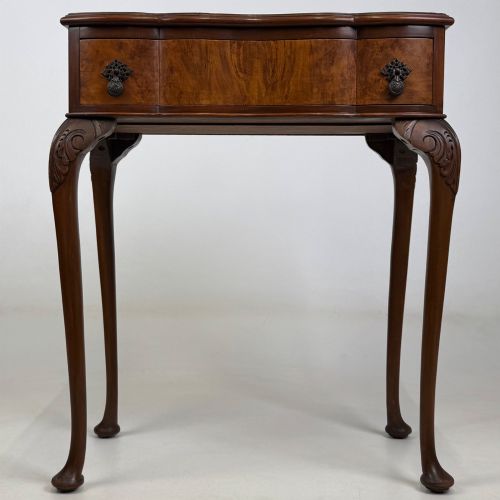
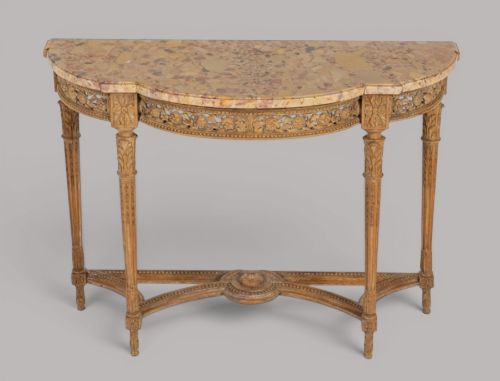
The most common iterations on this page date from the nineteen-twenties and nineteen-thirties, often channelling earlier Queen Anne style revivals with cabriole legs. Alongside these, eighteenth-century lowboys and nineteenth-century French and Italian examples surface, bringing varied proportions to the category.
Materials and construction
Joinery techniques range from eighteenth-century dovetailed drawer construction to twentieth-century frame building. Ebonised wood and mahogany also occur alongside walnut in mixed-material pieces.
Listings feature walnut, burr walnut veneer, brass, and marble across styles spanning Georgian, Art Deco, and Queen Anne revival periods.
Judging quality in walnut furniture
Quality rests primarily on the choice of timber and the dexterity of the veneer work, with figured and burr walnut commanding attention for its rich figuring. The crispness of carved details, such as cabriole legs or frieze moulding, separates standard production from finer workshop output.
Structural integrity and the preservation of original surfaces also dictate worth. Tables retaining their authentic colour and patination without heavy modern intervention stand apart from heavily refinished examples.
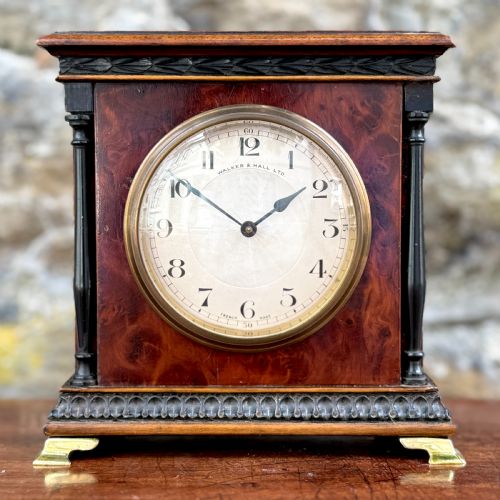
Walker and Hall·Hille·Maple and Co
The Vintage Walnut Hall Table Glossary
- Lowboy
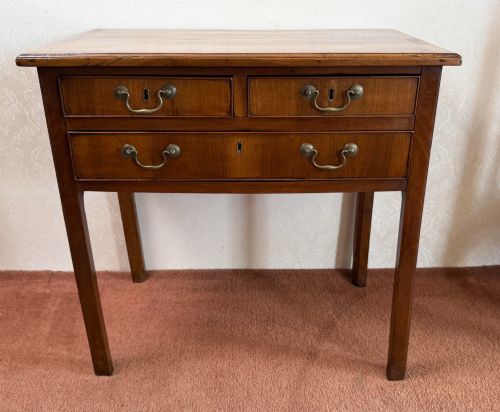
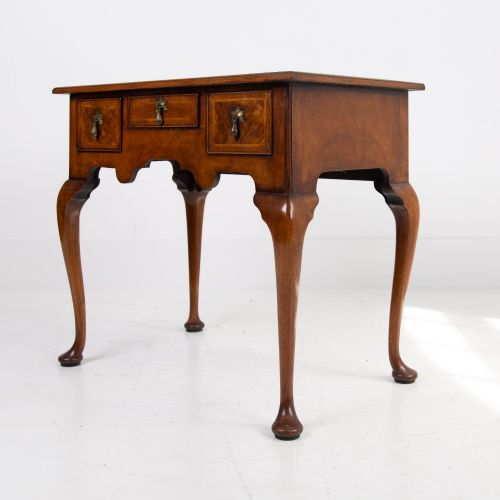
- A small oak, walnut or mahogany table with drawers, resembling a low dressing table or small desk. These typically date from the eighteenth or early twentieth century and serve well in compact entryways.
- Burr walnut
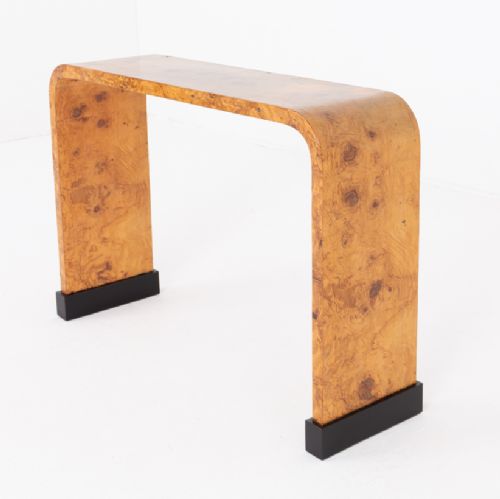
- A wood obtained from walnut tree growths, producing intricate, swirling grain patterns. Cabinet makers prized this veneer for tabletops.
- Console table
- A table fixed to a wall or designed to stand against one, often supported by legs at the front. They provide narrow surfaces suited to hallways.
- Cabriole leg
- A furniture leg that curves out and then in, resembling an animal's leg. This form appears frequently on Queen Anne style revival tables.
- Demi-lune
- A half-moon shape used for the tops and footprints of tables designed to sit flush against walls. These shapes save valuable floor space in narrow corridors.
Vintage Walnut Hall Table: Frequently Asked Questions
Where do I put a hall table?
These narrow tables suit entranceways, corridors, and landings where floor space is limited. Their shallow depth allows them to sit against walls without obstructing movement.
They function well beneath mirrors or beside doorways to hold everyday items like post and keys.
How do I care for walnut furniture?
Keep walnut furniture away from direct heat sources and strong sunlight to prevent the timber and veneer from drying out. Regular dusting with a soft cloth maintains the finish.
Apply occasional appropriate wax feeds if the surface begins to look dry, buffing gently to preserve the natural sheen.
What is a lowboy used for?
A lowboy is a small table featuring one or more rows of drawers beneath the work surface. Historically used for dressing or writing, they now serve as compact hall tables.
The drawers offer concealed storage for small household items while the top provides a display surface.