


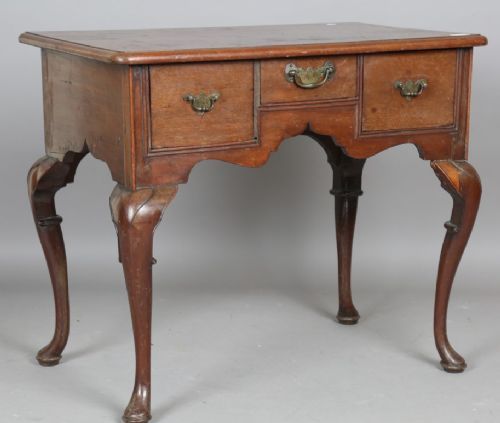

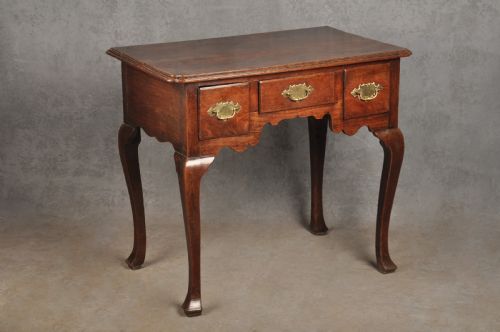

Period Walnut Side Table
A period walnut side table brings warmth and rich grain to a room, offering practical surface space alongside centuries of cabinet-making history.
Period Walnut Side Table
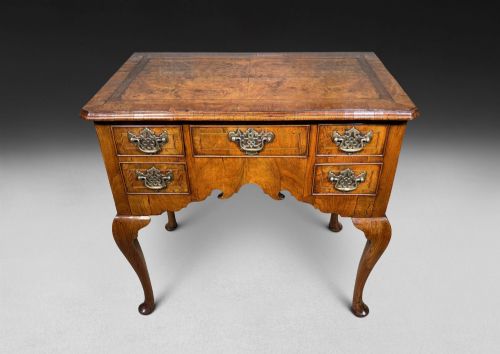
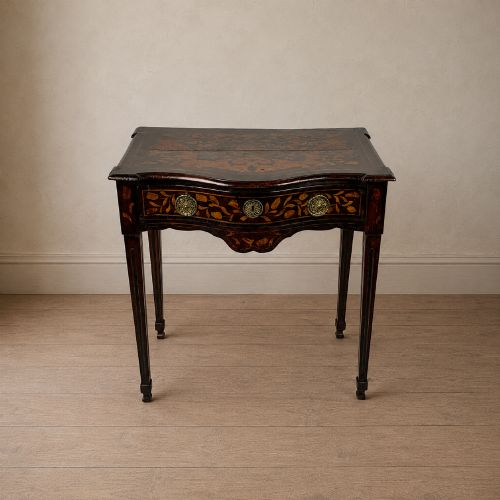
The lowboy is the most common format within this group, offering drawer storage and slender legs that suit hallways and living spaces alike. More unusual variants include serpentine fronts, marquetry decoration, and demi-lune shapes spanning multiple eras from William and Mary to the Edwardian period.
Materials and construction
Cabinet makers utilised solid walnut, burr walnut veneers, and red walnut, often pairing the timber with secondary woods like oak and fruitwood for internal framing. The application of highly figured burr veneers across drawer fronts and tops defined the aesthetic of high-status pieces.
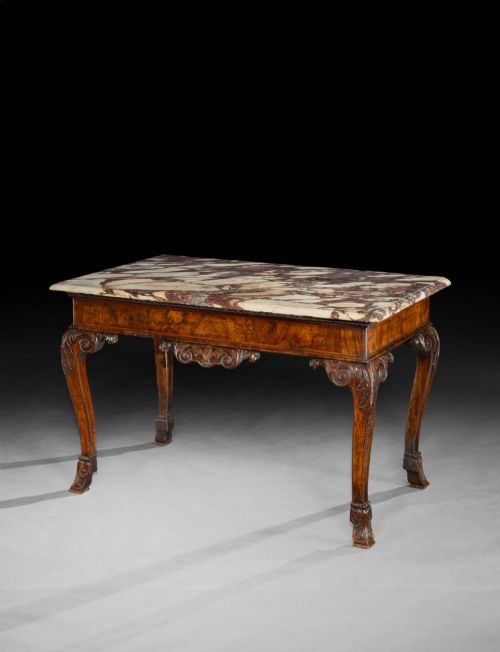
Brass hardware such as drop handles and escutcheons complemented the dark, lustrous grain of the wood. Marquetry inlay and carved details like cabriole legs further distinguished the workshops that produced these tables.
Listings feature walnut, burr walnut, red walnut, and fruitwood inlay across pieces spanning the seventeenth century to the twentieth century.
Factors that define quality
The visual appeal of a period walnut side table rests heavily on the depth and figuring of the walnut veneer or solid timber surfaces. Pieces that retain their original brassware, undisturbed patination, and uncompromised structural integrity command greater attention from collectors.
Refined proportions, such as well-executed cabriole legs and crisp carving on George II or Queen Anne examples, separate standard domestic furniture from exceptional cabinet work. The harmony between the primary walnut and secondary timbers reveals the care taken during original construction.
Ernest Gimson
The Period Walnut Side Table Glossary
- Lowboy
- A small table with one or more drawers, commonly used as a dressing or side table during the seventeenth and eighteenth centuries. They typically stand on four slender legs.
- Burr walnut
- A veneer sliced from the growth warts of a walnut tree, yielding a swirling, highly decorative grain pattern. It was widely used on high-end cabinet furniture.
- Gateleg table
- A table with hinged flaps supported by swing-out legs that resemble a swinging gate. This form allows the surface area to expand or contract.
- Marquetry
- The art of applying pieces of veneer to a structure to form decorative patterns and pictures. Dutch examples frequently display elaborate floral designs.
- Cabriole leg
- A furniture leg that curves out in an S-shape and tapers inward near the foot. It is characteristic of Queen Anne and Georgian design.
Period Walnut Side Table: Frequently Asked Questions
What is a lowboy?
A lowboy is a small, table-height chest of drawers supported by four legs, functioning historically as a dressing table or side table. They gained popularity in the late seventeenth and eighteenth centuries.
Most lowboys feature a finished top and one to three small drawers beneath the surface. Their compact proportions make them versatile pieces for modern interiors.
How do I identify walnut furniture?
Walnut is distinguished by its deep brown colour, often featuring darker grain streaks and a rich, warm patination that develops over centuries. It feels heavier and denser than many common secondary woods.
Burr walnut displays distinctive swirling knot patterns, while older pieces of plain walnut show a straight, tight grain. Over time, the wood lightens slightly and acquires a soft sheen.
Are these tables suitable for daily use?
These tables adapt well to daily life when treated with appropriate care for antique timber surfaces. Using coasters and placing them away from direct heat sources protects the fragile veneers.
Their historical construction handles standard items like lamps and books comfortably. Many people place them in hallways, bedrooms, or sitting rooms as functional display surfaces.
How do I distinguish eighteenth-century pieces from later revivals?
Eighteenth-century pieces display construction methods appropriate to their era, such as hand-cut dovetails and timber shrinkage consistent with age. Tool marks and the type of secondary wood used inside drawers offer reliable clues.
Later revival pieces from the Edwardian period or the twentieth century often utilise more uniform machine-cut elements and modern adhesives. Examining the undersides and drawer linings clarifies the period of manufacture.