


Antique Vanity with Mirror
An antique vanity with mirror brings a polished focal point to a bedroom, offering a functional surface and reflecting glass rooted in period craftsmanship.
Antique Vanity with Mirror
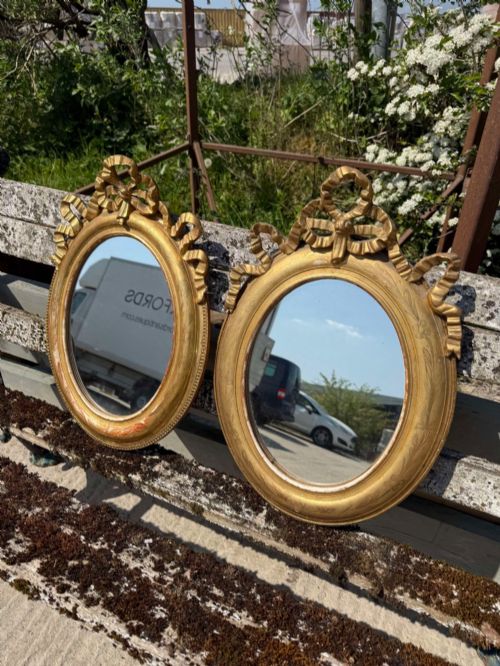
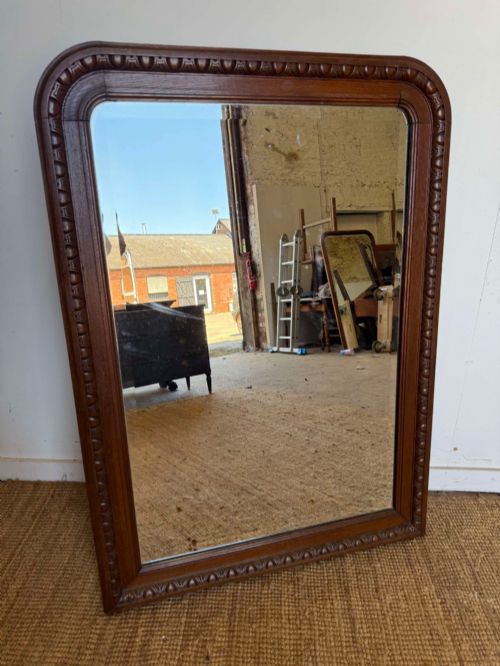
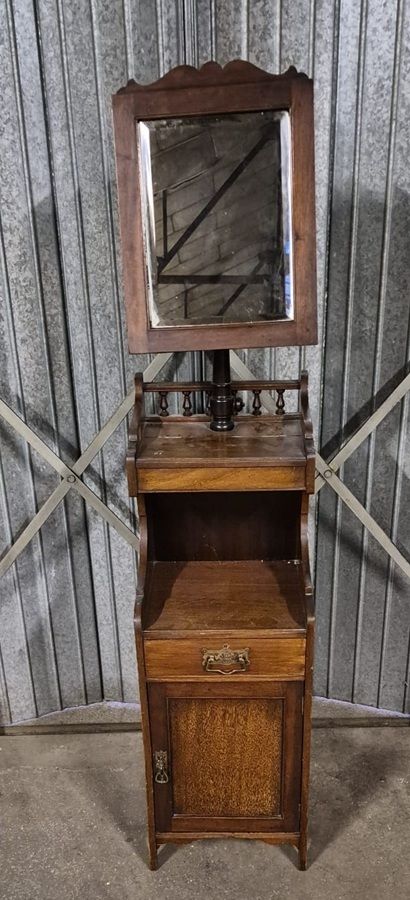
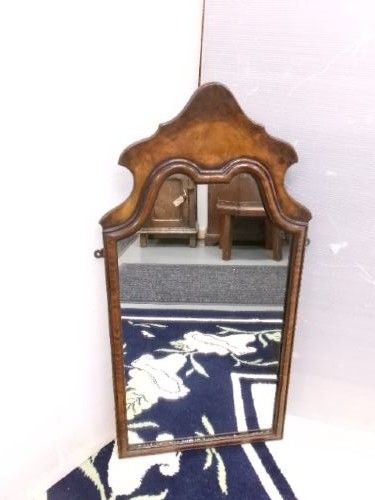
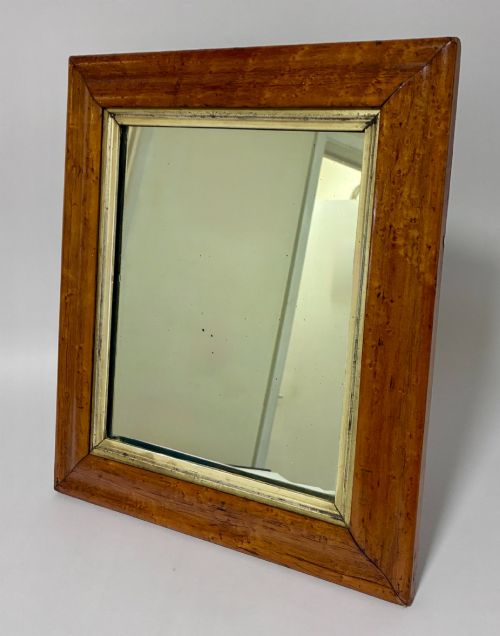
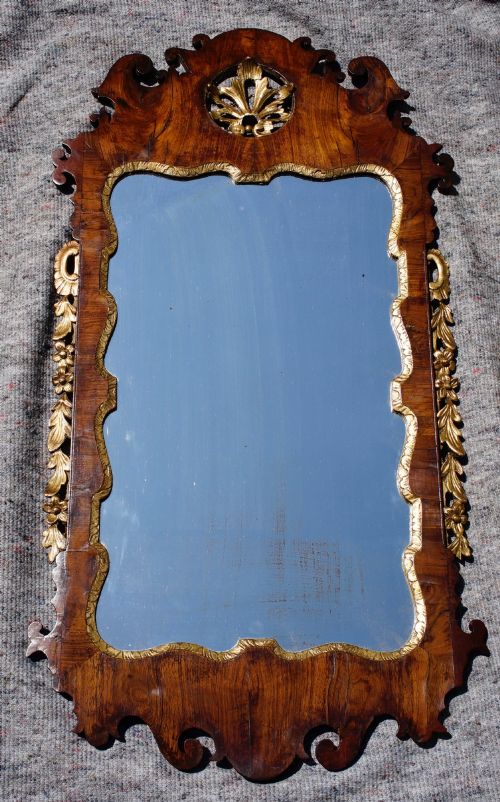
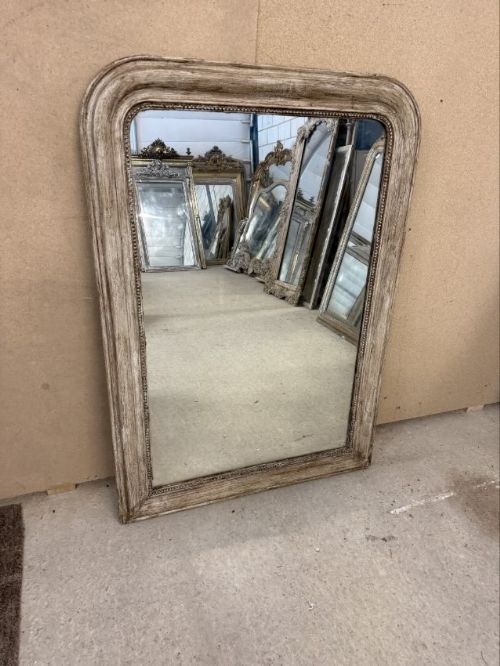
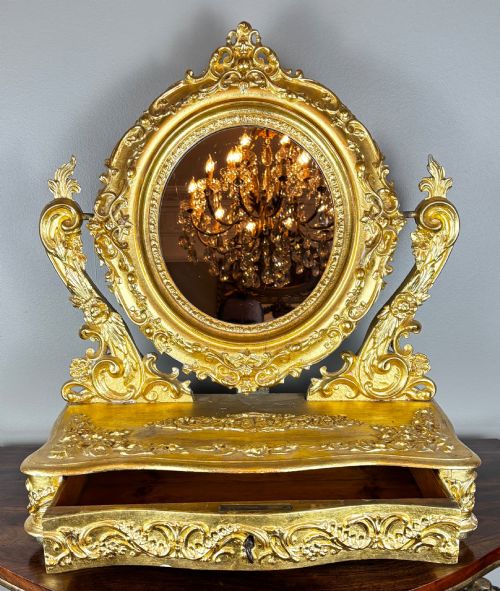
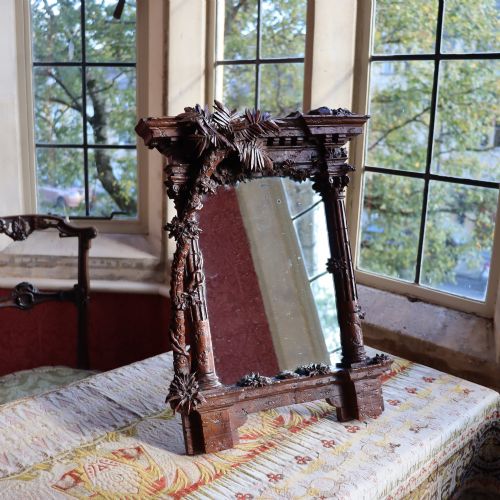
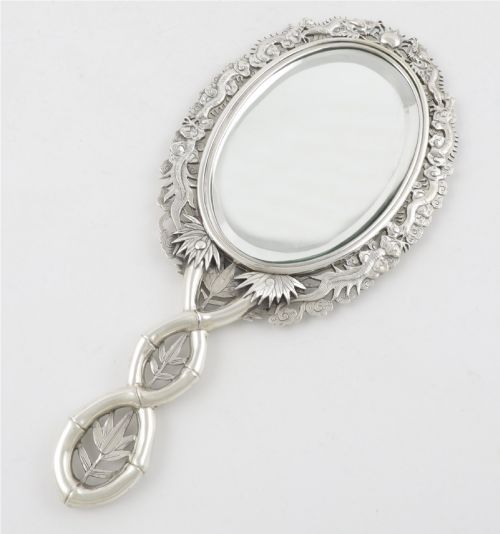
When searching for an antique vanity with mirror, buyers encounter a diverse selection ranging from compact tabletop toilet mirrors to large pedestal dressing tables with integrated glass plates. The pieces span several centuries of design, with Georgian, Victorian, and Edwardian examples appearing most frequently across the inventory.
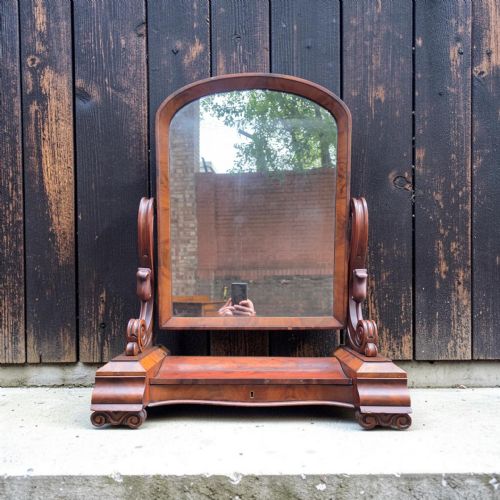
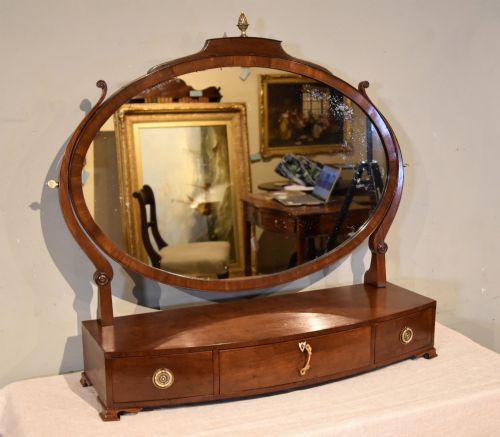
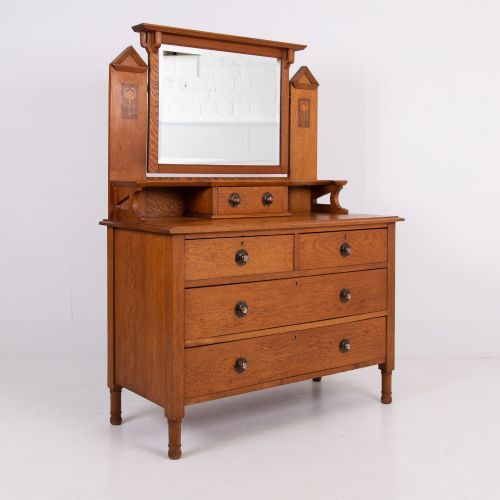
The assortment includes floor-standing dressing chests with triple mirrors, smaller swing mirrors fitted with box drawers, and larger Art Deco pedestal vanities in figured walnut and maple. Simpler forms sit on tables or chests, while substantial vanity units provide dedicated seating spaces and storage drawers for personal items.
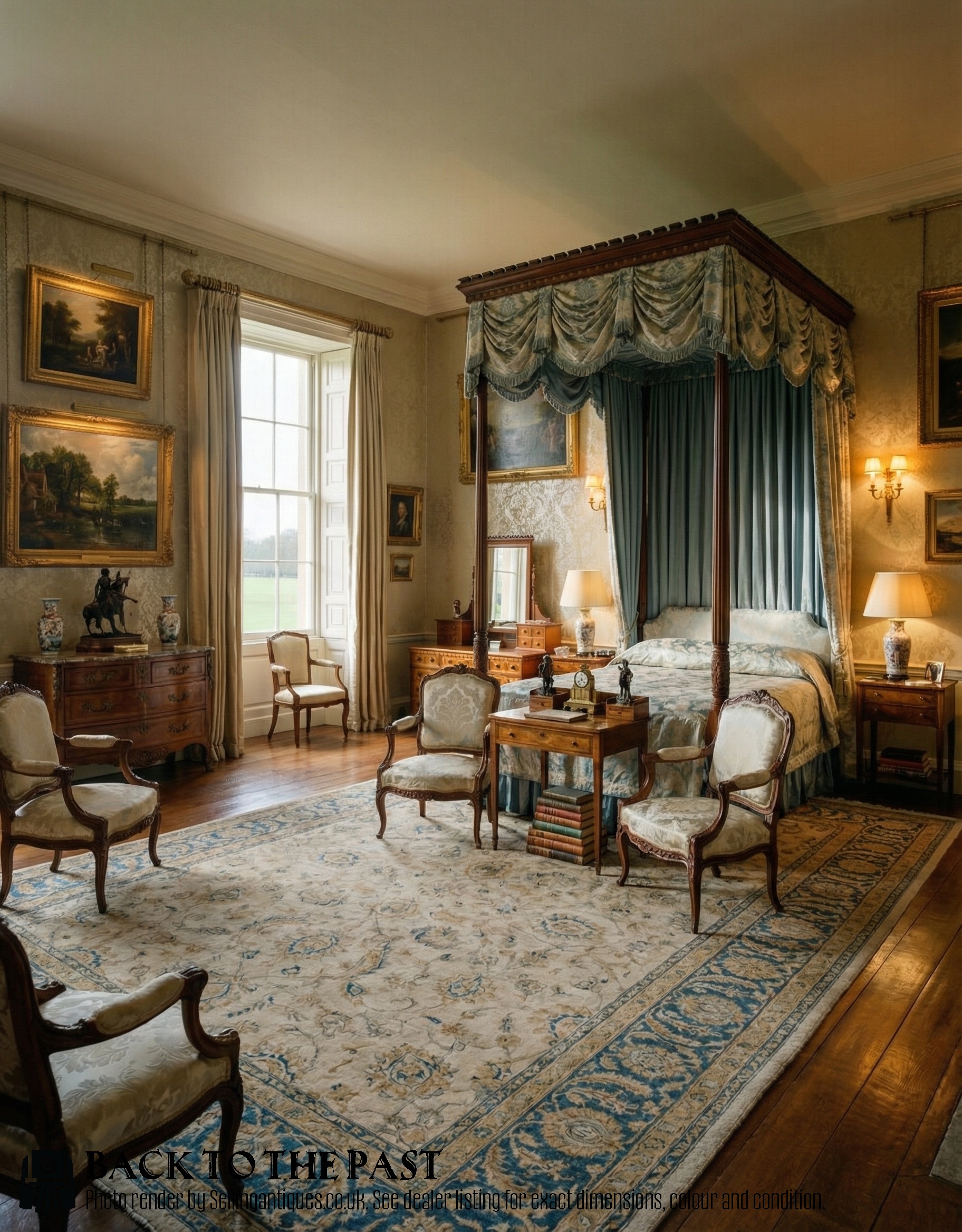
Materials and construction methods
Cabinetmakers utilised rich timber veneers such as mahogany, walnut, burr walnut, and satinwood over solid secondary woods, frequently applying fret-cut details and brass hardware. Glass plates were bevelled or cast, held securely within adjustable frames or supported by decorative brackets and candle sconces.
Construction techniques relied on traditional dovetail joints for drawer boxes and mortise and tenon frames for the main structures. Carved ornamentation, ormolu mounts, and inlaid banding appear on select pieces, reflecting the stylistic preferences of the Georgian, Regency, and Victorian eras.
Antique Vanity with Mirror Retail Price Guide 2026
Typical asking prices for vanity with mirror among the pieces listed under this phrase on Sellingantiques today, from the lower quarter to the upper quarter. They describe what is for sale here now, not the wider market.
The inventory records both standalone tabletop swing glasses and grand pedestal vanity tables equipped with triple mirrors.
Assessing quality and craftsmanship
Quality reveals itself in the choice of timber figure, the crispness of carved details like fret-cut frames or applied mouldings, and the original integrity of the mirror glass. Superior examples display balanced proportions, fine dovetailing on drawer construction, and matching grain patterns across the visible surfaces.
The survival of original hardware, brass swing pivots, and backboards distinguishes higher tier examples from later replacements. Pieces bearing maker stamps, paper labels, or documented provenance command additional interest from collectors seeking unaltered historical items.
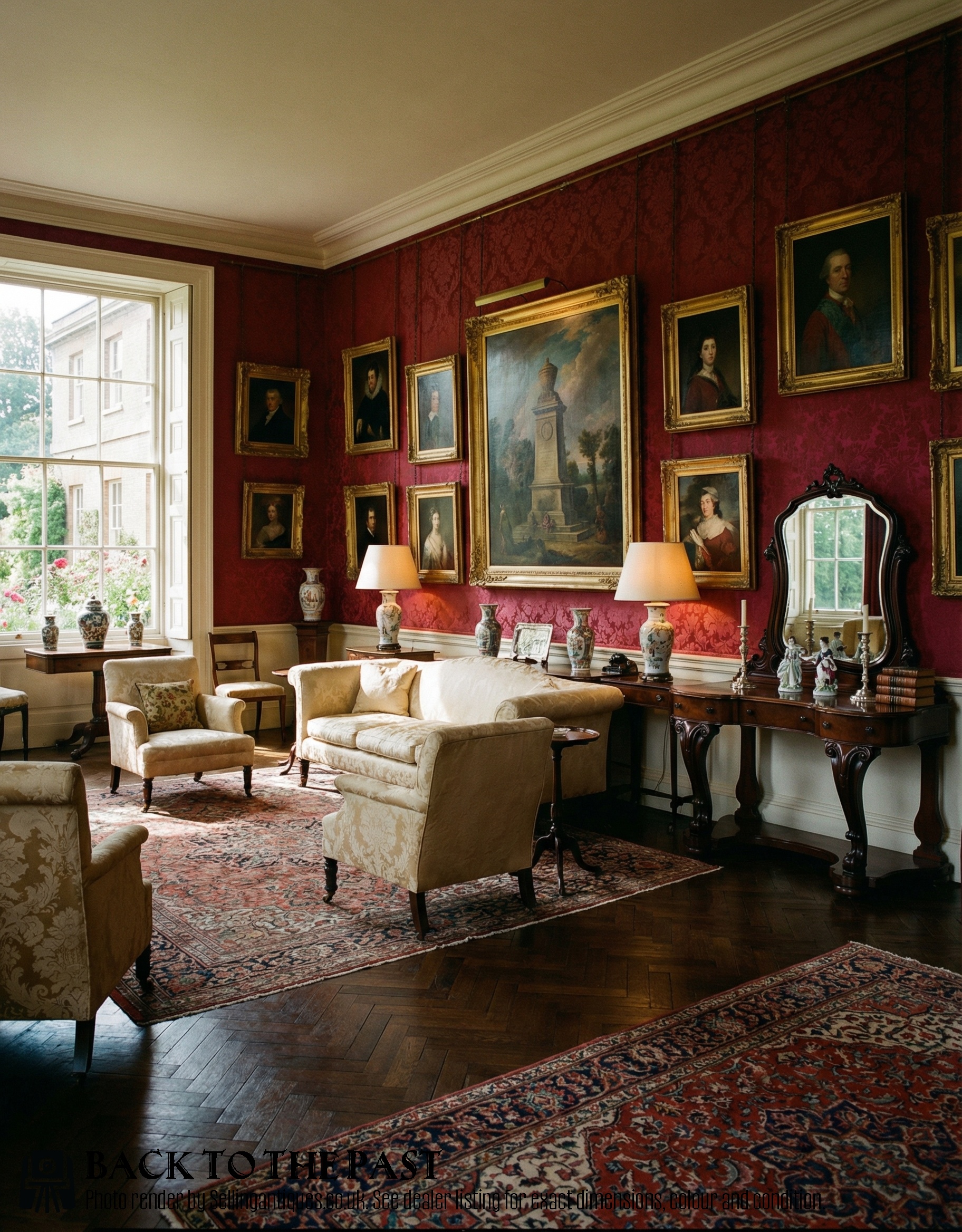
George Walton·Maple and Co·Heals
The Antique Vanity with Mirror Glossary
- Toilet mirror
- A smaller tabletop mirror designed to sit upon a chest of drawers or a dedicated dressing table. These typically feature a swinging glass plate mounted within upright arms above a small box base containing drawers.
- Swing mirror
- A glass plate hung on pivots between two vertical supports, allowing the user to tilt the angle of reflection. This mechanism appears on both freestanding dressing chests and smaller tabletop variations.
- Fret-cut
- A decorative technique involving intricate pierced patterns cut through thin wood using a fretsaw. This method creates lightweight crests and borders often seen on Georgian mirror frames.
- Pedestal dressing table
- A larger floor-standing vanity unit with banks of drawers flanking a central kneehole space, usually surmounted by a fixed or swinging mirror. They provide substantial storage alongside the surface area.
- Dovetail
- A traditional wood joint formed by interlocking wedge-shaped fingers, prized for its tensile strength in drawer construction. Fine, tight joints indicate careful cabinetmaking.
Antique Vanity with Mirror: Frequently Asked Questions
How do I date an antique vanity?
Dating relies on examining the timber species, construction methods, and hardware style. Earlier pieces from the eighteenth century often feature secondary pine or oak with hand-cut dovetails and thinner mirror glass.
Later Victorian and Edwardian examples introduce machine-sawn elements, heavier pedestal designs, and different veneering techniques that align with industrial manufacturing shifts.
Are toilet mirrors and dressing tables separate?
Toilet mirrors are smaller, portable units designed to rest on top of an existing chest or table rather than standing on the floor. They provide the reflecting surface without the attached legs or base cabinet.
Dressing tables and vanity units are larger, standalone pieces of furniture that incorporate the surface, storage drawers, and mirror into a single integrated form.
How should I care for old mirror glass?
Original mirror glass often exhibits foxing, dark spots, and minor silvering loss due to age, which constitutes part of its authentic character. Cleaning should be done gently using a soft cloth and mild solution without harsh ammonia.
Avoid pressing heavily on the glass during cleaning to protect the original backing and the fragile wooden frames holding the plate in place.
Where did people use travelling mirrors?
Travelling mirrors were compact, box-contained folding mirrors utilised by affluent individuals during transit for personal grooming and cosmetic application. Their enclosed designs protected the fragile glass while moving between residences.
These portable items often included small compartments or labelled interiors to secure grooming accessories during journeys across the Georgian and Victorian periods.