





Tortoiseshell Snuff Box
A tortoiseshell snuff box brings rich, mottled warmth to the pocket, combining organic shell with precious metals.

What a tortoiseshell snuff box is
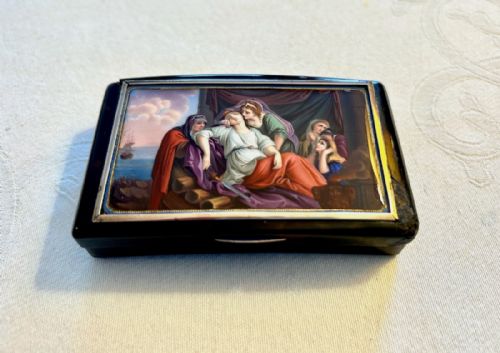
When you search for a tortoiseshell snuff box, you are looking at pocket and table containers fashioned primarily during the Georgian and Victorian eras. These pieces range from small pocket carriers to larger table boxes made to hold ground tobacco.
The version you are most likely to meet on this page combines natural tortoiseshell with precious metals or wooden treen bodies. Many examples hail from English, Scottish, French, Swiss, and Chinese origins, showing considerable variety in form.
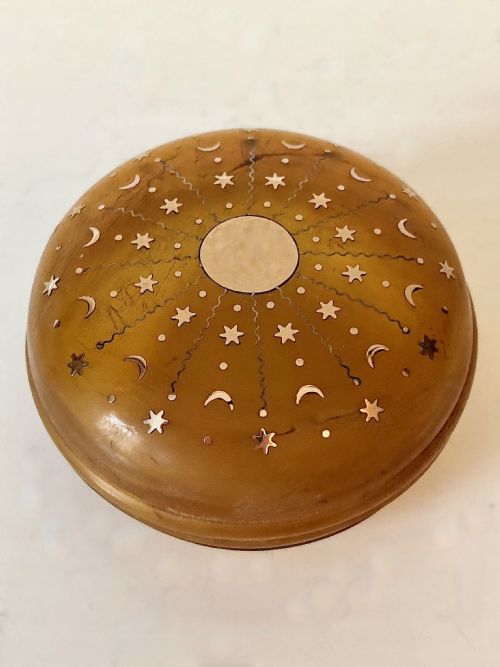
The materials span standard dark shell, blond tortoiseshell, amboyna wood, burr birch, burr walnut, mulberry, horn, and ivory. Metals such as gold, rose gold, silver, Old Sheffield Plate, and white metal mount or line the interiors.
How they were made
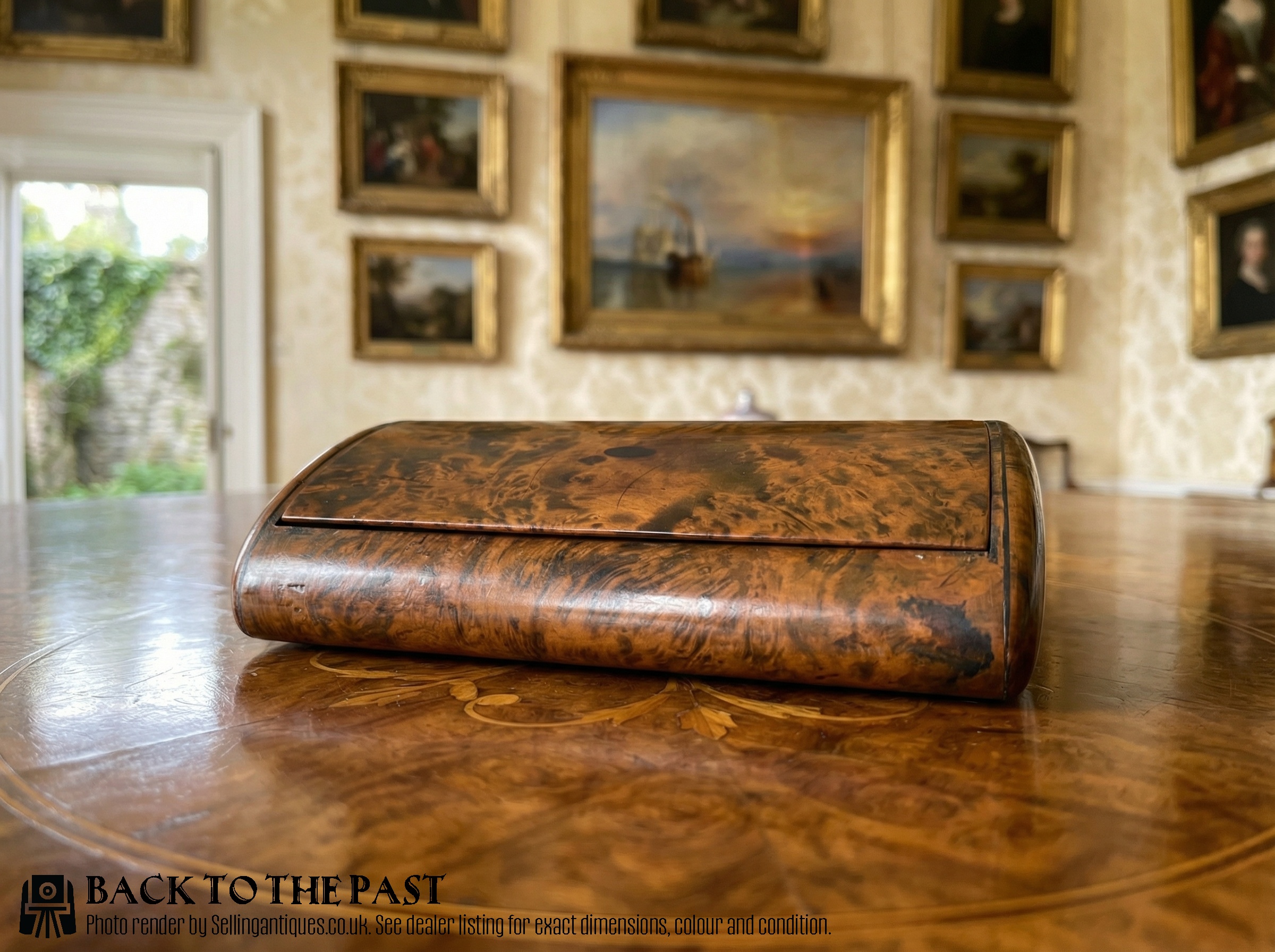
Makers constructed these boxes by shaping natural shell and combining it with wooden carcases or metal frames. Treen examples utilise amboyna, burr birch, and mulberry, whilst others rely entirely on shell supported by gold or silver mounts.
Decoration involved intricate techniques such as gold pique inlay, where tiny gold pins form patterns on the shell surface. Other pieces feature painted panels, pressed shell designs, or silver mountings secured along the rims and hinges.
Retail Price Guide 2026
Typical UK retail prices for tortoiseshell snuff box, calculated from the Sellingantiques database of over a million retail prices indexed since 2003. This retail price guide relies exclusively on Sellingantiques data; no external sources or auction records are used, so the figures do not describe the wider market.
Some nineteenth-century makers fashioned pocket boxes into leaf shapes, turning everyday snuff containers into clever botanical mimics.
What varies in quality
The distinction between standard pieces and the finest examples rests on the complexity of the materials and the precision of the metalwork. Pique work executed in gold requires immense skill, elevating boxes far beyond plain shell containers.
The Tortoiseshell Snuff Box Glossary
- Pique
- A decorative technique involving tiny pins or strips of gold or silver inlaid directly into tortoiseshell to create geometric or floral patterns. This method demands steady hands and precise heat manipulation.
- Treen
- Small wooden objects made by turning or woodworking, often incorporating other materials like tortoiseshell or horn. The term covers everything from table boxes to pocket carriers.
- Blond tortoiseshell
- A lighter, translucent variety of shell prized for its amber and golden tones. It often reveals underlying metallic foils or contrasting metal mounts.
- Old Sheffield Plate
- A composite material formed by fusing a thin sheet of silver to a thicker copper base. It appears on mounts and hinges of certain Georgian boxes.
- Pressed tortoiseshell
- Shell that has been heated and impressed with metal dies to create raised patterns or textured surfaces. This technique allowed makers to produce ornate decoration efficiently.
Frequently Asked Questions
How do I date a tortoiseshell snuff box?
Dating relies on stylistic clues, mounting metals, and construction methods. Georgian examples often feature delicate gold pique or silver mounts, whilst Victorian pieces display different hinge styles and proportions.
Examining the interior wood linings and the type of shell provides further context, linking pieces to specific eras recorded in the archive.
What is blond tortoiseshell?
Blond tortoiseshell is a lighter, translucent variety of shell displaying warm amber and yellow tones. It differs from darker, mottled shell by letting more light pass through the material.
This lighter variation frequently highlights the intricate gold pique work inlaid across the lid.
Were these boxes only used for tobacco?
Whilst primarily made to hold dry powdered tobacco for sniffing, many larger table boxes served multiple storage purposes. People also used them for small trinkets or keepsakes.
The smaller pocket versions remained dedicated companions for daily tobacco use.
How do I care for tortoiseshell?
Tortoiseshell requires gentle handling and protection from extreme temperature changes, direct sunlight, and moisture. Keeping boxes away from strong heat prevents the organic material from warping or cracking.
A soft, dry cloth is sufficient for cleaning dust from the polished surface.