




Gold Inlaid Box
These gold inlaid box pieces bring together tortoiseshell, silver, and bronze work from the Georgian period through to 1900.
Gold Inlaid Box
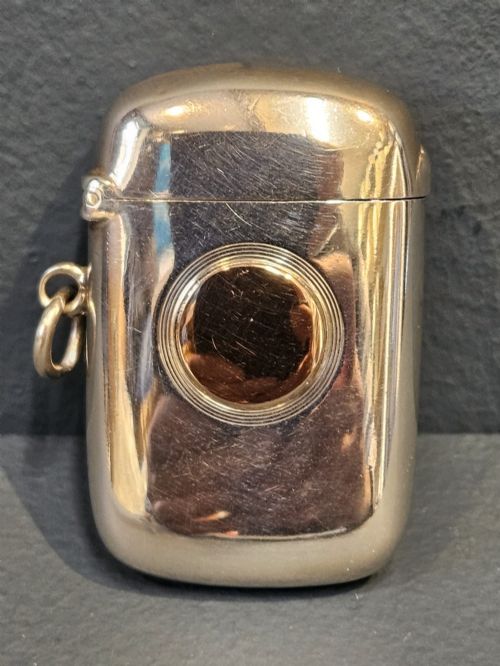
Origins stretch across European and Asian workshops, including Georgian England, 19th century Italy, and Meiji Japan. Buyers will find everything from small pill boxes to decorative boxes and sewing tables.
Materials and construction
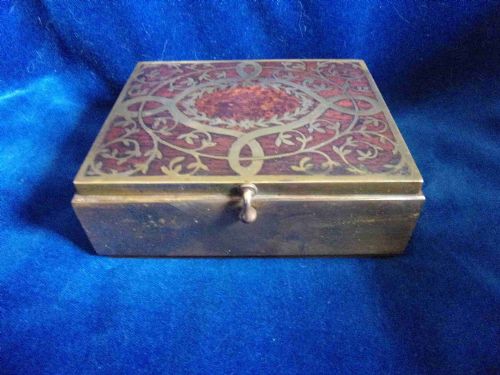
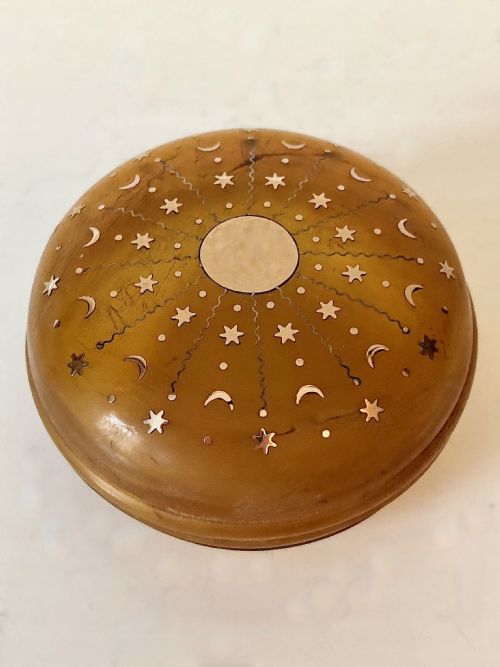
Maker techniques rely heavily on combining metals and organic materials like tortoiseshell, mother of pearl, and lacquer. Artisans set gold and silver inlay directly into these surfaces, utilising pique work and mixed-metal casting.
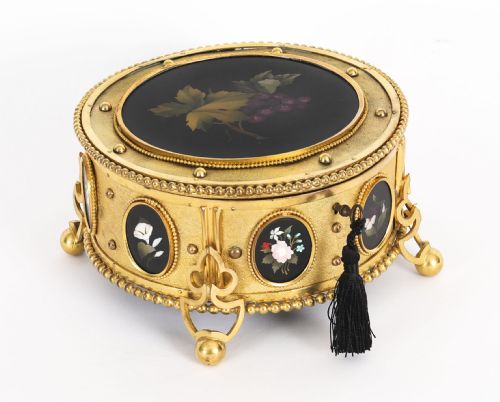
Foundations include brass, bronze, marble, and silver, which provide the structural rigidity for delicate surface ornament. Silk linings and pietra dura marble panels frequently finish the interior and lid assemblies of the finest caskets.
Listings feature materials including marble, silk, lacquer, mother of pearl, and tortoiseshell alongside various metals.
Factors of quality
Quality rests in the precision of the metal inlay and the refinement of the base material, whether that is finely figured tortoiseshell or heavy cast bronze. Finer examples display tight, secure placement of gold wire and sheet without gaps.
The sophistication of the surface decoration, such as intricate Japanese mixed-metal work or detailed Italian pietra dura, separates standard utility items from superior decorative objects.
Erhard and Sohne
The Gold Inlaid Box Glossary
- Pique
- A method of inlaying tiny pins or points of gold and silver into a non-metallic base such as tortoiseshell. This technique reached a high point in the Georgian era.
- Pietra dura
- An Italian technique of inlaying cut and fitted polished coloured stones to create pictures or geometric designs. It appears frequently on 19th-century marble caskets.
- Ormolu
- A term used to describe gilded bronze ornaments and mounts applied to decorative objects. It provides a bright golden contrast to darker woods and stones.
- Meiji Period
- A Japanese era lasting from 1868 to 1912 noted for exceptional bronze casting and mixed-metal work involving gold and silver. Pieces from this time often feature detailed natural motifs.
- Jugendstil
- The continental European manifestation of Art Nouveau popular around 1900. It is characterised by flowing, organic lines visible in works by makers like Erhard and Sohne.
Gold Inlaid Box: Frequently Asked Questions
What were gold inlaid boxes used for originally?
These boxes served practical and social functions in daily life, primarily holding snuff, tobacco, or small personal items like pins and pills.
Finer examples functioned as status objects or presentation pieces, kept on dressing tables or carried in pockets by the wealthy.
How do I date a tortoiseshell and gold box?
Dating relies on the style of the metal inlay, the shape of the box, and the construction methods used for the hinges and lining.
Georgian and late 18th century pieces typically feature delicate pique work, while Victorian examples often employ broader brass mounts and different locking mechanisms.
How should I care for an antique inlaid box?
Keep these pieces away from direct sunlight and excessive moisture to protect organic materials like tortoiseshell, silk, and lacquer.
Dust gently with a dry, soft cloth and avoid chemical polishes that can damage fine gold and silver wire inlay.
What is the difference between a snuff box and a trinket box?
Snuff boxes are generally smaller, pocket-sized containers with tightly fitted lids designed to keep powdered tobacco dry and secure.
Trinket boxes and jewellery caskets are larger, heavier pieces intended for stationary display on a table or dressing surface.