

Antique Treen Box
An antique treen box holds small personal items and everyday provisions, shaped by hand from dense timbers during the eighteenth and nineteenth centuries.
Antique Treen Box
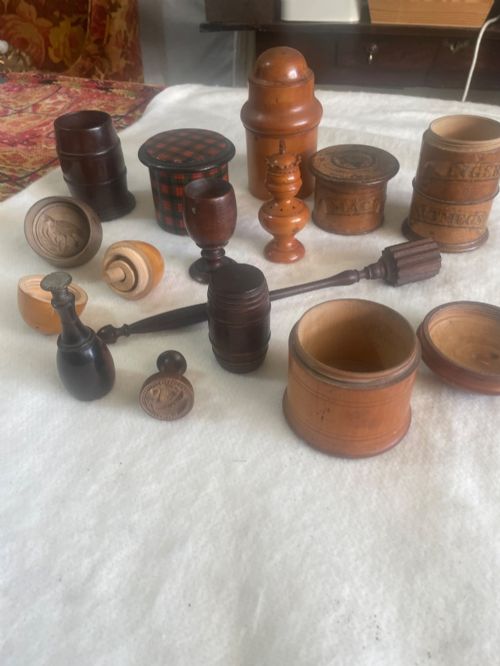
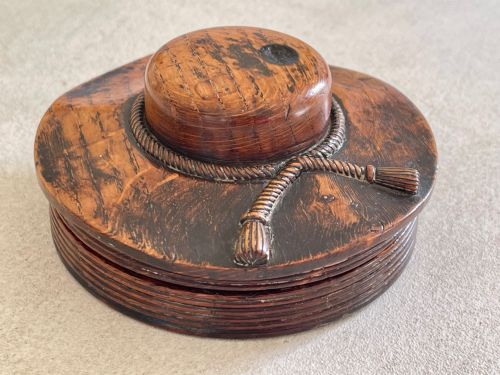
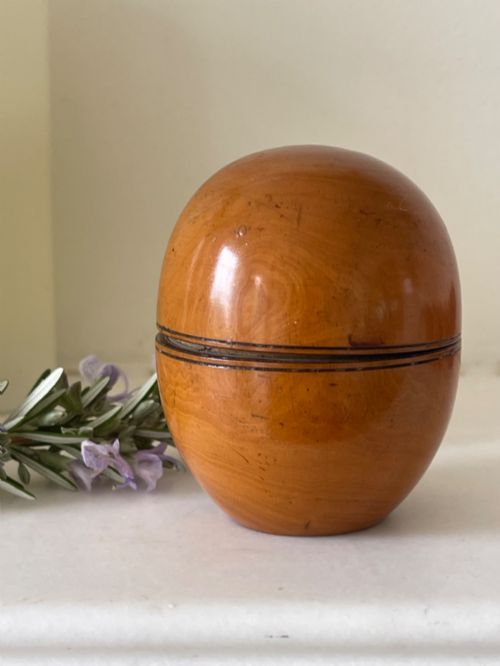
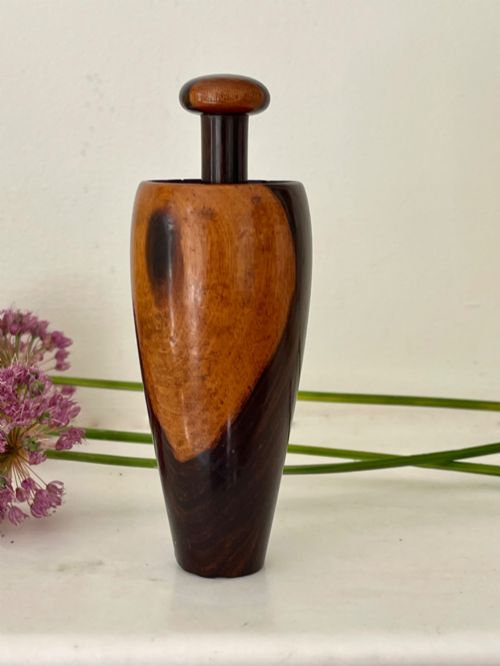
An antique treen box encompasses small turned or carved wooden vessels designed for practical daily use, predominantly dating from the Georgian, Victorian, and eighteenth-century periods. The selection focuses heavily on pocket-sized receptacles intended for snuff, spices, and tobacco, alongside desk accessories and domestic containers.
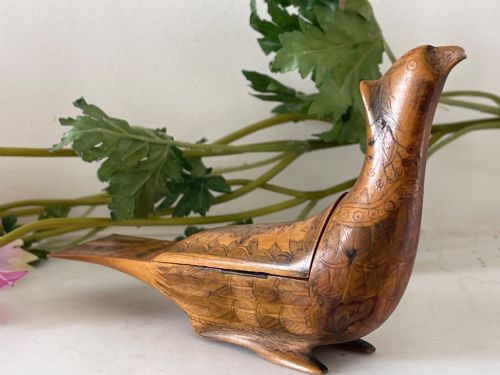
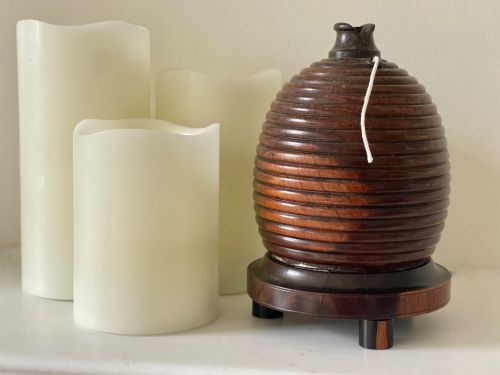
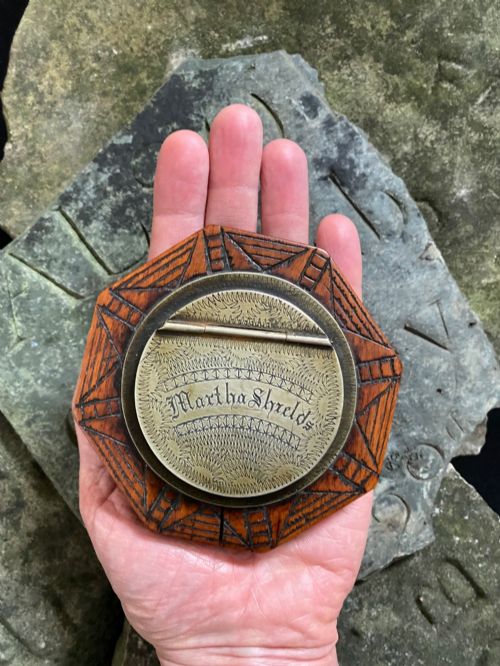
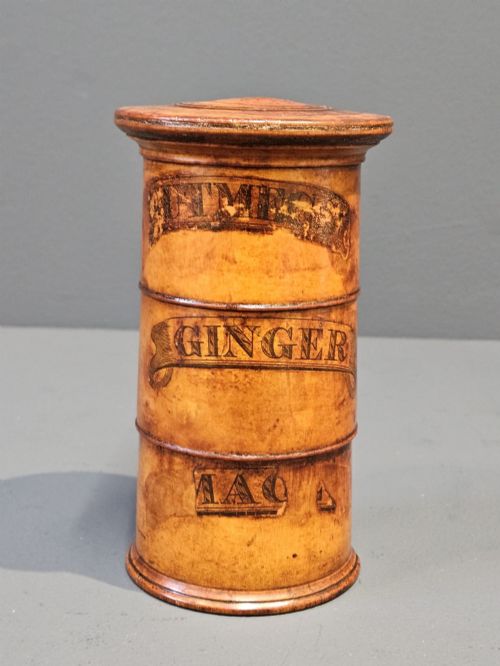
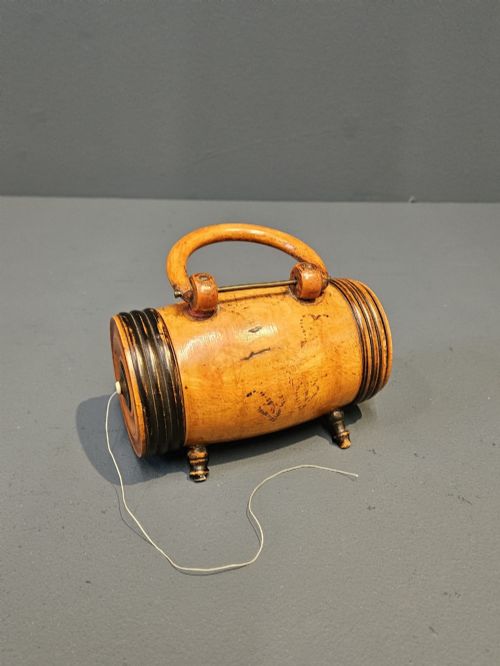
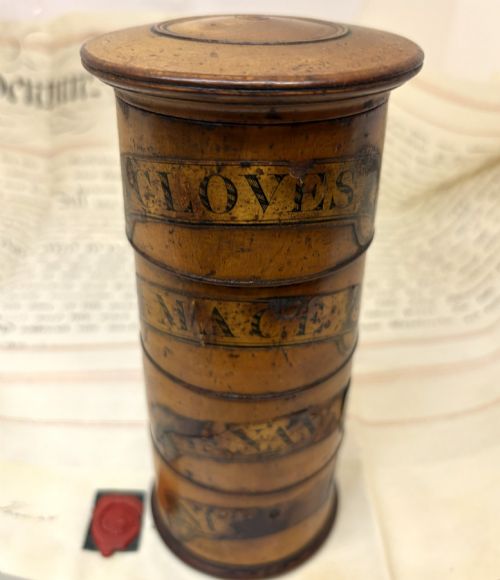
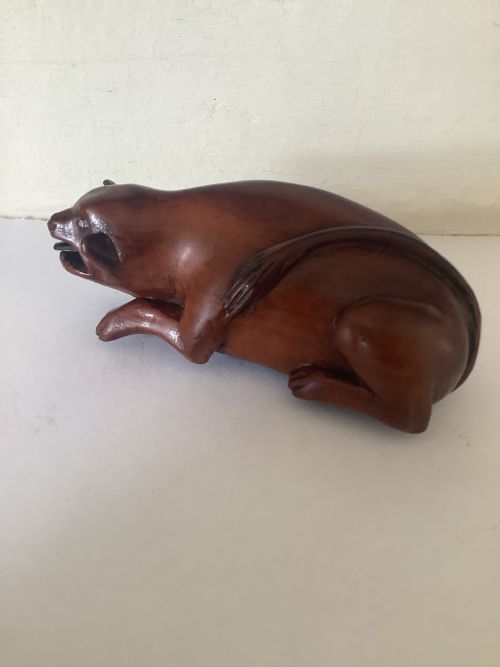
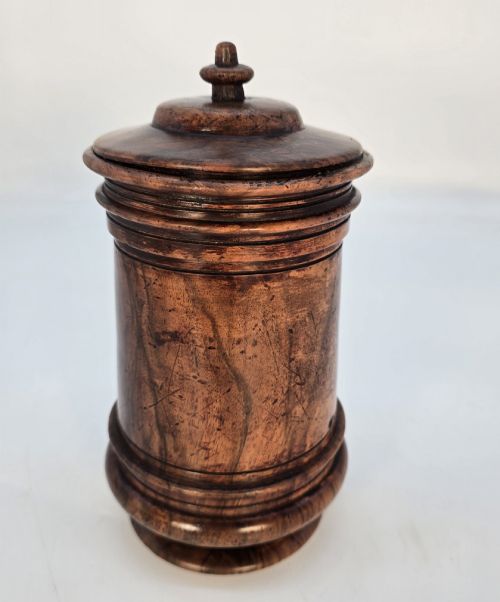
The surviving forms include specialised spice towers, nutmeg graters, string barrels, candle boxes, and miniature figural carvings shaped like shoes, animals, and books. Fruitwood, boxwood, and oak appear frequently among the pieces, shaped through lathe-turning or hand-carving by vernacular makers and folk artists.
Collectors encounter utilitarian objects transformed by decorative detail, such as bone inlay, chip carving, or engine turning. These wooden pieces served specific household and personal functions before transitioning into decorative items appreciated for their material honesty and tactile form.
How they were made
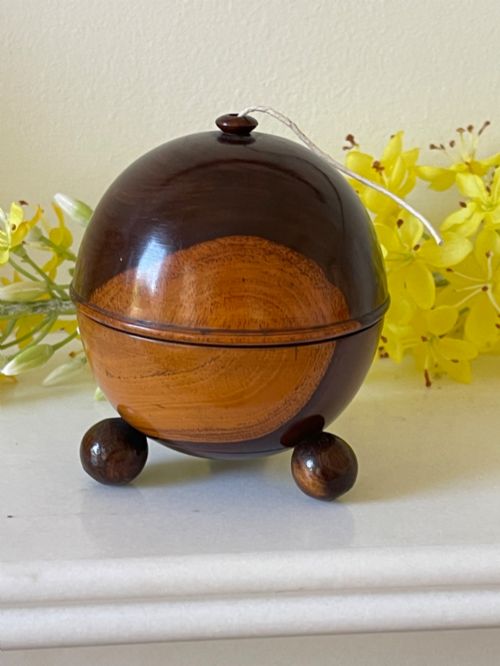
Maker's workshops utilised dense, close-grained hardwoods such as boxwood, fruitwood, laburnum, and lignum vitae, which accepted fine lathe-turning and sharp chisel work without splitting. Timbers were selected for natural figure, including burr walnut, burr ash, and yew, exposing rich grain patterns across curved surfaces.
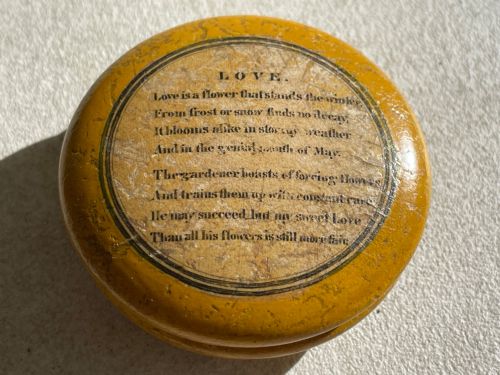
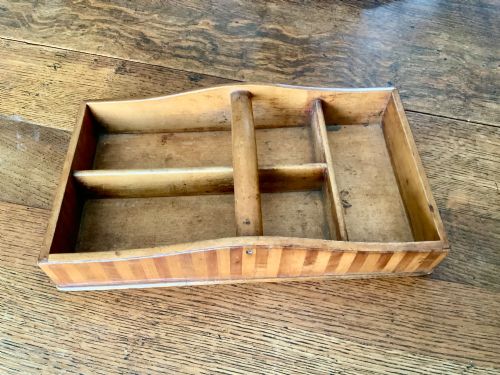
Construction methods combined precision joinery with lathe-turning and hand-carving, often integrating contrasting materials like bone, tortoiseshell, brass piquet, and silver coin inserts. Surface decoration relied on chip carving, penwork, painted motifs, and engine turning to enrich the plain timber bodies.
Antique Treen Box Retail Price Guide 2026
Typical asking prices for treen box among the pieces listed under this phrase on Sellingantiques today, from the lower quarter to the upper quarter. They describe what is for sale here now, not the wider market.
Listings feature items from the eighteenth, nineteenth, and early twentieth centuries, including Georgian and Victorian periods, constructed from fruitwood, boxwood, oak, and hardwood.
What varies in quality
The merit of a piece rests upon the crispness of the carving, the selection of timber with distinctive natural grain or burr, and the precision of the turning. Pieces shaped into complex figural forms or architectural models require high technical skill to maintain proportion and functional integrity.
Integration of secondary materials such as bone inlay or tortoiseshell panels distinguishes standard utilitarian items from exceptional examples. Condition, patination accumulated through handling, and the retention of original internal fittings or threaded lids further define the relative standing of individual items.
The Antique Treen Box Glossary
- Treen
- Small handmade wooden objects for domestic or personal use. The term derives from the old English word for tree.
- Engine turning
- Geometric ornamentation cut into wood or metal using a lathe with specialised mechanical attachments. This technique produces precise repeating patterns across surfaces.
- Coquilla nut
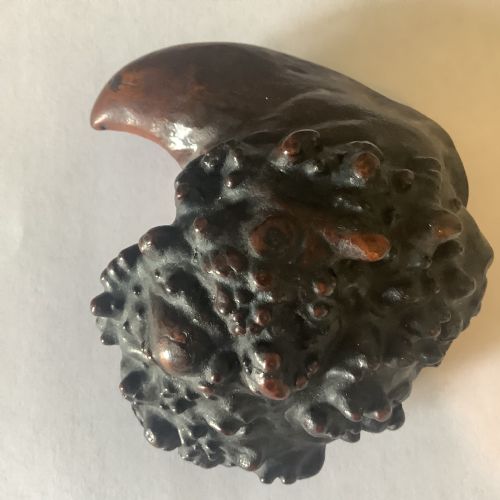
- The hard, mottled seed of a South American palm tree used widely for small turned containers. It takes a high polish and resembles dark tortoiseshell or horn.
- Spice tower
- A multi-tiered wooden vessel designed to hold various culinary spices in separate stacked compartments. These containers typically screw together tightly.
- Piquet
- A decorative technique employing tiny brass pins or wire inlaid into a hard surface to form geometric designs. It appears frequently on nineteenth-century boxes.
Antique Treen Box: Frequently Asked Questions
What were antique treen boxes used for?
These wooden vessels served practical daily functions in homes and pockets, primarily holding dry goods like snuff, tobacco, spices, and pills. Other forms functioned as string holders, candle storage, and money boxes.
Their everyday utility meant they were handled constantly, resulting in the warm patination found on surviving examples today.
How can I tell the period of a wooden box?
Dating relies on combining the object type, timber species, fastening methods, and decorative styles typical of specific eras. Georgian examples often feature simpler turned profiles or boxwood construction, while Victorian pieces introduce complex figural carving and varied specimen woods.
Examining tool marks and wear patterns also helps establish the age of the timber.
How do I care for antique treen?
Preserving these wooden items requires stable environmental conditions away from direct sunlight, extreme heat sources, and rapid humidity changes. Dry air can cause old timbers to shrink and split.
Occasional light application of appropriate wax helps maintain the surface sheen without damaging the historic patination.
What is folk art treen?
Folk art treen comprises items carved or decorated by non-professional makers, often displaying naive charm and regional character. These pieces include figural boxes shaped as animals, birds, and shoes, alongside chip-carved designs.
Their appeal lies in the individual expression of the maker rather than strict adherence to classical furniture styles.