
Solid Silver Tea Caddy
A solid silver tea caddy brings substantial weight and refined metalwork to the table, preserving dry leaf through periods of Georgian elegance and Edwardian craft.

Solid Silver Tea Caddy
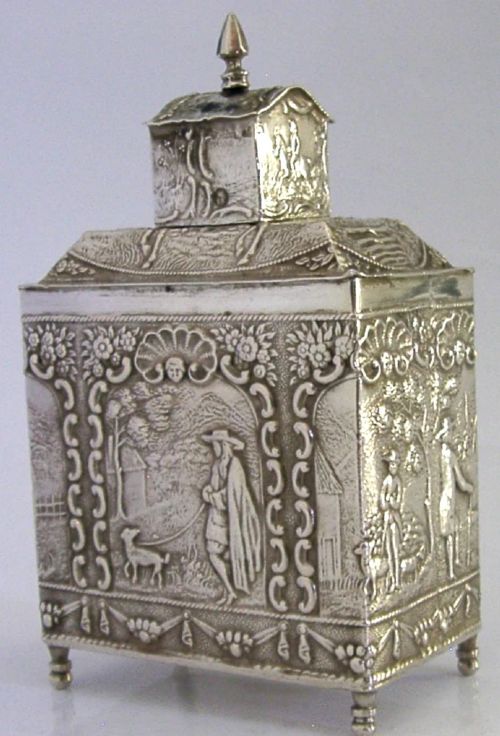
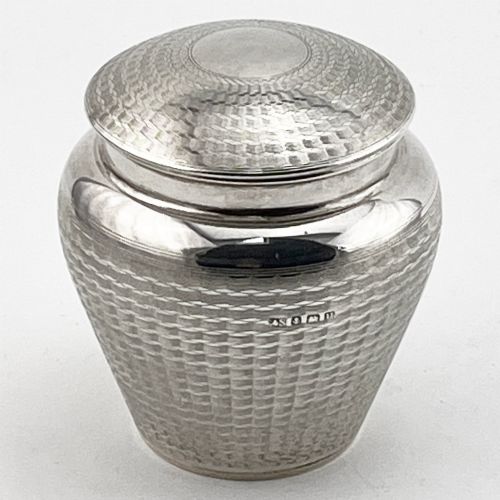
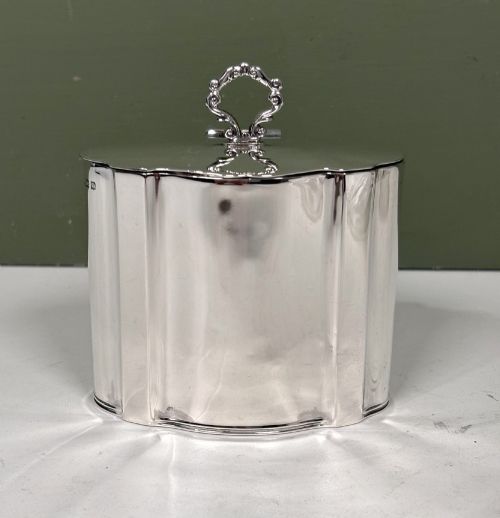
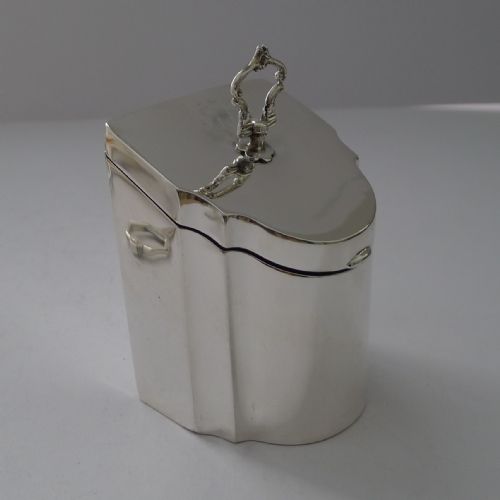
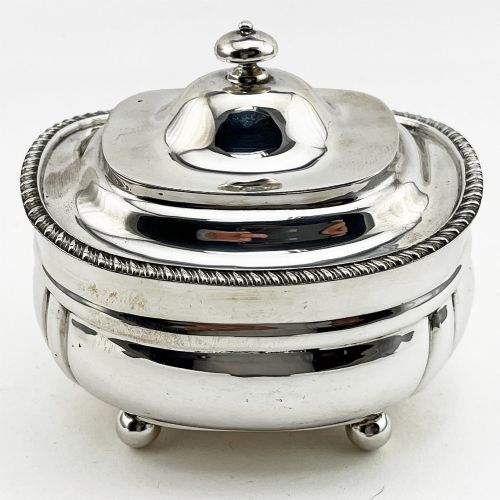
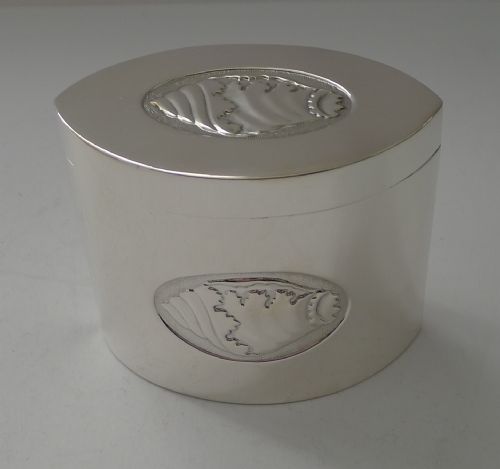
A solid silver tea caddy is a small, heavy container designed to store precious loose tea leaves safely away from light and air. These vessels appear frequently in Georgian, Victorian, and Edwardian styles, spanning canister shapes, knife box forms, and novelty sledge silhouettes.
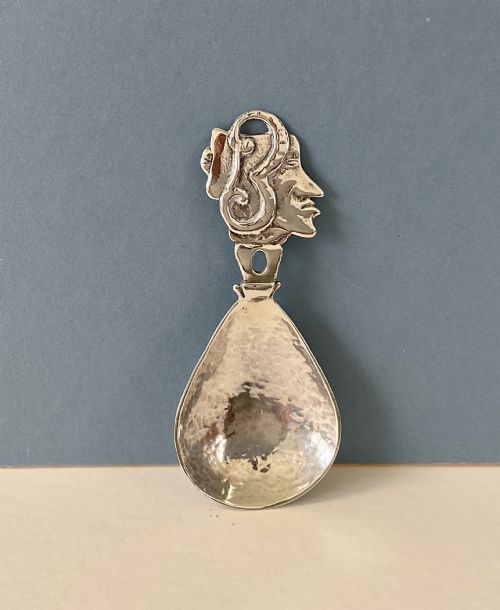
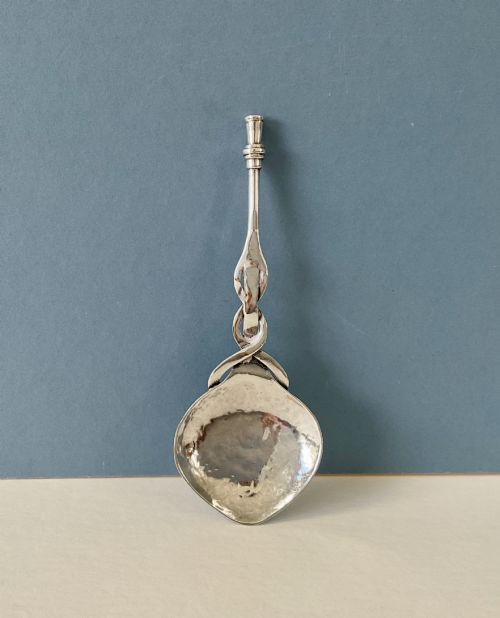
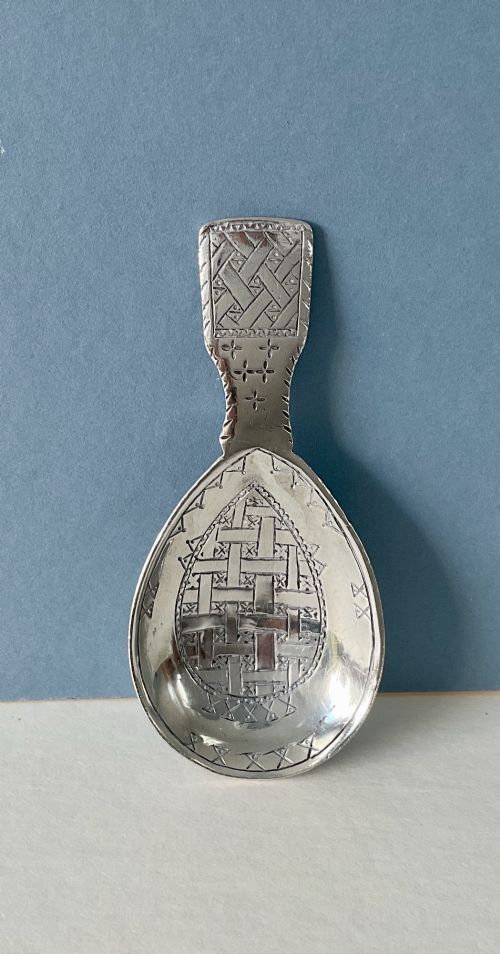
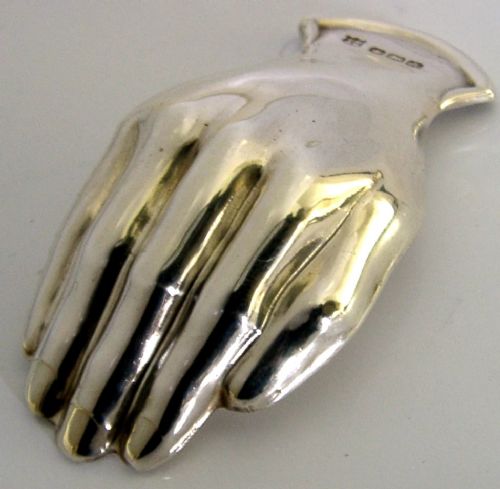
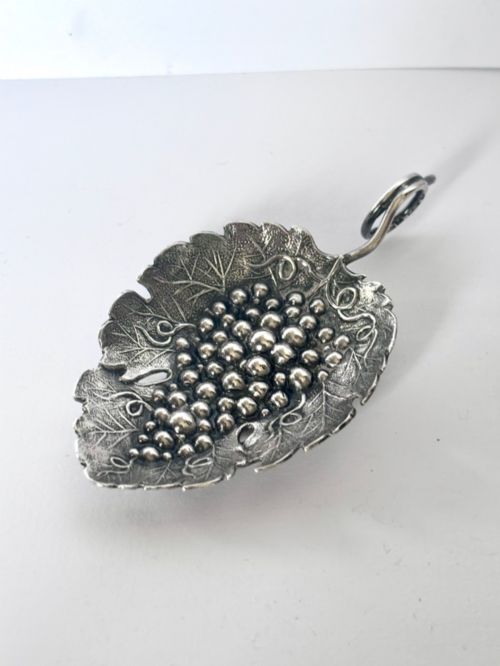
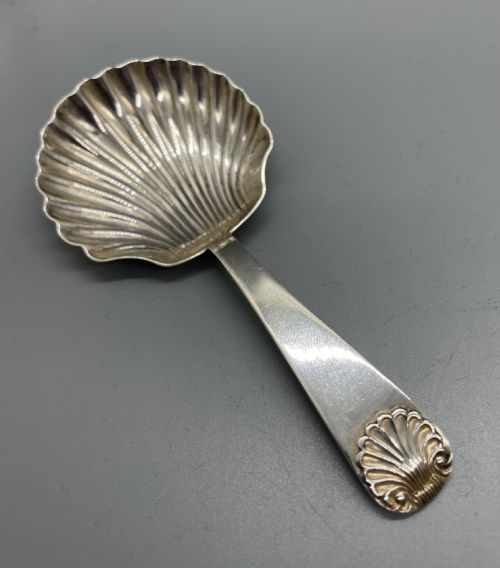
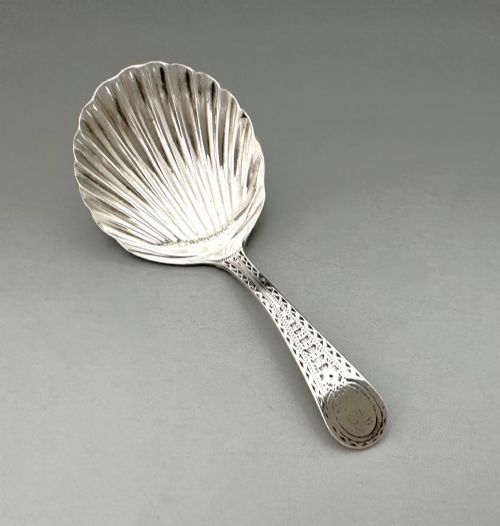
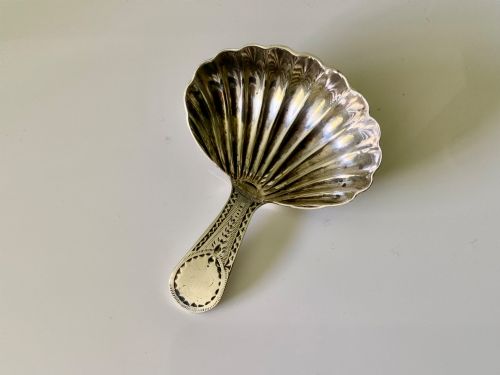
Makers across England, continental Europe, and beyond produced these containers in sterling silver and silver-gilt, often pairing them with matching caddy spoons. Surviving examples range from plain geometric boxes to heavily embossed Dutch rococo revival pieces and Asian export designs.
How They Were Made
Silversmiths constructed these caddies using solid sterling silver or regional silver standards, shaping the metal through hammer work, casting, and repoussé embossing. Many pieces incorporate internal lids or sliding bottom openings to keep the contents secure.
Some domestic and international workshops added interior linings or structural elements using ebonised wood or ebony, while others integrated silver-gilt washes inside the canister to prevent tarnishing from the tea leaves.
Solid Silver Tea Caddy Retail Price Guide 2026
Typical asking prices for solid silver tea caddy among the pieces listed under this phrase on Sellingantiques today, from the lower quarter to the upper quarter. They describe what is for sale here now, not the wider market.
Materials recorded on this page include sterling silver, silver-gilt, ebonised wood, and ebony.
What Varies in Quality
Quality rests significantly on the physical weight of the silver and the thickness of the gauge used to form the body and lid. Heavier boxes maintain their structural rigidity and crispness of chased ornament much better over generations.
The precision of the lid fit and the depth of the hand-chased or engraved details separate standard production from superior output. Maker marks, clear town assay stamps, and well-executed hinged or sliding mechanisms elevate individual pieces.
Joseph Willmore·Zimmermann·A. E. Jones·Carrington·Adolf Mayer
The Solid Silver Tea Caddy Glossary
- Sterling Silver
- A standard alloy consisting of 925 parts of silver per 1,000 parts of other metals, usually copper. This composition provides the durable metallic foundation for most British caddies.
- Caddy Spoon
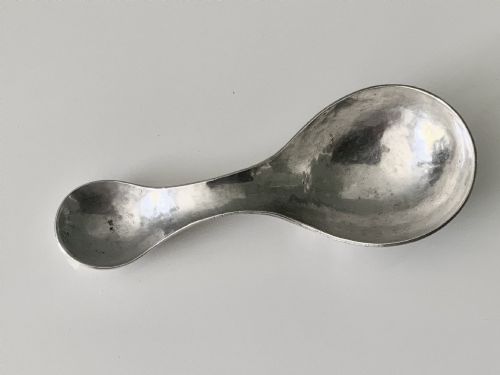
- A short-handled spoon specifically proportioned to measure loose tea leaves from the caddy into a pot. These spoons often match the decorative style of the storage vessel.
- Repoussé
- A metalworking technique where the silversmith hammers the metal from the reverse side to create a raised design in relief on the front. It defines the ornate surfaces of many continental European pieces.
- Silver-Gilt
- Silver that has been coated with a thin layer of gold on its surface. This treatment protects the interior metal from acidic corrosion caused by stored tea leaves.
- Assay Office
- An official body responsible for testing the purity of precious metals and stamping items with hallmarks. Marks from London, Birmingham, Chester, and Sheffield date these containers accurately.
Solid Silver Tea Caddy: Frequently Asked Questions
How were tea caddies used historically?
Tea was an expensive commodity in the eighteenth and nineteenth centuries, requiring locked containers to protect the dry leaves from household theft. The mistress of the house kept the key, measuring out daily portions for the servants to brew.
Once emptied, the caddy served as a decorative centrepiece on the dining table or sideboard, reflecting the social status of the household through its reflective silver surfaces.
What is the difference between a tea caddy and a sugar box?
Tea caddies and sugar boxes share similar lidded box forms, but they served different roles in the tea ritual. Caddies often featured narrow necks or internal compartments, while sugar boxes held lump or refined sugar.
Many antique sets paired the two items together inside a larger wooden outer case, though surviving silver examples frequently stand independently as single canisters.
How do I date an antique silver caddy?
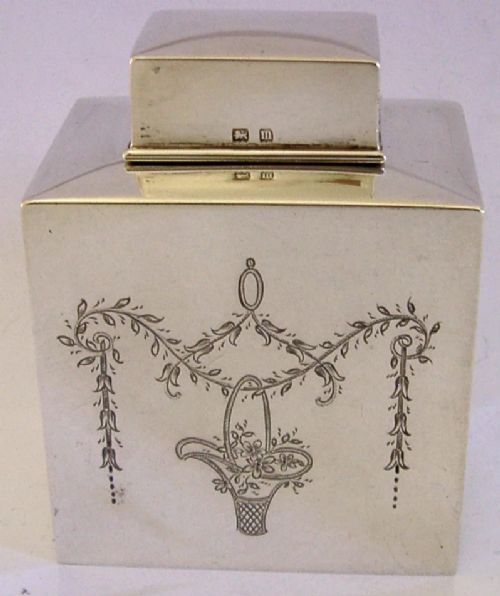
Dating relies heavily on the stamped hallmarks found on the body or lid, which indicate the assay office, the standard mark, and a specific date letter. Stylistic clues also help, such as clean neoclassical lines in Georgian pieces or foliate motifs in Edwardian examples.
Matching the maker's mark against historical records confirms the exact decade and workshop origin of the piece.
Can I still use a silver tea caddy for storage?
Solid silver makes an excellent storage medium for dry goods because the metal is non-porous and protects contents from light. However, modern users often keep them for display or dry leaf storage with an internal foil barrier.
Careful cleaning with appropriate silver polish preserves the exterior chased details without wearing down the historic hallmarks.