

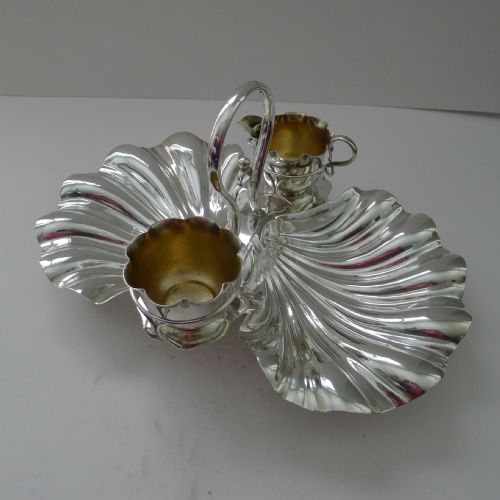


Late Victorian Silver Caddy
A late victorian silver caddy sits on the drawing table as a solid, gleaming container meant for preserving precious loose tea leaves.
Late Victorian Silver Caddy
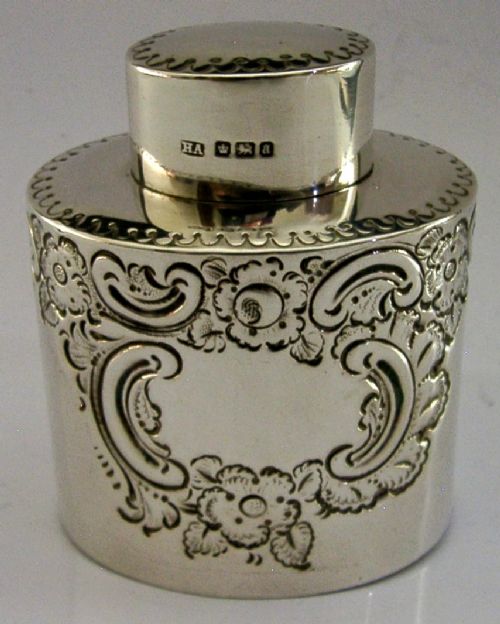
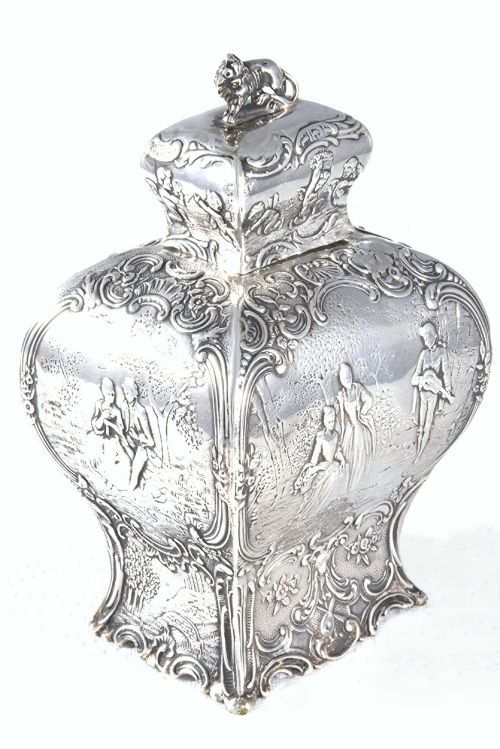
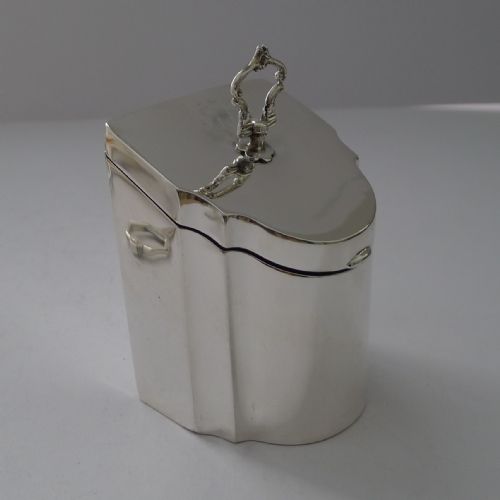
A late victorian silver caddy represents a period when tea drinking remained a formal social ritual requiring secure and handsome storage vessels. Buyers searching for a late victorian silver caddy encounter containers shaped as oblong boxes, knife box forms, bombe profiles and oval bodies.
The materials span sterling silver and silver plate, often paired with oak bodies or interior gold wash layers. Many surviving examples emerge from the late nineteenth century, dated across the eighteen-eighties and nineties up to nineteen hundred.
Materials and Construction
Makers utilised sterling silver and electroplated nickel silver over base metals, frequently combining metal mounts with wooden oak structures. Interiors often received a gold wash lining to protect the silver surface from the corrosive oils of stored tea leaves.
Surface decoration relied upon engraving and embossing to create scrolling patterns, scalloped bodies and figural motifs such as squirrels or butterflies. Construction techniques included hinged lids, ball feet and secure locking mechanisms built into the metal or wood frame.
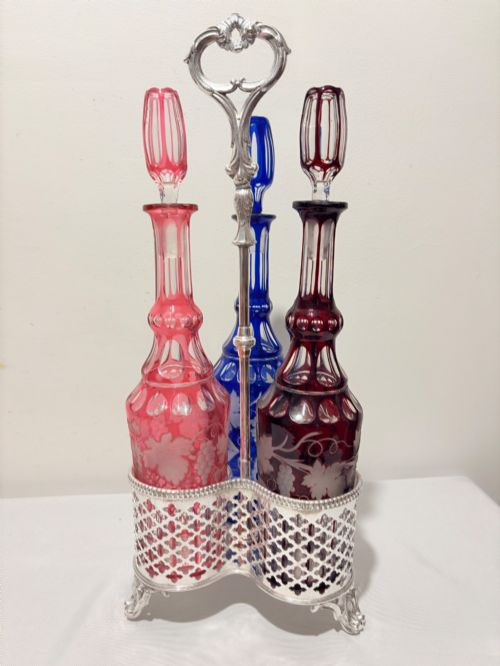
The listings span sterling silver, silver plate, oak, cut glass and coloured glass across the Victorian era.
Distinctions in Quality
Quality rests upon the weight of the metal and the crispness of the hand engraving rather than mere surface shine. Thicker gauge silver and solid oak carcasses maintain their structural integrity better over decades of use.
Consider the precision of the hinge work and the alignment of the lid closure. Superior examples exhibit deliberate detailing on feet, handles and interior gilt layers without crude solder marks.
Daniel Arter·William Hutton·John Aldwinkle And Thomas Slater·William Briggs Of Sheffield·John Grinsell
The Late Victorian Silver Caddy Glossary
- Sterling silver
- A standard alloy consisting of ninety-two point five percent silver by mass, with the remainder composed of copper or other metals. This alloy provides the durability required for functional domestic items.
- Silver plate
- A layer of pure silver bonded to a base metal core such as copper or nickel silver. It offered an accessible alternative to solid silver for larger household containers.
- Gold wash
- A thin layer of gold applied to the interior surface of a silver vessel using electrochemical methods or mercury gilding. This technique prevented the acidic compounds in tea from tarnishing the silver underneath.
- Bombe
- A swollen or convex curving shape characteristic of continental and late nineteenth-century decorative containers. This contour added visual volume and caught ambient light across the polished panels.
- Knife box form
- A tapered sloping architectural profile modelled after eighteenth-century cutlery urns and receptacles. It provides a distinctive silhouette among standard rectangular caddies.
Late Victorian Silver Caddy: Frequently Asked Questions
How do I clean a silver tea caddy?
Use a soft cloth and a specialised silver polish designed to remove tarnish without abrading the engraved details.
Avoid harsh chemical dips that strip away the original dark oxidation within recessed patterns and damage gold wash interiors.
Were these caddies used only for tea?
While primarily manufactured to keep dry tea leaves fresh and aromatic, many boxes served multiple domestic functions. Interiors sometimes accommodated sugar, small trinkets or playing cards depending on the household need.
How can I tell sterling from silver plate?
Inspect the metal surfaces for official hallmarks indicating city assay offices, date letters and standard sterling symbols like the lion passant. Absence of these stamps usually points towards silver plate over a nickel or copper base.
Why do some caddies have wooden bodies?
Oak frames provided a sturdy structural foundation that allowed makers to mount decorative silver panels and heavy hardware securely. These wood and metal hybrids offered extra insulation and weight for everyday table use.