

Engraved Silver Tobacco Box
An engraved silver tobacco box brings miniature artistry to the pocket, offering heavy sterling weight and intricate surface decoration.
Engraved Silver Tobacco Box
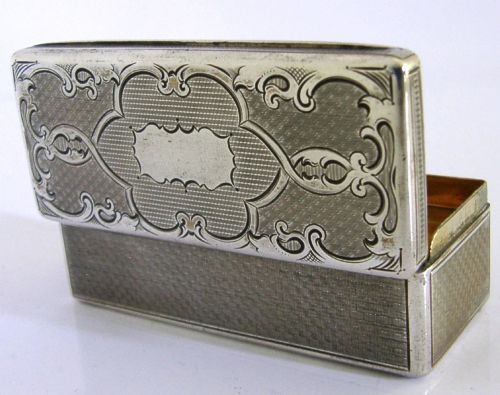
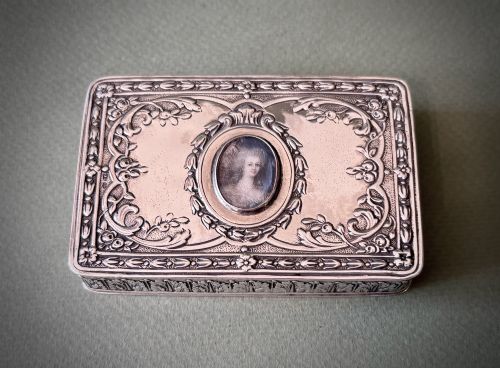
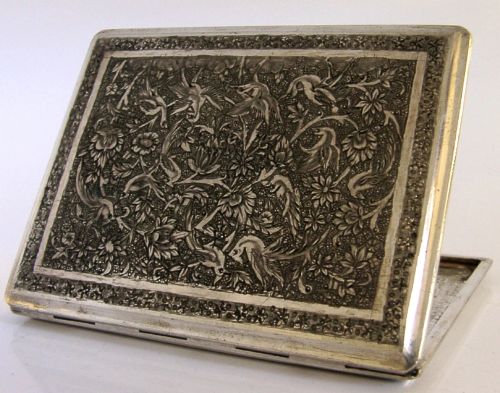
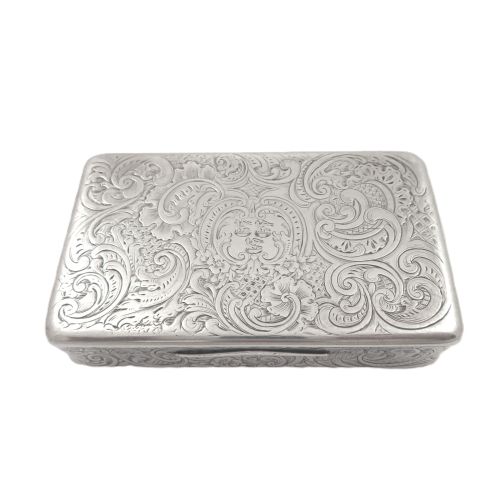
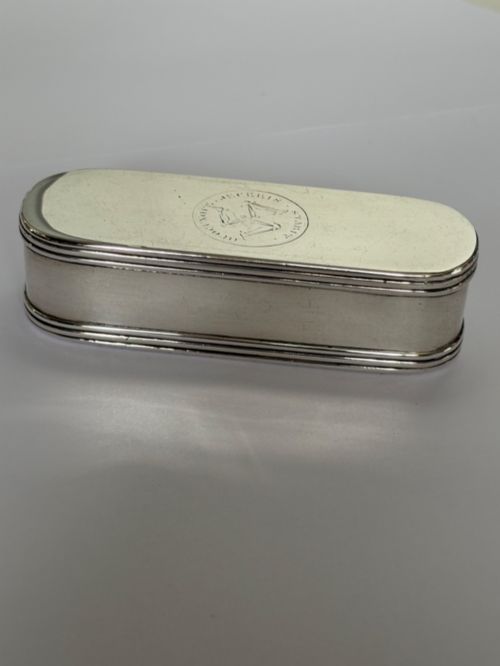
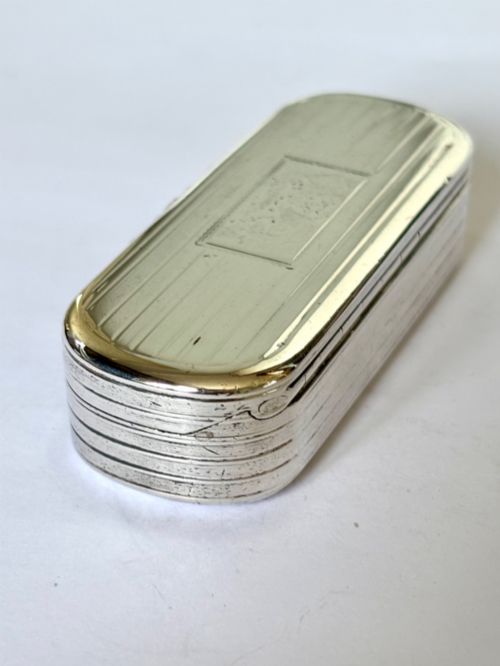
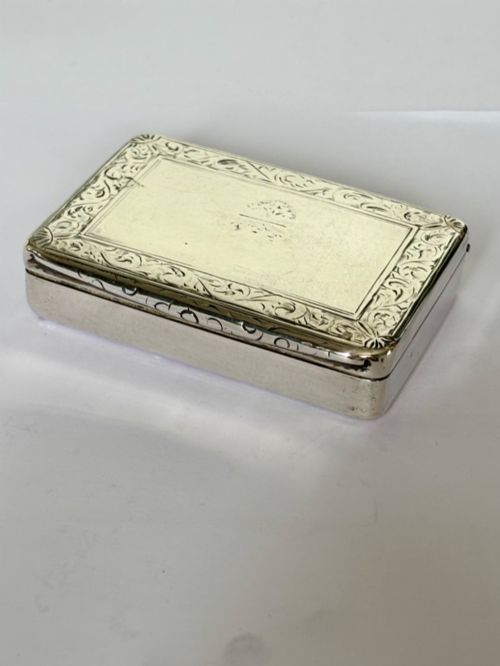
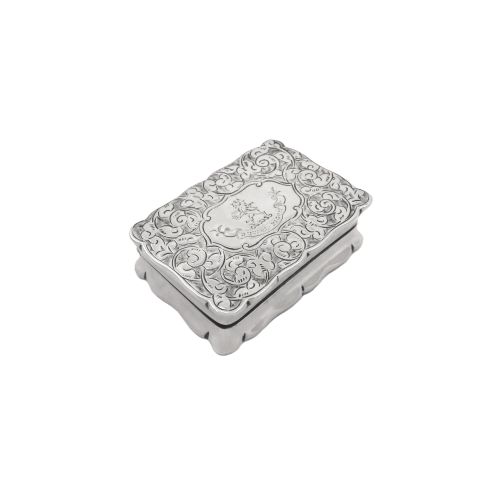
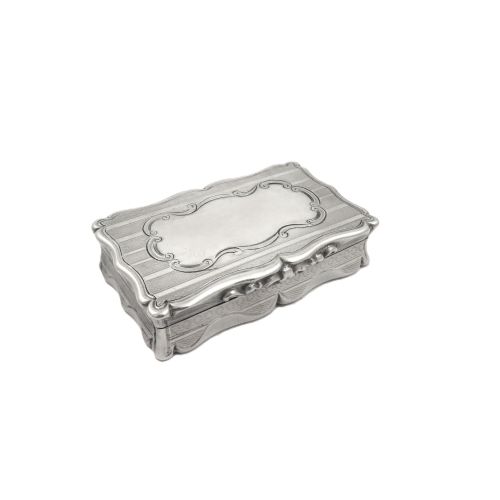
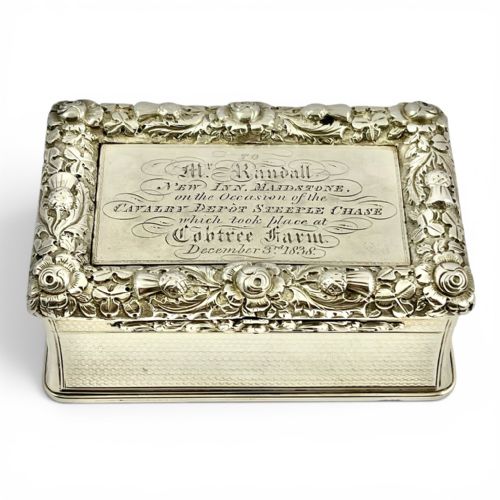
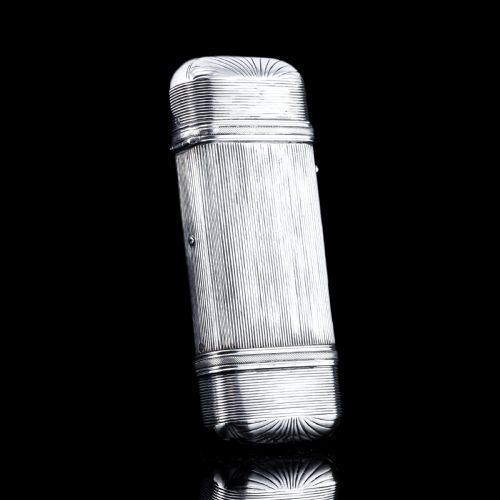
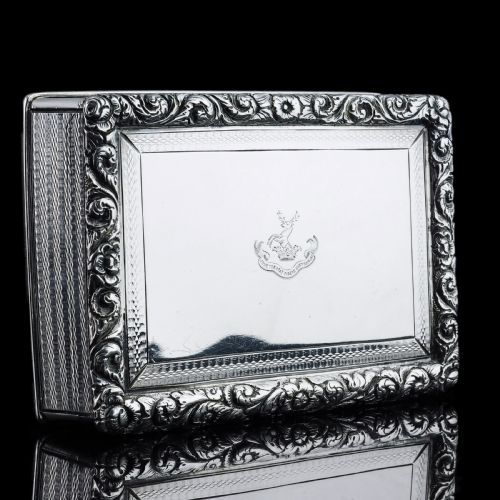
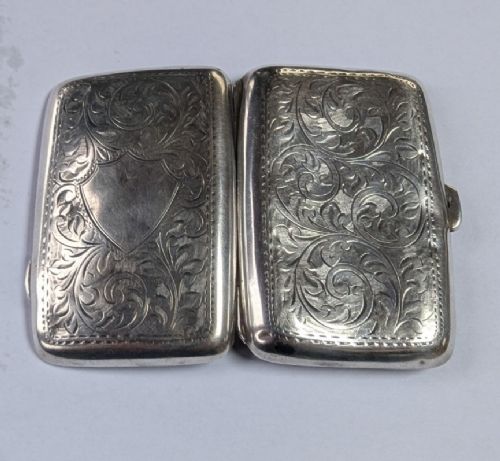
An engraved silver tobacco box is a pocket-sized container designed for dry leaf, snuff or cheroots, combining practical utility with ornamental metalwork. The pieces found here span the Georgian and Victorian eras through to the early twentieth century, taking forms such as table snuff boxes, pocket cases and hinged silver gilt boxes.
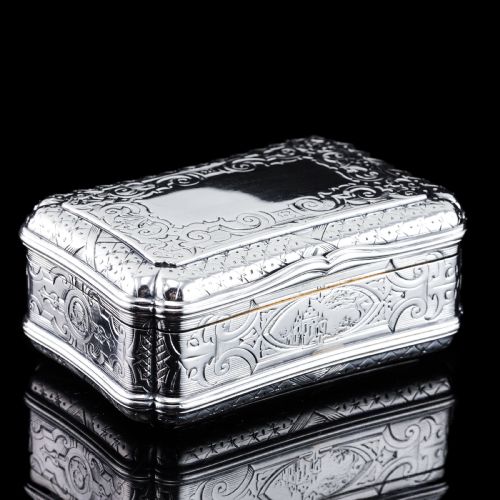
The version most commonly met on this page is the sterling silver pocket box originating from Birmingham or London workshops, often dated to the nineteenth century. These objects feature hinged lids, gilt interiors and elaborate surface engraving ranging from floral scrolls to heraldic crests and cartouches.
What varies in quality
Quality rests in the crispness of the hand engraving and the structural integrity of the hinge and closure. Superior examples retain deep, sharp relief in floral chases and armorial crests without thinning of the silver wall from over-cleaning.
The presence of a full, legible set of hallmarks and an interior silver gilt wash distinguishes finer workshop production from standard commercial output. The weight of the solid metal and the precision of the box lid alignment further separate standard pieces from master items.
Cornelius Bland·Robert Thornton·Edward Smith·Joseph Willmore·Edward Edwards·A & J Zimmerman Ltd
The Engraved Silver Tobacco Box Glossary
- Sterling silver
- An alloy of silver containing 92.5 percent pure silver and 7.5 percent other metals, usually copper. This standard composition provides the durability required for pocket containers.
- Silver gilt
- Sterling silver that has been coated with a thin layer of gold on the interior or exterior. This technique protects the silver from tobacco corrosion and tarnish.
- Hallmark
- A series of official marks stamped on precious metals showing the maker, purity standard, assay office and year of testing. These marks establish the origin of the box.
- Chasing
- A metalworking technique where the artisan pushes the silver from the front using hammers and punches to create raised decorative designs. It differs from engraving, which removes metal.
- Engine turning
- A mechanical method of engraving precise geometric patterns onto metal surfaces using a specialised lathe. This creates uniform repeating lines across the lid or base.
Engraved Silver Tobacco Box: Frequently Asked Questions
How were these boxes used?
Owners carried these boxes in pockets or waistcoats for daily access to smoking mixtures or snuff. The tight-fitting lids kept the contents fresh and prevented moisture from ruining the leaf.
Larger table versions sat in parlours or offices for communal use during social gatherings.
How do I date an antique silver box?
Dating relies upon reading the hallmarks stamped into the metal by the assay office. These include a specific letter code for the year and a maker mark.
Stylistic clues like Rococo Revival scrolls or Victorian floral chasing also help narrow down the period of manufacture.
How should I care for antique silver?
Silver boxes require gentle cleaning with a soft cloth to preserve the delicate hand engraving and original patina. Aggressive polishing wears away the thin outer layer of metal and removes historic detail.
Store them away from damp environments to prevent oxidation and tarnish build-up.