



Antique Silver Collector Box
An antique silver collector box brings miniature craftsmanship to your desk or cabinet, offering small-scale elegance in precious metal.
Antique Silver Collector Box
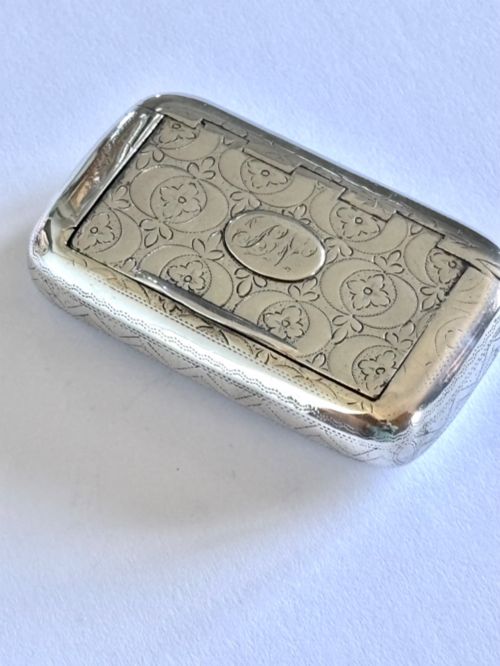
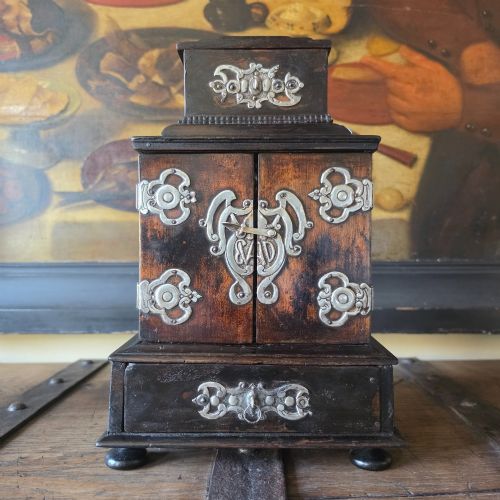
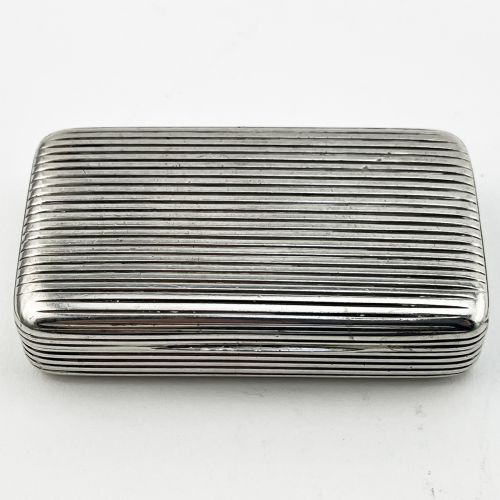
When you search for an antique silver collector box, you encounter small desk accessories, pocket containers, and miniature storage pieces from the Georgian, Victorian, and Edwardian eras. These items span functional smallware including snuff boxes, vinaigrettes, pill boxes, nutmeg graters, and stamp cases alongside small velvet-lined jewellery cabinets.
The assortment on this page reflects domestic habits across centuries, bringing together sterling silver containers designed for personal use and small display items. You are most likely to meet silver snuff boxes and novelty miniatures alongside desk seals and fitted desk sets.
Makers utilised various materials beyond solid metal, incorporating glass seals, turtle shell panels, silk linings, and leatherette cases into these small containers. Periods range from the eighteenth century through to twentieth-century novelties, showing how makers adapted silver to hold small treasures.
Materials and construction
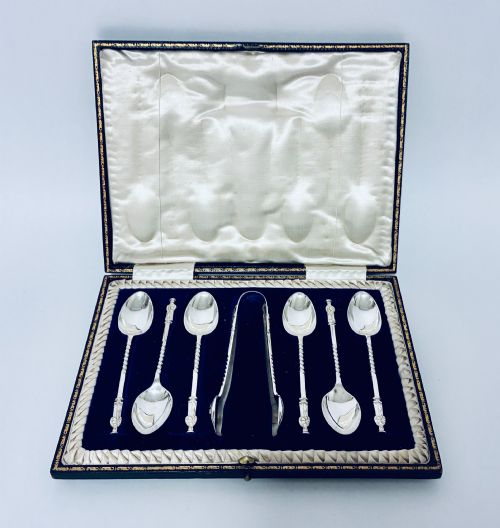
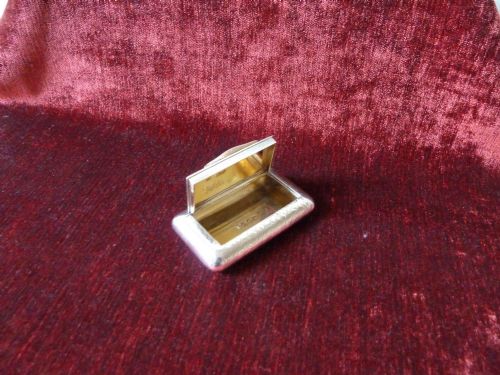
Makers constructed these small pieces primarily using sterling silver, silver-gilt, and silvered metal, often combining the metal with organic materials like turtle shell and walnut. Interiors frequently feature fitted velvet, silk, or leatherette linings designed to protect delicate contents such as glass seals or spoons.
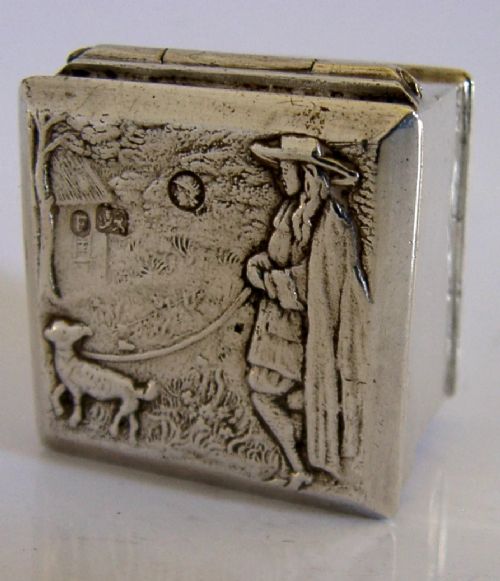
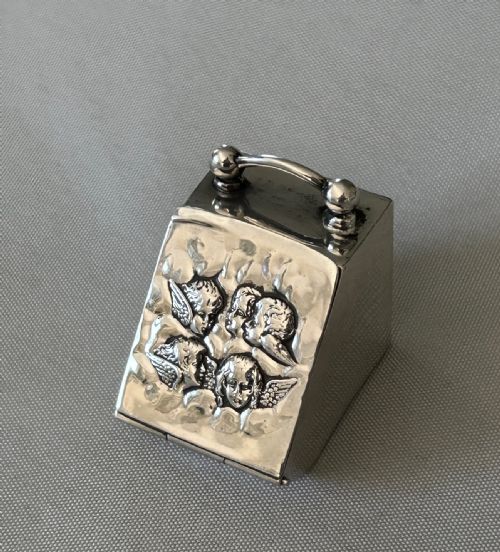
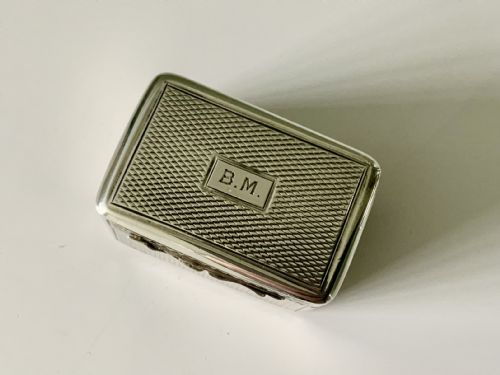
Techniques varied from engine-turned engraving on snuff boxes to cast figural work on novelty items shaped like coal scuttles, wheelbarrows, and bulldog heads. Artisans soldered hinges, fitted tiny sponges inside vinaigrettes, and mounted silver rims onto turtle shell bodies with precision.
The listings include pieces from the Georgian, Victorian, and Edwardian periods, incorporating sterling silver, walnut, turtle shell, and glass.
Assessing quality in small silver containers
Quality in these small containers rests on the crispness of the chasing, the tightness of the lid closure, and the integrity of any interior lining. Pieces with well-preserved velvet or original leather cases show a higher degree of original survival.
Novelty items and figural boxes demonstrate quality through sculptural detail and realistic proportions, distinguishing master silversmiths from routine production. The weight of the sterling silver and the clarity of hallmarks further separate standard items from exceptional examples.
Nathaniel Mills·W Comyns
The Antique Silver Collector Box Glossary
- Vinaigrette
- A small hinged box containing a perforated internal grille, designed to hold a sponge soaked in aromatic vinegar. These pieces date predominantly from the Georgian and nineteenth-century periods.
- Snuff box
- A small pocket container with a tight-fitting lid, made to hold dry powdered tobacco. They appear in sterling silver, sometimes mounted with turtle shell or glass.
- Nutmeg grater
- A miniature container housing a small metal grating surface and a compartment for whole nutmegs. Dining habits of the eighteenth and nineteenth centuries required these at the table.
- Silver-gilt
- Silver that has been coated with a thin layer of gold on its surface, often providing a warm interior finish to vinaigrettes and small boxes. This technique protects the silver from aggressive contents.
- Novelty silver
- Silver items shaped to resemble everyday objects, animals, or vehicles, such as wheelbarrows, coal scuttles, or miniature warming pans. Edwardian makers produced many imaginative examples.
Antique Silver Collector Box: Frequently Asked Questions
What is an antique silver collector box used for?
These small boxes served various specific purposes in past centuries, ranging from holding pinches of snuff to housing miniature seals, postage stamps, or aromatic sponges. Today, collectors use them to display small curiosities or desktop items.
The diverse forms reflect the precise domestic needs of their original owners, from dining table nutmeg graters to pocket-sized pill containers.
How do I know the period of a silver box?
You can determine the period by examining the style of decoration, the construction methods, and any hallmarks stamped into the sterling silver. Georgian pieces often show restrained elegance, while Edwardian items frequently include whimsical novelty shapes.
Associated materials like turtle shell, walnut, and original leather cases also help place the piece within a specific century.
How should I care for antique silver boxes?
Maintain these small containers by keeping them in stable humidity conditions away from direct sunlight to protect delicate interior linings like velvet, silk, or leatherette. Gentle dusting preserves the exterior silver and any attached organic panels.
Avoid harsh chemical cleaning agents that might damage delicate hinges, gilding, or fitted interiors.