


Vintage Silver Dresser Box
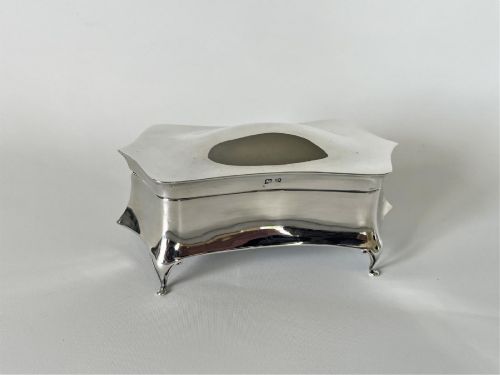
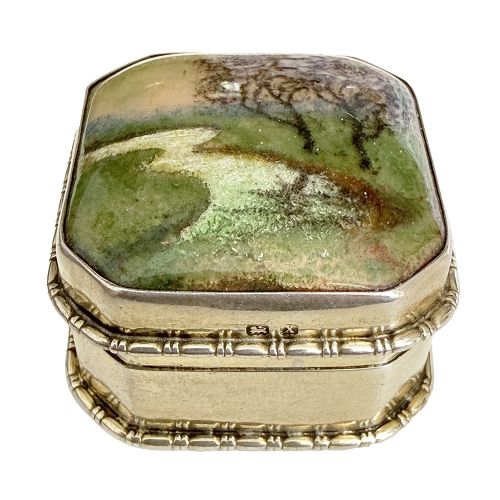
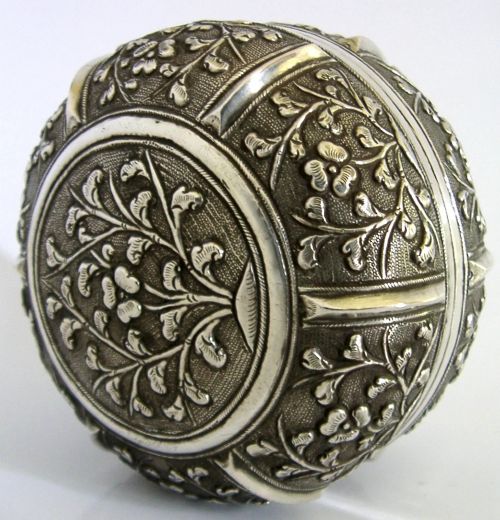
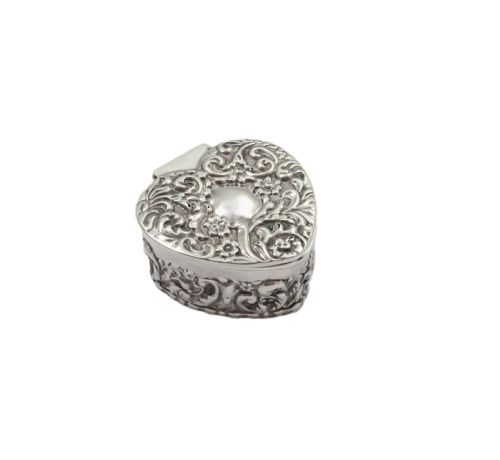
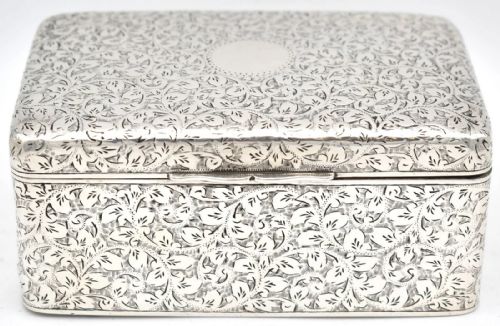
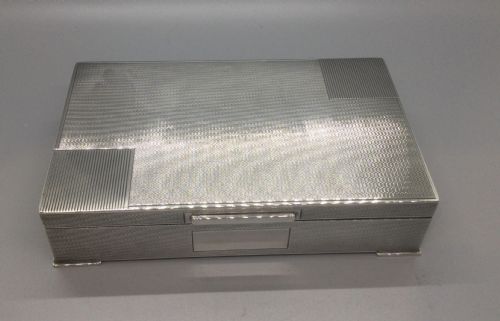
These vintage silver dresser boxes are substantial desk and dressing table containers built from sterling and continental silver to hold cigarettes or trinkets.
What vintage silver dresser boxes are
When you search for a vintage silver dresser box, you look at lidded containers designed for dressing tables and desks to store small personal items. The pieces on this page span the twentieth century, covering distinct stylistic phases from the early decades through the mid-century period.
You meet varied forms ranging from straight-sided cigarette containers to lidded canisters. Origins include British workshops, Italian houses, and Austrian studios, showing how different regions interpreted functional deskware.
How they were made
Maker workshops utilised sterling silver, 800 silver, and gilt elements combined with wooden interiors. Metalworkers formed these materials into rigid box structures with tight-fitting lids.
Designers applied decorative principles from the Art Deco, Mid-Century Italian, and Austrian Secessionist movements directly to the silver surfaces.
Current listings include pieces from three distinct decades: nineteen-ten, nineteen-forty, and later than nineteen-sixty.
What varies in quality
Quality rests in the precision of the metalwork and the integration of internal wood linings. Pieces driven by specific artistic movements display more deliberate ornamental choices than generic containers.
The weight of the silver and the clarity of regional hallmarks distinguish standard utility boxes from studio-designed examples.
Gucci·Josef Margold
The Vintage Silver Dresser Box Glossary
- Sterling silver
- An alloy consisting of 92.5 percent silver by mass, with other metals added for durability. British pieces frequently carry this standard.
- 800 silver
- An alloy containing 80 percent silver, commonly utilised in continental European manufacturing. This standard appears on Italian and Austrian pieces.
- Gilt
- A thin layer of gold applied to the surface of the silver. This treatment creates contrasting interior or decorative tones.
- Austrian Secessionist
- An artistic movement focusing on clean geometric forms and restrained ornamentation. Works in this style reject historicist revivalism in favour of modern clarity.
- Art Deco
- A design style characterised by sleek lines, geometric patterns, and streamlined modernism. Boxes from this period often emphasise symmetry and structured form.
Frequently Asked Questions
How were these boxes used?
Owners placed them in private rooms to hold cigarettes, small trinkets, or personal accessories. The lidded design kept contents dust-free and out of sight.
They functioned as both practical storage items and decorative desk accessories.
How do I live with a silver box?
Keep the metal clean using appropriate silver care products to prevent heavy tarnishing over time. Place the box on stable desk or table surfaces away from damp environments.
Allow the wood linings to breathe by avoiding excessive moisture inside the container.
How do I tell periods apart?
Examine the decorative motifs and hallmarks stamped into the metal surface. Art Deco and Secessionist pieces show specific geometric traits tied to their decades.
Continental boxes often display lower silver purity marks compared to standard British sterling pieces.