





Sterling Silver Cigarette Box
When you handle a sterling silver cigarette box, you touch a tangible piece of smoking history made for twentieth-century tables.
Sterling Silver Cigarette Box
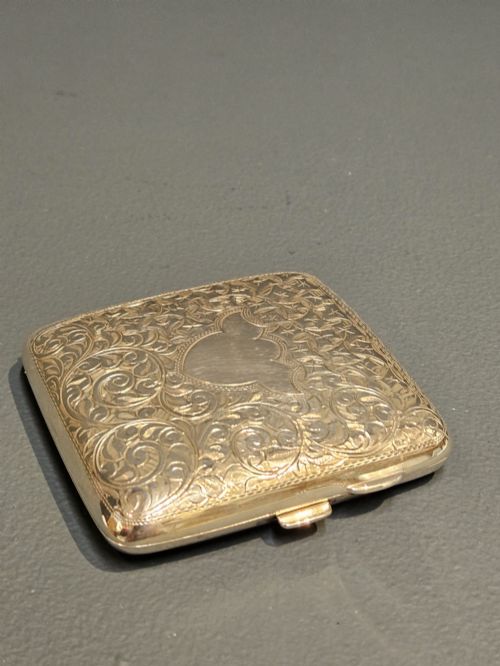
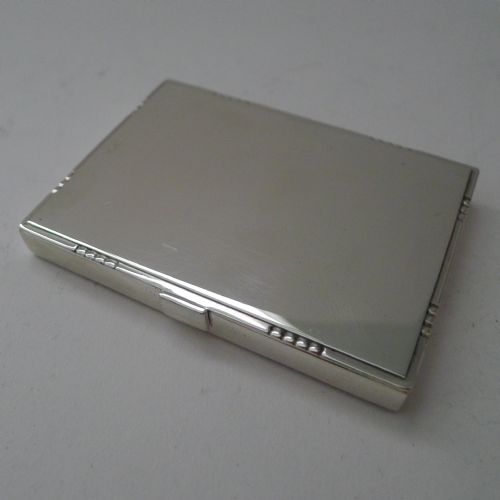
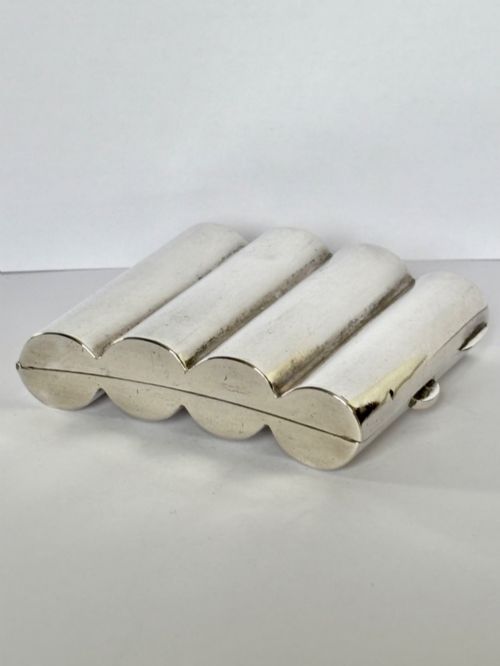
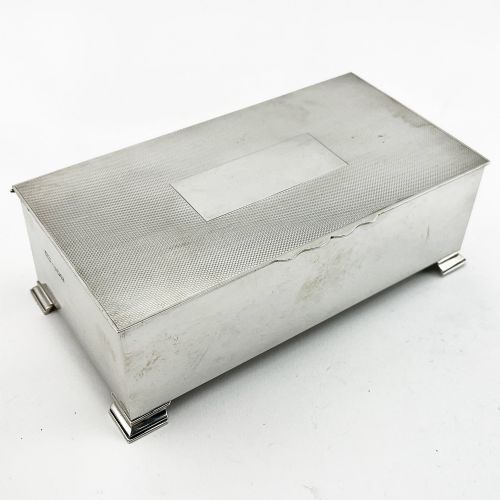
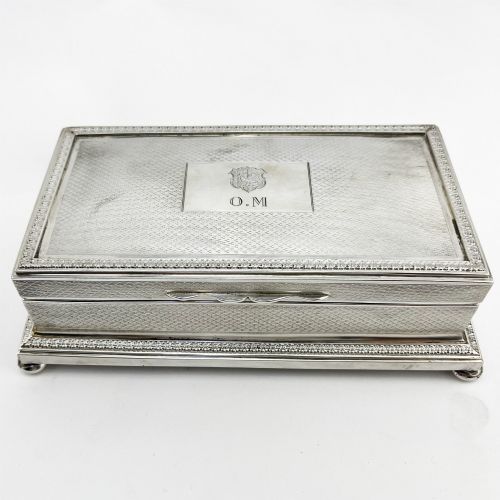
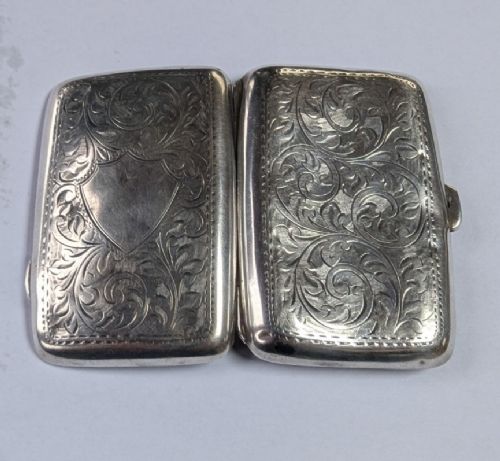
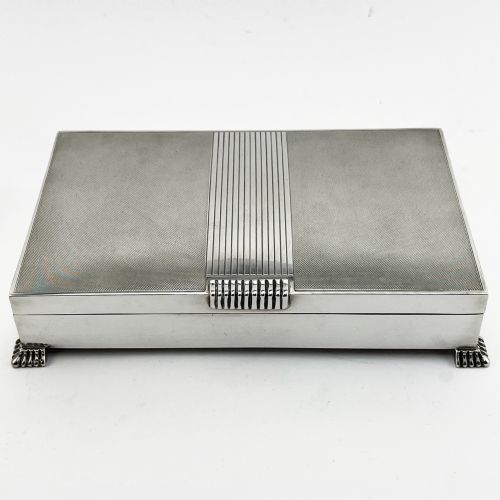
A sterling silver cigarette box is a rigid container designed to hold tobacco products, appearing frequently on this page in forms ranging from compact personal cases to large table boxes. You will most commonly meet rectangular English examples from the Edwardian period and the 1930s Art Deco era.
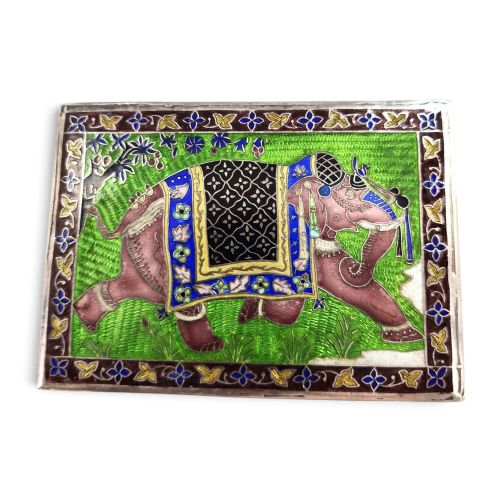
The inventory also spans Victorian cigar boxes, Chinese export silver pieces, and Indian colonial work, demonstrating how different cultures adopted the form. Many double as trinket boxes or card cases, shifting function as modern smoking habits receded.
Makers shaped these objects from solid silver or mounted them over oak and other timbers, occasionally adding internal dividers for cigarettes or cheroots. Their survival charts the evolution of social smoking from the late nineteenth century through to the mid-century modern period.
How They Were Made
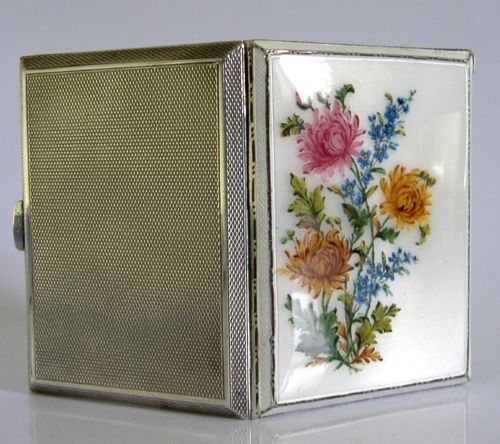
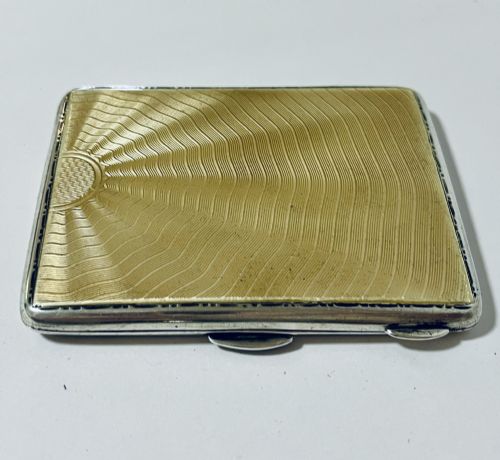
Silversmiths constructed these boxes using sterling silver sheets, often hammering and soldering the metal into rigid rectangular bodies. Engine turning, floral scrolls, and engravings were applied to exterior surfaces by hand or machine.
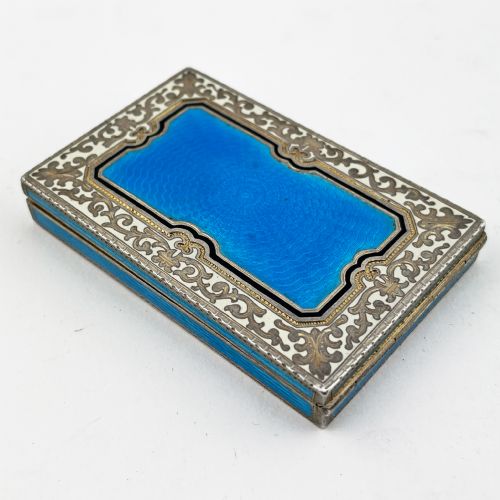
Many larger table boxes utilised internal cedar or oak linings to keep tobacco fresh, secured within silver mounts and hinged lids. Artisans also incorporated vitreous enamel, hand-painted floral panels, tortoise-shell, and white onyx into the lids.
Makers applied gilt metal and silver gilt to interior surfaces to prevent tarnishing from tobacco oils, while locks and keys were fitted to secure valuable contents.
Sterling Silver Cigarette Box Retail Price Guide 2026
Typical asking prices for sterling silver cigarette box among the pieces listed under this phrase on Sellingantiques today, from the lower quarter to the upper quarter. They describe what is for sale here now, not the wider market.
Listings feature sterling silver cigarette boxes spanning the Victorian era, Edwardian period, and the 1930s Art Deco movement.
What Varies in Quality
The distinction between ordinary and superior pieces rests on the weight of the metal and the integrity of the construction. Heavier gauge silver provides a solid feel and prevents warping of the lid, whereas thin sheets dent easily and feel insubstantial.
Detailing on the exterior separates standard production from exceptional work. Crispness in engine-turning, the precision of hand-engraved floral scrolls, and the flawless application of vitreous enamel elevate a piece significantly.
The quality of maker marks and hallmarks indicates the origin and standard of the silver. Renowned makers such as Mappin & Webb or Wang Hing deliver superior finishing on hinges and closures compared to anonymous workshop output.
Mappin & Webb·Wang Hing & Co·Sampson Mordan·A & J Zimmerman Ltd·Goldsmiths and Silversmiths Co·Alfred Dunhill·Bulgari·Jane Brownett Alexander Jones·Birks·J H Peck
The Sterling Silver Cigarette Box Glossary
- Sterling silver
- An alloy consisting of 92.5 percent silver and 7.5 percent other metals, usually copper. This standard composition provides the durability required for functional boxes.
- Engine turned
- A decorative technique involving precise geometric patterns cut into metal by a specialised lathe. It creates a textured surface that catches the light and hides minor scratches.
- Vitreous enamel
- Glass fused to the surface of metal through high-temperature firing. It provides smooth, coloured decoration on cigarette cases and boxes.
- Silver gilt
- Sterling silver that has been coated with a thin layer of gold on the interior surfaces. This treatment protects the silver from chemical reactions with tobacco.
- Cheroot
- A cylindrical cigar with cut ends, shorter than a traditional cigar. Boxes sized for these often appear alongside standard cigarette containers.
Sterling Silver Cigarette Box: Frequently Asked Questions
What were sterling silver cigarette boxes used for?
These boxes served to store and present cigarettes or cigars neatly on dining tables, desks, and smoking rooms. They kept tobacco dry and organised while displaying the owner's taste.
In modern settings, people repurpose them to hold small trinkets, business cards, or desk accessories. Their hinged lids and velvet or wood-lined interiors make them practical for desktop storage.
How do I know the date of my box?
English boxes carry hallmarks stamped directly into the silver, including assay office marks, date letters, and the lion passant indicating sterling standard. Consulting a date letter chart reveals the exact year of assay.
Stylistic cues also help narrow down the period. Clean geometric lines point to 1930s Art Deco, while heavy scrolling and detailed crests often indicate Victorian or Edwardian origin.
Why do some boxes have wooden interiors?
Makers lined larger table boxes with cedar, oak, or mahogany to regulate moisture and preserve the aroma of the cigars and cigarettes stored inside. Wood prevented the metal from coming into direct contact with the tobacco.
Personal cases and smaller pocket versions remained unlined, utilising all-silver construction to maintain a slim profile. Many table boxes retain their original timber linings intact.
How should I clean a silver cigarette box?
Clean the exterior using a soft cloth and a reputable silver polish formulated to remove tarnish without abrading the surface. Avoid harsh chemical dips, especially on pieces with enamel or wooden linings.
Take care around hinges and engraved crevices where polish residue can accumulate. Regular gentle dusting preserves the finish better than frequent heavy cleaning.