


Solid Silver Jewellery Box
When hunting for a solid silver jewellery box, you seek a sturdy vessel that preserves precious trinkets while gracing a dressing table with quiet elegance.
Solid Silver Jewellery Box
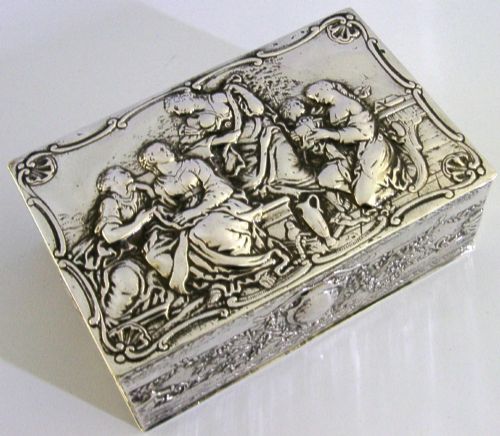
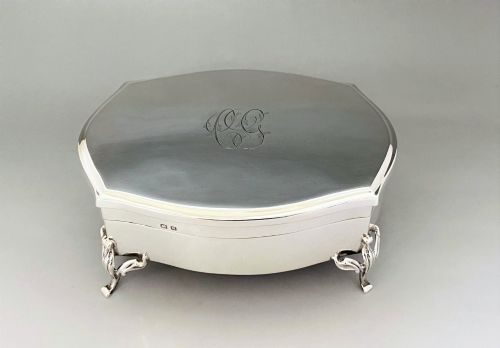
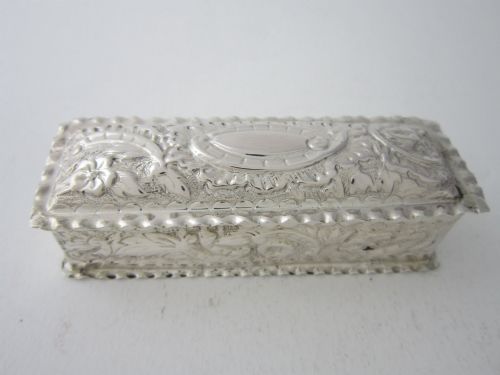
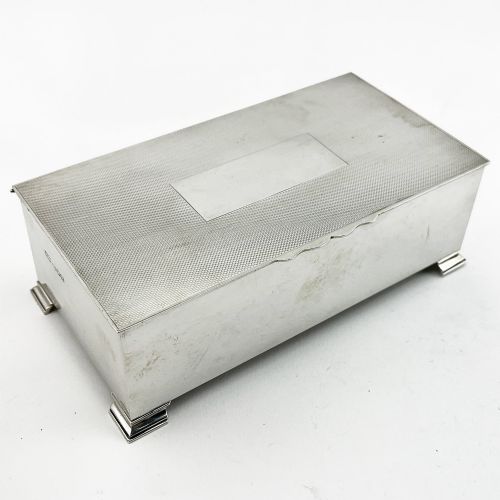
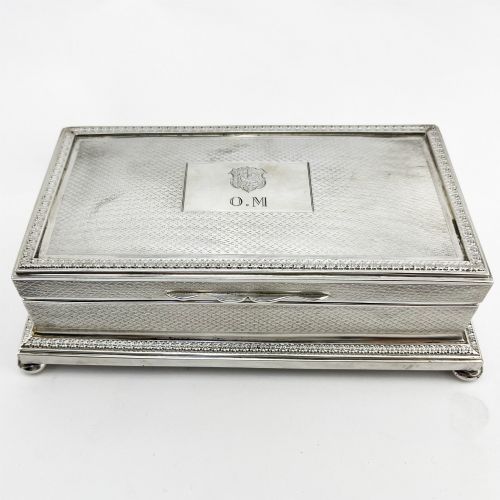
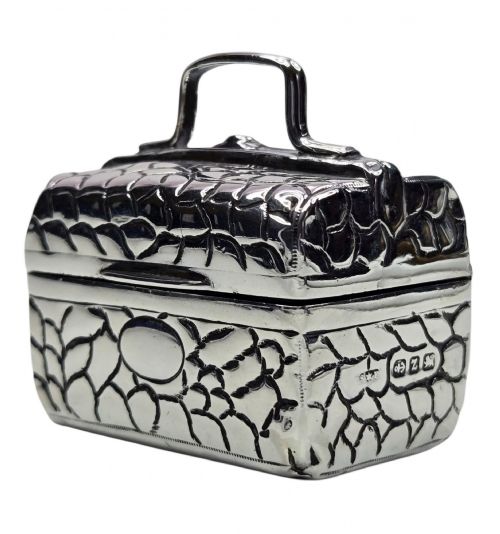
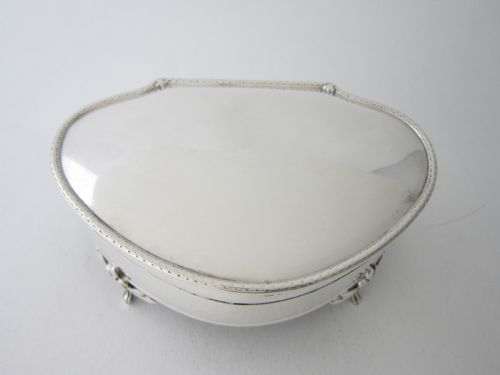
A solid silver jewellery box serves to store rings, brooches, and vanity items, taking forms from simple rectangular caskets to heart shapes and novelty trunks.
The pieces on this page span the Victorian, Edwardian, and Art Deco periods, alongside continental and export works from the late nineteenth century onward.
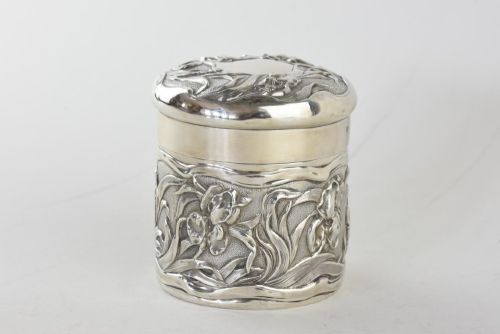
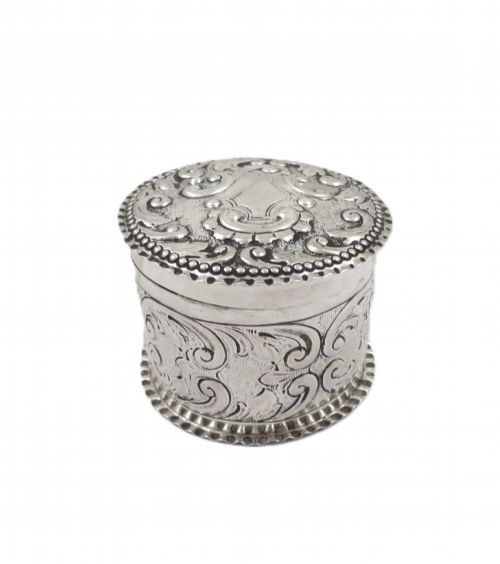
Makers fashioned these containers as tabletop caskets, small trinket pots, and fitted dressing table boxes lined with velvet or silk.
Materials and Craftsmanship
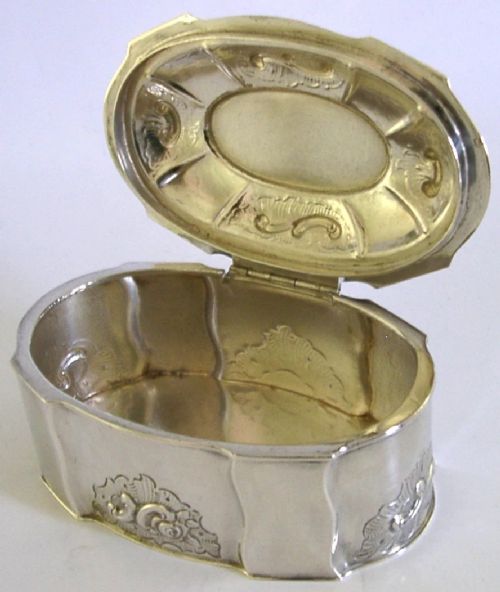
Silversmiths constructed these boxes using sterling silver and solid silver sheets, often incorporating gilt interiors to protect the metal.
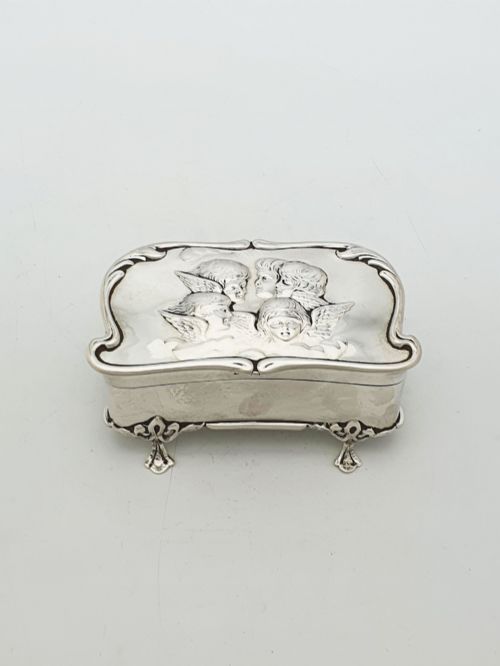
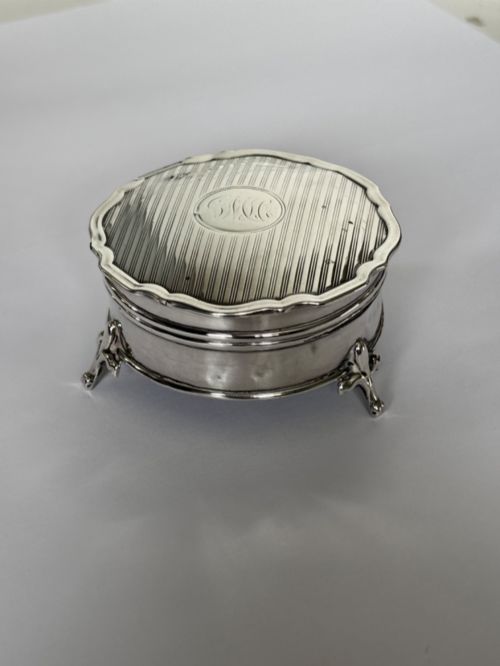
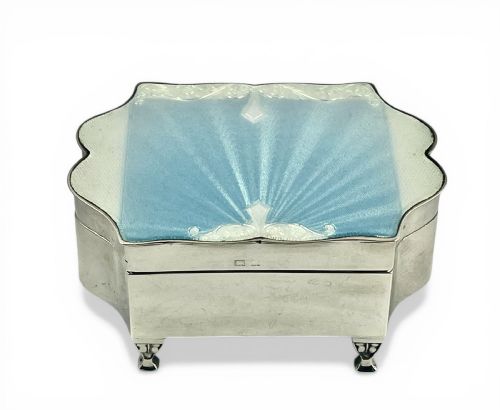
Decoration relied on techniques such as repousse chasing, engine turning, and planishing, frequently paired with blue guilloche enamel or inset tortoiseshell.
Solid Silver Jewellery Box Retail Price Guide 2026
Typical asking prices for solid silver jewellery box among the pieces listed under this phrase on Sellingantiques today, from the lower quarter to the upper quarter. They describe what is for sale here now, not the wider market.
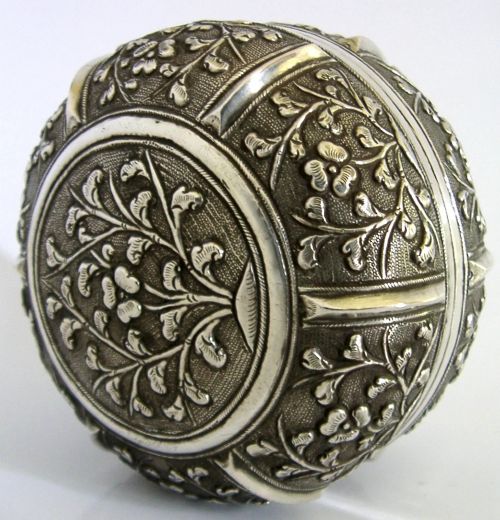
Listings include items marked by Birmingham, London, and Chester assay offices, alongside continental German Hanau and Asian export pieces.
Assessing Quality
Substance and weight separate heavier caskets from lighter stamped containers, with substantial gauge silver offering greater durability.
The refinement of chased relief work, crispness of hallmarks, and quality of interior silk or velvet linings distinguish finer workshop output.
Goldsmiths and Silversmiths Company·Mappin and Webb·Wang Hing and Company·Henry Williamson Ltd·William Comyns·Synyer and Beddoes·The Adie Brothers·James Deakin and Sons
The Solid Silver Jewellery Box Glossary
- Sterling silver
- A silver alloy containing 92.5 percent pure silver by mass, standard for British hallmarks.
- Repousse
- A method of hammering metal from the reverse side to form a raised design in relief on the front.
- Guilloche
- A decorative technique where a precise, intricate pattern is mechanically engraved into a metal surface under translucent enamel.
- Hallmark
- An official stamp applied by an assay office to indicate the purity of the metal and the year of manufacture.
- Planished
- A metal surface finish achieved by hammering with a polished tool to create flat, contiguous facets.
Solid Silver Jewellery Box: Frequently Asked Questions
How do I clean a silver jewellery box?
Use a soft cloth and specialised silver polish to remove tarnish gently from the exterior surfaces. Avoid harsh abrasives that might wear away delicate repousse relief work.
Keep polish away from internal velvet or silk linings and inset materials like enamel or tortoiseshell. Store the box in a dry environment to slow down future tarnishing.
What periods do these boxes come from?
The pieces span from the late nineteenth century through the Victorian and Edwardian eras into the Art Deco period of the 1930s. Later mid-century continental and export works also appear.
Assay office hallmarks and stylistic markers such as Art Nouveau floral motifs help establish the exact era of manufacture.
How were these boxes used originally?
Victorian and Edwardian owners placed them on dressing tables to hold rings, pins, and daily trinkets. Larger caskets served for keeping letters, medals, or cigarettes.
Fitted interiors with padded velvet kept delicate items secure and protected them from scratching against the silver base.
Are hallmarks always present on these boxes?
British pieces typically feature clear hallmarks indicating the maker's mark, assay office, and date letter. Continental and export items may show alternative silver standards such as 800 or specific import marks.
These stamps provide the most reliable evidence for dating and attributing the piece to a specific workshop.