


Antique Indian Silver
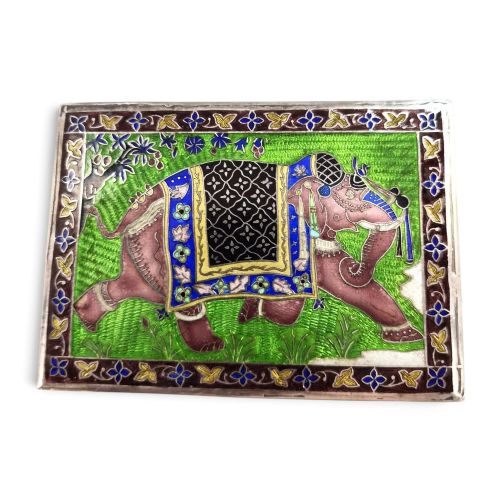
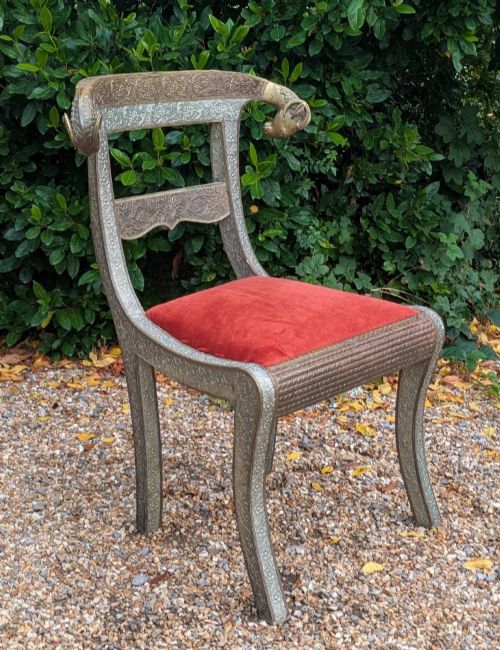
These antique indian silver pieces, spanning the nineteenth and twentieth centuries, bring intricate repoussé craftsmanship and distinctive regional designs into a room.
What antique indian silver comprises
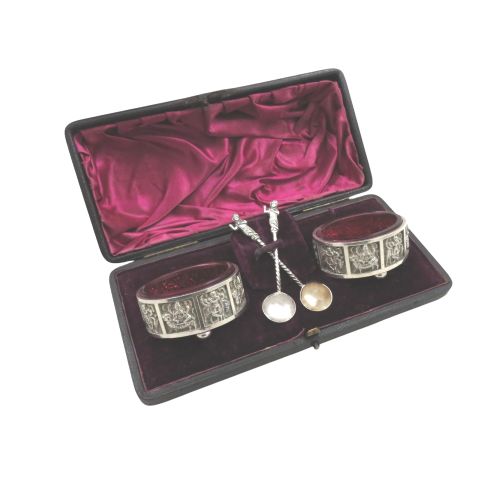
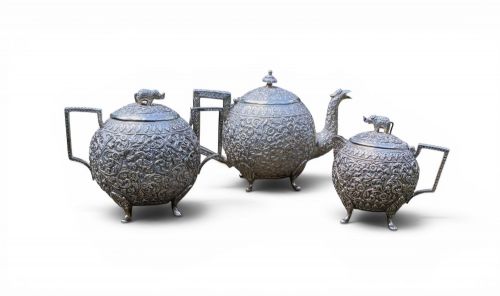
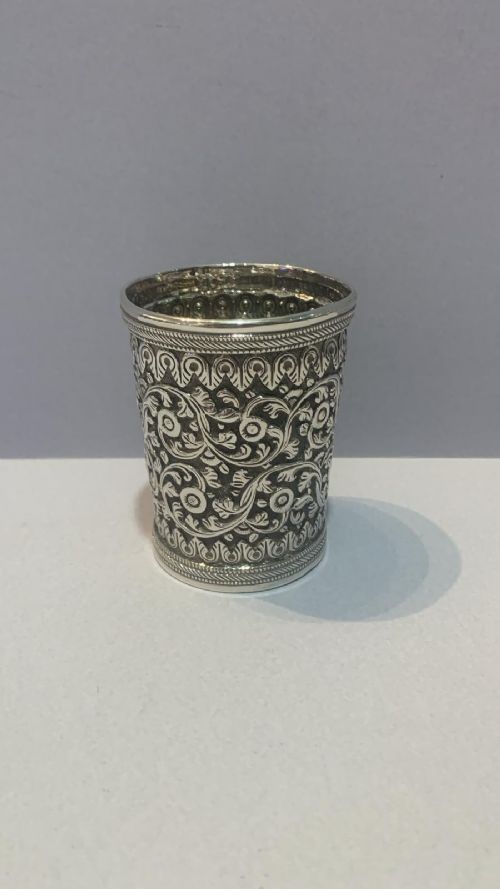
When searching for antique indian silver, buyers encounter a diverse selection of decorative and functional objects produced during the nineteenth and twentieth centuries. The inventory spans functional vessels such as tea services and milk jugs alongside smaller personal items including card cases, trinket boxes, and trophy cups.
Regional variations emerge clearly across the forms, with Kutch work and Anglo-Indian styles appearing frequently alongside Kashmiri and colonial pieces. These items reflect both traditional domestic uses and items tailored for the export and colonial market.
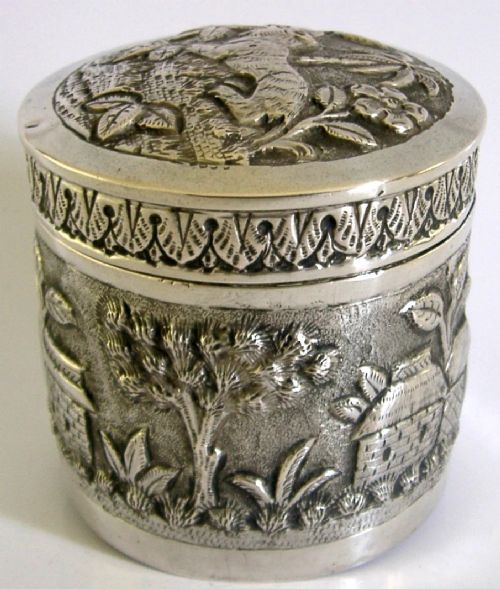
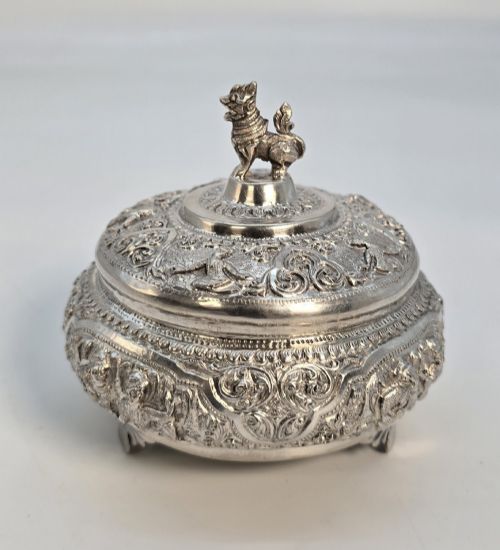
The objects range from small pocket items like card cases and whistles to substantial tabletop boxes and lidded jars decorated with animals, deities, and village scenes.
Materials and methods of construction
Makers utilised solid silver and sterling silver alongside occasional silver plate and enamel highlights to achieve rich surface textures. The metal was frequently worked to a high grade to support intricate manipulation.
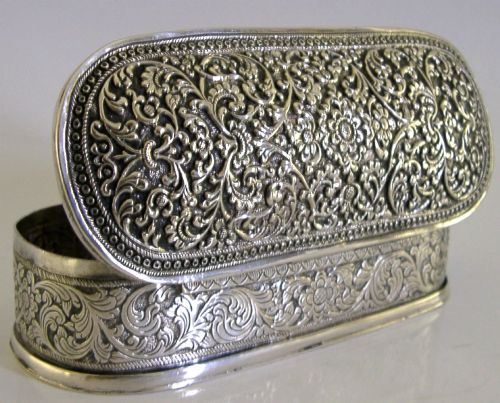
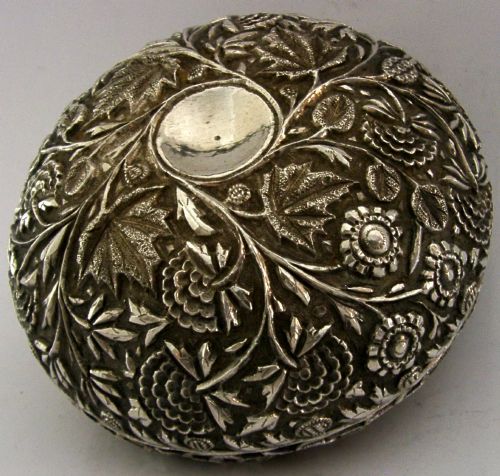
Repoussé and embossing techniques dominate the construction, pushing the metal from the reverse to create deep relief ornamentation. Details were then chased by hand to define figures, foliage, and narrative scenes.
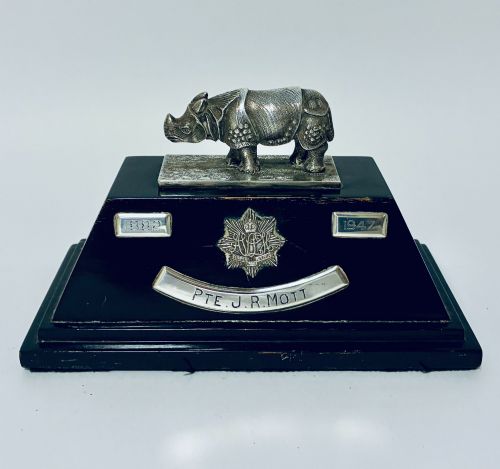
Certain pieces incorporate mixed materials such as agate, hardwood, or bamboo, combining metalwork with natural elements in walking sticks, boxes, and desk items.
Retail Price Guide 2026
Typical UK retail prices for indian silver, calculated from the Sellingantiques database of over a million retail prices indexed since 2003. This retail price guide relies exclusively on Sellingantiques data; no external sources or auction records are used, so the figures do not describe the wider market.
The listings feature items spanning the 19th Century, 1900, and 1940 periods, executed in silver, sterling silver, enamel, and silver plate.
Distinctions in quality and execution
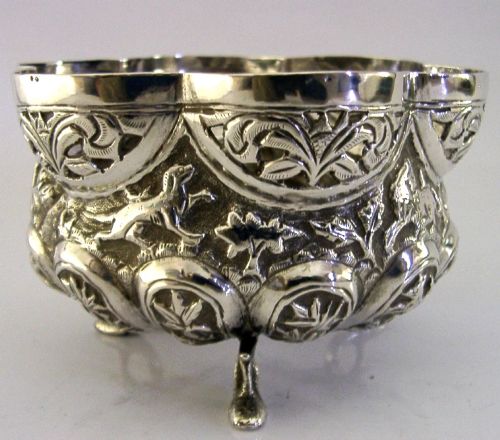
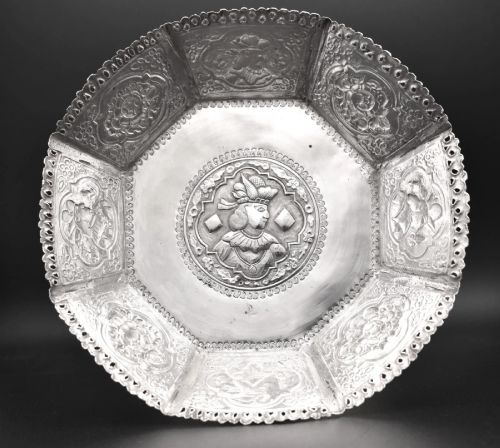
The depth and clarity of the chased and repoussé decoration determine the visual strength of a piece. Superior examples exhibit crisp detail in figures, deities, and animal motifs without softening in the recesses.
Weight and structural substance separate standard production from exceptional work, particularly in larger vessels, tea services, and boxes where substantial gauge silver provides a reassuring heft in the hand.
The Antique Indian Silver Glossary
- Repoussé
- A metalworking technique where the artisan hammers the silver from the reverse side to form a raised design in relief. Fine chasing is subsequently applied to the front surface to sharpen the details.
- Kutch
- A distinct regional style of silverwork originating from Gujarat, characterised by dense foliage patterns surrounding animal and architectural vignettes. This work is highly sought after by collectors for its intricacy.
- Anglo-Indian
- A descriptive term for objects made in India under British influence, often combining traditional eastern motifs with European forms such as card cases or tea services. These pieces reflect the tastes of the colonial period.
- Betel nut container
- A specialised vessel designed for holding areca nuts and related masticatories used in traditional social customs across South Asia. They often take elaborate box or jar forms with secure lids.
- Chasing
- The complementary process to repoussé, where small punches refine the design from the front by sinking the metal rather than raising it. This technique adds texture and definition to hair, clothing, and background elements.
Frequently Asked Questions
What items are available in antique indian silver?
The category encompasses a broad range of decorative and functional objects, from small personal accessories like card cases and pill boxes to larger tableware including teasets, jugs, and trophy cups.
Boxes and jars with detailed village scenes or animal motifs also appear frequently in various sizes.
How do I identify Kutch silver pieces?
Kutch silver is typically identified by its dense, scrollwork foliage background that frames detailed figures, animals, or architectural elements in high relief.
This distinct regional aesthetic is a hallmark of nineteenth and early twentieth century production from the region.
How were these silver items used?
Many pieces served daily functional or social purposes, such as serving tea, holding visiting cards, or storing betel nut and tobacco.
Others were created purely for display or as presentation trophies, reflecting both local customs and the tastes of the British colonial period.
How should I care for antique silver?
Gentle dusting and minimal cleaning preserve the dark patination in the recessed areas of repoussé work, which highlights the depth of the design.
Abrasive polishes should be avoided to protect the delicate hand-chased details and any enamel or inset stones.