




Antique Silver Bird Box
An antique silver bird box captures winged form in precious metal, offering a tactile receptacle for small treasures.
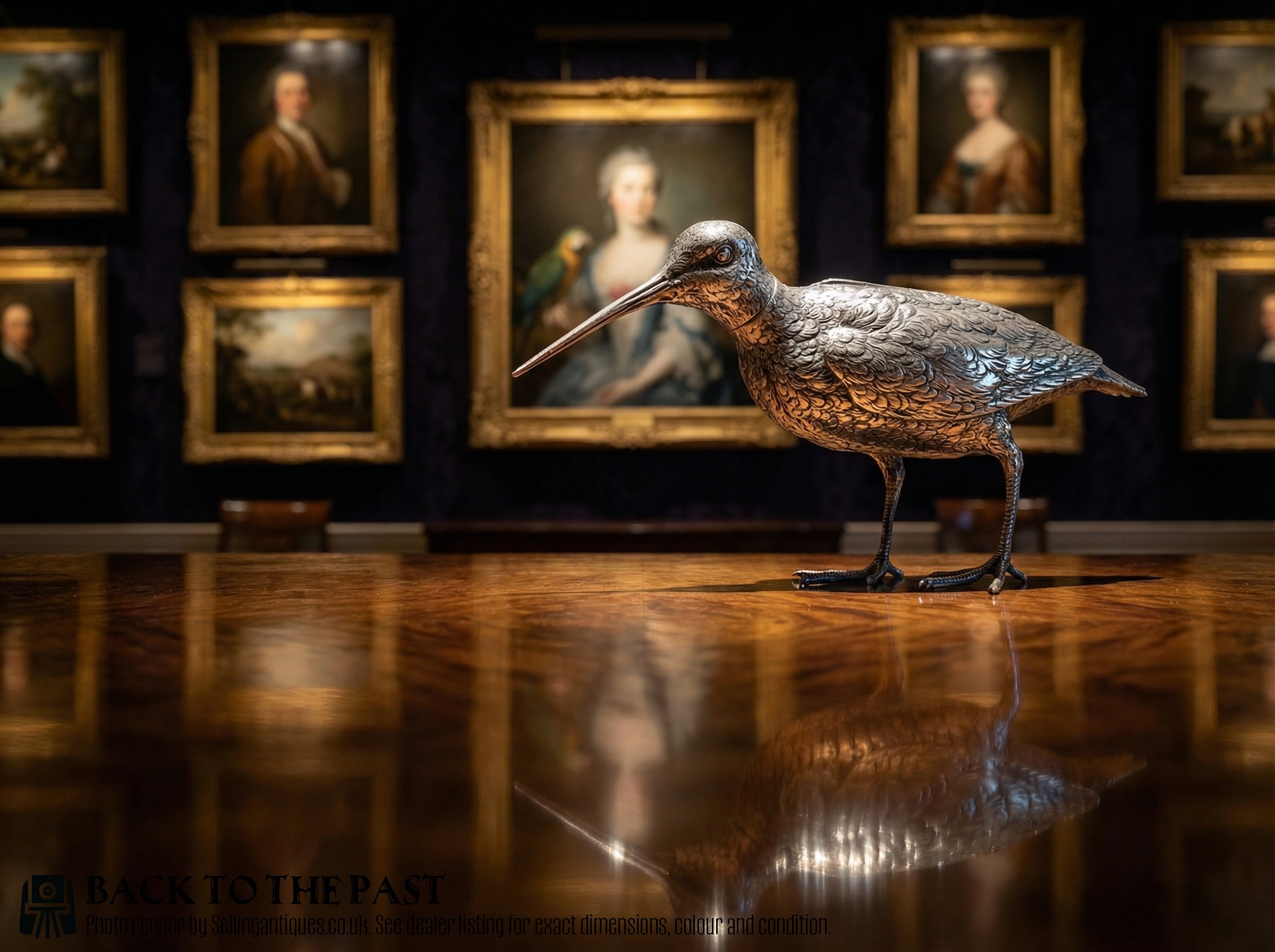
Antique Silver Bird Box
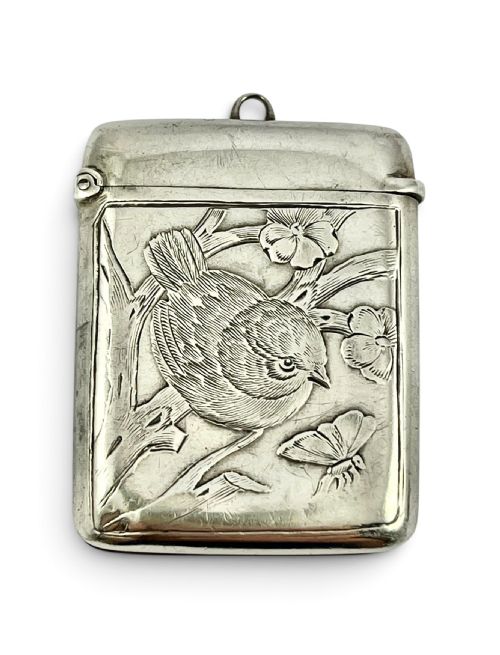
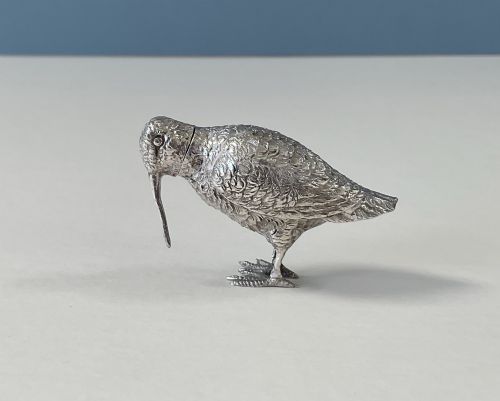
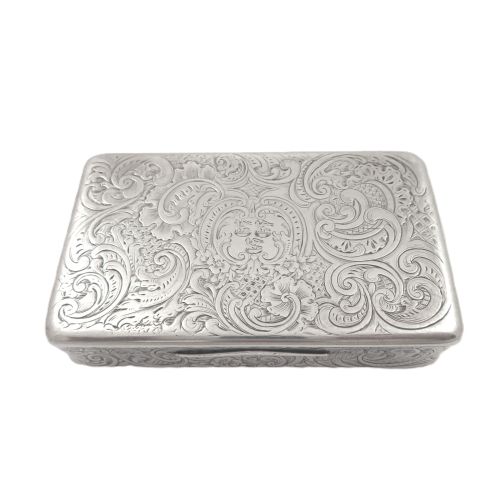
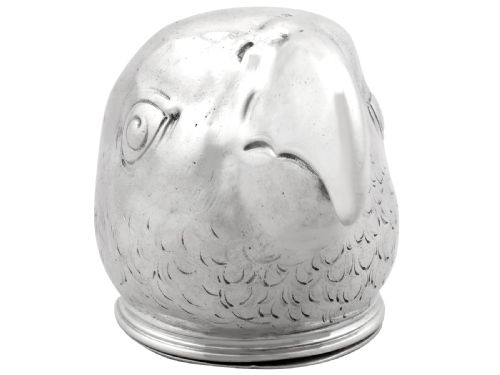
An antique silver bird box takes the form of feathered creatures or incorporates avian motifs into portable containers. The selection on this page encompasses varied vessels, from snuff boxes and pill boxes to pin cushions and trinket boxes.
The periods represented span from the Georgian era through Victorian, Edwardian, and 1900s craftsmanship. English and European silversmiths shaped these items, often detailing them as specific species such as owls, parrots, snipes, and grouse.
Materials and construction methods
Makers utilised sterling silver, German silver, and silver plate, frequently employing casting techniques to achieve solid, heavy dimensions. Piercing work and delicate engraving defined the feathered surfaces of trinket boxes and snuff containers.
Some pieces integrate additional materials like glass, velvet, ceramic, and enamel to complement the metallic body. Hinged lids and fitted compartments demanded precise metalwork from the workshops that produced them.
Listings feature sterling silver, German silver, and silver plate combined with materials such as glass, enamel, and ceramic.
Distinguishing quality in avian silverwork
Quality rests in the fidelity of the bird's anatomical rendering and the crispness of the chasing across the wings and plumage. Heavy cast examples demonstrate greater substance than lighter stamped alternatives.
The integration of functional elements, such as smoothly operating hinges and secure clasps, separates standard containers from superior sculptural specimens. Maker marks and clear hallmarks also elevate the standing of a piece.
Boaz Moses·Asprey·Goldsmiths·William Comyns
The Antique Silver Bird Box Glossary
- Sterling silver
- A silver alloy containing 92.5 percent pure silver and 7.5 percent other metals, usually copper. This standard composition ensured durability for detailed boxes and containers.
- Cast silver
- Molten metal poured into a mould to create three-dimensional forms. This technique allowed silversmiths to model realistic bird shapes with substantial weight.
- Vesta box
- A small container designed to hold matches. Many period examples adopted novelty animal shapes.
- Pin cushion
- A small household accessory designed to store pins safely. Edwardian versions frequently used bird figures like chicks alongside velvet pads.
- Hallmark
- A series of official marks stamped on items to certify metal purity, origin, and maker. These symbols help verify the exact period of production.
Antique Silver Bird Box: Frequently Asked Questions
What were antique silver bird boxes used for?
These small containers held snuff, toothpicks, pills, or trinkets depending on their specific form. Wealthy owners kept them on desks, dressing tables, or carried them in pockets.
Their decorative nature also served as a display of taste and wealth. The incorporation of birds reflected a wider Victorian and Edwardian fascination with natural history.
How do I identify the period of a box?
Hallmarks provide the most reliable evidence for dating, indicating the assay office and year of manufacture. Stylistic shifts, such as heavy Georgian casting versus delicate Edwardian novelty work, also offer clues.
Examining the construction methods and any accompanying retailer marks helps narrow down the decade of production. Documentation from makers like William Comyns aids exact attribution.
Are these boxes made of solid silver?
The listings include both solid sterling silver and silver plated items, alongside German silver compositions. Heavier pieces often utilise cast silver construction.
Buyers should inspect the hallmarks or metal stamps on each piece to verify the exact material used. Plated items usually combine a base metal with a thin outer layer of silver.
How should I clean antique silver?
Gentle maintenance preserves the patina and engraved detail on feathered surfaces. Harsh chemical dips can strip away the aged character valued by collectors.
Soft microfibre cloths and specialised silver cleaning products applied with care remove tarnish safely. Pieces containing enamel, velvet, or ceramic require targeted cleaning to avoid damaging adjacent materials.